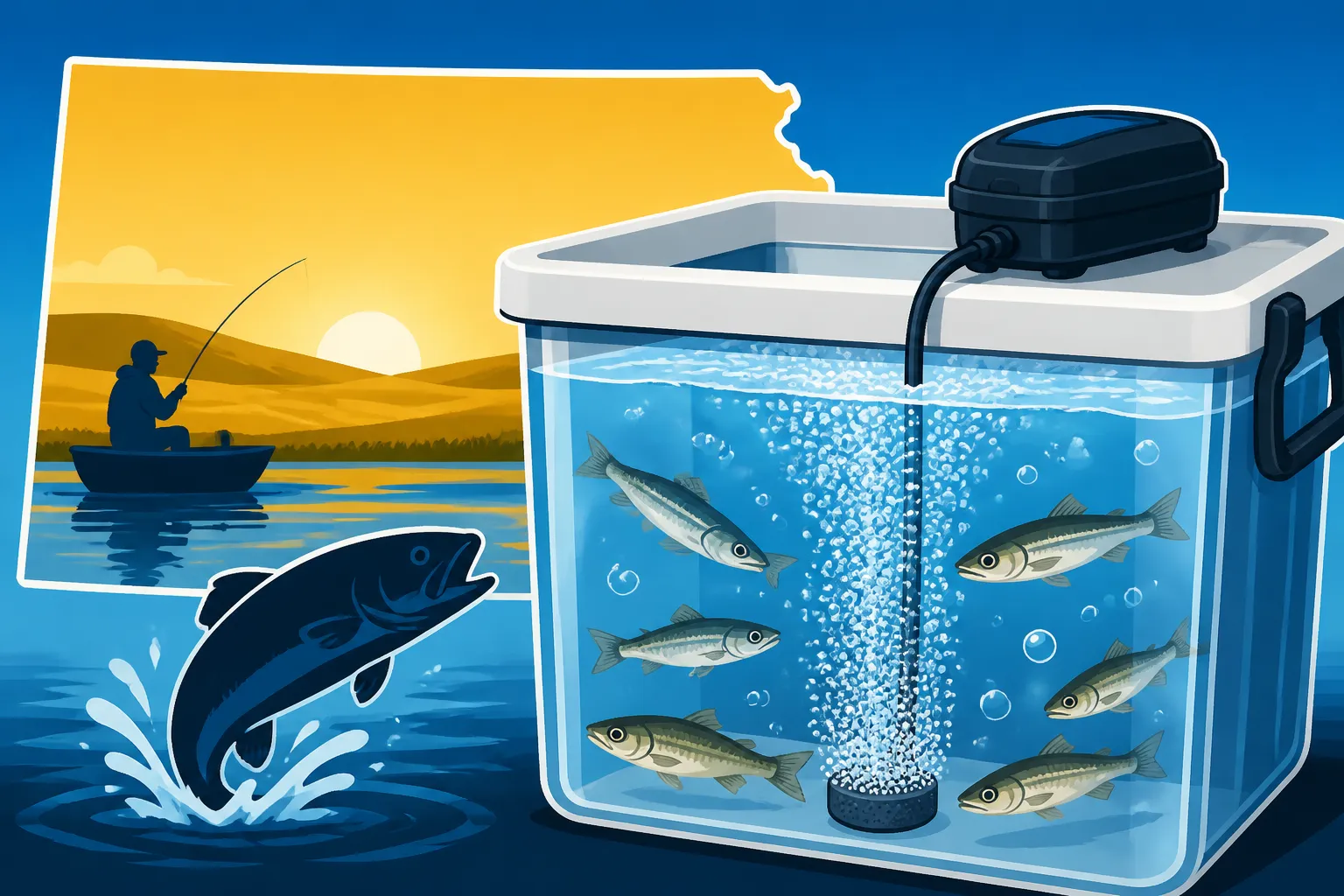
Best Aerator for a Live Bait Tank
Few things are more frustrating for a Kansas angler than pulling out a bucket of expensive live bait, only to find it sluggish, or worse, completely dead before you even cast your first line. You've spent hard-earned money and precious time preparing for your trip, and now your minnows or shad are belly-up, jeopardizing your chances of a successful catch. This guide is here to walk you through everything you need to know about choosing and using the best aerator for your live bait tank, ensuring your bait stays lively and irresistible, no matter how long your fishing adventure lasts on our beautiful Kansas waters.
Why a Live Bait Tank Aerator is Non-Negotiable for Serious Anglers
Let's be honest, we've all been there. You get to the lake, excited for a day of fishing for Kansas Walleye Fishing Techniques or Kansas Catfish Fishing Techniques, open your bait bucket, and find a sad, lifeless mess. It’s disheartening, wasteful, and frankly, a huge disadvantage. An aerator isn't just a fancy accessory; it's a fundamental tool that directly impacts your success on the water by keeping your bait in prime condition.
The Silent Killer: Oxygen Deprivation and Bait Stress
Fish, just like us, need oxygen to survive. When you scoop a bunch of minnows, shad, or even live crawdads into a small bait bucket or livewell, they quickly deplete the available oxygen in the water. Without fresh oxygen being introduced, the water becomes stagnant and toxic. This leads to stressed bait that moves slowly, looks unnatural, and is far less attractive to the game fish you're targeting. Think about it: would you rather chase down a frisky, darting minnow or one that's barely finning? The fish you're trying to catch will always prefer the lively meal.
Moreover, stressed bait releases ammonia and other metabolic waste products into the water, which further degrades water quality and accelerates the demise of your valuable offerings. A good aerator continuously circulates the water and introduces vital oxygen, effectively creating a miniature, healthy environment that mimics their natural habitat. This keeps your bait active, healthy, and ready to entice a bite, whether you're after a trophy blue cat in the Kansas River or a plump crappie in a local community lake.
The True Cost of Dead Bait: More Than Just Money
Beyond the immediate financial loss of a bucket full of expired bait, there's the cost of lost opportunities. If your bait is dead or dying, you're not fishing as effectively as you could be. That prime morning bite might pass you by while you're trying to source new bait or lamenting your losses. Or, you might spend valuable time on the water fishing with subpar bait, leading to fewer strikes and ultimately, a less enjoyable experience.
Consider a long day out on Milford Lake Fishing Guide, where you're targeting those elusive walleye. Fresh, lively shiners or fatheads are key. If your aerator fails or you don't have one, the bait you started with might be limp by midday. You're then left either trying to make do with poor bait, which rarely works, or cutting your trip short. Investing in a reliable aerator ensures your bait stays active from the first cast to the last, maximizing your time and increasing your chances of landing that keeper. It’s an investment in your fishing success and enjoyment.
Different Strokes for Different Folks: Types of Aerators for Live Bait Tanks
Just like there are different types of anglers and fishing trips, there are various aerator systems designed to meet specific needs. Understanding the differences will help you pick the perfect one for your setup, whether you're a weekend bank angler or a dedicated tournament fisherman.
Portable Battery-Operated Aerators: The Go-Anywhere Solution
For many Kansas anglers, especially those who fish from the bank, a small boat, or even a kayak, portable battery-operated aerators are an absolute lifesaver. These compact units typically run on D-cell batteries or rechargeable power packs and are designed for convenience and mobility. They often feature an air pump connected to a small air stone that produces a steady stream of bubbles, oxygenating your bait bucket.
The beauty of these aerators lies in their simplicity and flexibility. You can clip them to the side of almost any bait bucket, making them ideal for carrying minnows to your favorite crappie spot or keeping shad alive during a Kansas White Bass Run Timing. Many come with a small hose and air stone that drops right into your water. When you're heading out to fish a small farm pond or a less accessible stretch of river, these portable units can be found at local tackle shops, or you can easily browse a wide selection on Amazon or at Bass Pro Shops, comparing features and battery life. They're a fantastic choice for those who don't have a built-in livewell or need a secondary aeration source.
Permanent Livewell Systems: Integrated Performance for Boat Anglers
If you're serious about boat fishing on larger reservoirs like Cheney or Wilson Lake, a permanent livewell system is likely what you have, or what you aspire to have. These systems are typically integrated into your boat's design, often featuring a dedicated livewell compartment with a pump that draws fresh lake water in, circulates it, and then sprays it back into the well. This spray not only introduces oxygen but also keeps the water moving, mimicking a natural current.
Many advanced livewell systems offer controls to adjust water flow, aeration intensity, and even timed cycles to conserve battery power. Some even include overflow drains to prevent water from sloshing out and filters to keep debris from entering. These setups are fantastic for keeping large quantities of bait, or even your catch, healthy for extended periods, which is crucial for successful Kansas Fishing Seasons and Limits compliance and catch-and-release fishing. While they require a boat designed with a livewell, their efficiency and capacity are unmatched for serious boat anglers.
Bucket-Top Aerators and Air Pump Systems: Versatility and Customization
Between the highly portable and the fully integrated options, you'll find bucket-top aerators and more customizable air pump systems. Bucket-top aerators are often self-contained units that sit directly on top of your bait bucket, drawing water up, aerating it, and then returning it in a gentle cascade. These are usually battery-powered and offer a bit more aeration than a simple air stone in some cases, often circulating the water more actively. They're a step up from a basic clip-on for those who need more robust aeration without the commitment of a permanent livewell.
Then there are air pump systems, which involve a separate air pump unit connected via tubing to one or more air stones. These can be incredibly versatile. You might use a powerful 12V air pump with multiple air stones in a large cooler converted into a temporary livewell, or a smaller pump with a single stone for a five-gallon bucket. This allows for customization based on the size of your bait container and the amount of bait you're carrying. They're often quieter than some other options and excellent for home bait storage as well, making them a good all-around choice for many anglers.
What to Look For: Key Features of a Good Live Bait Aerator
Choosing the right aerator isn't just about picking the first one you see. There are several critical features to consider that will ensure your bait stays lively and your investment pays off in successful fishing trips.
Power Source and Battery Life: Endurance on the Water
The power source is paramount, especially for portable units. Most portable aerators run on D-cell batteries, while others use rechargeable lithium-ion batteries or even connect to your boat's 12V power supply.
- D-Cell Units: These are common and readily available. Look for models that boast long run times on a fresh set of batteries. Carrying spare D-cells is always a good idea for extended trips. Some units are designed to be highly energy-efficient, giving you a full day's aeration on a single set.
- Rechargeable Aerators: These are a fantastic eco-friendly option, saving you money on disposable batteries in the long run. Check the advertised battery life; some can run for 24 hours or more on a single charge. USB charging capabilities are a bonus, allowing you to charge from a power bank or your vehicle.
- 12V Systems: If you have a boat, a 12V aerator that plugs into your boat's auxiliary power outlet offers continuous power without worrying about battery swaps. This is perfect for those all-day adventures or even Kansas Night Fishing Guide trips where you need consistent aeration. Ensure your boat's battery can handle the additional draw if running for extended periods.
Aeration Method: Bubbles vs. Spray Bar
Aerators primarily oxygenate water through two methods: creating bubbles via an air stone or circulating water via a spray bar.
- Air Stone (Bubbles): This is the most common method for smaller, portable units. An air pump pushes air through a porous stone, creating fine bubbles that rise through the water, introducing oxygen. The smaller the bubbles, generally the more efficient the oxygen transfer. Air stones are simple, effective, and less prone to clogging than some spray systems.
- Spray Bar (Recirculation): Predominantly found in permanent boat livewells and some larger bucket-top systems, a spray bar actively draws water from the tank, passes it through a pump, and then sprays it back into the tank. This turbulent action introduces a lot of oxygen and keeps the water circulating, which is excellent for larger bait quantities and can help keep bait from "piling up" in one corner. Some systems combine both methods for maximum aeration. Consider the volume of your bait tank and the quantity of bait you typically carry when deciding which method is best.
Durability and Reliability: Built to Last in Kansas Conditions
Fishing gear often takes a beating, and your aerator should be no exception. Look for units constructed from rugged, corrosion-resistant materials, especially if you plan to use it in brackish or slightly salty conditions (though most Kansas fishing is freshwater). The motor should be robust and designed for continuous use. Read reviews to see if other anglers report issues with longevity or if the motor tends to burn out quickly. You don't want your aerator failing when you're miles from shore on Cheney Reservoir Fishing Guide or deep in a river system. A reliable aerator is one less thing to worry about, letting you focus on the fish.
Noise Level: Stealth on the Water
While it might seem minor, the noise level of your aerator can actually impact your fishing, especially in calm, quiet conditions or during Kansas Night Fishing Guide. A loud, humming aerator can transmit vibrations through your boat or the bank, potentially spooking sensitive fish nearby. Quieter motors and pumps are a significant advantage. Some high-end models specifically advertise low-noise operation. While some noise is inherent in any mechanical pump, a good quality aerator will keep it to a minimum.
Flow Rate and Output: Matching Aeration to Bait Needs
The flow rate or output refers to how much air or water the aerator can move. This is directly related to how much bait it can effectively keep alive.
- Small Buckets (5-gallon): A basic portable air stone unit is often sufficient for a dozen minnows or a handful of shad.
- Larger Coolers or Livewells (10-30 gallons+): You'll need a more powerful aerator, perhaps a bucket-top system with higher GPH (gallons per hour) or a multi-air stone setup from a robust air pump. Overcrowding your tank, even with a great aerator, is a recipe for disaster. Always try to match the aerator's capacity to your bait container size and the amount of bait you plan to carry.
Keeping Your Bait Kicking: Aerator and Live Bait Maintenance
Having the best aerator is only half the battle; proper maintenance of both your equipment and your bait tank environment is crucial for sustained success. A little care goes a long way in ensuring your bait stays lively all day.
Regular Cleaning and Inspection of Your Aerator
Just like any piece of fishing gear, your aerator needs regular cleaning to function optimally. Slime, algae, and mineral deposits can build up on air stones, pump impellers, and spray nozzles, reducing efficiency.
- Air Stones: If you use an air stone, inspect it frequently. If the bubble output seems reduced, it might be clogged. A simple soak in a diluted bleach solution (then thoroughly rinsed with fresh water) or even a scrub with a stiff brush can often clear blockages. Replace heavily clogged or damaged air stones. You can usually find replacement stones at Bass Pro Shops or online retailers like Amazon.
- Pumps and Filters: For livewell systems or bucket-top aerators with pumps, check the intake screen for debris. Leaves, grass, or small aquatic insects can easily clog the intake, starving the pump of water. Periodically remove and clean the impeller if accessible, as this is where most moving parts can get gunked up.
- Tubing: Inspect air tubing for kinks, cracks, or punctures, which can reduce air flow.
Battery Care: Powering Through Your Fishing Day
For battery-operated aerators, proper battery care is essential.
- Disposable Batteries: Always use fresh, high-quality batteries. Carry spares, especially on longer trips or when fishing for species like crappie or walleye that often require all-day live bait.
- Rechargeable Batteries: Follow the manufacturer's charging instructions. Avoid overcharging or completely draining lithium-ion batteries, as this can reduce their lifespan. Store rechargeable batteries in a cool, dry place when not in use. If your unit has a removable battery pack, consider having a fully charged spare.
- 12V Connections: Ensure all electrical connections are clean, corrosion-free, and secure. Loose connections can lead to intermittent power or damage to your aerator.
Water Quality Management: Beyond Just Oxygen
Oxygen is vital, but it's not the only factor in keeping bait healthy. Water temperature, cleanliness, and chemical balance also play a huge role.
- Temperature Control: Baitfish are sensitive to rapid temperature changes. Try to keep the bait tank water close to the temperature of the water you're fishing in. In hot Kansas summers, use frozen water bottles or gel packs in your bait cooler (not directly in the water) to keep temperatures stable. In colder months, avoid extreme chilling.
- Adding Fresh Water: If possible, periodically exchange some of the water in your bait tank with fresh lake or river water, especially if you notice it becoming cloudy or smelly. This helps dilute waste products and replenishes natural minerals. However, be cautious about introducing chemically treated tap water directly without letting it sit for a while to allow chlorine to dissipate.
- Bait Conditioners: Many anglers use bait conditioners or additives that help neutralize chlorine, remove ammonia, and reduce stress on baitfish. These products can be a game-changer, especially when targeting sensitive species like shad or delicate minnows required for Kansas Trout Fishing Guide.
- Bait Density: One of the biggest mistakes is simply trying to cram too many baitfish into a small tank. Even with the best aerator, overcrowding will lead to rapid oxygen depletion, increased waste production, and stress. Be realistic about how much bait your tank can comfortably hold. A good rule of thumb is to allow at least one gallon of water per dozen medium-sized minnows.
Here's a quick comparison of common aerator types to help you decide:
| Aerator Type | Best For | Power Source | Pros | Cons |
|---|---|---|---|---|
| Portable Air Pump/Stone | Small bait buckets, bank fishing, kayaks | D-cell batteries, rechargeable | Highly portable, inexpensive, simple to use | Limited capacity, battery life can vary |
| Bucket-Top Recirculating | 5-10 gallon buckets, short boat trips | D-cell batteries, rechargeable | Good aeration/circulation, compact | Can be bulkier than clip-on, battery-reliant |
| Boat Livewell (Permanent) | Large quantities of bait, extended boat trips | 12V boat power | High capacity, robust aeration, integrated | Requires boat, more complex installation |
| Custom Air Pump/Multiple Stones | Larger coolers, home bait tanks, versatility | 12V, wall plug, rechargeable | Customizable capacity, quiet options available | Requires assembly, not always fully portable |
Ultimately, a good aerator is an invaluable tool for any angler who relies on live bait. By understanding the different types, knowing what features to prioritize, and practicing proper maintenance, you'll ensure your bait stays lively, healthy, and ready to help you reel in your next big catch on the abundant waters of Kansas. From Kansas Crappie Length and Bag Limits to Kansas Walleye Minimum Length Limit of 21 Inches, keeping your bait active is a key step in a successful and compliant fishing trip.
Disclaimer
This article is for general informational purposes only and does not constitute professional advice. Laws, prices and regulations vary by location and change over time. Consult a qualified professional for guidance on your specific situation.