Best Sunglasses for Sight Fishing Clear Water
There's nothing more frustrating than standing at the water's edge, knowing fish are there, but being utterly blinded by the sun's glare. Whether you're trying to spot a cruising walleye in a clear Kansas reservoir or locate submerged brush where crappie are hiding, conventional sunglasses just don't cut it. This guide is all about cutting through that frustrating surface shine and helping you see into the water with clarity, making your sight fishing efforts in clear Kansas waters much more successful.
Why Regular Sunglasses Just Don't Cut It for Sight Fishing
We've all been there: you grab a pair of stylish sunglasses before heading out, thinking they'll do the job. You get to the lake, the sun is high, and suddenly you realize you're just looking at a brighter reflection of the sky on the water. It’s like trying to peer through a mirror instead of a window. Regular sunglasses merely darken your field of vision, which can reduce overall brightness, but they do very little to combat the specific problem of glare that obscures your view beneath the surface. For serious anglers, this isn't just an inconvenience; it's a major hindrance to success, especially in the notoriously clear waters Kansas offers in places like Wilson Lake.
The Glare Problem: Surface Reflection and Water Penetration
Glare is essentially reflected sunlight, and when it comes to fishing, it's usually coming off the water's surface. Think about driving on a wet road after a rainstorm, or seeing the sun bounce off a car windshield at just the right angle—that blinding flash is exactly what happens on the water. This light, mostly horizontal waves, hits your eyes and effectively creates an opaque barrier. You might see a faint shadow or a ripple, but the critical details—the flash of a fish's flank, the dark shape of a log, the subtle movement of a lure—are completely lost.
In clear water bodies across Kansas, like the pristine depths of Wilson Lake or the often-transparent shallows of many Kansas Community Fishing Lake Rules, this glare problem is exacerbated. The clearer the water, the more you should be able to see, but without the right optical tools, you're constantly fighting against a blinding sheet of light. Regular sunglasses, while making things "darker," don't actually filter out these specific glare-causing light waves, leaving you at a significant disadvantage when trying to spot fish or subtle structure. It's a fundamental difference in how they're designed and what they're designed to achieve.
The Science Behind Polarized Lenses
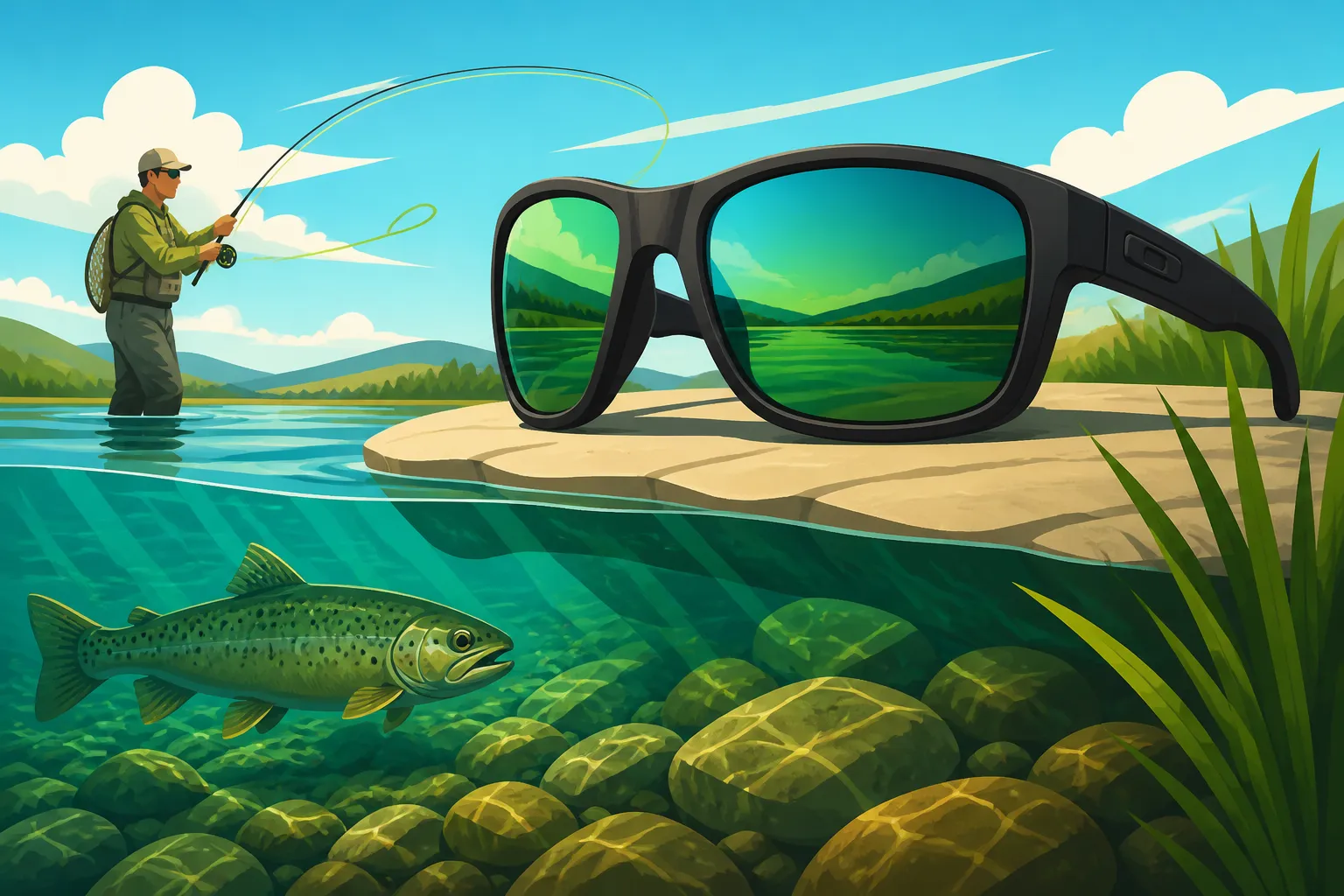
This is where polarized lenses become your best friend. Unlike standard tinted lenses, polarized lenses have a special chemical filter that absorbs horizontal light waves—the very ones that cause glare—while allowing vertical light waves to pass through. Imagine a tiny Venetian blind built into the lens; it's blocking light from certain angles. This selective filtering is what makes all the difference. When you put on a pair of good polarized sunglasses, you'll immediately notice the surface glare dramatically diminish, almost as if someone pulled a curtain back from the water.
This ability to cut glare doesn't just make seeing easier; it literally allows your eyes to penetrate the water column. Suddenly, you can distinguish individual rocks, notice changes in bottom contour, or, most importantly, spot fish holding in cover or cruising along a weed line. For targeting wary fish that rely on clear vision, like walleye or bass in clear Kansas lakes, this is an absolute game-changer. It enhances contrast and depth perception, turning that shimmering, impenetrable surface into a window to the underwater world. Kansas Walleye Fishing Techniques or Kansas Bass Fishing Guide often rely on this visual advantage.
Key Features to Look for in Sight Fishing Sunglasses
Choosing the right pair of sunglasses for sight fishing in clear water isn't about picking the most expensive or the most fashionable. It's about functionality, durability, and how well they perform under specific conditions. You're looking for tools that give you an edge, not just eye protection. Considering how much time you spend squinting at the water, investing in the right features will pay dividends in fish caught and reduced eye strain.
Lens Material and Clarity: Glass vs. Polycarbonate
When it comes to the actual lens material, you generally have two main choices: glass or polycarbonate. Both have their advantages and disadvantages, and the "best" choice often comes down to personal preference and how you fish.
- Glass Lenses: These are often considered the gold standard for optical clarity. Glass offers superior scratch resistance, meaning your lenses will stay clearer for longer, even with accidental rubs against clothing or boat surfaces. The clarity and distortion-free view through high-quality glass lenses are truly exceptional, allowing for the most precise sight fishing. However, glass is heavier than polycarbonate, which can be a factor for long days on the water, potentially causing discomfort or pressure points. They are also more susceptible to shattering upon impact, which could be a concern if you're prone to dropping your gear or if you fish in situations where impact is a real possibility.
- Polycarbonate Lenses: These lenses are significantly lighter and far more impact-resistant than glass. If you're an active angler, maybe constantly moving around in a boat or even fishing from a Kansas Kayak Fishing Gear Guide, polycarbonate offers a robust solution that can withstand drops and bumps. While historically slightly less optically clear than glass, advancements in technology have narrowed this gap considerably. Many high-quality polycarbonate lenses now offer excellent clarity with the added benefit of being virtually shatterproof. They are, however, more prone to scratching, so diligent care is essential to maintain their performance.
For most Kansas anglers, especially those on the move or fishing from a kayak or the bank, the lighter weight and durability of polycarbonate might be the more practical choice. But if absolute, uncompromising optical clarity is your priority and you're careful with your gear, glass remains unmatched.
Lens Color Matters: Choosing for Kansas Clear Water Conditions
The color of your polarized lenses isn't just about aesthetics; it profoundly impacts how you see the underwater world. Different tints enhance contrast and manage light in various ways, making certain colors ideal for specific conditions. For clear water sight fishing in Kansas, where sun can be intense and clarity is high, specific lens colors really shine.
- Amber/Copper Lenses: These are often the go-to for clear water, bright light conditions, and especially for sight fishing. Amber and copper tints excel at enhancing contrast, making it easier to distinguish fish from their surroundings, even against light-colored bottoms. They brighten your field of vision, which is great on partly cloudy days or in lower light, but still perform exceptionally well under full sun by cutting glare. If you're trying to pick out a walleye against a rocky bottom in Milford Lake Walleye Fishing or spot a bass near a submerged log, these colors will often give you the best definition.
- Green Mirror Lenses: These lenses typically have a copper or amber base lens with a green mirror coating on the exterior. The mirror coating reflects more light, making them excellent for extremely bright, high-glare conditions, common on wide-open Kansas reservoirs under a cloudless sky. They offer superb contrast and reduce eye strain in intense sunlight.
- Gray Lenses: Gray lenses offer the most natural color rendition, meaning they don't distort colors. They're good for general-purpose use and bright conditions, effectively reducing overall light without adding color cast. While they're excellent for general outdoor activities, they don't offer the same level of contrast enhancement that amber or copper lenses do, which can be crucial for spotting subtle targets beneath the surface. For sight fishing, they might leave you wanting more.
- Yellow/Rose Lenses: These are fantastic for low-light conditions, like dawn, dusk, or heavily overcast days, as they significantly brighten your field of vision and enhance contrast. However, they can be too bright and cause eye strain in full sun and clear water, so they're generally not the primary choice for prime sight fishing during the day.
For typical clear water, sunny conditions in Kansas, a good amber, copper, or green mirror lens will give you the best performance for identifying fish and structure. Consider having a second pair with a yellow or rose tint if you frequently fish at dawn/dusk or on very cloudy days.
Here’s a quick guide to common lens colors for Kansas anglers:
| Lens Color | Ideal Conditions | Key Benefit | Best For |
|---|---|---|---|
| Amber/Copper | Bright to medium light, clear water | Maximum contrast, depth perception | Sight fishing, shallow water, varying light |
| Green Mirror | Very bright, high glare | Enhanced contrast, reduced eye strain | Large reservoirs, open water, intense sun |
| Gray | Bright light, general purpose | Natural color rendition, overall light reduction | Everyday wear, less critical sight fishing |
| Yellow/Rose | Low light, overcast | Brightens vision, boosts contrast | Dawn/dusk, heavily overcast, night fishing with lights |
Frame Fit and Coverage: Keeping the Light Out
Even the best lenses are compromised if your frames aren't doing their job. A proper fit and adequate coverage are critical for maximizing the effectiveness of polarized sunglasses. You want a frame that prevents light from leaking in from the top, sides, or bottom, as even a small amount of unfiltered light can diminish the glare-cutting benefits of the polarized lenses.
Look for styles that offer good wrap-around coverage. This design physically blocks light from entering your peripheral vision, ensuring that your eyes are solely receiving the filtered light from the lenses. Large lens sizes also contribute to better coverage. Comfort is paramount, too. You'll be wearing these for hours, so ensure they don't pinch, slip, or create pressure points. Many frames are made from lightweight, durable materials like nylon or TR90, which are designed to withstand the rigors of outdoor use, resisting bending or breaking. Some even feature rubberized nose pads and temple tips for a secure, non-slip fit, even when you're sweating or dealing with spray from the water. A secure fit means you're not constantly pushing them back up your nose, allowing you to focus on the fishing.
Top Considerations for Kansas Anglers and Clear Water
Kansas fishing presents its own unique set of opportunities and challenges, especially when it comes to clear water. Knowing these specific nuances can help you fine-tune your gear choices and maximize your time on the water. It’s not just about having any polarized sunglasses; it’s about having the right ones for the conditions you face.
Specific Challenges of Kansas Clear Water Fishing
While Kansas is famous for its vast reservoirs like Milford Lake Is the Largest Lake in Kansas and Cheney Reservoir Fishing Guide, many of these offer incredibly clear water, particularly during certain seasons or after periods of stable weather. Lakes like Wilson, often touted for its clarity, or specific areas of El Dorado Lake, demand excellent optics if you plan to sight fish. The challenges include:
- Wary Fish: In clear water, fish have a much better view of their surroundings, making them more easily spooked by shadows, sudden movements, or even visible fishing lines. Being able to spot them before they spot you is a massive advantage.
- Sun Angle and Depth: The angle of the sun changes throughout the day, and its penetration into the water varies with depth. Your sunglasses need to perform consistently, whether the sun is directly overhead or lower in the sky, and help you see into varying depths. In shallower areas, you might be looking for subtle movements or camouflaged fish. In deeper, clearer sections, you might be tracking suspended fish or finding subtle changes in the bottom.
- Structure Identification: Clear water often means you can visually identify submerged structure—rock piles, brush, timber, weed edges—that holds fish. Good polarized lenses reveal these details, helping you pinpoint prime fishing locations before you even make a cast. For effective Kansas Crappie Fishing Techniques or even Kansas Catfish Fishing Techniques, knowing where to target is half the battle.
These conditions make the investment in quality sight fishing sunglasses not just a luxury, but a strategic necessity for anglers who want to truly excel in the clear waters of Kansas.
Brands and Where to Find Them
When it comes to high-quality polarized sunglasses designed for fishing, there are several reputable brands known for their optical excellence and durability. Brands like Costa Del Mar, Maui Jim, Smith, and Oakley often come up in discussions among serious anglers. These companies invest heavily in lens technology, frame design, and overall performance that stands up to the demands of fishing.
You can often find a good selection of these premium brands at specialized outdoor retailers or large sporting goods stores like Bass Pro Shops. Walking into a store like Bass Pro Shops gives you the opportunity to try on different styles, compare lens colors in person (they often have water tanks or displays to simulate glare), and get advice from knowledgeable staff. This hands-on experience is invaluable for ensuring a comfortable and effective fit.
For those who prefer the convenience of online shopping, platforms like Amazon offer an extensive range of polarized sunglasses from various brands, often with competitive pricing and user reviews to help guide your decision. When purchasing online, always double-check the seller's reputation and return policy, and make sure the lenses are indeed polarized, as some regular tinted sunglasses might be misleadingly marketed. Pay close attention to reviews from other anglers who have used the glasses in similar conditions to Kansas clear water.
Care and Maintenance for Longevity
Investing in a good pair of polarized sunglasses is an investment in your fishing success, so it makes sense to take care of them. Proper care will ensure their optical clarity and longevity, protecting your investment.
- Cleaning Lenses: Never wipe dirty or dusty lenses with a dry cloth or your shirt, as this can scratch the delicate lens coatings (especially on polycarbonate). Always rinse them with fresh water first to remove any grit or salt spray. Then, use a dedicated lens cleaning solution or a mild soap and water, gently wiping with a clean microfiber cloth.
- Storage: When not in use, always store your sunglasses in a hard case. This protects them from being crushed, scratched, or bent in your tackle bag, boat compartment, or car. A soft pouch is better than nothing, but a hard case offers superior protection.
- Avoiding Heat: Don't leave your sunglasses on the dashboard of your car or anywhere they'll be exposed to extreme heat for extended periods. High temperatures can damage lens coatings, warp frames, and degrade the adhesive that holds lenses in place.
- Preventing Scratches: Be mindful of where you place your sunglasses. Avoid setting them face down on rough surfaces or tossing them carelessly into a boat hatch. Even minor scratches can create visual distortions and significantly reduce their effectiveness.
By following these simple care tips, your specialized sight fishing sunglasses will serve you well for many seasons on the clear waters of Kansas, helping you spot more fish and enjoy your time outdoors. You can read more about Best Rods and Reels for Kansas Fishing or Best Kayak Fishing Gear for Kansas Lakes to complete your setup.
Choosing the right polarized sunglasses for clear water sight fishing in Kansas is about empowering yourself with the ability to see what others can't. It's about turning a shimmering, reflective surface into a clear window to the vibrant underwater world, giving you a true advantage when hunting for those elusive fish.
Disclaimer
This article is for general informational purposes only and does not constitute professional advice. Laws, prices and regulations vary by location and change over time. Consult a qualified professional for guidance on your specific situation.