Kansas Walleye Minimum Length Limit of 21 Inches
It can be incredibly frustrating to reel in a beautiful walleye, only to wonder if it's long enough to keep, or worse, accidentally keep a fish that's undersized. This guide is here to clear up all that confusion surrounding the Kansas walleye minimum length limit, specifically the often-talked-about 21-inch rule, so you can fish with confidence and stay on the right side of the regulations.
Understanding the Kansas Walleye Minimum Length Limit
When you're out on the water, the last thing you want to worry about is whether that beautiful walleye you just landed meets the legal requirements. Kansas has a very specific rule regarding walleye: generally, there's a 21-inch minimum length limit. This isn't just an arbitrary number; it's a carefully considered regulation designed to protect the walleye populations that make fishing in Kansas so rewarding.
Why 21 Inches? The Biological Rationale
Many anglers ponder why certain fish species have the length limits they do. For walleye in Kansas, the 21-inch minimum isn't random. It’s a science-backed decision made by the Kansas Department of Wildlife and Parks (KDWP) to ensure the health and sustainability of the walleye fishery. The primary goal is to allow walleye enough time to mature and reproduce at least once, and often multiple times, before they can be harvested.
Think about it this way: smaller walleye, those under 21 inches, are typically still in their prime reproductive years. By protecting these fish, the KDWP helps ensure a robust spawn each year, leading to more future generations of walleye. This proactive management prevents overharvesting of younger fish and helps maintain a balanced population structure, which ultimately benefits all anglers by providing a healthier, more consistent fishing experience. It's a long-term investment in our shared natural resources, sacrificing immediate gratification for sustainable abundance. This is a key part of the broader Kansas Fishing Regulations Explained that ensure our waters remain vibrant.
What Does "Minimum Length Limit" Actually Mean?
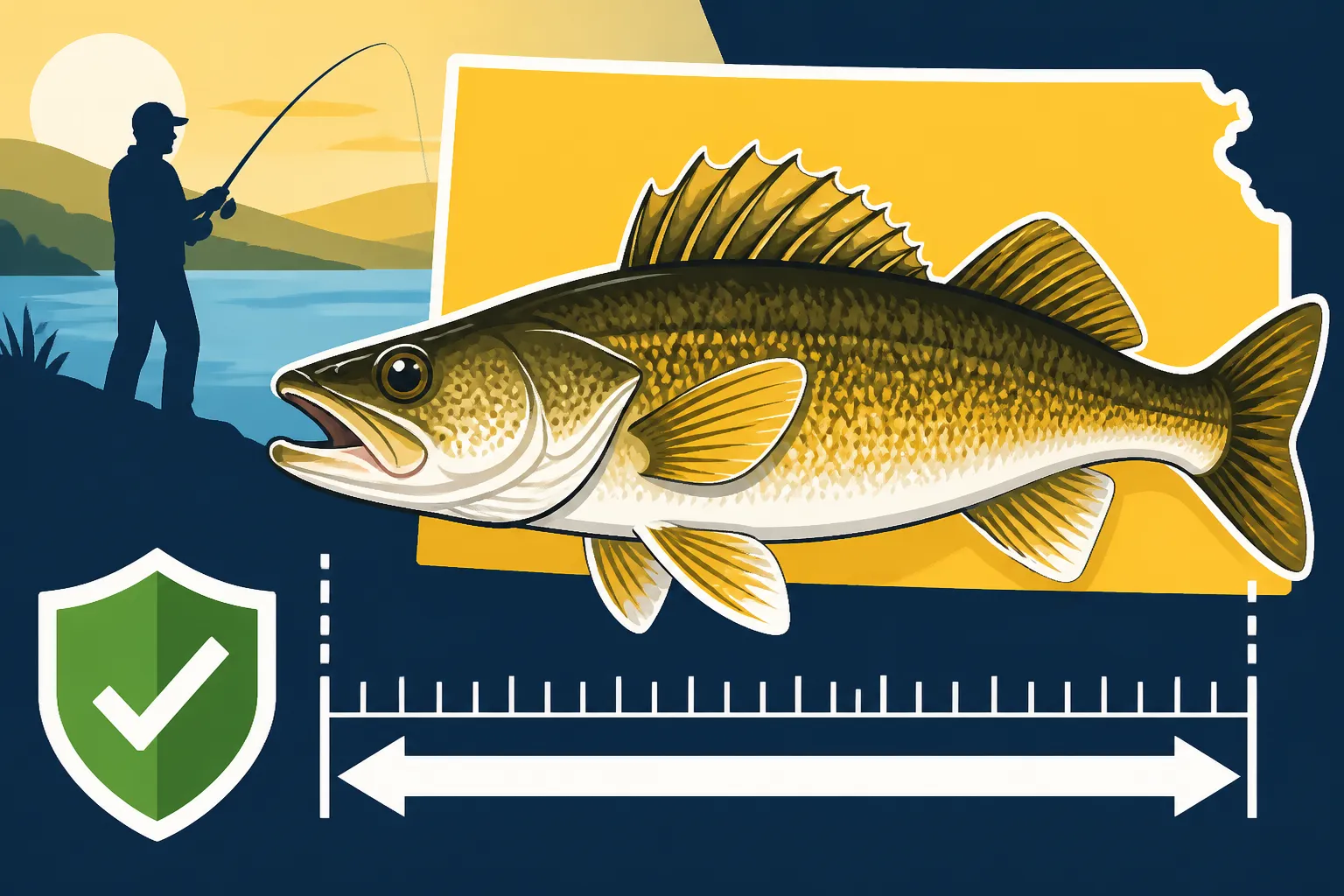
The term "minimum length limit" is pretty straightforward, but it's important to grasp its full implication. It means that any walleye you catch that measures less than 21 inches from the tip of its snout to the end of its tail, with the tail compressed, must be immediately released back into the water. No exceptions. This isn't a suggestion; it's a strict rule.
You might catch several walleye in a day, and many of them might be just shy of that 21-inch mark. It can be a real test of patience, especially when you're just a hair off. But abiding by this rule is critical. Keeping an undersized walleye, even by a fraction of an inch, can lead to serious penalties. The fish needs to be measured properly and quickly, minimizing its time out of the water. If there’s any doubt, always err on the side of caution and release the fish. The spirit of the regulation is conservation, and every released fish contributes to that goal.
The Impact on Anglers and the Fishery
This 21-inch minimum limit has a significant impact on both the walleye populations and the anglers pursuing them. For the fishery, it generally leads to a higher proportion of larger, older, and more prolific spawning fish in the lakes and reservoirs. This contributes to better genetic diversity and overall resilience of the walleye populations against environmental changes or disease.
For anglers, it means that while you might release a lot of smaller fish, the ones you do get to keep are often of a more desirable, larger size, making for a much more rewarding catch both in terms of fight and table fare. It encourages a "quality over quantity" mindset. It also means you need to be prepared with the right tools and knowledge, which we'll cover next. This minimum length rule, combined with other rules like the Kansas Walleye Daily Limit of Two Fish, shapes how and where people fish for these popular game fish, ensuring that the passion for walleye fishing can continue for generations.
Practical Application: Measuring Your Catch Accurately
Knowing the rule is one thing, but accurately applying it on a rocking boat or a muddy bank is another entirely. This is where many anglers can get into trouble, often unintentionally. Getting a precise measurement quickly and safely for the fish is absolutely paramount.
Tools and Techniques for Proper Measurement
Having the right measuring tool is the first step. A sturdy, waterproof measuring board or tape measure is essential. While a standard tape measure works, a dedicated fish measuring board (often found at sporting goods stores or online retailers like Amazon) is usually more accurate and easier to use, especially for wriggly fish. These boards often have a solid stop at one end for the fish's snout and clear, easy-to-read markings.
When you catch a walleye, the key is to measure it from the tip of the snout to the end of the compressed tail. "Compressed tail" means you gently squeeze the tail lobes together so they form a single point, rather than letting them splay out naturally. Lay the fish flat on its side on the measuring board, with its mouth against the solid stop. Gently but firmly compress the tail, and read the measurement. Do this quickly to minimize stress on the fish. For those new to fishing, learning these foundational skills is just as important as knowing Kansas Fishing Techniques for Beginners.
Common Mistakes to Avoid When Measuring Walleye
Even experienced anglers can make mistakes, especially when the excitement of a catch takes over. One of the most common errors is not compressing the tail properly. If the tail is fanned out, you'll get a shorter measurement, potentially leading you to release a legal fish or, worse, keep an illegal one if you're consistently under-measuring. Another mistake is measuring incorrectly from the gill plate or eye instead of the snout. Always snout to compressed tail.
Rushing the measurement is another pitfall. In your haste, you might not lay the fish perfectly straight, or you might misread the markings. It's better to take an extra few seconds to ensure accuracy than to face the consequences later. Also, avoid lifting the fish by its jaw or gills during measurement, as this can cause internal damage. A good technique is to cradle the fish gently, using wet hands to protect its slime coat, and keep it as close to the water as possible during the process. This meticulous approach helps keep our fish populations healthy, aligning with the spirit of Kansas Fishing Seasons and Limits.
Handling Your Catch Responsibly
Responsible catch handling is a critical part of fishing, especially when dealing with minimum length limits. If a fish is undersized, you need to release it as quickly and safely as possible to maximize its chances of survival. Always use wet hands when handling fish to protect their protective slime layer, which is their first defense against disease.
Avoid prolonged exposure to air. The longer a fish is out of water, the more stressed it becomes, and the less likely it is to survive. Use pliers or a dehooking tool to remove hooks cleanly and quickly, especially if the fish has swallowed the hook deeply. If you're struggling to remove a deeply set hook, sometimes cutting the line as close to the hook as possible is the best option, as hooks often rust out over time. Always support the fish horizontally, especially larger walleye, to protect their internal organs. Releasing a fish properly is just as important as catching it, ensuring that our waterways like those listed in the Best Fishing Lakes in Kansas remain teeming with fish.
Beyond the Minimum: Daily Creel Limits and Slot Limits
While the 21-inch minimum length limit for walleye is a major regulation in Kansas, it’s not the only one you need to be aware of. Fishing regulations often work in conjunction to create a comprehensive management plan. For walleye, the daily creel limit is equally important for responsible angling.
Kansas Walleye Daily Limit of Two Fish
In addition to the 21-inch minimum length, Kansas also enforces a daily creel limit for walleye. Typically, this limit is two fish per angler per day. This means that even if you catch ten walleye that are all over 21 inches, you can only legally keep two of them. This regulation, like the length limit, is designed to prevent overharvesting and ensure a sustainable population.
This daily limit significantly impacts your fishing strategy. If you're aiming for a few meals, two walleye can certainly provide that, especially if they're 21 inches or larger. But it also means that once you've kept your two legal fish, any subsequent legal-sized walleye you catch must be released. It fosters a different kind of angling, one where the focus isn't just on catching fish, but on making conscious decisions about what to keep and what to release. This limit is often tied directly to the Kansas Walleye Daily Limit of Two Fish topic itself, providing deeper context for anglers.
Exploring the "Why" Behind Walleye Limits
The combination of a minimum length limit and a daily creel limit for walleye is a sophisticated approach to fishery management. The 21-inch minimum protects younger, reproductively active fish, allowing them to contribute to future spawns. The two-fish daily limit then restricts the overall take of the larger, legal-sized fish, ensuring that a healthy number of these trophy-class and older, experienced spawners remain in the population.
This dual approach helps to:
- Maintain Population Structure: Ensures a mix of age classes, from young fish to mature adults.
- Enhance Spawning Success: Protects the fish that are most vital for reproduction.
- Provide Quality Opportunities: Increases the likelihood of anglers encountering larger, more challenging fish.
- Prevent Overexploitation: Guards against too many fish being removed from the system, especially in popular spots like Milford Lake Fishing Guide or Cheney Reservoir Fishing Guide.
This comprehensive strategy aims to balance angler desires with the ecological needs of the walleye, leading to a more stable and enjoyable fishing resource for everyone.
How These Rules Affect Your Fishing Strategy
Understanding these regulations deeply impacts how you approach walleye fishing. You might adjust your tackle or techniques to target larger fish specifically, knowing that anything under 21 inches needs to go back. For instance, some anglers prefer using larger baits or lures, which tend to discourage smaller fish, increasing their chances of hooking a legal-sized walleye. You can find many of these specific strategies discussed in Kansas Walleye Fishing Techniques.
It also encourages selective harvesting. Once you've landed two beautiful 21-inch+ walleye, you might switch your focus to other species or simply enjoy the thrill of catch-and-release for the rest of the day. This mindful approach not only keeps you compliant with the law but also contributes to the sustainability of the fishery. Always check the KDWP regulations for the specific body of water you're fishing, as special regulations can sometimes apply to certain lakes or reservoirs that might differ slightly from the general statewide rules.
Where to Find More Information and Stay Compliant
Staying informed is perhaps the most important aspect of responsible angling. Regulations can change, and special rules might apply to certain waters, so always having the most current information is key. Don't rely solely on what you think you remember from last year.
Official Sources and How to Access Them
The absolute best and most reliable source for Kansas fishing regulations is the Kansas Department of Wildlife and Parks (KDWP). They publish a comprehensive fishing regulations summary each year, typically available in print and digitally.
You can usually find the digital version on the KDWP website. Many anglers bookmark this page on their phones or download the PDF directly, so it's always accessible, even without cell service, which can be spotty out on some of our bigger lakes. You can also pick up a physical copy at most KDWP offices, bait shops, and some sporting goods stores that also sell Kansas Fishing License Guide. It’s an invaluable resource that covers everything from length and creel limits to equipment restrictions and special lake-specific rules. Don't head to a new spot like Wilson Lake Fishing Guide without checking their specific rules!
Consequences of Non-Compliance
Let's be real: nobody wants to deal with fines or legal trouble just for trying to enjoy a day of fishing. But ignorance of the law is no excuse. Violating fishing regulations, such as keeping undersized walleye or exceeding the daily creel limit, can lead to significant consequences. These can include:
- Fines: Monetary penalties that can range from a few hundred dollars to more, depending on the severity of the violation.
- Confiscation of Equipment: Your fishing gear, or even your boat, could be confiscated.
- Loss of Fishing Privileges: Your fishing license could be suspended or revoked, meaning you won't be able to fish legally in Kansas for a period.
- Court Appearances: Serious violations can lead to court dates and additional legal fees.
These consequences are a stern reminder of the importance of knowing and following the rules. Conservation officers are out there, and they are doing their job to protect our resources. Being caught with even one undersized walleye can quickly turn a fun day into a costly headache. For a deeper understanding of what can happen, check out Kansas Fishing Law Enforcement and Penalties.
Being a Responsible Kansas Angler
Ultimately, being a responsible Kansas angler goes beyond just following the rules; it's about contributing positively to the fishing community and the natural environment. This means being informed, practicing ethical catch-and-release for fish you don't intend to keep or that are undersized, and respecting the regulations designed to sustain our fisheries.
It also means being courteous to other anglers, properly disposing of trash, and reporting any suspicious activity that could harm our fish populations or habitats. Whether you're buying new tackle on Amazon, renewing your Kansas Resident Fishing License Cost, or helping a buddy understand the rules, every action contributes to the bigger picture. By understanding and adhering to the 21-inch minimum length limit and other regulations, you're not just avoiding penalties; you're actively participating in the conservation efforts that make Kansas a fantastic place to fish for walleye for years to come.
Here's a quick summary table of Kansas Walleye Regulations:
| Regulation Type | Statewide Rule (General) | Specifics | Importance |
|---|---|---|---|
| Minimum Length Limit | 21 inches | Must release walleye under 21 inches | Protects reproductive-aged fish; ensures future spawns |
| Daily Creel Limit | 2 fish | Can only keep two legal-sized walleye per day | Prevents overharvesting of larger fish |
| Measurement Method | Snout to compressed tail | Lay flat, mouth to stop, compress tail | Ensures accurate, consistent measurement |
| Release Protocol | Quick, wet hands, minimize air time | Use dehooking tools, support horizontally | Maximizes survival rates for released fish |
Disclaimer
Please note: Fishing regulations are subject to change. While this guide provides current information, it is the angler's responsibility to consult the latest official Kansas Department of Wildlife and Parks (KDWP) fishing regulations before heading out. Always check for any specific regulations that may apply to the particular body of water you plan to fish, as some lakes may have unique rules that differ from statewide general regulations.