El Dorado Lake Fishing Guide
Oh, El Dorado Lake! If you've ever felt that flutter of excitement mixed with a tiny bit of overwhelm looking out at such a vast expanse of water, you're not alone. This jewel of south-central Kansas offers incredible fishing, but its sheer size can make it tough to know where to start. Don't you worry, my friend. This guide is going to peel back the layers of El Dorado, revealing its secrets so you can spend less time guessing and more time reeling in those fantastic Kansas catches.
Why El Dorado Lake is a Kansas Angler's Dream
El Dorado Lake, nestled just east of the city of El Dorado in Butler County, isn't just a pretty face with its stunning limestone bluffs and clear waters. It’s a fishing paradise, a true multi-species marvel that consistently ranks as one of the top angling destinations in the state. For many of us who call Kansas home, or even those just passing through, El Dorado is a mandatory stop on any serious fishing itinerary. It’s got that unique blend of challenge and reward, making every trip feel like an adventure.
A Versatile Fishery for Every Style
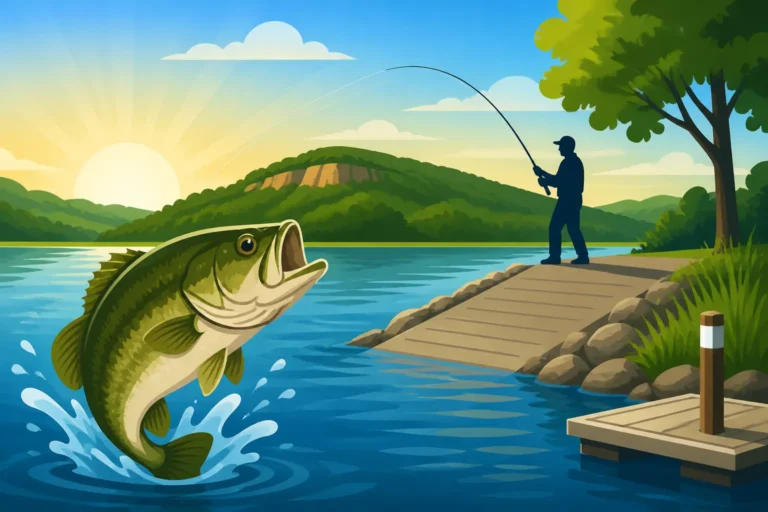
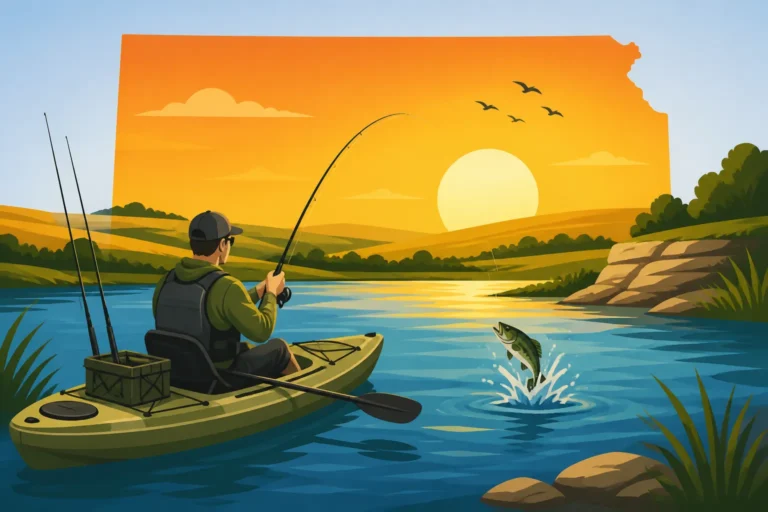
What makes El Dorado Lake so special is its incredible versatility. Whether you’re a seasoned angler with a fully rigged bass boat, a family looking for a relaxing day of bank fishing, or someone who loves the quiet solitude of a kayak, this lake has something for you. With over 8,000 surface acres of water at normal pool and a staggering 98 miles of shoreline, there's ample room for everyone without feeling crowded. The diverse habitat, ranging from rocky main lake points and steep bluffs to timbered coves and expansive flats, means that different fish species thrive here, offering a variety of fishing experiences.
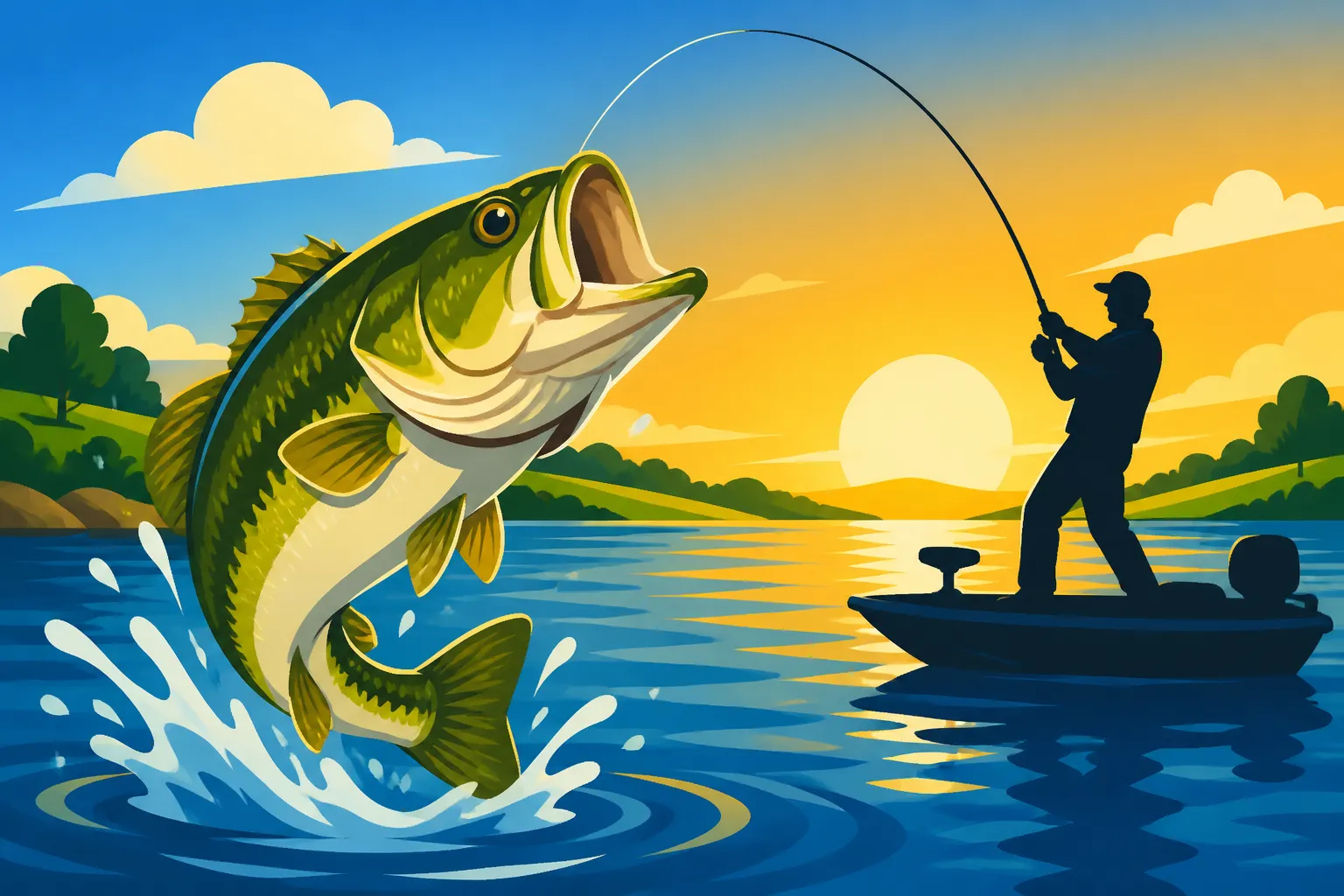
You can spend a morning casting for aggressive largemouth bass in submerged cedar trees, switch to drifting cut bait for giant blue catfish in the afternoon, and then finish the day trolling for hard-fighting hybrid striped bass (wipers) as the sun sets. This kind of multi-species opportunity isn't common everywhere, and it’s why El Dorado holds a special place in the hearts of many Kansas anglers. It truly caters to every preference, whether you're chasing trophies or just looking for a cooler full of fillets. This lake truly offers a smorgasbord of fishing opportunities, ensuring that no matter your preferred style or target species, you'll find a rewarding challenge here.
Beyond the Fish: Amenities and Scenery
Beyond the incredible fishing, El Dorado Lake offers an exceptional all-around outdoor experience. The lake is surrounded by the expansive El Dorado State Park, which provides a fantastic infrastructure for visitors. Imagine waking up at your campsite in the early morning, the mist still clinging to the water, and being just steps away from launching your boat or casting from shore. The park boasts numerous campgrounds, ranging from primitive sites to those with full hookups, making it easy to extend your fishing trip into a full-fledged family vacation.
There are also plenty of well-maintained boat ramps dotted around the lake, ensuring easy access regardless of where you plan to fish. For those who prefer to stay on dry land, numerous public fishing piers and accessible shoreline areas are available, perfect for bank anglers or families with young children. The scenic beauty of the lake, with its dramatic limestone outcroppings and clear water, adds another layer of enjoyment to every outing. Even if the fish aren't biting, the stunning views and tranquil atmosphere are enough to make the trip worthwhile. Plus, amenities like picnic areas, hiking trails, and swimming beaches mean there's always something to do, even for the non-anglers in your group. It’s truly a gem that offers a complete outdoor escape right here in the heart of Kansas.
Understanding El Dorado's Key Fish Species
El Dorado Lake is renowned for its diverse fishery, hosting a remarkable variety of game fish that keep anglers coming back season after season. Knowing what lurks beneath the surface and understanding their habits is key to successful fishing. This lake isn't just about one or two species; it's a vibrant ecosystem where multiple fish thrive, each offering a unique challenge and reward.
Battling the Bass: Largemouth and Smallmouth
For many anglers, bass fishing is the holy grail, and El Dorado Lake delivers spectacularly. It’s home to both largemouth and smallmouth bass, offering distinct challenges and experiences.
Largemouth Bass: The Elusive Lunker
Largemouth bass are the classic sportfish, known for their aggressive strikes and powerful fights. At El Dorado, you'll find them holding tight to cover, especially in the northern, more timbered sections of the lake. Areas with standing timber, submerged brush piles, and even flooded creek channels are prime real estate for these green monsters. They love ambush points, so look for them around points, humps, and coves that offer easy access to deeper water while still providing plenty of cover.
During the spring, as water temperatures rise, largemouth move into shallower bays and coves to spawn. This is an exciting time for topwater action and sight fishing with soft plastics or jigs. As summer heats up, they'll retreat to deeper, cooler water, often suspending around baitfish schools or holding on deep structure. Fall sees them aggressively feeding in preparation for winter, making them highly susceptible to crankbaits and spinnerbaits in transition areas. Targeting these fish requires patience and a good understanding of their preferred habitats throughout the year, but the reward of a hard-fighting El Dorado lunker is truly unparalleled. You can learn more about El Dorado Lake Bass Fishing to hone your skills.
Smallmouth Bass: The Rocky Fighters
Smallmouth bass, often called "bronze backs," offer a different kind of fight. They prefer rocky environments, which El Dorado Lake has in abundance, especially along its western and southern shores. Look for them around riprap, rocky points, bluff walls, and submerged rock piles. Smallmouth are known for their strong, sustained runs and acrobatic jumps, making them a thrill to catch on lighter tackle. Unlike largemouth that prefer heavy cover, smallmouth often roam more openly over rocky bottom, chasing baitfish.
They are particularly active in cooler water, making spring and fall excellent times to target them. Jerkbaits, small crankbaits, tubes, and swimbaits are all effective presentations. During the summer, they might move deeper, but they'll still relate to rocky structure. Understanding the nuances between these two bass species—largemouth’s love for wood and weeds, smallmouth’s preference for rock—will greatly increase your chances of success at El Dorado Lake. Their distinct preferences in terms of habitat mean you’ll often find them in different areas, requiring a slight adjustment in your approach.
Chasing the Catfish: Channel, Flathead, and Blue
El Dorado Lake is a premier destination for catfishing enthusiasts, boasting a fantastic population of channel, flathead, and blue catfish. These whiskered warriors offer powerful fights and, let's be honest, make for some mighty fine eating.
Channel Catfish: The Abundant Fighters
Channel catfish are by far the most numerous catfish species in El Dorado Lake. They are incredibly adaptable and can be found almost anywhere, from shallow flats to deep creek channels. They are voracious eaters, often biting on a wide variety of baits, making them a fantastic target for anglers of all skill levels. Stink baits, cut bait, shad guts, shrimp, and even hot dogs can be effective.
You'll find them congregating in areas with submerged timber, around humps, and in the main lake's creek channels. During the spring and early summer, they move into shallower areas to spawn, often in riprap or rocky crevices, making them easier to target from the bank. As the water warms, they'll spread out, but consistent success can be found by focusing on the deeper parts of coves and creek channels. Remember to check the Kansas Catfish Daily Limits before you head out, as limits can vary.
Flathead Catfish: The Ambush Predators
Flathead catfish are the true titans of El Dorado, known for their massive size and preference for live bait. These impressive fish are ambush predators, often hiding in heavy cover like submerged log jams, brush piles, or undercut banks, waiting for an unsuspecting meal to swim by. Unlike channel cats, flatheads primarily feed on live fish, so a frisky bluegill, sunfish, or shad is your best bet.
Finding flatheads requires patience and a willingness to fish heavy cover. Targeting them at night, especially during the warmer months, can be incredibly productive. Look for them in the deeper sections of the river arms and main lake points that have access to substantial timber. A stout rod, heavy line, and a large circle hook are essential for landing these powerful fish, which can easily reach 40 pounds or more in El Dorado. The thrill of hooking into one of these monsters is an experience every catfisherman dreams of.
Blue Catfish: The River Giants
While not as prolific as channel cats, El Dorado Lake does hold a growing population of blue catfish, especially in its deeper, more open water areas and the old river channels. Blue cats are known for their schooling behavior and their preference for fresh cut bait, particularly shad. They are strong fighters and can also reach impressive sizes, often exceeding 50 pounds in Kansas waters.
To target blue catfish, focus on the main lake points, humps, and deep ledges where they can intercept schools of baitfish. They often suspend in the water column, making a good fish finder invaluable. Drifting cut bait over these structures or anchoring on a deep hump and fanning out multiple lines can be effective. Like flatheads, blue cats offer a formidable challenge and an incredible reward, solidifying El Dorado Lake's reputation as a top-tier catfishing destination. The growing presence of these river giants adds another exciting dimension to the lake's diverse fishery.
Hooking Hybrid Striped Bass (Wipers) and White Bass
If you’re looking for fast-paced, high-energy action, then the hybrid striped bass (often called "wipers") and white bass at El Dorado Lake are your ticket. These aggressive schooling fish provide some of the most exciting fishing experiences you can have.
Hybrid Striped Bass (Wipers): The Hard-Fighting Crossbreeds
Wipers are a cross between a white bass and a striped bass, and they inherit the best fighting qualities of both. They are powerful, hard-hitting fish that grow to impressive sizes, often reaching well over 10 pounds in El Dorado. Wipers are typically found in the main body of the lake, particularly around points, humps, and the dam area, where they can ambush schools of shad and other baitfish.
They are incredibly aggressive and will readily strike a variety of lures, including spoons, swimbaits, large crankbaits, and topwater plugs during feeding frenzies. Early morning and late evening are often prime times, but during active feeding, they can be caught all day. Many anglers find success by trolling deep-diving crankbaits or casting out jigging spoons into schooling fish. When a wiper hits, hold on tight—they pull like freight trains! For more detailed tactics, check out this guide on El Dorado Lake Striped Bass Fishing, which also applies well to wipers.
White Bass: The Feisty Schooling Machines
White bass, though smaller than wipers, offer incredible action, especially when they are schooling and feeding on the surface. These feisty fish are abundant in El Dorado Lake and are often found in large schools chasing baitfish. During the spring, they make significant spawning runs up the Walnut River arm and other feeder creeks, creating incredible bank fishing opportunities.
Throughout the warmer months, white bass will roam the main lake, often busting bait on the surface, which is a thrilling sight to behold. When you see them splashing and boiling, cast a small spoon, jig, or topwater popper into the fray, and you're almost guaranteed a strike. They are also easily caught by trolling small crankbaits or casting small jigs in open water. While individual fish may not be huge, catching multiple white bass in quick succession is a blast and a fantastic way to fill a cooler for a delicious fish fry. They are a perfect target for anglers looking for consistent action and a lot of fun.
Targeting Crappie and Other Panfish
Crappie and other panfish provide a more subtle, yet equally rewarding, fishing experience at El Dorado Lake. They are excellent table fare and offer fantastic light-tackle action.
Crappie: The Delicious Delicates
El Dorado Lake is known for its healthy population of both black and white crappie. These schooling fish are highly sought after for their delicate white meat and fun-to-catch nature. Crappie are masters of relating to structure, especially standing timber, submerged brush piles, bridge pilings, and stake beds.
In the spring, crappie move into shallow water to spawn, often found in coves and bays with woody cover. This is a prime time for vertical jigging with small jigs (1/32 to 1/16 ounce) tipped with minnows or soft plastics, or using a slip bobber rig. As summer progresses, they'll move to deeper brush piles and timber lines, often suspending in the water column. Fall sees them aggressively feeding again, preparing for winter. Understanding the Kansas Crappie Length and Bag Limits is important, as these can fluctuate based on specific water body management plans. Consistent catches can be made by locating these fish with a good fish finder and presenting baits precisely to their depth.
Other Panfish: Bluegill and Redear Sunfish
While crappie get a lot of the spotlight, El Dorado Lake also offers good fishing for other panfish species like bluegill and redear sunfish. These smaller, colorful fish are perfect for young anglers or anyone looking for consistent bites on ultra-light tackle. You’ll find them in shallower, weedier areas, around docks, and in coves with submerged vegetation or brush.
Worms, crickets, and small artificial lures like tiny jigs or spinners are irresistible to them. They are generally less pressured than crappie and bass, offering a relaxed fishing experience. Redear sunfish, in particular, are known for their preference for snails and often hang out near the bottom in areas with shell beds. Catching a stringer of plump bluegill or redear can be just as satisfying as a trophy bass, especially when shared with friends and family. They are a delightful bonus to the El Dorado Lake fishery.
| Fish Species | Preferred Habitat/Structure | Best Baits/Lures | Peak Seasons |
|---|---|---|---|
| Largemouth Bass | Standing timber, brush piles, submerged cover, coves | Jigs, soft plastics, crankbaits, spinnerbaits, topwater | Spring, Fall |
| Smallmouth Bass | Rocky points, riprap, bluff walls, submerged rock | Jerkbaits, tubes, small crankbaits, swimbaits | Spring, Fall |
| Channel Catfish | Creek channels, humps, timbered coves, shallow flats | Stink bait, cut bait, shrimp, shad guts | Spring, Summer |
| Flathead Catfish | Log jams, heavy timber, undercut banks, deep channels | Live bluegill, sunfish, shad | Summer (especially at night) |
| Blue Catfish | Main lake points, deep ledges, old river channels | Fresh cut bait (shad) | Summer, Fall |
| Hybrid Striped Bass (Wipers) | Main lake points, humps, dam area, open water | Spoons, swimbaits, large crankbaits, topwater | Spring, Summer, Fall |
| White Bass | Main lake (schooling), river arms (spawning), coves | Small spoons, jigs, inline spinners, topwater | Spring (runs), Summer (surface activity) |
| Crappie | Standing timber, brush piles, bridge pilings, stake beds | Small jigs (tipped with minnows/plastics), slip bobbers | Spring, Fall, Winter (deep) |
| Bluegill/Redear Sunfish | Shallow weeds, docks, submerged vegetation, shell beds | Worms, crickets, tiny jigs, small spinners | Spring, Summer |
Top Fishing Spots and Structures on El Dorado Lake
El Dorado Lake is a large and complex body of water, and understanding its various zones and the types of structure within them is crucial for consistent fishing success. It’s not just about randomly casting a line; it's about breaking down the lake into manageable sections and knowing where each species is likely to hang out.
Navigating the Main Lake and River Arms
El Dorado Lake is essentially divided into several distinct zones, each offering unique fishing characteristics. The main lake body, particularly the southern and western portions, tends to be deeper and rockier, with impressive limestone bluffs and long points extending into the water. This is prime territory for smallmouth bass and those aggressive wipers that roam the open water. The "river arms," primarily the Walnut River arm in the north, are generally shallower, muddier, and feature more standing timber, making them excellent for largemouth bass, crappie, and a variety of catfish.
Understanding the Main Lake Dynamics
The main lake often presents clearer water and is subject to more wind and wave action. Here, fish tend to relate to hard structure—rock piles, riprap along the dam or causeways, and steep bluff walls. Points that extend far into the lake, especially those with varying depths, act as highways for migrating baitfish and ambush points for predators. Anglers targeting wipers will often focus on the open water of the main lake, looking for schooling activity or trolling across large flats. The area near the dam is a perennial hotspot for wipers and white bass, particularly when water is being released or on windy days that push baitfish into the area. Understanding how the wind impacts these main lake areas, pushing bait and fish, can be a game-changer for anglers.
Exploring the River Arm Opportunities
The northern reaches of the lake, particularly the Walnut River arm, contrast sharply with the main lake. This area is characterized by vast expanses of standing timber, submerged brush, and shallower water. These features provide excellent cover and forage for largemouth bass, channel catfish, and crappie. As the water warms in spring, these shallow, timbered coves become magnets for spawning fish. Later in the season, the dense cover offers refuge from the summer heat and angler pressure.
Navigating the timber can be challenging, but it’s often where the biggest fish hide. Using a trolling motor with spot-lock technology is a huge advantage here, allowing you to pick apart individual tree lines and brush piles. The transition zones, where the timbered areas meet the deeper creek channels, are also incredibly productive, offering both cover and access to deeper water. Don't be afraid to venture deep into the timber; that's often where the biggest rewards lie, especially for largemouth and slab crappie.
Hotspots for Specific Species
While fish can be found throughout the lake, certain areas consistently produce for specific species due to their unique habitat. Knowing these hotspots can dramatically cut down your search time.
Bass Havens: Rock, Riprap, and Timber
For largemouth bass, the timbered coves and creek channels in the upper Walnut River arm are legendary. Look for dense stands of submerged cedar trees and brush piles, especially those near deeper water access. Popular coves like those near Bluestem Point and the areas around the upper river bridge are excellent starting points. For smallmouth bass, concentrate your efforts on the rocky main lake points and riprap along the dam. Areas like the eastern shore’s bluff lines and the points around State Park areas often hold good numbers of smallmouth. Look for chunk rock and gravel bottoms where baitfish congregate.
Catfish Factories: Channels, Humps, and Deep Timber
Catfish, especially the larger flatheads and blues, are often found relating to the deepest parts of the old river channels and submerged humps throughout the lake. The main river channel of the Walnut River, which winds its way through the lake, is a prime highway for these giants. Look for distinct depth changes, especially where the channel swings close to a timbered bank. For channel catfish, many of the deeper coves with a mix of timber and mud bottom, particularly in the river arms, are highly productive. During the spawn, even the riprap along the causeways can be phenomenal for channel cats. Don't overlook the deep holes near the dam structure, as these can hold large blues and flatheads, especially during periods of current.
Wiper and White Bass Feeding Grounds: Main Lake & Dam
Wipers and white bass are largely pelagic, meaning they roam the open water, but they often concentrate in areas where baitfish are abundant or where current is present. The main lake body, particularly the large, open flats and humps in the central and southern sections, is a primary hunting ground. The area immediately below the dam, when water is being released, can be an absolute frenzy for these fish. Additionally, any major points or underwater humps that funnel baitfish can be excellent. Keep an eye out for active surface feeding ("busting") during early morning or late evening. A good fish finder is indispensable for locating these schools when they aren't on the surface.
Crappie Condos: Brush Piles and Standing Timber
Crappie are suckers for cover. The standing timber and numerous brush piles, both natural and man-made, are the best places to find them. The upper Walnut River arm is particularly rich in crappie habitat. Many anglers have deployed their own "crappie condos" in various coves, and learning these community spots can pay dividends. Look for submerged brush piles in 10-25 feet of water, especially those located on points or along old creek channels. In spring, they'll be shallower, around shoreline brush and flooded trees. As the seasons change, crappie will move deeper or shallower, but they’ll almost always be associated with some form of vertical cover.
Understanding the Role of Submerged Cover and Habitat
Successful fishing at El Dorado Lake isn't just about finding fish; it's about understanding why fish are in certain places. Submerged cover and habitat are the bedrock of a productive fishery.
Man-Made and Natural Structure
El Dorado Lake benefits from a mix of natural and man-made structures. The natural limestone bluffs, rocky points, and creek channels provide inherent habitat. However, the Kansas Department of Wildlife, Parks and Tourism (KDWPT) has also actively enhanced the lake with artificial fish attractors, including cedar tree brush piles and stake beds, which are marked by buoys in some locations. These attractors are essentially fish magnets, providing cover for baitfish and ambush points for predators.
Beyond these marked locations, anglers often discover their own hidden gems: old roadbeds that cross the lake bottom, remnants of flooded farm structures, or even natural rock formations that aren't on standard maps. Learning to read your electronics to identify these subtle changes in the bottom contour or unexpected clusters of timber is a skill that will greatly improve your catch rates. Fish, especially crappie and bass, will often orient themselves directly to these structures, making them easier to target once found.
The Importance of Hydrology and Forage
The water levels and clarity, as well as the abundance of forage (mainly shad), play a huge role in fish behavior at El Dorado. High water levels can flood new terrestrial vegetation, creating temporary shallow cover that fish will exploit. Lower water levels can expose structure, making it easier to identify, but also concentrating fish in deeper areas. The KDWPT regularly stocks shad and manages the forage base, which directly impacts the health and growth rates of game fish.
Understanding how baitfish move – often influenced by wind, temperature, and current – will help you locate the predators that feed on them. Look for signs of baitfish on your fish finder, or even visual cues like diving birds or surface boils. Where there's bait, there are usually game fish not far behind. Paying attention to these subtle environmental cues can be just as important as knowing the "hotspots" themselves. Always keep an eye on water conditions, recent rainfall, and lake levels as these factors dictate where fish will be holding.
Essential Techniques for Success at El Dorado
Having identified the species and where they live, the next step is knowing how to catch them! El Dorado Lake demands a diverse skill set, as different species and seasonal conditions call for varying approaches. Don't be afraid to experiment; sometimes the most unexpected technique can unlock a banner day.
Mastering Bass Techniques
Whether you're chasing largemouth in the timber or smallmouth on the rocks, having a solid arsenal of bass techniques is crucial.
Soft Plastics: Versatility for Any Situation
Soft plastics are perhaps the most versatile lure category for bass fishing at El Dorado. Worms, creature baits, and senkos rigged Texas-style or wacky-style are incredibly effective for probing heavy cover or working subtle structure. For largemouth in the timber, a Texas-rigged creature bait (like a Zoom Brush Hog or a Strike King Rage Craw) with a pegged weight is almost unbeatable. It allows you to punch through dense cover without snagging. Pitching these baits into gaps in the timber or around isolated brush piles can yield big bites.
For smallmouth on rocky points, a shaky head jig with a finesse worm or a drop shot rig is deadly. These techniques allow you to present a bait subtly on the bottom, enticing finicky smallmouth. Vary your retrieve, trying slow drags, subtle shakes, and short hops to see what the fish prefer. The key with soft plastics is often patience and paying close attention to subtle bites – sometimes it's just a slight "thump" or the line moving sideways.
Crankbaits and Spinnerbaits: Covering Water and Triggering Strikes
When fish are active and you need to cover a lot of water, crankbaits and spinnerbaits are your best friends. Medium-diving crankbaits (like a Rapala DT10 or a Strike King KVD 2.5) are excellent for fishing rocky points and ledges for smallmouth and active largemouth in the spring and fall. Chartreuse and shad patterns are often top producers. Vary your retrieve speed and occasionally "kill" the bait, letting it float or suspend to trigger strikes from following fish.
Spinnerbaits (like a Booyah Pond Magic or a Stanley Vibra-Shaft) are fantastic for fishing shallow, stained water and around sparse cover in the river arms. Their flash and vibration can draw bass from a distance, especially on cloudy days or when the water is choppy. Single Colorado blade spinnerbaits excel in dirty water or when slow-rolling, while tandem willow leaf blades are better for speed and flash in clearer water. Both crankbaits and spinnerbaits are excellent tools for quickly locating active bass before switching to more precise, slower presentations.
Topwater: The Thrill of the Exploding Strike
Nothing quite gets the adrenaline pumping like a bass exploding on a topwater lure. Topwater fishing is most effective during low-light conditions (early morning, late evening) or on overcast days, particularly in the spring and fall. Poppers, walking baits (like a Heddon Zara Spook), and hollow-body frogs (for dense matted vegetation, though less common at El Dorado) are excellent choices.
Target areas with calm water, such as protected coves, shallow flats adjacent to deeper water, or around isolated pieces of timber. A slow, deliberate retrieve is often key, allowing the bait to pause and draw attention. The anticipation of a topwater strike is immense, and when it happens, it's often violent and unforgettable. El Dorado’s clear water sections can offer incredible topwater action when conditions are right, particularly for smallmouth bass around rocky points.
Effective Catfishing Strategies
Catfishing at El Dorado Lake can be incredibly rewarding, whether you're targeting numbers of channel cats or trophy flatheads and blues. Your approach will vary significantly depending on the species.
Bottom Rigs: The Tried and True Method
For channel catfish and blue catfish, bottom rigs are the standard. A simple slip-sinker rig, consisting of an egg sinker (or no-roll sinker) above a swivel, a leader, and a circle hook, is highly effective. This allows the fish to pick up the bait and run without feeling the weight of the sinker. Bait your hook with stink bait, cut shad, shrimp, or even prepared baits like Catfish Charlie or Uncle Josh. Cast your lines to various depths and structures – along creek channels, on humps, or in timbered coves – and wait for the distinctive pull.
When using circle hooks, resist the urge to set the hook hard. Instead, let the fish take the bait and then simply reel down until the line comes tight. The circle hook is designed to set itself in the corner of the fish's mouth, minimizing deep hooking and making for easier release if desired. Fishing multiple rods with different baits and at varying depths can help you quickly determine what the catfish are biting on and where they are holding.
Live Bait for Flatheads: Patience is Key
Flathead catfish are primarily piscivores, meaning they prefer live fish. A frisky bluegill, sunfish, or even a small carp rigged on a large circle hook (6/0 to 8/0) is the most effective bait. Rig your live bait so it stays lively and attractive. A common setup is to hook the bait through the lips or just behind the dorsal fin, allowing it to swim naturally. Use a heavy slip-sinker rig or a three-way swivel rig to keep the bait near the bottom in prime flathead territory.
Fishing for flatheads requires patience. They are ambush predators, so you’re waiting for a large fish to find your offering. Target areas with heavy cover like log jams, deep brush piles, or undercut banks, often in the river arms. Night fishing is particularly effective for flatheads, as they become more active hunters after dark. A heavy-duty rod and reel, spooled with strong braided line, are essential to have any hope of landing one of these powerful fish from dense cover.
Trotlines and Jug Fishing: Passive but Productive
For serious catfishermen, trotlines and jug lines can be incredibly productive at El Dorado Lake, allowing you to cover more water and present multiple baits. However, be sure to thoroughly understand and follow the Kansas Fishing Regulations Explained regarding these methods, as there are specific rules about the number of hooks, length, and tagging requirements.
Trotlines involve a main line stretched across a body of water or suspended beneath the surface, with multiple baited hooks attached at intervals. Jug lines are individual lines attached to a floating jug, allowing them to drift with the current or wind. Both methods are excellent for targeting channel and blue catfish, and sometimes flatheads if live bait is used. These are passive fishing methods, meaning you set them and then check them periodically, making them ideal for covering large areas, especially overnight.
Trolling and Casting for Wipers and White Bass
Wipers and white bass are often found schooling and actively feeding, making them a blast to catch with both trolling and casting techniques.
Trolling: Covering Water and Finding Schools
Trolling is an incredibly effective way to locate and catch wipers and white bass at El Dorado Lake, especially when they aren't actively busting on the surface. Use medium to deep-diving crankbaits (like Bandits, Flicker Shads, or Wally Divers) in shad or chartreuse patterns. Experiment with different depths and speeds until you find the fish. Trolling speeds typically range from 2.5 to 3.5 mph, but sometimes faster or slower is required.
Focus your trolling runs over main lake points, submerged humps, and along the old river channels. Pay close attention to your fish finder; once you locate a school of fish, you can make repeated passes over that area. Varying the color and size of your crankbaits on different lines can help you dial in what the fish are preferring on a given day. Trolling is a great way to explore large sections of the lake and is often the most consistent method for catching good numbers of wipers.
Casting: Targeting Active Feeders
When wipers and white bass are actively schooling on the surface, casting is the most exciting way to catch them. Keep a casting rod rigged and ready with a small jigging spoon (like a Kastmaster or a Johnson Silver Minnow), a white or chrome lipless crankbait, or a topwater popper. When you see fish crashing the surface, motor over (at a safe distance to avoid spooking them) and cast into the feeding frenzy.
The key is to get your lure into the action quickly. Work the spoon or lipless crankbait with a fast retrieve, incorporating a "stop and go" action to mimic a wounded baitfish. For topwater, a fast retrieve with occasional pauses can be deadly. Often, these surface feeding events are short-lived, so maximizing your casts while the action is hot is important. Even when fish aren't busting, casting spoons or jigs to main lake points or humps can entice strikes from wipers holding deeper in the water column. The aggressiveness of these fish means they'll often chase down a fast-moving lure.
Crappie Fishing: Jigs, Minnows, and Brush Piles
Crappie fishing at El Dorado Lake can be incredibly rewarding, yielding delicious fillets and steady action if you know where to look and what to use.
Vertical Jigging: Precision in Cover
Vertical jigging is perhaps the most precise and effective method for catching crappie, especially when they are holding tight to submerged cover like brush piles or standing timber. Use lightweight spinning gear with 4-6 lb test line. Employ small jigs (1/32 to 1/16 ounce) tipped with soft plastic bodies (like Bobby Garland crappie jigs or Johnson Crappie Busters) or small minnows.
Position your boat directly over the brush pile or timber and use your fish finder to identify the depth where the crappie are holding. Lower your jig directly into the cover, working it slowly up and down, just above and through the fish. The bites can be incredibly subtle—sometimes it's just a slight "mushy" feeling or the line going slack. Keep a variety of jig colors and styles on hand, as crappie can be picky. Chartreuse, white, and black/chartreuse are classic confidence colors. This method requires patience and a delicate touch but is incredibly effective for pulling crappie out of dense cover.
Slip Bobbers: Versatility for Shallow and Deep
Slip bobbers offer a versatile way to present jigs or live minnows at a precise depth, whether crappie are shallow in spring or suspended deeper. A slip bobber allows you to cast your bait out even with a long leader, as the bobber slides down to a pre-set bobber stop on your line. This is particularly useful for fishing around the edges of brush piles or submerged trees where direct vertical jigging might be difficult due to casting distance.
Rig a small jig or a plain hook with a minnow under a slip bobber. Adjust your bobber stop to position your bait just above the depth where you're seeing crappie on your electronics or where you suspect they're holding. The visual cue of a bobber disappearing is exciting, and it’s a great way to fish multiple depths simultaneously by varying your bobber stops. This technique is also excellent for bank anglers targeting crappie around shoreline cover.
Spider Rigging: The Crappie Search Method
For anglers with a boat, spider rigging is a highly effective method for covering water and presenting multiple baits to crappie, especially when they are spread out or during slower periods. This involves deploying multiple long rods (often 10-16 feet) from the front or sides of the boat, fanning them out like a spider’s legs. Each rod is typically rigged with a jig or a minnow, and the boat moves slowly, often with an electric trolling motor.
Spider rigging allows you to present baits at different depths and distances from the boat, covering a wide swath of water. This is particularly effective for locating schools of crappie in large coves or along creek channel edges. Once a fish is caught, you can then focus more intently on that depth and area. This method is popular during cooler months when crappie are less active and scattered, requiring anglers to literally "find" them.
Seasonal Fishing Breakdown at El Dorado Lake
El Dorado Lake offers fantastic fishing year-round, but a successful trip often hinges on understanding how fish behavior changes with the seasons. Each season presents unique opportunities and challenges, and adapting your tactics accordingly is key. This detailed seasonal guide will help you plan your trips for maximum success. This aligns well with general Kansas Fishing Seasons Guide.
Spring: Spawning Frenzy and Shallow Action
Spring is arguably the most exciting time to fish El Dorado Lake, as warming water temperatures trigger a flurry of activity and the annual spawn.
Pre-Spawn Build-Up
As ice recedes (if present) and water temperatures climb into the 40s and 50s (Fahrenheit), fish begin to shake off their winter sluggishness. Crappie and white bass are often the first to become active, moving towards shallower areas in the northern river arms and protected coves. Largemouth and smallmouth bass will follow, staging on points and secondary channels leading into spawning flats. This pre-spawn period is characterized by fish feeding heavily, trying to pack on calories for the upcoming spawn.
Look for crappie around submerged brush and standing timber in 8-15 feet of water, gradually moving shallower. White bass will stage in creek channels before making their spawning runs up the Walnut River. Wipers will often be found near the dam or on main lake points, chasing shad. Medium-diving crankbaits, jigging spoons, and jigs tipped with minnows are excellent choices during this time. The fish are often aggressive, making for some fast-paced action.
The Spawn: Shallow Water Explosions
Once water temperatures reach the upper 50s to low 60s, the spawn truly kicks into gear. This is when crappie move into incredibly shallow water, often just a few feet deep, seeking woody cover in protected coves. Largemouth bass will also be found shallow, building and guarding nests. Smallmouth bass will seek out rocky areas for their spawning activities.
This is a prime time for sight fishing for bass in clear water sections or vertically jigging for crappie in dense brush. A simple jig and minnow under a bobber can be deadly for crappie, while soft plastics like Senkos or jigs for bass are highly effective. For white bass, their spawning runs up the Walnut River can be legendary, with anglers catching dozens from the bank using small jigs or inline spinners. Catfish also become more active, moving shallower to feed before their later spawn. This period offers some of the best opportunities for high catch rates and trophy fish in shallow water.
Post-Spawn Recovery
After the rigors of spawning, fish can be a bit sluggish, but they soon resume feeding to recover. They'll often move slightly deeper than their spawning beds but will remain relatively close to cover. This is a transition period where fish might be found anywhere from 5 to 20 feet, depending on the species and structure. Topwater lures can be effective for bass recovering near cover, while crappie may move to slightly deeper brush piles. White bass and wipers will often regroup in larger schools, becoming more accessible to trolling or casting as they chase baitfish in open water. Pay attention to sudden changes in weather, as spring cold fronts can push fish deeper and make them less active.
Summer: Deep Water and Night Fishing Opportunities
Summer at El Dorado Lake brings warmer water, which means fish often move deeper to find cooler temperatures and higher oxygen levels. However, it also opens up fantastic opportunities for night fishing.
The Deep Water Game
As surface temperatures soar into the 80s, fish establish thermoclines (layers of water with distinct temperature differences). Most game fish will congregate near or just above the thermocline, typically in 15-30 feet of water, especially during the brightest parts of the day. Largemouth bass will relate to deep structure like submerged humps, roadbeds, and creek channels, often suspending over them. Smallmouth will remain on deep rocky structure. Crappie will be found in deep brush piles and standing timber.
Techniques like deep cranking, jigging spoons, and drop shotting become highly effective. For catfish, the deeper main lake channels and humps are prime territory. Wipers and white bass will often suspend in open water, chasing shad, and can be targeted with deep trolling or by watching for schooling activity at dawn and dusk. A reliable fish finder is absolutely essential for consistently locating fish during the summer months.
Night Fishing: A Cool and Productive Alternative
When the sun beats down, many anglers choose to switch their schedule to night fishing, which can be incredibly productive at El Dorado Lake. The cooler night air is more comfortable for anglers, and many fish, especially catfish, walleye (if present), and crappie, become more active under the cover of darkness. This is also one of the best times for flathead catfish, as they actively hunt live bait at night.
For catfish, fresh cut bait or live bait fished on bottom rigs in the deeper sections of the lake or river arms works wonders. For crappie, using submersible lights to attract baitfish (and subsequently crappie) around brush piles is a popular and effective tactic. Trolling or casting spoons and crankbaits under the lights can also pick up white bass and wipers. Just be sure to have all your safety gear, lights, and bug spray ready for a night on the water. Check out the Kansas Night Fishing Guide for more tips.
Fall: Feeding Frenzy and Transition Periods
Fall is another fantastic time to fish El Dorado Lake, as cooling water temperatures trigger an aggressive feeding binge in many species, preparing them for winter.
Aggressive Feeding and Shallow Movement
As the water cools from the summer highs, fish sense the approaching winter and begin to feed heavily. This "fall feeding frenzy" makes them highly susceptible to a variety of presentations. Many fish will move back shallower, particularly into bays and coves, following schools of baitfish that are also pushing shallow. Largemouth bass will be found around dying vegetation and timber, while smallmouth will patrol rocky points.
Crankbaits, spinnerbaits, and topwater lures can be incredibly effective for bass during the early fall. Crappie will concentrate on brush piles and standing timber, feeding actively, and can be caught with jigs and minnows. Wipers and white bass will continue to school aggressively, often pushing baitfish into coves, making for exciting surface action or predictable trolling patterns. This is often a time of high catch rates as fish are eager to bite.
Following the Bait
The key to fall fishing success is often finding the baitfish. Shad, in particular, will form large schools and migrate into shallower bays and river arms as water temperatures drop. Game fish will be right on their tails. Pay close attention to your electronics, looking for large bait balls, and watch for diving birds, which are often a clear indicator of active feeding fish below. The fish will be transitioning from summer patterns to winter patterns, moving between deep and shallow water as the days get shorter and temperatures fluctuate. Flexibility in your depth and presentation is crucial.
Cooler Water Catfishing
Catfish remain active in the fall, especially blue and channel cats. They'll continue to feed on cut bait in deeper channels and humps. Flatheads will also be preparing for winter, making them vulnerable to live bait presentations in their traditional cover. While the summer night bite might slow down, daytime catfishing can be excellent as they forage heavily. Look for them along channel breaks and deep points, as they won't be as spread out as they were in summer.
Winter: Slower Pace, Rewarding Catches (Including Ice Fishing)
Winter fishing at El Dorado Lake can be challenging, but it offers the potential for some truly rewarding catches, especially for those willing to brave the cold.
Cold Water Tactics
When water temperatures drop into the 40s and below, fish metabolism slows significantly. They become less active and often congregate in deep, stable areas. Largemouth and smallmouth bass will typically hold on deep structure like ledges, humps, and steep drops, requiring slow, finesse presentations like jigging spoons, blade baits, or slow-rolled jigs. Crappie will often suspend tightly in deep brush piles or standing timber, requiring vertical jigging with small, subtle baits.
Catfish will also hold in deeper holes, often in the old river channels, and can be caught with cut bait or live bait presented slowly on the bottom. Wipers and white bass might be found in deep open water or near the dam, often suspending, and can be caught by vertical jigging spoons or blade baits directly to the schools. Slow and steady is the name of the game in winter. Patience and precise bait presentation are more important than ever.
Ice Fishing Opportunities
In years with sufficiently cold temperatures, El Dorado Lake can offer fantastic ice fishing opportunities, particularly in its shallower bays and coves. The KDWPT generally recommends at least four inches of clear, solid ice for safe fishing. Always exercise extreme caution and check ice conditions locally before venturing out. For more details on staying safe and successful, refer to the Kansas Ice Fishing Guide.
When ice fishing, crappie, white bass, and sometimes even catfish can be caught. Small jigs tipped with minnows or wax worms are incredibly effective for crappie and white bass. Jigging spoons can also entice these fish. Look for these species suspended over brush piles or along old creek channels. Small ice fishing shelters can provide much-needed warmth and comfort on windy winter days. Ice fishing offers a unique, tranquil, and often very productive way to enjoy El Dorado Lake's fishery during the coldest months.
Navigating Regulations and Best Practices
Fishing at El Dorado Lake is a privilege, and it comes with the responsibility of understanding and adhering to the rules and regulations set forth by the Kansas Department of Wildlife, Parks and Tourism (KDWPT). This ensures a sustainable fishery for all to enjoy for years to come.
Understanding Kansas Fishing Regulations
Before you even think about putting a line in the water, the first thing you need is a valid Kansas fishing license. The requirements vary based on age and residency, so it's crucial to ensure you have the correct one. Children under 16 generally don't need a license, and there are exemptions for landowners on their property, but for most anglers, a license is mandatory. You can easily purchase a Kansas Fishing License Guide online, at KDWPT offices, or from many sporting goods stores like Cabela's or local bait shops.
Beyond the license, it’s vital to understand the statewide fishing regulations, which cover everything from legal fishing methods to daily creel and length limits for specific species. While there are general state limits, certain lakes, including El Dorado, often have special regulations for particular species to manage the fishery more effectively. For instance, there might be specific length limits on bass, crappie, or walleye (if they were present and managed). Always consult the most current Kansas Fishing Regulations Summary, available on the KDWPT website or in print, before each trip. Ignorance of the law is not an excuse, and penalties for violations can range from fines to loss of fishing privileges. This guide to Kansas Fishing Regulations Explained is an excellent resource for a deeper dive.
Safety on the Water and Conservation Efforts
Your safety and the preservation of El Dorado Lake's natural beauty and resources are paramount. A great day of fishing starts with responsible planning and execution.
Boating Safety: Your First Priority
If you're fishing from a boat, safety should always be your top concern. Always wear a properly fitted life jacket, especially when the boat is moving or when conditions are rough. Children under 13 are legally required to wear one at all times while on board a moving vessel. Ensure your boat is equipped with all required safety gear, including a fire extinguisher, horn or whistle, navigation lights, and throwable flotation devices. This information can be found in the Kansas Boat Registration for Anglers and boating safety guides.
Always check the weather forecast before heading out and be prepared for sudden changes, which are common in Kansas. High winds can quickly turn a calm lake into a dangerous one, especially on a large body of water like El Dorado. Inform someone of your float plan – where you’re going and when you expect to return. Operating a boat under the influence of alcohol or drugs is illegal and extremely dangerous. A safe day on the water ensures you’ll be able to enjoy many more fishing trips in the future.
Conservation: Protecting Our Fishery
As anglers, we are stewards of our natural resources. Practicing responsible fishing habits helps ensure that El Dorado Lake remains a thriving fishery for generations to come.
- Catch and Release: Consider practicing catch and release, especially for larger breeding-size fish or species that are under management restrictions. Handle fish carefully with wet hands, minimize their time out of water, and use proper release techniques to maximize their survival chances.
- Respect Limits: Adhere strictly to all creel and length limits. These are in place for a reason – to prevent overfishing and maintain healthy fish populations. Taking more than your legal limit harms the fishery and can result in severe penalties.
- Dispose of Waste Properly: Pack out everything you pack in. Never leave trash, fishing line, or discarded bait containers on the shore or in the water. Monofilament line, in particular, can be deadly to wildlife.
- Prevent Invasive Species: Clean, Drain, and Dry your boat and gear after every outing to prevent the spread of aquatic invasive species like zebra mussels or Eurasian watermilfoil. These can decimate native ecosystems and fisheries. Inspect your boat, trailer, and all fishing gear for any plant fragments or hitchhiking organisms.
By following these simple guidelines, you're not just being a good angler; you're contributing to the long-term health and enjoyment of El Dorado Lake.
Planning Your El Dorado Lake Fishing Trip
A successful fishing trip often starts long before you cast your first line. Thoughtful planning can make all the difference, ensuring you're prepared for whatever El Dorado Lake throws your way.
Where to Stay and Access Points
El Dorado Lake is well-equipped to host anglers and outdoor enthusiasts, offering a variety of accommodations and convenient access points.
Camping and Lodging Options
The most popular option for staying at El Dorado Lake is undoubtedly camping within El Dorado State Park. The park offers several distinct campgrounds, each with its own charm. Areas like Bluestem, Shady Creek, Walnut River, and Boulder Bluff offer a range of sites, from primitive tent camping to full RV hookups with electricity and water. Many sites are right on the water or just a short walk away, giving you direct access to prime fishing spots. Reservations are highly recommended, especially during peak season (spring and fall) and on weekends, which you can typically make through the KDWPT website. Waking up to the sounds of nature and being minutes from your boat is an experience hard to beat.
If camping isn't your style, the city of El Dorado, just a short drive from the lake, offers a selection of hotels and motels. These provide a comfortable base for your fishing adventures, with amenities like hot showers, comfortable beds, and nearby dining options. Consider checking out local bed and breakfasts or vacation rentals for a more unique stay, especially if you're traveling with a larger group or prefer more amenities.
Public Boat Ramps and Bank Access
Accessing El Dorado Lake is easy thanks to numerous public boat ramps scattered around the shoreline. Key ramps are located within the various sections of El Dorado State Park, including Bluestem Point, Shady Creek, Walnut River, and the Dam area. These ramps are generally well-maintained and offer ample parking. Depending on lake levels, some ramps may be more usable than others, so it's always a good idea to check the KDWPT lake level reports before you go.
For bank anglers, the state park also provides abundant shoreline access, fishing piers, and designated fishing areas. The riprap along the dam and causeways offers excellent bank fishing opportunities for catfish, white bass, and sometimes even crappie. Many coves in the state park areas, particularly those with brush or timber, can be easily fished from shore. These accessible points ensure that even without a boat, you can still experience the fantastic fishing El Dorado Lake has to offer.
Hiring a Local Guide or Fishing Charter
For those looking to maximize their time on the water, learn the ropes from a seasoned pro, or target a specific species with expert precision, hiring a local fishing guide or charter service can be an invaluable investment.
The Benefits of Local Expertise
A good fishing guide brings a wealth of local knowledge that can dramatically increase your chances of success. They spend hundreds of days a year on El Dorado Lake, intimately understanding the seasonal movements of fish, the most productive hotspots, and the precise techniques that are working right now. They know where the secret brush piles are, which ledges are holding bass, and where the wipers are busting bait on any given day. This kind of nuanced, real-time information is something you simply can't get from maps or online forums alone.
A guide will also provide all the necessary gear, bait, and tackle, taking the guesswork out of what to use. This is especially beneficial for beginners or those trying a new technique. They can teach you proper casting, rigging, and fish-fighting techniques, accelerating your learning curve. Plus, they handle the boat, navigate safely, and ensure you're fishing legally, allowing you to focus solely on the enjoyment of the catch. It’s an immersive learning experience that often pays dividends on future solo trips.
Finding a Reputable Charter
Finding a reputable guide for El Dorado Lake is easier than ever. A great starting point is to look online for guides specializing in El Dorado Lake or Kansas fishing in general. Many experienced guides have dedicated websites or social media pages showcasing their services and recent catches. You can also ask for recommendations at local bait and tackle shops around El Dorado or within the state park, as they often have relationships with local pros.
Websites like FishingBooker are excellent resources for finding and booking fishing charters. They list numerous licensed guides, complete with detailed profiles, reviews from past clients, and availability. You can filter by target species, boat type, and price range, making it easy to find a guide that fits your specific needs and budget. A platform like FishingBooker not only streamlines the booking process but also provides a layer of reliability, ensuring you're connecting with legitimate and experienced professionals. Be sure to communicate your expectations clearly with the guide beforehand, whether you want to target trophy bass, fill a cooler with crappie, or simply enjoy a relaxing day on the water.
Disclaimer
Please remember that fishing regulations, lake conditions, and fish populations can change. Always consult the latest Kansas Department of Wildlife, Parks and Tourism (KDWPT) regulations before heading out. This guide is for informational purposes only and should not replace official KDWPT resources or local expert advice. Stay safe and enjoy your time on El Dorado Lake!