Milford Lake Walleye Fishing
It can be incredibly frustrating to spend hours on the water, meticulously casting and reeling, only to come up empty-handed when you’re targeting a challenging species like walleye. These elusive fish, with their keen eyesight and finicky nature, often seem to vanish just when you think you’ve got them figured out. This guide is here to cut through that frustration, offering detailed, actionable strategies specifically for pursuing walleye on Kansas's mighty Milford Lake, helping you transform those slow days into successful catches.
Why Milford Lake is a Walleye Hotspot
Milford Lake, often touted as the "Fishing Capital of Kansas," isn't just big; it's a thriving ecosystem that consistently produces impressive walleye catches. Many anglers, myself included, have spent countless hours here, and there's a good reason why we keep coming back for those toothy grins. It's a prime destination for walleye for several compelling reasons, from its expansive waters to its robust management practices. If you've struggled to find success elsewhere, understanding what makes Milford special is your first step to turning the tide.
Understanding Milford's Unique Walleye Habitat
Milford Lake is the largest lake in Kansas, boasting over 15,000 surface acres at conservation pool, along with nearly 163 miles of shoreline. This sheer size provides a vast array of habitats for walleye to thrive, from deep main lake basins to sprawling flats, rocky points, and submerged timber. The lake was formed by damming the Republican River, and this river influence creates a distinct environment. Walleye are structure-oriented fish, and Milford offers an abundance of rocky main lake points, submerged humps, and old river channels that act as perfect ambush points. Knowing how to read these underwater structures, often with the help of modern electronics, is key to uncovering where these fish prefer to hold. It’s not just about finding water; it’s about finding their preferred water.
Forage Base and Water Clarity Factors
A healthy walleye population relies on a robust forage base, and Milford Lake certainly delivers. The lake is teeming with shad, primarily gizzard shad, which form the cornerstone of the walleye diet. These baitfish schools are often found in open water, prompting walleye to suspend and follow them, or congregating around structure, pulling walleye into those areas as well. Beyond shad, Milford also supports populations of crappie and white bass, which can occasionally become forage for larger walleye. The water clarity at Milford can vary, from stained conditions in the river arms after heavy rains to clearer water in the main lake basin. Walleye, being light-sensitive, often prefer lower light conditions or stained water, which plays right into their predatory strengths in many parts of Milford. This dynamic clarity means you often need to adapt your lure colors and presentation speeds, something many frustrated anglers overlook.
Walleye Stocking Program Success
The Kansas Department of Wildlife, Parks and Tourism (KDWP) has an active and highly successful stocking program for walleye in Milford Lake. Each year, millions of walleye fingerlings are introduced, bolstering the natural reproduction and ensuring a healthy population for anglers. This consistent effort is a massive factor in why Milford remains one of the premier walleye fisheries in the state. Anglers often benefit from year classes of fish that grow quickly in Milford's fertile waters. This proactive management means that even if natural spawns have an off-year, there's always a strong base of fish being added to the system, providing a stable and exciting fishery for everyone from seasoned pros to those just starting their walleye journey. It’s a testament to good stewardship, and we anglers are the lucky beneficiaries.
Prime Walleye Seasons and Timing
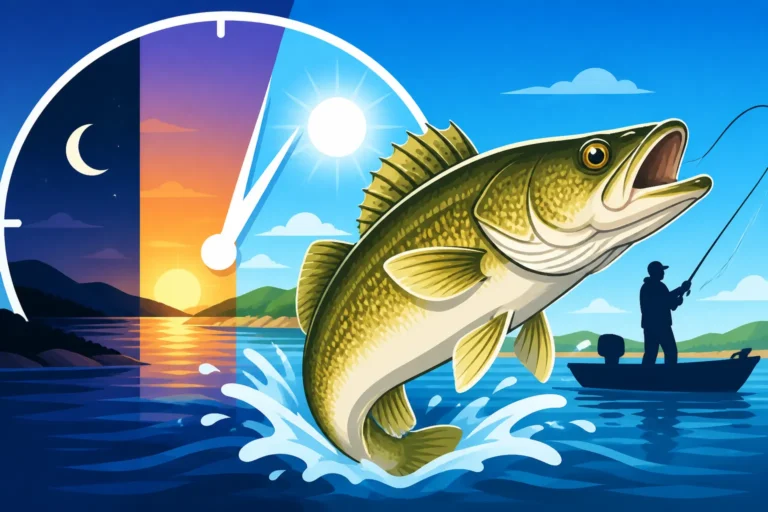
Understanding when walleye are most active and where they'll be throughout the year is perhaps the most critical piece of the puzzle for consistent success. Walleye behavior changes dramatically with water temperature and photoperiod, making seasonal adjustments essential. Trying to fish the same way in July as you do in April will almost certainly lead to disappointment. Let's break down the optimal times to target these prized game fish at Milford Lake. For a broader perspective on the angling opportunities throughout the year, check out our guide on Kansas Fishing Seasons Guide.
Spring Spawning Run Strategies
Spring is, without a doubt, one of the most exciting times for walleye fishing at Milford Lake, particularly during the pre-spawn and spawn periods. As water temperatures climb into the 40s and low 50s Fahrenheit, walleye begin their migration towards traditional spawning grounds. For Milford, this often means areas with rocky substrate, riprap, and shallower points, especially near the dam and in the upper river arms where current flow is present. Anglers should focus on these areas from late March through April, sometimes extending into early May depending on weather patterns.
During the pre-spawn, female walleye are heavy with eggs and males are moving in, both looking for easy meals to fuel the strenuous spawning activity. This is when vertical jigging with minnows or jigs tipped with plastics can be incredibly effective, particularly along rocky banks or shallow reefs. Once the spawn kicks in, usually around 45-50 degrees Fahrenheit, the bite can become tougher as fish are preoccupied. However, immediately after the spawn, fatigued females often drop back to slightly deeper water near the spawning grounds and can be aggressively feeding to recover. This post-spawn window is often overlooked but can be highly productive for bigger fish.
Summer Deepwater Tactics
As Kansas summer temperatures soar and the water warms into the 70s and 80s, walleye at Milford Lake retreat to deeper, cooler water. This doesn't mean the fishing stops; it just means your tactics need to shift dramatically. Walleye will often be found suspended over deeper main lake humps, along the thermocline if one sets up, or hugging the bottom of the old river channels. They're still feeding, but they're less accessible to casual shore anglers.
Trolling becomes a dominant strategy in summer. Long-lining crankbaits at various depths, or pulling bottom bouncers with spinner rigs or crawler harnesses, allows you to cover vast amounts of water and present baits to scattered fish. Focus on the main lake basin, particularly around the deepest points and drop-offs. Early mornings, late evenings, and even night fishing can be particularly effective during the summer months, as walleye will often move shallower to feed under the cover of darkness. Finding the baitfish schools with your electronics is absolutely crucial for summer walleye success, as the walleye will almost always be shadowing their food source.
Fall Feeding Frenzy
Fall is another fantastic time for walleye fishing at Milford Lake, often rivaling spring in terms of action and the potential for trophy-sized fish. As water temperatures begin to cool, walleye senses sharpen, and they enter a pre-winter feeding frenzy to build up reserves. This period, typically from September through November, sees walleye becoming more aggressive and often moving back to shallower structures than they occupied in summer.
Look for walleye on main lake points, submerged humps, and even along riprap shorelines, especially those exposed to wind, which can concentrate baitfish. Trolling crankbaits is still a highly effective technique, but don't overlook casting stickbaits or jigging spoons on structure. The cooling water can also make walleye more predictable in their movements. As the fall progresses and water temperatures drop further, walleye will often congregate in deeper holes in the river channels, preparing for winter. This is a great time to hit those deeper spots with vertical jigging or slow-trolling heavy bottom bouncers.
Winter Ice Fishing Opportunities
While ice fishing for walleye at Milford Lake isn't as widely practiced as in some northern states, when conditions allow for safe ice, it can be incredibly rewarding. The window for safe ice fishing can be short and unpredictable in Kansas, but typically late December through February offers the best chances. Always prioritize safety and check ice thickness before venturing out.
Walleye under the ice at Milford will often relate to submerged humps, main lake points, and deeper flats near drop-offs. They tend to be less active than in open water, so a slow, methodical approach is key. Jigging spoons tipped with minnow heads, small rattling baits, or live minnows suspended under tip-ups are popular and effective presentations. Concentrate your efforts during low-light periods – early morning and late afternoon – as walleye are typically most active then. The key to ice fishing success here is patience and persistence, often drilling multiple holes to find active schools. For more detailed advice on angling when the water hardens, our Kansas Ice Fishing Guide provides an excellent resource.
Essential Walleye Fishing Techniques
Walleye are often described as finicky, but really, they just require a bit more finesse and a good understanding of their behavior. Success at Milford Lake means having a diverse toolkit of techniques, ready to adapt to changing conditions, depth, and fish mood. Whether you're pulling baits behind the boat or precisely placing a jig, mastering these methods will put more walleye in your net.
Trolling with Crankbaits and Crawler Harnesses
Trolling is arguably one of the most consistent ways to catch walleye on Milford Lake, especially when fish are scattered or holding in deeper water. This technique allows you to cover vast areas efficiently and present baits at precise depths. For much of the year, particularly summer and fall, this is my go-to strategy.
Crankbait Trolling:
When trolling crankbaits, the goal is to mimic baitfish. Choosing the right crankbait involves considering depth, color, and action. Deep-diving crankbaits are essential for reaching walleye holding in 15-30 feet or more, while shallower runners work well over points or flats. Popular colors often include shad patterns, perch, and chartreuse, but always have a variety to experiment with. Pay close attention to your speed; walleye often prefer a slower, more deliberate retrieve, typically 1.5 to 2.5 mph. Using line counter reels is a huge advantage, allowing you to replicate successful presentations accurately. Experiment with different lengths of line out to adjust your bait's running depth. When you're trying to figure out what's working best, don't be afraid to put out multiple rods with different lures and depths until you dial it in.
Crawler Harnesses and Bottom Bouncers:
This setup is a classic walleye killer, especially effective when fish are hugging the bottom or suspended just above it. A bottom bouncer helps keep your crawler harness (a series of beads and hooks rigged with a nightcrawler) in the strike zone without snagging too much. The weight of the bottom bouncer depends on your depth and speed, typically ranging from 0.5 to 3 ounces. Troll these rigs slowly, often 0.5 to 1.5 mph, just fast enough to get the blades on the harness spinning. The fluttering action and scent of a live nightcrawler are irresistible to walleye. This technique is particularly potent over main lake flats and along the edges of the old river channels where walleye are actively searching for food. Our guide on Trolling for Walleye on Kansas Reservoirs offers even more nuanced insights into this effective method.
Jigging for Structure-Oriented Walleye
Jigging is a more active, hands-on approach that excels when walleye are concentrated on specific pieces of structure like humps, rocky points, or submerged timber. This method is incredibly versatile, working from open water to ice fishing, and can be particularly effective during spring and fall.
Vertical Jigging:
This involves positioning your boat directly over the structure where you've marked fish and dropping a jig straight down. A 1/4 to 3/4 ounce jig head, tipped with a live minnow, a soft plastic grub, or a paddle tail, is a common setup. The key is to impart action to the jig with subtle lifts and drops, mimicking an injured baitfish. Walleye often strike on the fall or when the jig is paused. Pay close attention to your electronics to stay on top of the fish. This technique requires good boat control, especially in windy conditions, but the reward of a solid thud from a walleye can't be beaten. It's a precise way to present a bait directly to fish you've located.
Casting Jigs to Structure:
When walleye are holding shallower or on the edges of structure, casting jigs can be more effective than vertical presentations. Cast your jig past the target area, allow it to sink to the bottom, and then retrieve it with a series of hops, drags, or sweeps. The goal is to keep the jig in contact with the bottom, where walleye often feed. Soft plastic paddle tails, grubs, and tubes on jig heads are excellent choices here. Experiment with retrieve speeds and jig sizes to find what the fish prefer on any given day. Remember, walleye bites can be incredibly subtle, sometimes feeling like just a slight pressure or a "mushy" feeling, so pay close attention to your line.
Slip-Bobber Fishing and Live Bait Presentations
For a more relaxed yet highly effective approach, especially when walleye are suspended or holding in specific zones, slip-bobber fishing with live bait is hard to beat. This is often a fantastic choice for those calmer days or when you're targeting specific humps or brush piles.
The Slip-Bobber Advantage:
A slip-bobber allows you to present a live bait, typically a minnow or a nightcrawler, at a precise depth without the limitations of a fixed bobber. The line runs through the bobber, stopping at an adjustable bobber stop. This means you can cast a bait 20 feet deep with ease, something a traditional bobber struggles with. Focus your efforts on the edges of main lake points, around submerged timber, or over rocky humps where walleye might be ambushing bait. The slow, natural movement of a live minnow struggling under a bobber is often too much for a walleye to resist. It’s a great technique for teaching kids, too, as the visual strike of the bobber disappearing is always exciting.
Effective Live Bait Choices:
Minnows are hands down one of the most effective live baits for walleye. Shiners, fatheads, or even small creek chubs can all be deadly. Hook them lightly through the lips or just behind the dorsal fin to keep them lively. Nightcrawlers are another excellent choice, especially on a crawler harness or simply threaded onto a hook beneath a bobber. Their scent trail can draw in curious walleye from a distance. If you're having trouble getting bites on artificial lures, switching to live bait can often be the game-changer. Just make sure your bait is fresh and lively – dull, dying bait rarely entices a walleye.
Top Milford Lake Walleye Fishing Locations
Milford Lake is vast, and knowing where to start looking for walleye can be daunting. Thankfully, walleye are creatures of habit and will often relate to specific types of structure and depth. While they can be found throughout the lake, certain areas consistently produce, especially during key seasons. If you’re planning a trip and need a local expert to help you pinpoint the best areas, consider using a service like FishingBooker to connect with a knowledgeable guide who can put you on the fish.
Main Lake Points and Humps
Main lake points and submerged humps are classic walleye magnets on Milford Lake. These structures act like underwater highways and resting areas for walleye as they move between feeding grounds and deeper sanctuaries. They also break up current and concentrate baitfish, creating perfect ambush spots.
Strategic Point Fishing:
Look for points that extend far out into the main lake, especially those with rocky bottoms or quick depth changes. Walleye will often stage on the deeper sides of these points, moving up to the shallower crests to feed during low-light conditions or when baitfish are present. The points around School Creek and the areas near Milford State Park are historically productive. Trolling crankbaits along the contours of these points is a common tactic, as is casting jigs or stickbaits onto the shallower sections. In spring and fall, these areas can be absolute goldmines. Pay attention to how the wind is hitting the points, as a consistent breeze can push baitfish onto one side, and the walleye will follow.
Hump Hunting:
Submerged humps are essentially underwater islands that rise from the lake bed. They might not be visible from the surface, but they are crucial structure for walleye, providing both cover and feeding opportunities. Using your boat's electronics (fish finder and GPS) is essential for locating these hidden gems. Once you find a hump, troll around it, cast jigs over its top, or vertical jig on its slopes. Walleye will often position themselves on the windward side of a hump, waiting for baitfish to be blown over. The humps in the main lake basin, particularly those that come up to 20-30 feet from the surface surrounded by much deeper water, are prime targets. Milford Lake Walleye Fishing can be particularly good on these isolated structures.
River Channel and Tributary Arms
The influence of the Republican River is a defining characteristic of Milford Lake, and the old river channel, along with its tributary arms, provides critical habitat for walleye, especially during migrations and seasonal movements.
Old River Channel Exploration:
The submerged Republican River channel winds its way through Milford Lake, acting as a major highway for fish. Walleye will often use these deeper channels as travel routes and holding areas, especially during the extreme heat of summer or the cold of winter. Focus on the channel edges, particularly where it meets a flat or a point. These depth transitions are prime locations. Trolling bottom bouncers with crawler harnesses or deep-diving crankbaits along these edges is a very effective way to find active fish. The areas upstream where the Republican River feeds into the lake, as well as the immediate channel leading from the dam, are often highly productive.
Tributary Arms and Creek Mouths:
Several tributary creeks feed into Milford Lake, and their mouths and associated arms can be excellent walleye spots, especially in spring and fall. After significant rains, these areas can become stained and offer new inflows of water, which can attract baitfish and, in turn, walleye. The Farnum Creek arm and the School Creek arm are two such examples that can hold good numbers of walleye during seasonal transitions. In spring, walleye might move into these shallower arms for spawning or pre-spawn feeding. During fall, they might congregate here to feed on shad before moving to deeper wintering grounds. Casting jigs or small crankbaits into these areas, particularly around any remaining standing timber or rocky banks, can yield excellent results.
Dam Area and Riprap
The area immediately surrounding the Milford Lake dam, particularly the riprap rock banks, creates a unique and often productive walleye fishing environment. This structure provides cover, concentrates bait, and can be a key spawning ground.
Fishing the Dam Riprap:
The riprap along the dam face and causeways leading to it offers excellent cover for walleye and baitfish. During the spring spawn, walleye will move onto these rocky banks to lay their eggs, making them prime targets for anglers. Even outside of the spawn, these rocks hold baitfish, drawing in predatory walleye. Casting shallow-running crankbaits, jerkbaits, or even plastics on jig heads parallel to the riprap can be very effective. Work your baits slowly, bumping them off the rocks, which can often trigger a reaction strike. Early mornings and late evenings are especially good for fishing these shallower rock structures.
Below the Dam Fishing:
Don't overlook the tailwater below the dam, especially during high water releases. The current here can concentrate baitfish and active walleye. While access might be limited in some areas, the current breaks and eddy lines below the dam can hold significant numbers of feeding fish. Jigging with heavy jigs or casting spoons are often the preferred methods here due to the stronger currents. Always be aware of safety and respect any posted regulations when fishing below the dam. This area can be fantastic, but it demands caution and proper technique to manage the current.
Recommended Gear and Tackle for Milford Walleye
Having the right tools for the job can make a significant difference in your walleye fishing success at Milford Lake. Walleye have distinct preferences, and matching your gear to their habits and the conditions will put you miles ahead. No need for the most expensive setup, but functional, reliable gear is key to minimizing frustration and maximizing enjoyment. For a general overview of necessary equipment, our Kansas Fishing Gear Guide is a great starting point.
Rods, Reels, and Line for Walleye
Selecting the appropriate rod, reel, and line for walleye fishing is crucial for detecting subtle bites and effectively fighting these hard-charging fish.
Rods:
For most walleye applications at Milford, a medium-light to medium power spinning rod, typically 6'6" to 7'6" in length, is ideal. A fast action tip is important for detecting those light walleye bites and providing quick hook sets. If you're primarily trolling, a longer, moderate action casting rod (7' to 9') with medium power can be beneficial, offering a softer tip to absorb strikes and keep fish pinned, particularly when using planer boards. Having a couple of different rod setups allows you to switch techniques seamlessly throughout the day.
Reels:
A reliable spinning reel in the 2500-3000 size range is perfect for jigging, casting, and slip-bobber fishing. Look for a smooth drag system, as walleye can make powerful runs. For trolling, baitcasting reels are often preferred due to their robust construction and ability to handle heavier lines and larger baits. Line counter reels are a huge asset for trolling, allowing you to precisely track how much line you have out, which is invaluable for replicating successful presentations. Brands like Shimano, Daiwa, and Penn offer excellent options across various price points.
Line:
Line choice often depends on the technique. For jigging and casting with spinning gear, 8-10 lb test braided line is a popular choice, offering incredible sensitivity and strength. I always recommend tying on a 6-8 lb fluorocarbon leader (3-6 feet long) to the braid, as fluorocarbon is nearly invisible underwater and offers good abrasion resistance. For trolling, especially with bottom bouncers or planer boards, 10-14 lb monofilament or fluorocarbon is a good option. Monofilament has some stretch, which can be forgiving when a walleye strikes a trolled bait, while fluorocarbon offers greater sensitivity and sinks faster.
Must-Have Lures and Baits
When it comes to enticing Milford Lake walleye, having a diverse selection of lures and fresh bait is essential. Walleye can be incredibly picky, and what works one day might not get a bite the next.
Crankbaits and Jerkbaits:
These are foundational for trolling and casting. Have a variety of sizes, diving depths, and colors. Shad patterns (silver/blue, chrome/black), perch patterns, and firetiger are consistent producers. Brands like Rapala (Shad Raps, Husky Jerks), Berkley (Flicker Shads), and Bandits are staples. For casting, shallow-running jerkbaits can be deadly in spring and fall. Always check your crankbaits for proper tuning; a lure that runs true will catch more fish.
Jigs and Soft Plastics:
Jigs are incredibly versatile. Round head jigs from 1/8 to 1/2 ounce, depending on depth and wind, are key. Tip them with live minnows or a variety of soft plastics like paddle tails, grubs, and curly tails. Colors such as white, chartreuse, motor oil, and green pumpkin are often effective. Don't forget jigging spoons (e.g., Johnson Silver Minnow, Kastmaster) for vertical presentations in deeper water. These can imitate dying baitfish and trigger aggressive strikes. For further tips on specific attractants, explore our resource on Best Lures for Kansas Walleye.
Live Bait:
Never underestimate the power of live bait for walleye. Fresh lively minnows (shiners, fatheads) are prime. Nightcrawlers are also deadly, especially on crawler harnesses. Leeches can be excellent, though sometimes harder to source locally. Always keep your live bait fresh and aerated. Sometimes, the natural scent and movement of live bait is the only thing that will get those wary walleye to commit.
Electronics and Boat Setup Considerations
Modern electronics have revolutionized walleye fishing, turning educated guesses into precise targeting. A well-equipped boat is a massive advantage on a large reservoir like Milford.
Fish Finders/Sonar:
A good quality fish finder with Down Imaging and Side Imaging is almost a necessity for serious walleye anglers on Milford. Brands like Humminbird (Helix, Solix series) and Garmin (ECHOMAP, GPSMAP series) offer excellent clarity and features. These units allow you to not only see fish directly under your boat but also identify subtle changes in bottom composition, locate submerged humps, timber, and baitfish schools. Side Imaging, in particular, is invaluable for scanning vast areas quickly and finding isolated pieces of structure where walleye might be hiding. Take the time to learn your unit – it's an investment that pays off big.
GPS and Mapping:
Integrated GPS with detailed mapping is critical for navigating Milford Lake and marking waypoints. You can save your productive spots, track your trolling passes, and navigate safely, even in low light or fog. High-definition mapping chips (like LakeMaster or Navionics) provide contours and bottom detail that are absent on basic maps, helping you pinpoint those crucial depth changes and humps.
Trolling Motors and Anchoring Systems:
A bow-mounted electric trolling motor with GPS capabilities (like a Minn Kota Ultrex or Garmin Force) is a game-changer. Features like "Spot-Lock" (virtual anchoring) allow you to hold your boat precisely over a specific piece of structure in windy conditions, freeing you up to fish. For those without a Spot-Lock motor, a quality anchor system is still essential for holding your boat on points or humps. Don't forget a reliable battery system to power your electronics and trolling motor for a full day on the water.
Navigating Regulations and Conservation
Responsible angling goes hand-in-hand with successful walleye fishing. Understanding and adhering to Kansas fishing regulations is not just about avoiding penalties; it's about doing your part to ensure a healthy and sustainable fishery for future generations of anglers at Milford Lake.
Kansas Walleye Length and Creel Limits
The KDWP implements specific regulations to manage walleye populations, ensuring that enough fish survive to reproduce and that anglers have a chance at quality catches. These limits can change, so always check the most current regulations before heading out.
Currently, for walleye in Kansas, there is generally a statewide length limit of 18 inches, with a daily creel limit of 5 fish. However, many major reservoirs, including Milford Lake, have a protected slot length limit for walleye, often requiring fish between certain sizes to be immediately released. For example, a common regulation might be a 21-inch minimum length, with only two fish over 21 inches allowed within a five-fish daily bag limit. This specific regulation helps protect crucial spawning-size walleye, allowing them to grow and reproduce, contributing to the health of the fishery. Always verify the current Kansas Walleye Minimum Length Limit of 21 Inches for Milford Lake. It's frustrating to catch a beautiful walleye only to realize you have to release it, but these rules are in place for the long-term benefit of the lake.
Protecting the Fishery for Future Generations
Beyond simply following the rules, conservation-minded anglers go the extra mile to ensure the future of walleye fishing. This means practicing careful catch-and-release, especially for those larger, egg-laden females.
When releasing fish, minimize handling time, use wet hands to protect their slime coat, and try to keep them in the water as much as possible. If a fish is deeply hooked, consider cutting the line rather than trying to remove the hook, especially if it's in the gills or gut. Using single barbless hooks can also make release easier and less damaging. It’s important to educate yourself on proper fish handling techniques. Many anglers utilize services like FishingBooker to learn from experienced guides who often prioritize conservation and teach best practices on the water. By taking these extra steps, we ensure that the next time we visit Milford Lake, there will be just as many (or more!) walleye to target, preserving this fantastic resource for everyone.
Licensing and Permit Requirements
Before you even make your first cast, you need to ensure you're legally prepared. All resident and non-resident anglers 16 years of age and older must possess a valid Kansas fishing license to fish in public waters. This includes Milford Lake.
There are various types of licenses available, from annual licenses to one-day, five-day, and even multi-year options. The cost varies for residents and non-residents, and there are often special discounts for seniors, youth, and disabled veterans. You can purchase your license online through the KDWP website, at KDWP offices, or from many bait and tackle shops throughout the state. Don't forget that if you plan on fishing for trout in designated trout waters during the trout season, you'll also need a separate trout permit. Having your license readily available, either a physical copy or a digital one on your phone, is crucial. For detailed information on costs and options, check out our Kansas Fishing License Guide.
Remember, enforcement officers do patrol Milford Lake, and fishing without a valid license or violating regulations can result in fines and other penalties. It’s a simple step that shows you respect the sport and the efforts made to maintain it.
| Season | Typical Water Temp | Walleye Location Focus | Preferred Techniques | Notes |
|---|---|---|---|---|
| Spring | 40s – Low 50s F | Dam riprap, rocky points, river arms | Vertical jigging, casting stickbaits, live minnows | Pre-spawn/spawn activity, aggressive bite post-spawn. |
| Summer | 70s – 80s F | Deep humps, old river channel, thermocline | Deep trolling crankbaits, bottom bouncers, night fishing | Walleye follow bait to cooler, deeper water. |
| Fall | Low 70s – 50s F | Main lake points, humps, creek mouths | Trolling crankbaits, casting jigs/spoons, live bait | Pre-winter feeding frenzy, fish can be very active. |
| Winter | Below 40s F | Deep humps, channel edges (ice) | Ice jigging with spoons/minnows, tip-ups | Short windows for safe ice, very slow presentation needed. |
Disclaimer
The information provided in this guide is for general informational purposes only and is subject to change. Fishing regulations, conditions, and fish behavior can vary greatly. Always consult the official Kansas Department of Wildlife, Parks and Tourism (KDWP) regulations before fishing and prioritize safety on the water.