Tuttle Creek Lake Catfish Fishing
Trying to track down those whiskered giants in a massive water body like Tuttle Creek Lake can feel like searching for a needle in a haystack, especially when you're dreaming of a cooler full of fresh fillets or a personal best trophy. It's a huge reservoir, notorious for its challenging currents and ever-changing depths, which can make consistent catfishing a real head-scratcher for even seasoned anglers. This guide is here to unravel the mysteries of catfishing on Tuttle Creek, offering you the insider tips and strategies to confidently target and land some impressive Kansas catfish.
Understanding Tuttle Creek Lake for Catfish
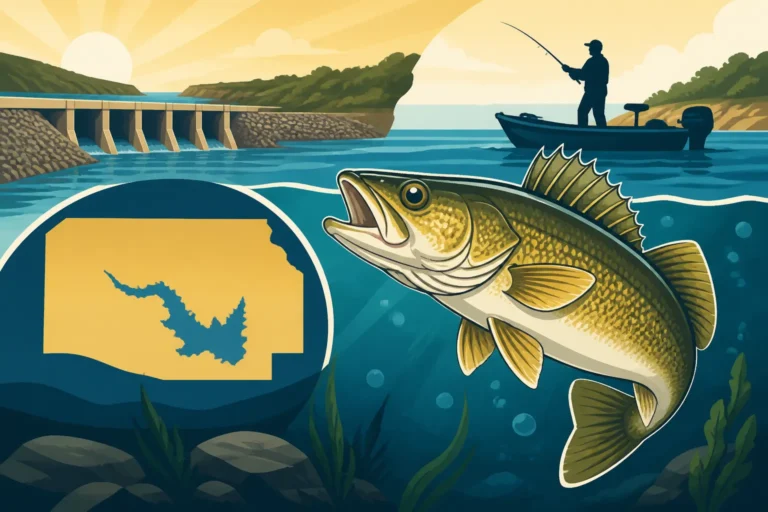
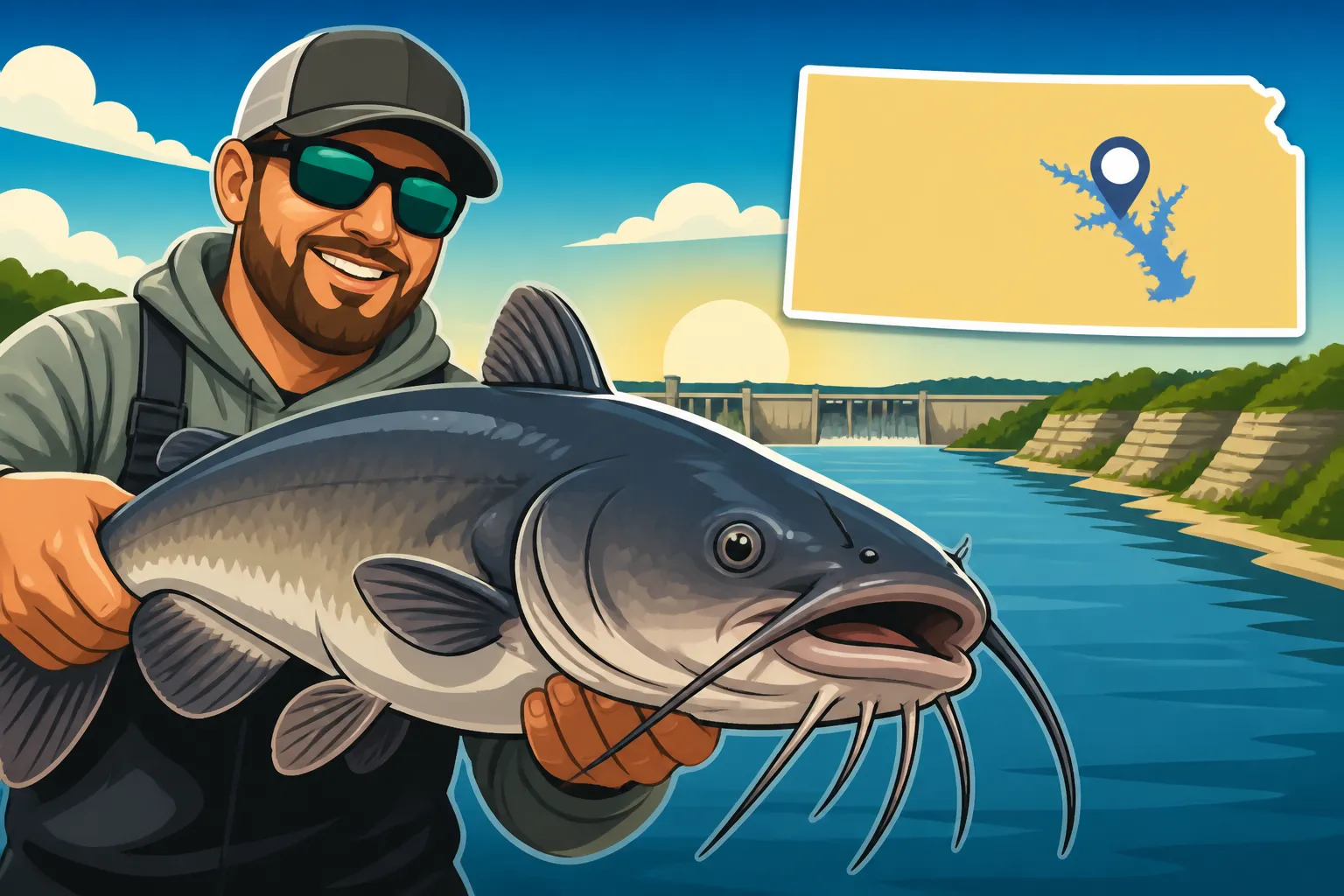
Tuttle Creek Lake, often called the "River Lake" by locals, is a sprawling body of water near Manhattan, Kansas, fed primarily by the Big Blue River. Its unique characteristics—from its size and depth to its fluctuating water levels and abundant timber—make it a prime habitat for various catfish species, but also present unique challenges. Understanding these elements is crucial for anyone hoping to consistently find success.
Lake Overview and Water Characteristics
Tuttle Creek Lake is Kansas' second-largest lake, behind Milford Lake, covering about 12,500 surface acres at normal pool, but it can swell dramatically during flood stages. It’s a flood control reservoir, meaning its water levels can fluctuate significantly, which directly impacts fish behavior and where you'll find them. This fluctuation, combined with the often-turbid waters, especially in the upper river arms, means you’ll rarely be sight-fishing. Instead, you'll rely heavily on your sonar, feel, and understanding of structure. The lake's depth can reach over 50 feet near the dam, but it quickly tapers off into shallower, timber-filled flats and river channels upstream. The constant flow from the Big Blue River also means there's always current somewhere in the lake, which catfish absolutely adore.
This dynamic environment can be frustrating. One week you might find fish holding tight to a submerged stump, and the next, with a change in water level or current, they've completely vanished. It takes a certain kind of angler to appreciate and adapt to Tuttle Creek, but the rewards are well worth the effort. The lake's nutrient-rich waters support a robust forage base, including shad, carp, and various panfish, which translates into big, healthy catfish. Remember that while the lake is massive, much of the upper end is shallow and filled with standing timber, which can be both a blessing for fish habitat and a curse for navigation and snagged tackle. When considering the sheer size and potential challenges, checking out something like a guide service on FishingBooker for your first trip could save you a lot of guesswork.
The Role of Submerged Timber and Current
If you've spent any time on Tuttle Creek, you know it's a veritable forest beneath the surface, especially in the northern reaches and many coves. This submerged timber is a double-edged sword: it provides incredible cover and ambush points for catfish, but it's also a tackle-eating monster. Channel catfish, flatheads, and blue catfish all utilize this cover extensively. They'll hide in the snags, waiting for unsuspecting baitfish or smaller prey to swim by. The wood offers protection from predators and strong currents, and it serves as a buffet table where algae and invertebrates grow, attracting baitfish.
Beyond the timber, the current plays an equally significant role. Catfish are generally oriented to current, using it to their advantage to ambush food that's swept downstream. You'll find them holding in seams, eddies, and behind structure that breaks the current, expending minimal energy while waiting for a meal. This is particularly true for blue catfish and larger channel catfish. During high water flows, identifying these current breaks becomes paramount. Look for areas where the main river channel meets a feeder creek, or where a point extends into the current. Even subtle changes in depth or bottom composition can create current breaks that hold fish. Learning to read the water and understand how current interacts with the lake's diverse bottom is a skill that will dramatically improve your catfishing success here.
Prime Catfish Species and Their Habits
Tuttle Creek Lake is a trophy ground for Kansas catfishing, boasting healthy populations of all three major species: channel catfish, flathead catfish, and blue catfish. Each species has its own preferred habitats, feeding behaviors, and seasonal patterns, so understanding these nuances will help you target them more effectively.
Channel Catfish: The Abundant Fighters
Channel catfish are hands down the most abundant and widely distributed catfish species in Tuttle Creek Lake. They're also often the most willing biters, making them a fantastic target for anglers of all skill levels, especially those looking for consistent action. Channel cats are opportunistic feeders, meaning they'll eat just about anything, from insects and crustaceans to baitfish and even dead or decaying matter. This is why stink baits, cut baits, and even prepared dough baits are so effective.
You'll typically find channel catfish spread throughout the lake, from shallow coves to deeper main lake points. However, they particularly thrive in areas with some current and structure. During the warmer months, they'll often cruise shallow flats and the backs of coves, especially in the evenings and overnight, looking for an easy meal. During the day, they might retreat to slightly deeper water or hold tight to submerged timber and rocky outcroppings. The upper reaches of the Big Blue River arm and the Fancy Creek arm are fantastic places to target channel cats, especially when the current is mild. They're spirited fighters on light to medium tackle, offering plenty of thrills.
Flathead Catfish: The Timber Dwellers
Flathead catfish are the elusive heavyweights of Tuttle Creek. Known for their powerful fights and impressive size, flatheads are a prized catch, but they require a more specialized approach. Unlike channel cats, flatheads are strictly piscivorous, meaning they prefer live bait, and they have a strong affinity for heavy cover. They are ambush predators that love to hide in the densest submerged timber, log jams, and rock piles in areas with moderate to strong current.
Finding flatheads often means venturing into the gnarly parts of the lake—the areas that make you cringe at the thought of losing tackle. The Big Blue River arm, particularly where it snakes through standing timber, is prime flathead territory. They'll also set up shop in the main lake's deeper channels, especially around significant submerged structure like old roadbeds or creek channels. When fishing for flatheads, patience is key. You'll need to present a lively bait, like a bluegill, shad, or sunfish, right into their living room. Because they are so structure-oriented, FishingBooker can sometimes help you find local guides who specialize in navigating these tricky areas and know exactly where the big flatheads are likely to be hiding.
Blue Catfish: The Open Water Roamers
Blue catfish, while perhaps not as numerous as channel cats, are growing in prominence in Tuttle Creek and offer the potential for truly massive trophy fish. They are the giants of the Kansas catfishing world, often reaching weights well over 50 pounds. Blue cats are primarily open-water predators, often schooling in deeper channels and humps, particularly where strong current is present. They feed heavily on baitfish like shad, and their diet makes cut bait, especially fresh shad, incredibly effective.
Look for blue catfish in the main river channel that runs through Tuttle Creek Lake, especially in the lower half of the reservoir closer to the dam. They tend to follow schools of baitfish, so if you can locate large schools of shad on your sonar, you're likely in blue cat territory. They also relate to sharp drop-offs, underwater humps, and current seams in the main lake basin. Blue catfish are known for their powerful runs, so heavy-duty tackle is a must. If you're specifically targeting a Kansas State Record Catfish, Tuttle Creek is definitely one of the lakes where it could happen, and focusing on blue cats in these deeper, current-rich areas is your best bet.
Best Spots for Catfish at Tuttle Creek
Tuttle Creek Lake is vast, but certain areas consistently produce better catfishing results due to their unique combination of depth, structure, and current. Knowing where to focus your efforts can save you hours of fruitless searching and put you right on top of the fish.
River Arms and Feeder Creeks
The river arms of Tuttle Creek Lake, particularly the Big Blue River arm and the Fancy Creek arm, are absolute hotspots for catfish, especially channel and flathead catfish. These areas offer a fantastic mix of shallow flats, submerged timber, and varying current speeds.
- Big Blue River Arm: This is the primary inflow for Tuttle Creek and is often shallower and more turbid than the main lake. It's choked with standing timber, log jams, and brush piles, making it prime habitat for flatheads and channel cats. Anglers often find success drifting cut bait or live bluegill through the deeper pockets and bends of the old river channel, or anchoring tight to prominent log jams. The constant influx of nutrients and baitfish makes this a reliable area, especially during periods of stable water flow. However, be cautious when navigating, as the timber can be thick and dangerous for prop motors. Consider using a jet boat or a kayak if you want to explore the shallower, snaggier sections.
- Fancy Creek Arm: While smaller than the Big Blue River arm, Fancy Creek offers similar advantages. It has good current flow, especially after rains, and plenty of submerged timber and brush. This arm is particularly good for channel catfish, which will congregate in the creek channel and along the edges of brush piles. Live bait or stink bait fished on the bottom in these areas can yield excellent results. Both river arms are excellent places to try bank fishing from accessible points, particularly near bridges or causeways where the current is concentrated.
Main Lake Channels and Structure
For those targeting blue catfish and larger channel catfish, the main lake channels and deeper structures of Tuttle Creek are where you'll want to focus. These areas provide the depth, current, and abundant baitfish that these larger species prefer.
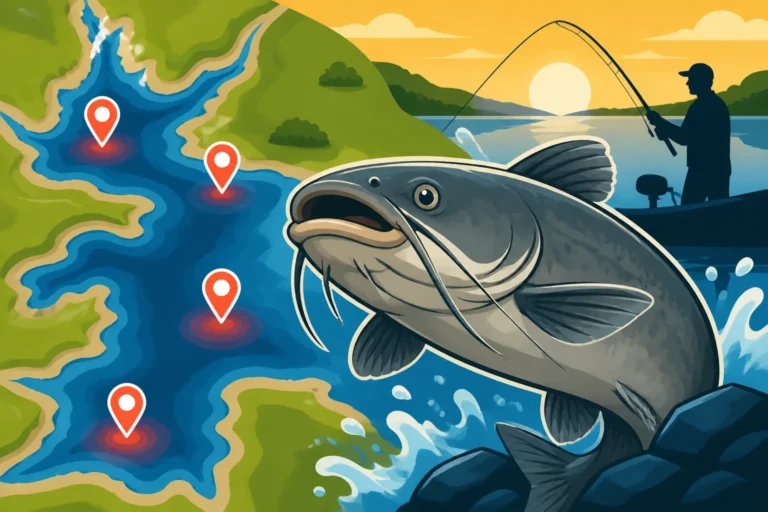
- Main River Channel: The old Big Blue River channel snakes its way through the entire lake, and understanding its contours is key. Blue catfish often suspend in this channel, following schools of shad. Look for sharp drop-offs, humps, and points where the channel makes a bend or where smaller creek channels merge. Drifting large cut baits along these channel edges or anchoring on a hump and fan-casting baits into varying depths can be incredibly effective. A good fish finder is invaluable here for identifying the channel and locating baitfish schools.
- Points and Humps: Throughout the main lake basin, there are numerous submerged points and humps that rise from the depths. These act as ambush points for catfish, especially blue and channel cats. Current deflects around them, creating eddies and slack water where fish can rest and feed. Fishing these areas with fresh cut bait or large worms can produce excellent results, particularly during the middle of the day when catfish might retreat from the shallows. The area near the dam and the downstream side of any large islands or submerged roadbeds are also prime candidates for holding big blue cats.
Key Areas for Different Catfish Types
To summarize, think about targeting:
- Channel Catfish: Widely distributed, but especially abundant in the river arms (Big Blue, Fancy Creek), shallow coves, and creek channels throughout the lake. Look for moderate current and submerged wood.
- Flathead Catfish: Heavy cover in the river arms (especially Big Blue), log jams, and deep timber in the main lake channel. These fish are all about thick cover and live bait.
- Blue Catfish: Main lake basin, deeper river channels, submerged humps, and points with strong current, often suspending near schools of baitfish. These are open-water predators.
Remember that water levels can greatly impact these spots. High water might push fish into newly flooded cover, while low water concentrates them in deeper channels. Always pay attention to recent lake reports and adjust your strategy accordingly. If you're new to the lake, local bait shops around Manhattan, like Rocky Ford Bait & Tackle, can often provide invaluable, up-to-date information on where the fish are biting.
Essential Catfishing Techniques for Tuttle Creek
No matter which species you're after, success at Tuttle Creek boils down to employing the right techniques for the conditions. Given the lake's diverse environment, a versatile approach is often the most productive.
Bank Fishing Strategies
Don't let the size of Tuttle Creek intimidate you into thinking you need a boat to catch good catfish. Bank fishing can be incredibly productive, especially for channel catfish and even decent flatheads or blues from certain access points.
- Public Access Points: Focus on areas with public access that provide proximity to deeper water or current. The areas around the Tuttle Creek Dam, especially below the dam (though this is technically river fishing, it's very popular), and various state park access points like the Spillway Cycle Area or River Pond State Park, offer excellent bank fishing opportunities. Many bridges crossing the river arms also provide good access to current-rich areas. For a more relaxed experience, some of the Kansas Community Lake Rules might be easier to navigate, but Tuttle Creek offers the potential for much larger fish.
- Rigging for Success: For bank fishing, a simple bottom rig is often best. A slip-sinker rig with an egg sinker (1/2 oz to 2 oz depending on current) above a swivel, a leader (12-24 inches of 20-40 lb mono or fluorocarbon), and a strong circle hook (3/0 to 8/0) is a go-to. Cast your bait into current seams, along drop-offs, or near visible structure like submerged trees. Let the bait sit, and be patient. Using a sturdy rod holder is essential, as bites can be aggressive. This method is particularly effective when the fish are cruising shallower flats during low light conditions or when holding tight to bank-side cover.
Boat Fishing Approaches
A boat opens up a whole new world of catfishing opportunities on Tuttle Creek, allowing you to access remote timber, deep channels, and follow schooling baitfish.
- Anchoring and Fan Casting: This is a classic method, especially for targeting specific structure like log jams, humps, or channel bends. Anchor upstream from your target area and cast multiple lines with different baits into the zone. Fan-casting allows you to cover a wider area and determine where the fish are holding. This is particularly effective for flatheads holding tight to cover, or for blue cats on a specific hump. Ensure your anchor is secure, especially in current.
- Drifting: Drifting is a highly effective way to cover vast stretches of water, especially in the main lake channel for blue catfish or through timbered flats for channel cats and flatheads. Use a drift sock or sea anchor to control your speed, allowing your baits to remain near the bottom without snagging too often. This method lets you present baits to many fish quickly. Pay close attention to your sonar to identify depth changes, baitfish schools, and isolated structure as you drift. You can also vary your bait presentations while drifting to see what’s most appealing to the fish that day. If you're new to navigating such large waters, FishingBooker can help you find local guides specialized in drift fishing for catfish on Tuttle Creek.
- Trolling: While less common for catfishing than for walleye, slow trolling heavy baits can be effective for blue catfish in the main channels, especially when they are scattered. Use heavy bottom-bouncing rigs or large crankbaits that dive to the desired depth. This technique covers water quickly and helps locate active fish.
Trotlines and Jug Fishing
For those looking to harvest a good number of eating-sized catfish or target larger fish passively, trotlines and jug fishing are popular and legal methods on Tuttle Creek, though they require specific permits and adherence to Kansas Fishing Regulations Explained.
- Trotlines: A trotline consists of a main line anchored between two points (often shore and a weighted anchor, or two weighted anchors) with multiple baited hooks attached at intervals. This method is fantastic for covering a long stretch of river channel or submerged timber. Flatheads and channel cats are common catches. Set trotlines in areas with current and structure, such as deep river bends or along underwater ledges. Check your trotlines regularly to ensure humane treatment of fish and to avoid losing your catch. Remember to adhere to the Kansas Trotline and Jug Fishing Rules, including proper tagging.
- Jug Fishing: Jug fishing involves individual lines attached to buoyant jugs (plastic bottles, pool noodles, etc.) that float freely or are anchored. Each jug has a baited hook. This allows you to spread out your baits over a wider area and can be very exciting as you chase down a bobbing jug with a big fish on the other end. Jug fishing is excellent for both channel and blue catfish in open water or along channel edges. Use sturdy jugs that can withstand a powerful fish, and bright colors for easy visibility. Again, make sure you understand and follow all regulations regarding the number of jugs, bait restrictions, and tagging requirements.
Bait and Tackle for Tuttle Creek Catfish
Having the right bait and tackle can make all the difference between a frustrating day and a successful one on Tuttle Creek. Catfish aren't overly picky, but certain presentations and gear setups will significantly increase your odds.
Best Baits for Different Species
Choosing the right bait often depends on the species you're targeting and the conditions.
- Channel Catfish: These guys are opportunistic scavengers.
- Stink Baits: Prepared dip baits (like Danny King's, Sonny's, or Secret 7) or punch baits are incredibly effective. Their strong scent attracts channel cats from a distance. Apply them to specialized sponge hooks or tubes.
- Cut Bait: Shad, sunfish, or carp cut into chunks are excellent. The scent trail of fresh cut bait is irresistible.
- Worms: Large nightcrawlers or chunks of redworms are always a reliable option, especially for smaller channel cats.
- Chicken Livers: A classic, albeit messy, bait that channel cats love.
- Other options: Hot dogs, cheese, corn, or even pieces of soap can work in a pinch, but stick baits and cut bait are generally more productive.
- Flathead Catfish: Flatheads are true predators that prefer live, struggling bait.
- Live Bluegill/Sunfish: Small to medium-sized live bluegill or other panfish (3-7 inches) are the undisputed kings of flathead baits. Hook them through the back or lips.
- Live Shad/Carp: If available and legal, live shad or small carp can also be highly effective. The livelier the bait, the better.
- Blue Catfish: Blue cats are primarily piscivorous, focusing on baitfish.
- Fresh Cut Bait (Shad): This is the number one bait for blue catfish. Fresh gizzard shad or threadfin shad, cut into strips or chunks, releases a powerful scent trail. The fresher, the better.
- Cut Carp/Perch: Other oily fish like carp or perch can also be effective cut baits for blue cats.
- Live Bait: While cut bait is often preferred for blues, live shad or large minnows can also entice bites.
When it comes to where to get bait, many local bait shops around the lake, like those in Manhattan or Olsburg, will carry a variety of live and cut baits. You can also often catch your own shad or panfish using cast nets or small hooks. Remember that the Best Bait for Kansas Catfish will often vary based on time of year and water temperature, so don't be afraid to experiment.
Rods, Reels, and Line
Having the right gear ensures you can handle the powerful runs of a big Tuttle Creek catfish and successfully navigate the snags.
- Rods:
- Medium-Heavy to Heavy Action: For channel cats, a medium-heavy rod (7-9 feet) with a fast to moderate action is ideal for casting weighty rigs and absorbing powerful bites.
- Heavy to Extra-Heavy Action: For flatheads and blue cats, you'll want a heavy to extra-heavy rod (7-10 feet, often rated for 15-50 lb line or more). Look for sturdy, glass or composite rods that can handle big fish in heavy cover, like those from Ugly Stik or Berkley. A strong backbone is crucial to pull fish out of timber.
- Reels:
- Baitcasting Reels: For heavier catfishing, baitcasters (like Ambassadeur 7000 or Penn Squall) are preferred. They offer superior drag systems, line capacity, and cranking power. Look for models with a smooth, powerful drag.
- Spinning Reels: For lighter channel catfishing or bank fishing, a large, sturdy spinning reel (4000-8000 series) paired with a medium-heavy rod can work well, offering ease of use.
- Line:
- Monofilament: A good all-around choice. Use 15-30 lb test for channel cats, and 40-80 lb test for flatheads and blue cats. Monofilament offers good abrasion resistance, shock absorption, and is easier to handle.
- Braided Line: Many experienced catfishermen prefer braided line for its incredible strength, small diameter, and lack of stretch, which provides superior sensitivity and hook-setting power. Use 30-65 lb test for channel cats and 65-100+ lb test for big flatheads and blue cats. Just be aware that braid can be more prone to snagging in timber, and its lack of stretch means you need a rod with more give to prevent hooks from pulling out.
- Leader Material: A heavy monofilament or fluorocarbon leader (50-100 lb test) is often tied to braided mainline, especially when fishing in abrasive cover. This protects your main line and is less visible to the fish.
Consider checking out our guide on the Best Rod and Reel Combo for Catfish for more detailed recommendations.
Seasonal Strategies for Catfishing Success
Catfish behavior on Tuttle Creek changes dramatically with the seasons, influenced by water temperature, oxygen levels, and spawning cycles. Adapting your approach throughout the year is key to consistent success.
Spring Catfishing
Spring on Tuttle Creek is a time of renewal and increased activity for catfish. As water temperatures begin to rise from the cold winter months, catfish become more active and start moving towards their spawning grounds.
- Pre-Spawn (Late March – April): As water temperatures climb into the 50s Fahrenheit, catfish, especially channel and blue cats, become incredibly active. They'll move out of their deeper wintering holes and into shallower areas, gorging themselves to build energy for the upcoming spawn. Focus on creek channels, shallower flats adjacent to deeper water, and the mouths of inflowing rivers where warmer water might be present. Live or fresh cut bait is very effective as they seek protein-rich meals.
- Spawn (May – Early June): Channel catfish typically spawn when water temperatures hit the mid-70s. They seek out dark, secluded spots like hollow logs, undercut banks, or rock crevices to lay their eggs. During this period, males can be very aggressive in defending their nests. Fishing these specific nesting sites can be productive but remember that these fish are vulnerable, so consider catch-and-release for spawning fish. Flatheads often spawn a bit later, into late June. Fish the timber-choked river arms and coves with live bait, targeting isolated structure.
- Post-Spawn (Late June): After the spawn, catfish can be a bit lethargic for a short period before they begin feeding heavily again. They'll start to disperse from their spawning grounds and move back into slightly deeper, more oxygenated water or areas with consistent current. This is a great time to focus on the main river channel edges and points using a variety of baits.
Summer Catfishing
Summer can be a fantastic time for catfishing on Tuttle Creek, especially for active channel and blue cats, but it often requires adapting to warmer water and increased boat traffic.
- Daytime Heat: During the scorching Kansas summer, catfish often retreat to deeper, cooler water or seek refuge in heavy cover during the day. Look for them in the main river channel, on deep humps, or in the densest submerged timber. Fishing the shaded side of structure or deep holes can also be effective. Fresh cut bait for blues and channels, and live bait for flatheads, remain the top choices.
- Night Fishing: Summer nights are prime time for catfishing on Tuttle Creek. As temperatures drop and boat traffic subsides, catfish move into shallower flats and coves to feed. This is especially true for channel catfish. Anchor up in a shallow cove or along a major point and fan-cast a variety of baits. Using glow-in-the-dark tackle or a lantern for visibility can be helpful. This is also a great time to target Kansas Summer Night Fishing for White Bass, so you might catch some bonus fish.
- Current and Oxygen: Pay close attention to current. During hot summer months, areas with good current often have higher oxygen levels, attracting baitfish and, in turn, catfish. The outflow below the dam can be a phenomenal spot, though it's technically river fishing.
Fall and Winter Catfishing
As the water cools in the fall, catfish go on a serious feeding binge, making it an excellent time to catch them before they slow down for winter. Winter fishing, while challenging, can still yield impressive results.
- Fall Feeding Frenzy (September – November): This is arguably one of the best times to target trophy catfish on Tuttle Creek. As baitfish like shad migrate and school up, catfish will follow, feeding aggressively to put on weight for winter. Focus on main lake points, channel bends, and deeper flats where baitfish are congregating. Large cut baits for blues and channels, and large live baits for flatheads, will be highly effective. The fish are often more cooperative during daylight hours as the water cools.
- Winter Slowdown (December – February): Catfishing in winter requires patience, but it can be incredibly rewarding, especially for large blue and channel catfish. Catfish become much more lethargic in cold water, often schooling tightly in the deepest parts of the lake's main channels or in large, deep holes. Their metabolism slows, so they don't need to feed as often, but when they do, they'll often prefer a substantial, easy meal.
- Technique: Vertical jigging with cut bait or slow-dragging a large piece of cut bait on the bottom are effective techniques. Your bites will be much subtler, so use sensitive rods and pay close attention. It's not uncommon to pull multiple big fish from a single deep hole if you find a wintering school. For precise navigation in cold conditions, especially when seeking out specific deep holes, using a local guide from FishingBooker can really enhance your safety and success. Always prioritize safety if you're out on the water in cold conditions.
| Catfish Species | Primary Bait | Preferred Location (General) | Seasonal Peak | Tackle Recommendation |
|---|---|---|---|---|
| Channel Catfish | Stink bait, cut bait, worms | River arms, shallow coves, channel edges | Spring, Summer, Fall | Med-Heavy rod, 15-30lb mono/braid, 3/0-5/0 hook |
| Flathead Catfish | Live bluegill/sunfish | Heavy timber, log jams, deep river bends | Summer, Fall | Heavy rod, 40-80lb mono/braid, 6/0-8/0 circle hook |
| Blue Catfish | Fresh cut shad, cut carp | Main lake channels, deep humps, points | Fall, Late Fall/Early Winter | Heavy rod, 50-100lb braid, 7/0-10/0 circle hook |
This table provides a quick overview, but remember that adaptability is your best friend when catfishing on Tuttle Creek. Always be willing to try different baits, adjust your depths, and explore new areas based on current conditions and fish behavior. Our detailed guide on Kansas Catfish Fishing Techniques can offer even more insight into these methods.
Disclaimer
Fishing conditions and regulations in Kansas can change. Always consult the latest Kansas Department of Wildlife, Parks and Tourism (KDWPT) regulations before heading out. This guide is for informational purposes only and does not constitute legal advice.