Fishing the Smoky Hill River in Kansas
The winding, often overlooked Smoky Hill River in Kansas presents a unique blend of challenge and reward for anglers. If you've ever felt overwhelmed by the sheer size of Kansas's massive reservoirs or found yourself longing for a more intimate, natural fishing experience away from the crowds, then fishing the Smoky Hill River might just be your calling. This guide will take a deep dive into what makes this river special, what fish you can expect to catch, and the best ways to tackle its waters, helping you unlock its hidden potential.
Unraveling the Smoky Hill River's Appeal for Anglers
The Smoky Hill River is more than just a waterway; it's a lifeline stretching across a significant portion of Kansas, offering diverse fishing environments from its narrower, spring-fed headwaters in the west to its wider, meandering lower sections before it joins the Republican River to form the Kansas River. Many anglers get caught up in the allure of the big lakes, but the river offers a different kind of thrill, a connection to the raw, untamed heart of the prairie.
A Journey Through Kansas Landscapes
Originating in the High Plains of Colorado, the Smoky Hill River flows eastward, cutting through the vast prairies and agricultural lands of western and central Kansas. As it progresses, the river's character subtly shifts, moving from a smaller, more intimate stream in counties like Logan and Gove, where it might appear as a trickle or even dry up in sections during drought, to a more substantial, perennial flow as it's fed by tributaries and groundwater farther east. This transition is crucial for anglers to understand, as the fish species, sizes, and fishing techniques can vary dramatically along its length.
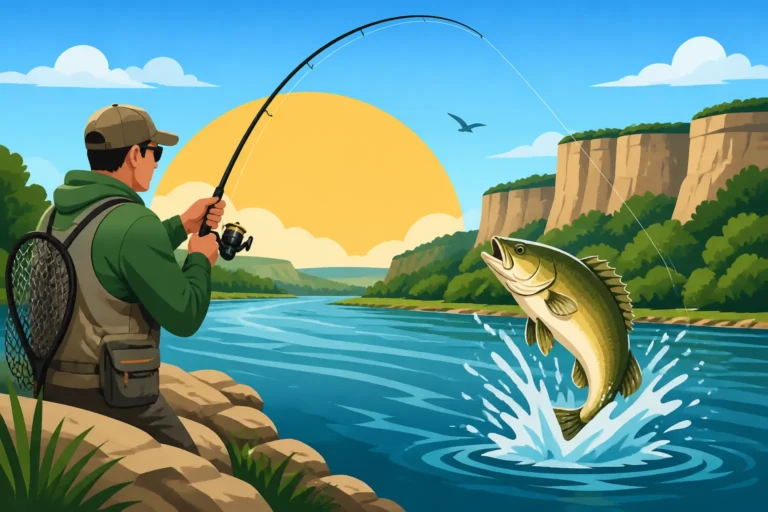
Imagine casting your line into a quiet pool in western Kansas, surrounded by towering bluffs and native grasses, feeling a sense of solitude that's hard to find elsewhere. Then contrast that with navigating a wider, deeper section closer to Salina or Junction City, where the river feels more robust, offering different challenges and opportunities. This geographic diversity means that "fishing the Smoky Hill River" isn't a single experience, but a collection of distinct adventures, each requiring a slightly different approach. It’s this varied character that keeps seasoned anglers coming back, always discovering something new.
Unique River Characteristics and Habitat
What really sets the Smoky Hill apart for fishing is its natural, often rugged habitat. Unlike many managed lakes with relatively uniform depths, the river offers a dynamic environment with a constant interplay of currents, snags, deep holes, shallow riffles, and undercut banks. These features are precisely what create prime holding areas for a variety of fish. The riverbed itself can range from sandy and silty stretches to rocky bottoms, especially in areas where it cuts through limestone formations.
The amount of woody debris, from fallen trees to submerged logs, is a double-edged sword. While it can be a nightmare for snagging tackle, these structures provide invaluable cover for fish, offering ambush points for predators and safe havens for smaller baitfish. Understanding how fish relate to current and cover is paramount here. Catfish, for instance, love to tuck into deep holes behind log jams, while white bass might stack up in current breaks during their spawning runs. Furthermore, the river's flow dictates much of its ecosystem. High water periods can bring in fresh nutrients and redistribute fish, while low water can concentrate them in deeper pools, making them easier to locate but potentially more wary. Monitoring river levels, often available through USGS stream gauges, can give you a significant advantage in planning your trip, helping you understand how the current conditions might affect your fishing strategy.
Prime Fish Species to Target in the Smoky Hill
The Smoky Hill River might not boast the sheer variety of some larger, more diverse river systems, but it certainly holds its own, especially when it comes to whiskered giants and feisty panfish. Anglers primarily visit the Smoky Hill with one goal in mind: catfish. However, there are other exciting opportunities, particularly during certain seasons.
The Catfish Dynasty: Channel, Flathead, and Blue
If there's one family of fish that truly rules the Smoky Hill River, it's the catfish. You'll find a healthy population of channel catfish, flathead catfish, and, in certain sections, even some impressive blue catfish. These powerful, bottom-dwelling fish thrive in the river's varied currents and abundant cover, making them a consistent target for both bank and boat anglers.
- Channel Catfish: These are the most widespread and frequently caught catfish in the Smoky Hill. They are opportunistic feeders, responding well to a variety of baits, from stink baits and cut bait to worms and prepared dough baits. You'll find them in almost any part of the river, especially around deeper holes, current breaks, and submerged brush piles. Catching a limit of these delicious fish is a common and enjoyable experience on the Smoky Hill. For detailed limits, check out the Kansas Channel Catfish Daily Limit guide.
- Flathead Catfish: The true "bruisers" of the river, flatheads are ambush predators that prefer live bait and often hide in the heaviest cover—think massive log jams or deep undercut banks. They grow to substantial sizes here, with 20 to 40-pounders not uncommon, and truly trophy-sized fish are always a possibility. Targeting flatheads requires patience, heavy tackle, and a willingness to get your bait into gnarly spots. If you're looking to wrestle with a true river monster, the Smoky Hill's flathead population provides an excellent chance. Make sure you understand the Kansas Flathead Catfish Daily Limit to stay compliant.
- Blue Catfish: While not as prevalent as channels and flatheads throughout the entire river, blue catfish are present, particularly in the lower stretches where the Smoky Hill nears its confluence with the Republican River. They are often found in larger, deeper holes with strong current. Blues can grow even larger than flatheads and offer an incredible fight. Using fresh cut bait, particularly shad or carp, is often the most effective method for tempting these giants.
Beyond Catfish: Other Game Fish Opportunities
While catfish steal the spotlight, the Smoky Hill River offers other exciting angling opportunities, especially for those willing to explore or target specific seasonal runs. Diversifying your approach can lead to some unexpected and thrilling catches.
One of the most anticipated events on the Smoky Hill for many anglers is the white bass run. In spring, as water temperatures rise, schools of white bass surge upstream from larger reservoirs like Milford Lake (which the Smoky Hill feeds into) or the Kansas River system, seeking spawning grounds. These fish are incredibly aggressive and offer fast-paced action, often stacking up in riffles and shallow current breaks. Small spinnerbaits, jigs, and flashy spoons are deadly during this time. It's a fantastic opportunity for light tackle action and to fill a cooler with some excellent eating fish.
Additionally, don't overlook drum (freshwater drum), which are common and put up a surprisingly strong fight on light tackle. They often inhabit similar areas to catfish and will readily take worms or small pieces of cut bait. Smaller species like carp are also abundant and can provide excellent sport for anglers using dough balls, corn, or boilies, especially for those who enjoy the challenge of European-style carp fishing. And while less common, certain deeper pools and slackwater areas might hold largemouth bass or smallmouth bass, particularly where there is rocky structure or submerged timber. Targeting these species will require different tactics, often involving crankbaits, jigs, or soft plastics fished around cover. For those interested in unique opportunities, the Smoky Hill also has a Kansas Paddlefish Snagging Season Dates during certain times, particularly in its lower sections, though specific regulations and locations should always be verified with the KDWP.
| Fish Species | Primary Habitat (Smoky Hill) | Best Baits / Lures | Peak Season (General) | Notes |
|---|---|---|---|---|
| Channel Catfish | Deep holes, current breaks, brush | Stink bait, cut bait, worms | Spring, Summer, Fall | Most common, excellent eating. |
| Flathead Catfish | Heavy cover, log jams, deep holes | Live bait (shad, bluegill) | Summer, Early Fall | Trophy potential, requires heavy tackle. |
| Blue Catfish | Large, deep holes with strong current | Fresh cut bait (shad, carp) | Summer, Fall | Found primarily in lower river sections, can be very large. |
| White Bass | Riffles, current breaks, rocky areas | Small spinnerbaits, jigs, spoons | Spring (Spawning Run) | Fast action, good eating, seasonal. |
| Freshwater Drum | Deep holes, slower currents | Worms, small pieces of cut bait | Spring, Summer, Fall | Strong fighters on light tackle. |
| Carp | Slower pools, muddy bottoms | Corn, dough balls, boilies | Spring, Summer, Fall | Abundant, powerful fighters. |
| Largemouth/Smallmouth Bass | Rocky structure, submerged timber, slackwater | Crankbaits, jigs, soft plastics | Spring, Summer, Fall | Less common, target specific cover. |
Essential Techniques and Tackle for Smoky Hill River Fishing
Fishing the Smoky Hill River successfully often comes down to understanding the river's unique environment and adapting your techniques and gear accordingly. It's not like still-water lake fishing; the current, cover, and variable depths demand a more dynamic approach.
Bank Fishing and Wading Strategies
Many anglers find themselves drawn to the accessibility and simplicity of bank fishing or wading the Smoky Hill. This is especially true in the upper and middle sections where the river is narrower and more wadeable. For bank fishing, a medium-heavy to heavy action rod, about 7 to 9 feet long, paired with a sturdy spinning or baitcasting reel spooled with 20-30 pound monofilament or braided line, is a good all-around setup. You'll want enough backbone to cast heavier weights and pull fish out of snags. A common rig is a simple slip-sinker rig with an egg sinker (1/2 to 2 oz depending on current) above a swivel, a 12-18 inch fluorocarbon leader, and a 2/0 to 5/0 circle hook. This allows the fish to take the bait without feeling the weight of the sinker immediately.
When targeting catfish from the bank, look for obvious signs of structure: fallen trees, log jams, deep bends in the river, or areas where the current slows down, creating a pool. These are prime holding spots. Cast your bait upstream of these areas and let the current carry it naturally into the strike zone. If you're struggling to find spots, don't be afraid to walk the banks, observing the river's flow and identifying natural current breaks or deeper scour holes. For dedicated catfishing from shore, you might find useful tips in our guide on Best Bank Fishing Setup for Catfish.
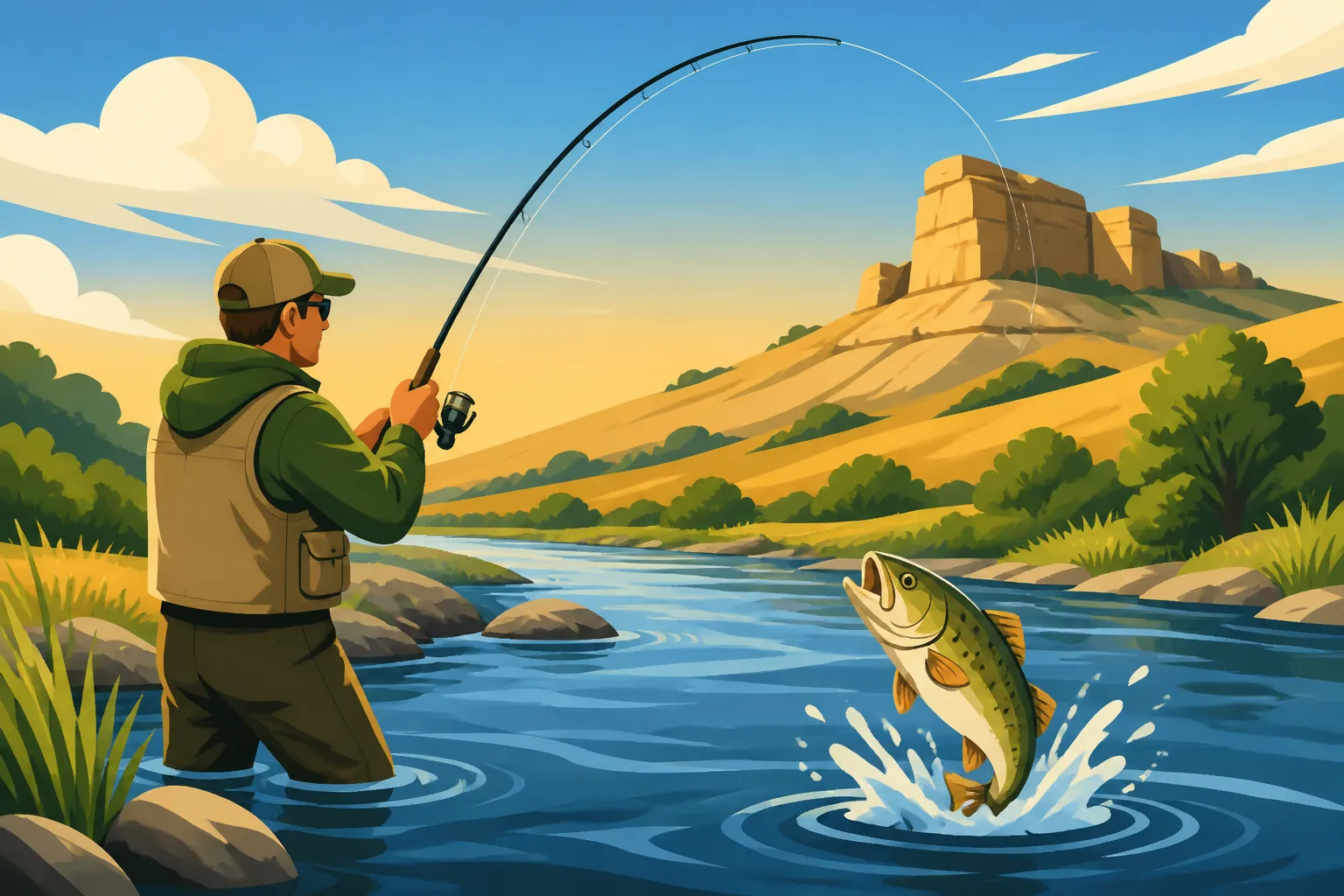
Wading offers an even more intimate experience and allows you to reach spots inaccessible from the bank. However, safety is paramount. The bottom can be uneven, slippery, and surprisingly deep in spots. Always use a wading staff, wear appropriate wading boots with good grip, and consider a PFD, especially if you're venturing into deeper or faster currents. Focus your wading efforts on shallower riffles, gravel bars, and the edges of deeper channels. You can use lighter tackle when wading, such as a medium-action spinning rod, for targeting white bass or smaller channel catfish with jigs and spinners. Remember to always be aware of your surroundings, especially fluctuating water levels or sudden increases in current, which can happen after heavy rains upstream.
Boating the River: What You Need to Know
For those looking to explore more extensive sections of the Smoky Hill, especially the wider lower stretches, a boat can be invaluable. However, this isn't your typical reservoir boating experience. Jon boats, small utility boats, or even canoes and kayaks are generally the best choices due to the river's often shallow nature, numerous snags, and occasionally swift currents. Large bass boats or deep-V walleye boats are typically unsuitable for most of the river. If you plan to use a motor, a shallow-running jet drive or an electric trolling motor is often more practical than a prop-driven outboard, which can easily be damaged by submerged rocks and logs.
When boating, the same principles of reading the river apply. Navigate slowly and cautiously, especially in unfamiliar territory. Look for deep channels, scour holes, and slack water adjacent to heavy current. Many anglers use their boats to strategically position themselves to fish deep holes or cast to log jams that are out of reach from the bank. Drifting with the current, while presenting cut bait or live bait, is a highly effective technique for covering water and locating active catfish. Be mindful of areas with strong current, low-head dams, or rapids, as these can pose significant dangers. If you're new to navigating Kansas rivers by boat, consider learning more about Kansas Boat Registration for Anglers and Kansas Boating Safety Equipment Requirements before heading out.
Using a reputable guide service can also be a game-changer, especially for new anglers to the river. Services like those found through FishingBooker, for instance, often connect you with local experts who know the river's hidden gems, safe navigation routes, and the best techniques for specific species. They can provide invaluable insight and accelerate your learning curve, turning a potentially frustrating trip into a successful one.
Access Points, Regulations, and Local Insights
Before you even wet a line in the Smoky Hill River, it's crucial to understand where you can legally access the water, what rules you need to follow, and some general etiquette to ensure a smooth and enjoyable experience for everyone.
Navigating Public Access and River Entry
Public access to the Smoky Hill River can be a mixed bag, varying significantly along its length. In some areas, particularly in more populated regions like Salina or Lindsborg, you might find designated public parks or boat ramps offering easy entry. The Kansas Department of Wildlife, Parks and Tourism (KDWP) manages several public fishing access points, often marked by signs. These can be gravel ramps, designated bank fishing areas, or even walk-in access points through wildlife areas. Always look for KDWP signs or consult their online maps for the most up-to-date information on public access.
Beyond designated spots, much of the river flows through private land. It is absolutely critical to respect private property rights. This means obtaining permission from landowners before crossing or fishing on private property. Trespassing is not only illegal but can also lead to the closure of existing access points, harming the fishing community as a whole. Always err on the side of caution; if you're not 100% sure it's public access, assume it's private and seek permission.
When planning your trip, consider using online mapping tools or even calling the local KDWP office for specific areas you're interested in. They can often provide details on the best access points and current river conditions. For a broader understanding of where you can fish across the state, guides like Kansas State Fishing Lakes Guide and Kansas River Fishing Guide can offer valuable context, even if they don't directly cover every inch of the Smoky Hill. If you're thinking about booking a trip with an experienced guide, FishingBooker is a great resource to find local guides who specialize in river fishing and already have a deep understanding of legal access points.
Key Regulations and Conservation Considerations
Just like any other body of water in Kansas, fishing the Smoky Hill River requires adherence to statewide and sometimes localized regulations. The most fundamental requirement is a valid Kansas Fishing License Guide, which is mandatory for most anglers over the age of 16. Always carry your license with you when fishing.
Beyond the license, familiarize yourself with the current Kansas Fishing Regulations Explained, including daily creel limits and length limits for specific species. While the Smoky Hill is primarily known for catfish, which often have generous limits, it's vital to know these rules for every species you might encounter, such as white bass or paddlefish. Regulations are in place to ensure sustainable fish populations for future generations, and responsible angling is key to their success. For instance, knowing the Kansas Catfish Daily Limits can prevent an accidental over-harvest.
Conservation also extends beyond just limits. Practicing "Leave No Trace" principles is essential on the Smoky Hill. Pack out everything you pack in, and avoid leaving behind fishing line, bait containers, or other trash. Consider practicing catch and release for larger, trophy-sized flathead or blue catfish, especially if you're not planning to eat them. These large breeders are crucial to the river's ecosystem. Also, be mindful of bait rules; some species of baitfish are illegal to use or possess in certain areas to prevent the spread of invasive species. A quick check of the KDWP regulations summary will clarify any local nuances. Fishing responsibly ensures that the Smoky Hill River remains a fantastic resource for all anglers for years to come.
Disclaimer
Please note that fishing conditions, regulations, and access points can change. Always consult the latest Kansas Department of Wildlife, Parks and Tourism (KDWP) regulations and maps before planning your fishing trip to ensure you have the most current and accurate information. This guide is for informational purposes only and does not replace official state regulations.