Toronto Lake Fishing Spots in Kansas
Feeling a bit overwhelmed trying to pinpoint the best fishing spots on a new lake, especially one like Toronto Lake that offers a mix of challenges and rewards? It's a common frustration, isn't it? You want to spend your time fishing, not aimlessly searching. This guide is going to cut through the guesswork, diving deep into Toronto Lake's unique geography, detailing the prime locations, and sharing the insider tips you need to consistently catch fish, whether you're a seasoned angler or just starting out.
Toronto Lake: A Hidden Gem in Southeast Kansas
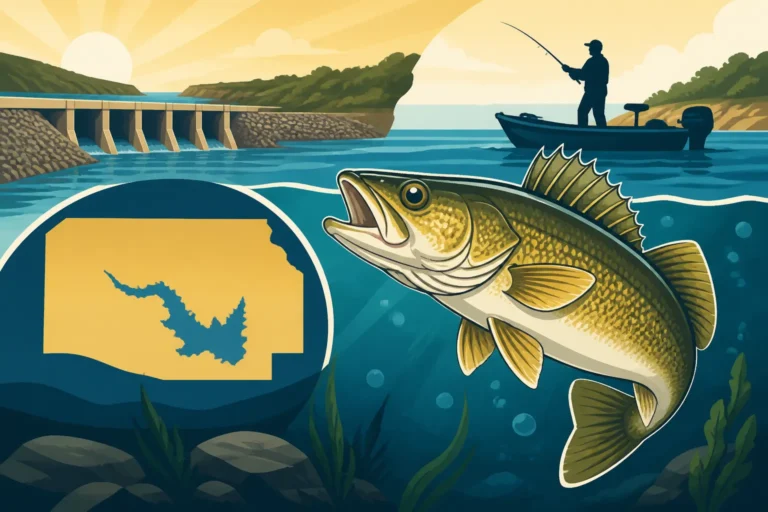
Toronto Lake, nestled in the scenic Flint Hills of southeast Kansas, is one of those lakes that truly embodies the Kansas fishing experience. It’s an Army Corps of Engineers reservoir on the Verdigris River, offering a fantastic mix of sportfishing opportunities that often get overlooked in favor of the bigger, more well-known lakes. At roughly 2,800 surface acres and surrounded by Toronto State Park and Cross Timbers State Park, it provides ample public access and diverse habitats for a variety of popular game fish. However, like any good fishing spot, it has its quirks – fluctuating water levels, especially after heavy rains, can change how and where the fish are holding. Don't let that deter you; with a little local knowledge, Toronto Lake can be incredibly rewarding.
Understanding the Lake's Layout and Habitat
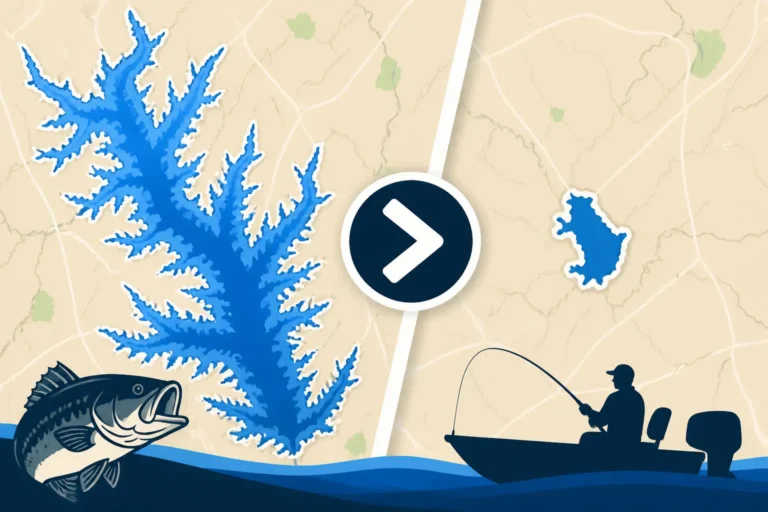
Toronto Lake’s structure is a fantastic blend of submerged timber, rocky points, deep channels, and vast flats, all of which create ideal homes for different species throughout the year. The Verdigris River channel, which winds through the lake, acts as a major highway for fish movement, especially during spawning seasons or when seeking deeper, cooler water in summer. You’ll find significant standing timber in the upper reaches of the lake, particularly in the areas where the river first enters, providing excellent cover for crappie and bass. As you move further downstream towards the dam, the lake opens up more, with distinct creek arms like Holiday Creek and Mann's Creek offering their own unique fishing scenarios. The shoreline itself is a mix of rock and dirt, with plenty of areas to cast from the bank if you don't have a boat.
Seasonal Changes and Their Impact on Fishing
Just like life, fishing on Toronto Lake is all about timing and adapting to the seasons. Each time of year brings its own set of challenges and opportunities. Spring, for instance, sees a flurry of activity as fish move shallow for spawning. Bass will be guarding nests in coves, while crappie will be thick in brush piles. Summer pushes fish deeper or into shaded cover, making early mornings and late evenings, or even night fishing, particularly effective. You might find yourself fishing deeper drop-offs or beneath boat docks. As fall arrives, fish gorge themselves, often moving back to shallower points and humps to feed aggressively before winter sets in. Winter fishing, while less popular, can be surprisingly good for crappie and catfish in deeper holes, though ice fishing is less common on Toronto due to its fluctuating temperatures and typical lack of consistent, safe ice cover compared to more northern Kansas lakes.
Targeting Key Species and Prime Spots
Toronto Lake is renowned for its healthy populations of crappie, bass, and catfish, with white bass also making strong appearances, especially during their spring runs. Knowing where and when to find these fish is half the battle, and Toronto offers distinct patterns and hotspots for each.
Crappie Hotspots and Techniques
Crappie are arguably the most sought-after fish at Toronto Lake, with both white and black crappie thriving in its woody cover.
- Spring Spawn: When the water temperatures hit the mid-50s to low 60s Fahrenheit (typically April to May), crappie move into shallow coves and creek arms like Holiday Creek, Mann's Creek, and areas around the Toronto Point Campground. Look for submerged brush piles, standing timber, and laydowns in 2-6 feet of water. Jigs (1/16 to 1/8 oz) in chartreuse, black and chartreuse, or white, tipped with a small minnow, are deadly. Slow trolling with multiple poles around these covers, or casting jigs to individual brush piles, are effective Kansas Spring Crappie Fishing Tips.
- Summer Patterns: As temperatures rise, crappie retreat to deeper, cooler water, often suspending over the old river channel or concentrating around deeper brush piles and submerged timber in 10-20 feet of water. Using your fish finder to locate these schools is key. Spider rigging with minnows or small jigs, or vertical jigging over brush piles, can be very productive. Early morning and late evening bites are best.
- Fall Feeding Frenzy: In the fall, crappie become more active, moving to creek channels and main lake points to feed on baitfish. They can be found at various depths, often associated with structure like rock piles or timber edges. Small crankbaits, spoons, or jigs cast to these areas can elicit aggressive strikes.
Bass Fishing Strategies
Largemouth bass are abundant in Toronto Lake, with plenty of opportunities for anglers to chase them. Smallmouth bass are less common but can be found in the rip-rap around the dam or rocky points.
- Largemouth Bass:
- Spring: Like crappie, largemouth move shallow for spawning. Target coves, protected flats, and areas with submerged timber or vegetation in the upper half of the lake. Popular spots include the backs of Holiday Creek and Mann's Creek, and the shallow bays near Cross Timbers State Park. Spinnerbaits, Texas-rigged worms, shallow crankbaits, and jigs pitched into cover are excellent choices.
- Summer: Bass move to deeper cover, seeking cooler water and shade. Look for them along the main lake points, drop-offs into the river channel, and around submerged timber in 8-15 feet of water. Topwater lures can be effective during low-light hours, while deep-diving crankbaits, shaky head worms, and Carolina rigs work well during the day. Consider Kansas Night Fishing Guide for an exciting challenge during the warmer months.
- Fall: Bass become highly aggressive as they fatten up for winter. They'll chase baitfish on main lake points, humps, and along the creek channels. Crankbaits, jerkbaits, and Alabama rigs can be very effective when fish are schooling and actively feeding.
- Smallmouth Bass: While not the primary target, if you're keen on smallmouth, focus your efforts on the rocky areas near the dam and other main lake points with significant rock structure. Crankbaits that imitate crawfish, finesse jigs, and tubes are good options.
Catfish Prowess
Toronto Lake is a fantastic destination for channel catfish and offers good opportunities for flathead catfish. Blue catfish are present but less common than the other two species.
- Channel Catfish: These aggressive eaters are widespread throughout the lake.
- Spring/Summer: Channel cats move into shallower areas to spawn and feed. The upper reaches of the Verdigris River arm, where the current is present, and the shallow flats of the main lake are productive. Baits like cut bait (shad or sunfish), prepared stink baits, worms, and chicken liver are irresistible to them. Fishing from the bank is very popular and effective Kansas Catfish Fishing Techniques.
- Fall/Winter: Catfish move to deeper holes in the river channel and around submerged timber. Still fishing with cut bait or large prepared baits on the bottom is the way to go.
- Flathead Catfish: For those seeking a trophy, flatheads lurk in the deeper, woodier parts of the lake, especially around large submerged trees and log jams in the river channel. Live bait, such as sunfish or small carp, is the only consistent way to target these predatory giants. Fishing at night can be particularly effective.
- Blue Catfish: While not as prominent as channel or flathead, you might encounter blue cats in the deeper sections of the river channel, particularly near the dam. They prefer fresh cut bait.
| Species | Peak Season | Prime Locations | Recommended Baits/Lures |
|---|---|---|---|
| Crappie | Spring, Fall | Submerged brush piles, standing timber in coves (Holiday, Mann's Creek), river channel | Small jigs (chartreuse, white), minnows |
| Largemouth Bass | Spring, Summer, Fall | Shallow coves, timber, main lake points, drop-offs | Spinnerbaits, plastic worms, crankbaits, jigs |
| Channel Catfish | Spring, Summer | Upper river arm, shallow flats, creek mouths | Cut bait, stink bait, worms, chicken liver |
| Flathead Catfish | Summer, Fall | Deep submerged timber, log jams, river channel | Live sunfish, small carp |
| White Bass | Spring (runs) | Upper river arm, main lake points, open water during schooling | Small spoons, inline spinners, Kastmasters |
Practical Tips for a Successful Toronto Lake Trip
Beyond knowing where the fish are, having the right approach and gear makes a huge difference. Toronto Lake presents a unique set of circumstances that experienced anglers learn to navigate.
Navigating Water Level Fluctuations
One of the biggest factors influencing fishing at Toronto Lake is its dynamic water levels. The U.S. Army Corps of Engineers manages the lake, and releases or heavy rainfall can cause significant changes. When water levels are high, fish often move into newly flooded vegetation, making excellent shallow water opportunities, but also dispersing them more widely. When levels are low, fish consolidate in deeper channels and structure. Always check the current lake level before your trip through the Army Corps of Engineers website or local bait shops. This intel will help you adjust your target depth and preferred locations. For those bringing a boat, understanding these fluctuations is critical for safe navigation and knowing which ramps are accessible; boaters should also be familiar with Kansas Boat Registration Guide requirements.
Essential Gear and Tackle Recommendations
You don't need a huge arsenal to fish Toronto Lake, but having the right tools for the job helps.
- Rods and Reels: For crappie and white bass, a light to medium-light spinning rod (6-7 feet) with 4-8 lb monofilament or fluorocarbon line is ideal. For bass and catfish, a medium to medium-heavy baitcasting or spinning setup (6'6" to 7'6") with 10-20 lb test line will give you the power to handle larger fish and heavier cover. Don't forget to review Best Rods and Reels for Kansas Fishing for more specific recommendations.
- Baits and Lures:
- Live Bait: Minnows are a must for crappie, and worms are universally effective for panfish and smaller catfish. Live sunfish are essential for serious flathead anglers.
- Artificials: A variety of jigs (tube jigs, marabou jigs), small spoons (like Kastmasters for white bass), crankbaits (shallow and deep divers), spinnerbaits, and soft plastics (worms, creature baits) for bass should cover most scenarios. For catfish, don't forget your favorite stink baits and cut baits.
- Electronics: A reliable fish finder with GPS is invaluable for locating submerged brush piles, identifying the river channel, and marking schools of suspended fish. Given the timber, a good trolling motor, perhaps with spot-lock capabilities, can help you hold over structure in windy conditions.
Finding Local Knowledge and Guides
Sometimes, the best way to crack a new lake is to lean on local expertise. Bait shops around Toronto, like the ones in the nearby towns of Eureka or Yates Center, are treasure troves of up-to-the-minute fishing reports and advice. Don't be shy about asking what's biting, where, and on what. If you're looking for a truly guided experience, considering a professional guide who specializes in Toronto Lake can rapidly shorten your learning curve. Services like FishingBooker can help you find and book experienced local guides who know the lake's ins and outs, providing invaluable insights and increasing your chances of a successful outing. They often provide all the necessary gear and know exactly how to adapt to changing conditions.
Regulations and Permits
Before you cast a line, always ensure you're up to date on the current Kansas fishing regulations. This includes understanding statewide limits and lengths, as well as any specific rules for Toronto Lake itself. You'll need a valid Kansas Fishing License Guide for anyone 16 years or older. Additionally, if you plan on visiting Toronto State Park or Cross Timbers State Park, you might need a Kansas State Park Vehicle Permit to access certain areas, though this is separate from your fishing license. Staying informed means a hassle-free day on the water.
Planning Your Trip to Toronto Lake
Toronto Lake offers more than just fishing; it's a complete outdoor destination, making it perfect for a weekend getaway or a longer fishing vacation.
Camping and Lodging Options
Both Toronto State Park and Cross Timbers State Park offer excellent camping facilities, from primitive tent sites to RV hookups with electricity and water. These parks provide direct access to the lake and its amenities, including boat ramps, picnic areas, and hiking trails. If camping isn't your style, nearby towns like Toronto, Yates Center, and Eureka offer limited lodging options, including motels and vacation rentals. Booking in advance, especially during peak fishing seasons, is always a good idea.
Other Recreational Activities
While fishing is the main draw, Toronto Lake provides plenty of other activities for the whole family. Boating, kayaking, and swimming are popular, particularly in the warmer months. The state parks boast extensive trail systems for hiking and mountain biking, allowing you to explore the unique Flint Hills ecosystem. Bird watching is also excellent, with a diverse array of waterfowl and migratory birds passing through the area. This makes Toronto Lake a truly versatile destination for any outdoor enthusiast.
Nearby Amenities and Services
While Toronto Lake feels wonderfully secluded, you're never too far from essential services. The town of Toronto has a few basic amenities, including a gas station and a small store. For more comprehensive supplies, including groceries, bait, and tackle, you'll need to head to Yates Center or Eureka, which are both within a reasonable driving distance. Always stock up on water, snacks, and any specialized fishing gear before heading out to the lake, especially if you plan on spending a full day on the water. Remember that while you can sometimes buy a Kansas Fishing License Online Renewal right from your phone, having essentials beforehand is always wise.
Toronto Lake might not always grab the headlines like Milford Lake or Cheney Reservoir, but it truly holds its own as a fantastic Kansas fishing destination. With its diverse habitat, thriving fish populations, and beautiful natural setting, it offers a rewarding experience for those willing to learn its nuances.
Disclaimer
Please remember that fishing conditions, regulations, and fish populations can change. Always consult the latest Kansas Department of Wildlife, Parks and Tourism (KDWPT) regulations before fishing. This guide is for informational purposes only and should not replace official sources.