Fall River Lake Fishing Spots in Kansas
Trying to figure out where to cast your line on a new lake can be downright overwhelming, especially when you're looking at a place like Fall River Lake. It's not just a big body of water; it’s got tons of hidden coves, submerged timber, and varying depths that can make finding fish feel like searching for a needle in a haystack. But don't you worry, because this guide is going to break down the very best fishing spots on Fall River Lake, giving you the lowdown on what to target and when, so you can spend less time guessing and more time reeling in your next big catch.
Getting to Know Fall River Lake: A Gem in Southeast Kansas
Fall River Lake is a beautiful Army Corps of Engineers reservoir nestled in southeastern Kansas, near the town of Fall River. It's a place that holds a special spot in many anglers' hearts, known for its diverse fishery and picturesque limestone bluffs. But before we dive into the exact honey holes, it helps to understand what makes this lake tick.
Fall River Lake's Unique Characteristics and Layout
Unlike some of the massive, wide-open reservoirs in Kansas, Fall River Lake offers a more intricate landscape. It spans about 2,450 surface acres at conservation pool, but it stretches for miles, following the winding path of the Fall River and its tributaries. This means you'll find plenty of creek channels, submerged timber, and rocky points that provide ideal habitat for various fish species. The lake is generally shallower in its upper reaches, gradually deepening as you move closer to the dam. The water clarity can vary, often showing a slight stain, especially after heavy rains, which can actually be a good thing for certain species like crappie and catfish.
What truly sets Fall River Lake apart is its topography. You'll encounter dramatic limestone cliffs and bluffs along its edges, particularly on the main lake body. These rock formations extend underwater, creating ledges, drop-offs, and rocky bottom structures that are magnets for predatory fish. The river arms, particularly the Fall River arm and the Walnut River arm, are characterized by flooded timber and standing dead trees, which provide excellent cover for crappie and bass. Understanding these distinct features is key to unlocking the lake's potential.
Primary Fish Species You'll Find Here
Fall River Lake is a multi-species angler's dream, hosting a robust population of popular game fish. You'll find an abundance of Channel Catfish, which are often the easiest to catch and make for fantastic table fare. The lake also boasts a healthy population of Crappie – both black and white – which draw a lot of attention, especially during their spawning season.
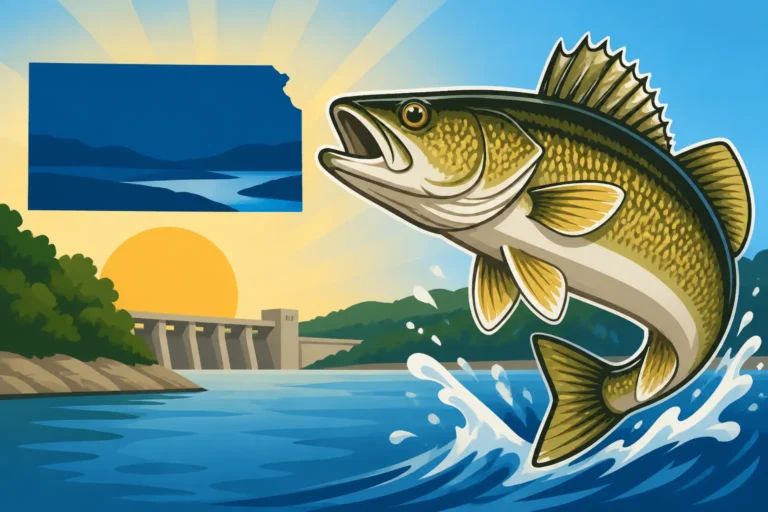
Walleye are another major draw, known for their elusive nature but rewarding fight and delicious meat. Anglers specifically targeting these toothy critters often have great success here. For those who love the thrill of a hard-fighting sportfish, Largemouth Bass and White Bass are prevalent throughout the lake, offering exciting action. There are even opportunities for other species like Flathead Catfish, Bluegill, and even the occasional Paddlefish in the river arms during certain seasons. It's a veritable smorgasbord, ensuring there's something for everyone, whether you're chasing dinner or a trophy.
Prime Fishing Spots on Fall River Lake for Every Angler
Now that we've got the lay of the land, let's talk about where to drop a line. Fall River Lake has specific areas that consistently produce for different species, and knowing these spots can dramatically increase your chances of success.
Targeting Walleye and Crappie in the Timber and Channels
Walleye and crappie share a common love for structure, especially submerged timber and distinct channel edges. For walleye, the main lake points and humps, particularly those with a rocky or gravel bottom, are excellent starting points. Look for areas where the old river channel swings close to a point. Trolling crankbaits along these contours, especially during low light conditions or at night, can be incredibly effective. The area around the dam, with its deeper water and rocky structure, is also a prime walleye spot, particularly in cooler months.
Crappie, on the other hand, are almost synonymous with the flooded timber in the lake's upper reaches and river arms. The Fall River arm, upstream from the main body, is packed with standing dead trees. Similarly, the Walnut River arm offers vast expanses of timber. When the crappie are staging for their spawn in spring, they’ll move into shallower timber-filled coves. In the summer and fall, they'll often suspend around the deeper timber or concentrate along the old creek channels. Jigging small jigs or using minnows around these trees is a classic and highly effective technique. Many anglers will use their electronics to locate schools of crappie holding tight to the submerged branches before presenting their baits.
Chasing Bass in the Coves and Rocky Areas
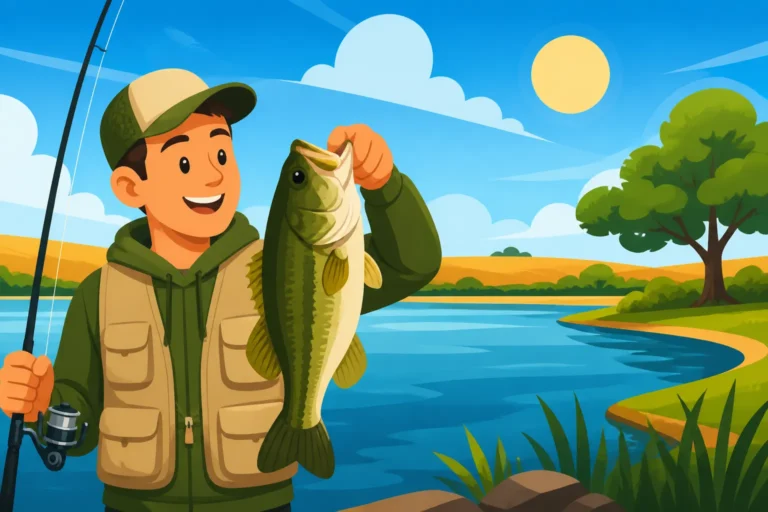
Largemouth bass in Fall River Lake love to hide in cover, whether that's submerged brush, weed beds, or rocky outcroppings. The numerous coves around the lake, especially those with some standing timber or brush piles, are excellent places to start. During the spring, as water temperatures rise, bass will move into the shallow, warmer waters of these coves to spawn. Look for visible structure like laydowns and rocky banks. Texas-rigged worms, spinnerbaits, and shallow crankbaits are great choices here. As the season progresses and temperatures climb, the bass will retreat to deeper cover.
For smallmouth bass, or even largemouth that prefer harder structure, the rocky bluffs and main lake points are your best bet. These areas offer immediate access to deeper water and plenty of crevices for ambush predators. Throwing crankbaits, jigs, or even topwater lures early in the morning along these rocky edges can be highly productive. Focus on transitional areas where rock meets mud or where a steep drop-off provides a quick escape route for the fish. For those looking for a diverse experience, a good fishing guide on a platform like FishingBooker can help pinpoint the hottest bass action.
Finding Catfish in the River Arms and Deeper Pools
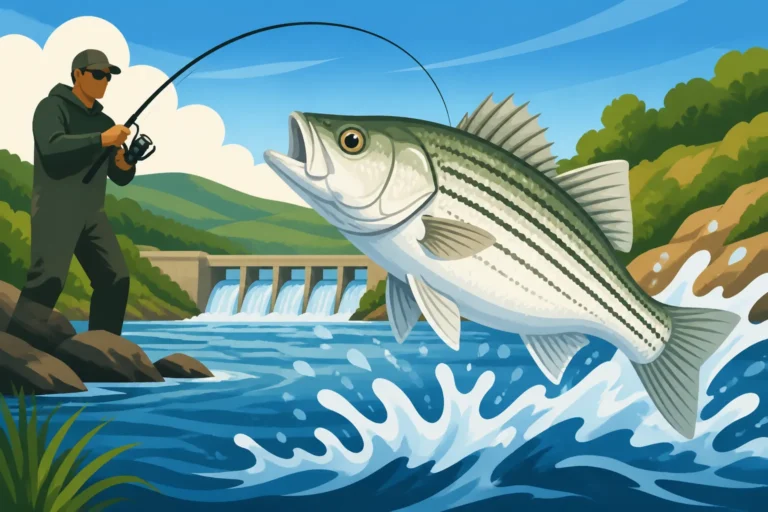
Catfish are abundant in Fall River Lake and are often the most cooperative species. Channel catfish are everywhere, from the shallow flats to the deeper channels. The river arms are particularly good for all three species: channel, blue, and flathead catfish. In the Spring, during the Kansas Catfish Fishing Techniques season, the shallower mud flats and creek channels of the river arms will hold large numbers of channel cats. Using prepared baits, cut bait, or worms fished on the bottom are simple yet effective methods.
For bigger flatheads, you’ll want to focus on the deeper holes and log jams in the river channels, particularly at night. Live bait, such as sunfish or bluegill, is almost always the go-to for these giants. Blue catfish, while perhaps less common than channels, are also present and can be found in the main lake basin's deeper, open water areas, especially near the old river channel. Drifting cut bait or fresh shad across these deeper areas can entice a bite from a large blue cat. The tailwaters below the dam can also be fantastic for catfish, especially after water releases. Remember, checking the current Kansas Fishing Regulations Explained is always a good idea, as limits and sizes can vary.
Seasonal Strategies for Maximizing Your Catch at Fall River Lake
Fishing success often hinges on understanding seasonal patterns. Fall River Lake is no exception, with distinct changes in fish behavior throughout the year.
Spring Spawning Action and Early Season Bites
Spring is arguably the most exciting time to fish Fall River Lake. As water temperatures rise, crappie, walleye, and bass all begin their annual spawning rituals. Crappie will be moving into the shallow, warmer coves, especially those with flooded timber or brush piles. This is when anglers can fill coolers quickly, casting small jigs or minnows. For a detailed breakdown on specific tactics, you might want to explore articles like Kansas Spring Crappie Fishing Tips.
Walleye will stage for their spawn around rocky points and riprap near the dam or main lake points. Trolling crankbaits or jigging spoons can be effective as they move up to spawn. Bass, particularly largemouth, will also be in the shallows, preparing to spawn. Look for them in protected coves with wood cover. Spinnerbaits, jigs, and soft plastics are excellent choices during this period. The early season can also see a strong white bass run in the upper river arms as they migrate upstream to spawn.
Summer Patterns and Night Fishing Opportunities
As the Kansas summer heat sets in, many fish species, especially walleye and bass, move to deeper, cooler waters or become more active during low-light periods. Walleye will often be found holding on deep structure like humps, ledges, or the old river channel breaks. Trolling deep-diving crankbaits or presenting jigs vertically can be productive.
Catfish, however, remain active throughout the summer. Night fishing for catfish on Fall River Lake can be exceptionally productive, particularly for flatheads and blue cats. They'll often move shallower at night to feed. Anchoring in the river arms or deeper coves and fishing cut bait or live bait on the bottom is a proven method. Night fishing is also fantastic for white bass, which often congregate under lights or near main lake points. If you're looking to plan a trip, remember that a local guide found on FishingBooker can provide invaluable insights into these summer patterns.
Fall Feeding Frenzies and Winter Prospects
Fall at Fall River Lake is a time of transition and often, explosive feeding. As water temperatures cool, many fish species go on a major feeding binge to fatten up for winter. Walleye and crappie will often move shallower again, similar to spring, but with a renewed aggressiveness. Crappie can be found in timbered coves and creek channels, while walleye will hit rocky points and ledges hard. This is a great time for casting crankbaits, spoons, or jigs.
Bass will also be actively feeding, chasing baitfish schools in the main lake coves and along points. Topwater action can be great in the early morning, followed by crankbaits and jigs through the day. Catfish activity remains strong, especially the larger blues and flatheads, as they pack on weight. While Fall River Lake isn't typically known as a major ice fishing destination due to inconsistent ice conditions, if safe ice forms during severe winters, anglers can find success targeting crappie and channel catfish, similar to other Kansas Ice Fishing Guide locations.
Angler Access and Essential Tips for Fall River Lake
Having the right gear and knowing how to access the lake are just as important as knowing where the fish are.
Boat Ramps, Marinas, and Shoreline Access
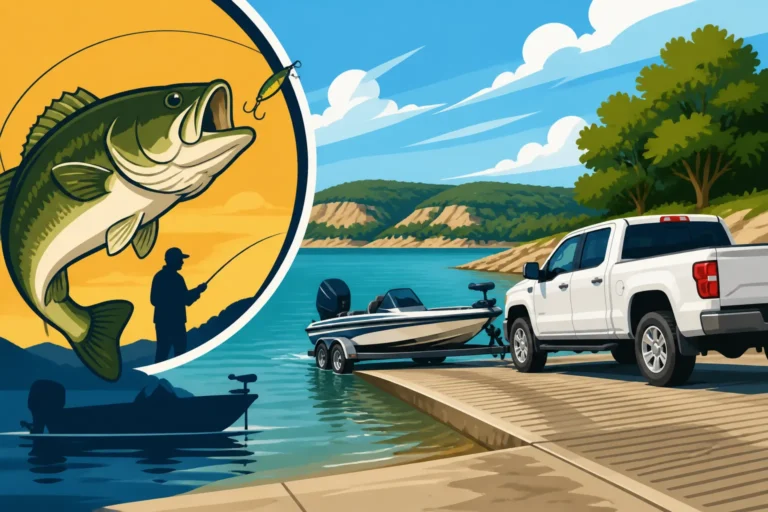
Fall River Lake is well-equipped for anglers, offering multiple public boat ramps managed by the Army Corps of Engineers and Kansas Department of Wildlife, Parks, and Tourism (KDWPT). Popular ramps include those at Fall River State Park, such as the Fredonia Bay and Quarry Bay ramps. These provide excellent access to the main lake body. For those looking to access the timber-filled river arms, ramps further upstream on both the Fall River and Walnut River sections can be more advantageous.
While much of the best fishing is from a boat, there are also opportunities for bank fishing. Fall River State Park provides numerous shoreline access points, including some accessible piers. These spots are great for channel catfish, crappie, and sunfish, especially during the spring and fall. Always be mindful of private property when seeking shoreline access and respect any posted signs. If you're considering launching a boat, familiarizing yourself with the Kansas Boat Registration Guide beforehand is essential to ensure a smooth trip.
Regulations, Bait, and Local Expertise
Before heading out, always ensure you have a valid Kansas Fishing License Guide and are familiar with the specific regulations for Fall River Lake, including daily creel limits and length limits for species like walleye and crappie. The KDWPT website is the best resource for the most up-to-date information.
For bait, live minnows are king for crappie, especially in the cooler months. Worms, chicken livers, and various stink baits are excellent for channel catfish. For flatheads, live perch or sunfish are preferred. Walleye will hit a variety of artificial lures, including crankbaits, jigs, and spinner rigs, often tipped with a nightcrawler. Bass anglers will find success with everything from plastic worms and jigs to spinnerbaits and crankbaits, depending on the season and conditions.
If you're really looking to maximize your time or learn the nuances of Fall River Lake, consider booking a trip with a local fishing guide. They have years of experience, intimately know the lake's ever-changing patterns, and can put you on fish when you might otherwise struggle. You can often find reputable guides specializing in Fall River Lake through services like FishingBooker, which provides reviews and easy booking options. They can also offer specific insights into Best Rods and Reels for Kansas Fishing that are ideal for the lake's conditions.
Remember, Fall River Lake is a fantastic fishery, but like any body of water, it requires patience and a bit of local knowledge. By understanding its unique characteristics and focusing on these prime spots and seasonal strategies, you're well on your way to a memorable Kansas fishing adventure!
Disclaimer
Please note that fishing conditions, regulations, and fish populations can change. Always consult the official Kansas Department of Wildlife, Parks, and Tourism (KDWPT) website or publications for the most current rules and information before planning your fishing trip to Fall River Lake. This guide is for informational purposes only and does not guarantee fishing success.