Kansas White Bass Run Timing
There's nothing quite as frustrating as hearing the buzz about a phenomenal white bass run, only to realize you've missed the peak. You planned your trip, got your gear ready, but somehow the timing just wasn't right. It’s a common struggle for anglers in Kansas, where the white bass run is an eagerly anticipated, yet notoriously fleeting event. This comprehensive guide is here to demystify the 'when' and 'why' of the Kansas white bass run, helping you predict and capitalize on this exciting annual migration.
Understanding the White Bass Run Phenomenon in Kansas
The white bass run is one of Kansas's most exciting annual fishing events, drawing anglers from all over the state to its rivers and tributaries. This natural spectacle is driven by instinct, a powerful urge that moves these feisty fish upstream in vast numbers, offering some of the most frantic and rewarding fishing opportunities of the year. Understanding this phenomenon is key to hitting the run at its prime.
What Exactly is the White Bass Run?
At its core, the white bass run is a spawning migration. As spring approaches and water temperatures begin to rise, adult white bass, which typically spend their time in the deeper waters of reservoirs, feel the primal call to reproduce. They leave the main lake bodies and swim upstream into the inflowing rivers and larger creeks. These shallower, moving waters provide the ideal conditions for them to lay and fertilize their eggs. It's not just a few fish, either; it's often a massive surge, with thousands of white bass congregating in relatively small areas.
This mass movement creates incredible fishing opportunities. When the white bass are running, they are incredibly aggressive, focusing almost entirely on feeding in preparation for, or recovery from, spawning, making them easier to catch. Anglers often report catching dozens, sometimes hundreds, of fish in a single outing during the peak of the run. It's a fast-paced, action-packed experience that many Kansan anglers eagerly await each year.
Why the Timing is So Crucial
Timing is absolutely everything when it comes to the white bass run. This isn't an event that lasts for months; it's typically a window of a few weeks, and the absolute peak might only be a few days. If you're a week too early, the fish might not have moved upriver in significant numbers yet, and the bite could be slow. If you're a week too late, the main migration could be over, and the fish dispersed back into the main lake. Missing this window means missing out on the best chance for high-volume action.
Moreover, the exact timing varies year to year based on environmental factors, making it a bit of a guessing game without proper insight. Factors like a sudden cold snap or a torrential rain event can push the run back or even split it into multiple smaller waves. Learning to read these environmental cues and watching local reports is far more effective than just marking a calendar date. For a broader understanding of how different species move throughout the year, our Kansas Fishing Seasons Guide provides excellent context.
The Lifecycle Stage Driving the Migration
The white bass run is entirely centered around reproduction. When water temperatures reach a certain threshold, typically in the 50s and low 60s Fahrenheit, the mature white bass begin their journey upstream. They're looking for flowing water over gravelly or rocky bottoms, which are ideal for their eggs to settle and hatch. Unlike some fish species that build nests, white bass are "broadcast spawners," meaning they release their eggs and milt into the current, allowing them to drift and adhere to submerged structures.
After spawning, the adult white bass will gradually make their way back down to the main lake. The post-spawn period sees them a bit more scattered and less aggressive, as they recover from the exhaustive spawning process. However, a strong post-spawn bite can still occur as they replenish their energy reserves. Understanding this biological drive helps us predict not just when they'll run, but also what their behavior might be once they're in the rivers.
Key Environmental Factors Influencing the Run
Predicting the white bass run is less about a specific calendar date and more about reading the natural cues that trigger this massive migration. Several environmental factors play critical roles in initiating and sustaining the run, and paying attention to these will significantly increase your chances of being there when the action truly heats up.
Water Temperature as the Primary Trigger
Without a doubt, water temperature is the single most important factor determining when the white bass run will begin. White bass are ectothermic, meaning their body temperature and biological processes are heavily influenced by the surrounding water. As winter eases its grip and spring brings warmer days, the water in Kansas lakes and, more importantly, the inflowing rivers, gradually starts to warm up. When river temperatures consistently reach between 50 and 65 degrees Fahrenheit, it's typically a strong indicator that the run is either beginning or about to peak.
During early spring, reservoir temperatures might still be quite cool, but the shallower, darker bottomed rivers and creeks warm much faster. This temperature difference helps to pull the white bass out of the main lake. Monitoring water temperatures in known white bass hotspots, using a reliable thermometer on your boat or even a simple handheld one from a retailer like Amazon, can give you a critical edge in predicting the start of the run. A sudden cold front can temporarily halt the migration, while a prolonged warm spell will accelerate it.
River Flows and Water Levels
Beyond temperature, the flow rate and water levels of the rivers and streams are critical. White bass prefer a moderate flow for spawning; too little current and the eggs might not disperse properly, too much and they could be washed away. Heavy spring rains can dramatically increase river flows and water levels, which can have a dual effect on the run. Initially, rising water can draw more fish upstream, as it opens up new areas and provides cover. However, if the water becomes too high, fast, and muddy, it can make fishing challenging and even push the fish back into the lake or make them less active.
Ideal conditions often involve a gradual increase in water flow after a period of stable, warming weather. This creates clear, but moving, water that's perfect for both spawning and fishing. Conversely, prolonged drought conditions leading to very low flows can hinder the run, making access difficult for fish and anglers alike. Monitoring USGS river gauges for the specific rivers feeding into major white bass reservoirs like Milford Lake or Cheney Reservoir is a smart strategy to stay informed about current conditions. For detailed information on specific fish species, our Kansas White Bass Guide offers additional insights into their habits.
Weather Patterns and Their Impact
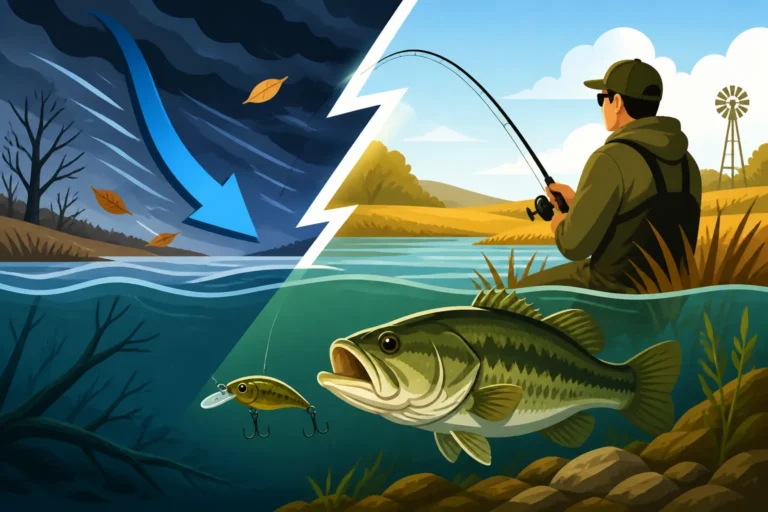
Spring weather in Kansas can be notoriously unpredictable, and these fluctuations have a direct impact on the white bass run. Stable, warm, and sunny days leading up to the run can create perfect conditions, gradually warming the water and encouraging the fish to move. However, sudden shifts, like a major cold front that drops air temperatures by 20-30 degrees, can quickly cool shallow river water, effectively putting the brakes on the migration for a few days. The fish might hold in deeper pools or even retreat until conditions stabilize again.
Heavy rainfall, as mentioned, impacts water levels and clarity. A slight muddying can sometimes be beneficial, offering fish more cover, but excessively turbid water can make it difficult for white bass to locate bait and for anglers to present lures effectively. Conversely, clear, low-flow conditions, while potentially making fish skittish, allow for sight fishing and precise lure placement. Watching the long-range forecast and local weather reports is therefore an indispensable part of planning your white bass run adventures.
Predicting the White Bass Run in Specific Kansas Waterways
While the general principles of water temperature and flow apply statewide, the exact timing and characteristics of the white bass run can differ significantly from one Kansas waterway to another. Knowing the nuances of key fishing spots can help you fine-tune your predictions and be at the right place at the right time.
Major Reservoirs and Their Tributaries
Kansas is home to numerous large reservoirs, and many of these are renowned for their incredible white bass fishing. When these big lakes experience their annual white bass run, the action often concentrates in the inflowing rivers and larger creeks.
- Milford Lake: This is arguably the most famous white bass run destination in Kansas. The Republican River, which feeds into Milford Lake near Junction City, becomes a white bass superhighway. Anglers flock to areas like the river sections above the lake, particularly around the Wakefield area, and even the riprap near the dam. The Milford Lake White Bass Run is legendary, often starting in late March and peaking in April, depending on conditions. The small tributary creeks like School Creek and Fancy Creek can also hold fish as they push further upstream.
- Cheney Reservoir: Located west of Wichita, Cheney is another prime white bass spot. The North Fork of the Ninnescah River and associated creeks are the primary migration routes here. The run at Cheney can sometimes occur a bit earlier than northern lakes due to its more southerly location. Anglers often target spots upstream of the lake, especially where current is concentrated.
- Wilson Lake: Known for its clear waters and excellent walleye fishing, Wilson Lake also offers a fantastic white bass run in its tributaries, primarily the Saline River. The run here can be a bit later than other lakes due to the deep, slow-to-warm nature of the Saline, typically hitting its stride in April into early May.
- Tuttle Creek Lake: Upstream of Manhattan, the Big Blue River and Fancy Creek feed into Tuttle Creek, providing excellent white bass opportunities. Access points around the river mouths and further upstream can be highly productive.
Each of these reservoirs has unique characteristics, but the common thread is the search for warming, moving water upstream from the main lake body. For a comprehensive overview of top angling locations, check out our guide to the Best Fishing Lakes in Kansas.
River Systems and Feeder Creeks
It's not just the big rivers feeding reservoirs that host white bass runs. Many smaller, independent river systems and larger creeks across Kansas will also see concentrations of white bass moving upstream to spawn. These might not be as widely publicized as the major reservoir runs, but they can offer fantastic, less crowded opportunities.
For instance, sections of the Kansas River, while primarily known for catfish, can see localized white bass concentrations, especially in its smaller tributaries or below low-water dams during favorable conditions. The Republican River Fishing Access points upstream from Milford offer multiple entry points for anglers looking to intercept the fish on their migration. Similarly, the Cottonwood River and Neosho River in eastern Kansas, as well as parts of the Arkansas River in the west, can produce good white bass action in their headwaters or smaller feeder streams. The key is to look for areas with current, gravel bottoms, and access points.
Monitoring Local Reports and Conditions
In the age of instant information, there's no excuse to go into the white bass run blind. Local knowledge and current conditions are invaluable.
- Online Forums and Social Media Groups: Many Kansas fishing clubs and communities have active online presences. Anglers are often eager to share reports (though sometimes vaguely, to protect their honey holes!). Keep an eye out for phrases like "the bite is on" or "they're moving up."
- Bait and Tackle Shops: The folks working at local bait and tackle shops are often the best sources of up-to-the-minute information. They hear it directly from anglers coming off the water and know exactly what's biting where. Places like Clinton Lake Marina or local tackle stores near Milford will have the pulse of the run.
- Kansas Department of Wildlife and Parks (KDWP) Reports: KDWP frequently updates fishing reports for various lakes and rivers across the state. While these reports might not be daily, they offer a good general overview of conditions and fish activity, especially during peak seasons.
- Personal Reconnaissance: Sometimes, the best way to know is to go. Even a short scouting trip to a suspected hotspot, checking water temperatures and looking for signs of activity, can be highly informative. Watch for other anglers, birds diving, or actual fish jumping.
By combining these strategies, you'll be well-equipped to know when and where the white bass are running hot.
Essential Gear and Techniques for the Run
The white bass run isn't just about timing; it's also about being prepared with the right gear and knowing how to use it. While white bass aren't usually picky, having the right setup can make your experience more enjoyable and successful.
Recommended Rods, Reels, and Line
When targeting white bass during the run, you'll want gear that's sensitive enough to feel the bite, yet strong enough to handle multiple fish or the occasional larger surprise.
- Rods: A medium-light to medium power spinning rod, around 6 to 7 feet in length, is ideal. This length provides good casting distance while still being manageable in tighter river conditions. The faster action will help you detect subtle bites and set the hook quickly. For general gear advice, consult our Best Rods and Reels for Kansas Fishing guide.
- Reels: Pair your rod with a lightweight spinning reel in the 1000 to 2500 size range. Look for a smooth drag system, as these fish are feisty and can make strong runs, especially in current. A good retrieve ratio is also helpful for quickly working lures.
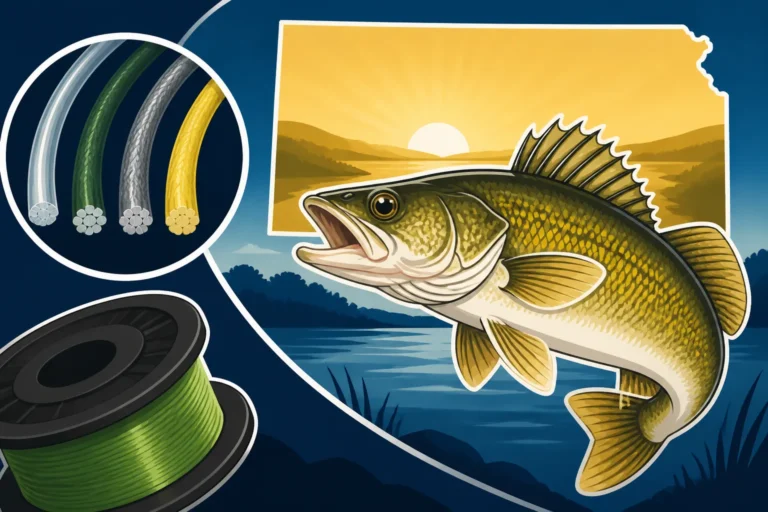
- Line: Many anglers opt for 6 to 10-pound monofilament or fluorocarbon line. Monofilament offers a bit more stretch, which can be forgiving, while fluorocarbon is nearly invisible underwater and has less stretch for better sensitivity. Braided line in a similar strength (10-15 lb test) can also be effective, especially in murky water or when you need maximum sensitivity, though you might want a fluorocarbon leader for stealth. You can find quality fishing lines and all sorts of gear options on Amazon.
| Gear Type | Recommended Specifications | Why It Works for White Bass |
|---|---|---|
| Rod | Medium-light to Medium Power Spinning Rod, 6'-7' Fast Action | Sensitivity for bites, strength for multiple fish, casting distance. |
| Reel | Spinning Reel (1000-2500 series), Smooth Drag System | Lightweight, good retrieve, handles strong runs. |
| Line | 6-10 lb Mono or Fluoro; 10-15 lb Braid w/Fluoro Leader | Balanced stretch/sensitivity, good knot strength, stealth. |
| Lures | 1/8 to 1/4 oz Jigs (Lead Head, Hair, Plastic), Small Spoons, Inline Spinners | Mimic baitfish, provoke reaction strikes, easily castable. |
| Terminal Tackle | Light Wire Hooks (size 4-6), Small Swivels & Snaps | Appropriate for lure size, minimizes line twist. |
Top Lures and Baits for the Run
White bass are aggressive predators, and they'll hit a wide variety of lures during the run. The key is often to use something that mimics baitfish or provides a lot of flash and vibration. For specific lure recommendations, dive into our Best Lures for a White Bass Run article.
- Jigs: These are arguably the most popular and effective lures for white bass.
- Lead Head Jigs with Soft Plastics: Small, 1/8 to 1/4 ounce lead head jigs tipped with 1-2 inch curly tail grubs, paddle tails, or tube jigs are incredibly productive. White, chartreuse, pink, and pearl are perennial favorites. The action of the plastic in the current is irresistible.
- Hair Jigs: Small marabou or bucktail jigs, especially in white or chartreuse, can be deadly. They have a more natural, lifelike action in the water.
- Inline Spinners: Lures like Rooster Tails or Mepps spinners (size 1 or 2) are fantastic, especially when cast across current and reeled steadily. The flash and vibration mimic fleeing baitfish.
- Small Spoons: Casting spoons like Kastmasters or Little Cleos (1/8 to 1/4 ounce) can also be very effective, especially when jigged vertically in deeper holes or retrieved with a stop-and-go action. Silver and gold are classic choices.
- Small Crankbaits: Shallow-diving crankbaits in shad patterns can work in certain situations, especially if the white bass are holding slightly deeper or you're fishing larger pools.
- Live Bait: While artificials are usually king during the run due to the aggressive nature of the fish, live minnows can also be extremely effective, particularly if the bite slows down or the water is cold.
Effective Fishing Techniques
The fast-paced nature of the white bass run demands techniques that allow you to cover water and trigger strikes efficiently. How to Catch Fish During a White Bass Run involves a mix of casting, retrieving, and sometimes even jigging.
- Cast and Retrieve: This is the bread and butter technique. Cast your lure (jig, spinner, spoon) upstream and slightly across the current, allowing it to sink briefly, then retrieve it with a steady pace, adding small twitches or pauses. The goal is to keep the lure moving naturally with the current while still imparting action.
- Vertical Jigging: If you're fishing from a boat or a stationary bank position over a known fish concentration (like a deep hole or below a dam), vertical jigging can be deadly. Drop your lure straight down and lift-drop it repeatedly, mimicking an injured baitfish. This is particularly effective below the dam at Milford Lake, a famous hotspot for white bass. Our Best Spot Below Milford Dam for White Bass offers more details on this technique.
- Drifting: In some wider river sections, drifting with a jig or live minnow under a bobber can also be productive. Let the current carry your bait through suspected holding areas.
- Reading the Water: Look for current seams, eddies behind obstacles, and deeper pools. White bass will often stage in these areas, conserving energy while waiting for baitfish to be swept by. Pay attention to changes in water color or depth.
- Fan Casting: Don't just cast in one direction. Fan cast across the entire area in front of you, starting close and working your way out, to cover as much water as possible until you find where the fish are holding. Once you find them, you'll often catch several from the same spot.
Post-Run Strategies and Summer White Bass Fishing
Once the frenetic energy of the spring white bass run subsides, it doesn't mean the fishing is over. White bass remain an excellent target throughout the summer, though your strategies will need to adapt as the fish disperse and settle into their warm-weather patterns. Understanding where they go and how they behave can extend your white bass season significantly.
Where White Bass Go After the Spawn
As water temperatures continue to climb into the late spring and early summer, the white bass complete their spawning rituals and begin their migration back to the main lake bodies. They leave the rivers and creeks, often seeking out deeper, cooler, and more oxygenated water in the large reservoirs. This transition means they are no longer concentrated in easy-to-target upstream locations, and anglers need to shift their focus to the open water of the lakes.
During this post-spawn period, white bass are often recuperating and feeding heavily to regain energy. They'll start schooling up again, though typically in larger, more spread-out groups than during the run. You'll find them cruising main lake points, humps, and submerged structures. They are still aggressive, but their movements become more nomadic, following schools of shad or other baitfish throughout the vastness of the reservoir.
Finding Them in Open Water
Locating white bass in the expansive waters of a Kansas reservoir like Clinton Lake or El Dorado Lake requires a different approach than river fishing. This is where modern electronics and covering a lot of water become paramount.
- Fish Finders and Sonar: A good fish finder is an indispensable tool for finding schooling white bass in open water. Look for large bait balls, and then search for arches or blobs of fish near, under, or around them. White bass often suspend in the water column, especially over deeper points or humps. You can find excellent fish finders for various budgets on Amazon, making this technology accessible to more anglers.
- Main Lake Points and Humps: White bass frequently congregate around these underwater features. They use them as ambush points to attack passing schools of shad. Focus on points that extend far into the lake or humps that rise significantly from the bottom.
- Deep Water Near Old River Channels: In reservoirs, the original river channels that were flooded often become highways for fish. White bass will patrol these channels, especially where they intersect with points or other structures.
- Surface Activity: Keep a keen eye out for surface activity, especially in early morning or late evening. If you see birds diving or fish breaking the surface, it's a sure sign that white bass are pushing bait to the top. This is often referred to as a "white bass boil" and provides some of the most exciting fishing of the year.
- Wind-Blown Banks: Wind can concentrate baitfish against certain banks, and white bass won't be far behind. Look for shores that have been getting a steady breeze for a few hours.
Adaptable Lures for Deeper Water
While the same jigs and spinners from the run can still work, summer white bass fishing often benefits from lures designed to cover water and fish deeper.
- Slabs and Spoons: Metal spoons, often called "slabs" (like the Go-Devil or Rattle Trap), are incredibly effective for vertical jigging over suspended schools. Drop them down to the depth of the fish, then sharply lift and let them flutter back down. The flash and vibration mimic injured baitfish.
- Road Runners / Underspins: These lures combine a jig head with a small spinner blade underneath, providing both flash and a soft plastic profile. They can be cast and retrieved, or trolled.
- Trolling: Covering large areas of water with crankbaits or slab spoons behind the boat is a highly effective way to locate scattered schools of white bass. Experiment with different depths and speeds until you find the fish.
- Topwater Lures: When white bass are actively chasing bait on the surface (the "boils"), topwater poppers or walking baits can create explosive strikes. This is an incredibly thrilling way to catch them.
Remember to always be mindful of local regulations, including Kansas Daily Creel Limits by Species, to ensure sustainable fishing practices.
Conservation and Responsible Angling During the Run
The white bass run is a fantastic opportunity for anglers, but with great opportunity comes great responsibility. Ensuring the continued health of the white bass population and the enjoyment of this resource for future generations is paramount. Understanding and adhering to conservation practices is part of being a good angler in Kansas. Our Kansas Fishing Regulations Explained guide provides even more detail on the legal aspects.
Practicing Catch and Release Thoughtfully
While white bass are excellent table fare and many anglers participate in the run with the intent to keep a generous limit, practicing thoughtful catch and release can contribute significantly to the sustainability of the fishery, especially for non-spawning fish. If you’re not planning to eat every fish you catch, consider releasing some of the smaller or larger breeding stock.
When releasing fish:
- Handle with Care: Minimize the time the fish is out of the water. Hold it horizontally and support its body. Avoid squeezing its belly or gills.
- Use Barbless Hooks: Barbless hooks, or hooks with pinched barbs, make it much easier and quicker to remove the hook, reducing stress and injury to the fish.
- Revive Properly: If a fish seems stressed or lethargic, hold it gently in the water, facing into the current, until it regains its strength and swims away on its own.
Adhering to Limits and Regulations
Kansas has specific daily creel and possession limits for white bass, designed to protect the population while still allowing anglers to enjoy their catch. These limits can vary, so it’s always important to double-check the latest KDWP regulations before heading out. Over-harvesting, even accidentally, can put a strain on the population, especially during the concentrated spawning period.
- Know Your Limits: Be clear on how many white bass you can legally keep per day and how many you can possess in total. These rules are in place for a reason.
- Accurate Counting: If you're catching a lot of fish, it's easy to lose count. Consider using a clicker counter or a designated cooler for your kept fish to help you stay within the legal limits.
- Understand Age Exemptions: Remember that age requirements apply to who needs a license. For example, Fishing License Age Requirements in Kansas specify that residents age 16 through 74 must have a fishing license, while non-residents 16 and older need one.
Minimizing Environmental Impact
The white bass run often brings a lot of anglers to specific, often sensitive, river and stream environments. It's crucial to minimize your impact on these areas.
- Leave No Trace: Pack out everything you pack in, and perhaps even a little more. This includes discarded fishing line, bait containers, and food wrappers.
- Respect Private Property: Many of the prime white bass fishing spots are near private land. Always respect "no trespassing" signs and gain permission if fishing on private property.
- Avoid Spooking Fish: While the run is active, large numbers of fish can be sensitive to excessive noise or sudden movements, especially in shallower waters. Try to move quietly and thoughtfully.
- Be Mindful of Other Anglers: These spots can get crowded. Practice good angling etiquette, give others space, and be considerate. Remember, we're all out there to enjoy the beauty of Kansas fishing, whether we're seasoned pros or just using Kansas Fishing Techniques for Beginners.
By following these conservation and ethical angling practices, we can all do our part to ensure that the Kansas white bass run remains a thrilling and productive event for many years to come.
Disclaimer
The information provided in this guide is for general informational purposes only and is subject to change. Fishing regulations, seasons, and local conditions can vary. Always consult the official Kansas Department of Wildlife and Parks (KDWP) regulations and local authorities before engaging in any fishing activities. The author and publisher are not responsible for any inaccuracies or consequences that may arise from the use of this information.