Best Time of Day to Catch Walleye
It's a question that's been asked by countless anglers, often whispered with a mix of hope and frustration: "When exactly is the best time to catch walleye?" You’ve probably spent hours on the water, throwing every lure in your box, only to wonder if you just picked the wrong time of day. Well, you're not alone. Walleye, with their light-sensitive eyes and often elusive nature, can certainly make you feel like you're solving a complex puzzle. This guide is here to demystify those feeding windows and help you pinpoint the prime opportunities to hook into those coveted Kansas walleye.
Understanding Walleye Behavior Throughout the Day
Walleye are fascinating creatures, primarily because their activity levels are so closely tied to light conditions. Unlike some other species that might happily munch all day, walleye have adaptations that make them particularly efficient predators in low-light environments. This fundamental characteristic drives their daily movements and feeding schedules across Kansas's many reservoirs and lakes.
Dawn and Dusk: The Golden Hours for Walleye
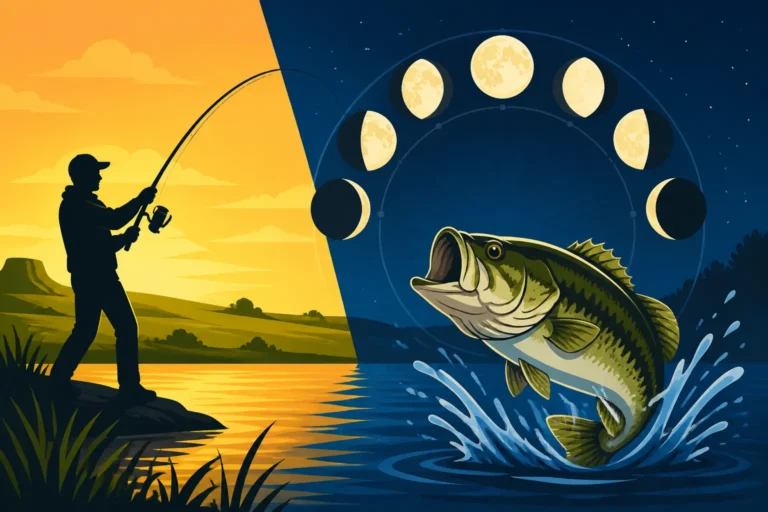
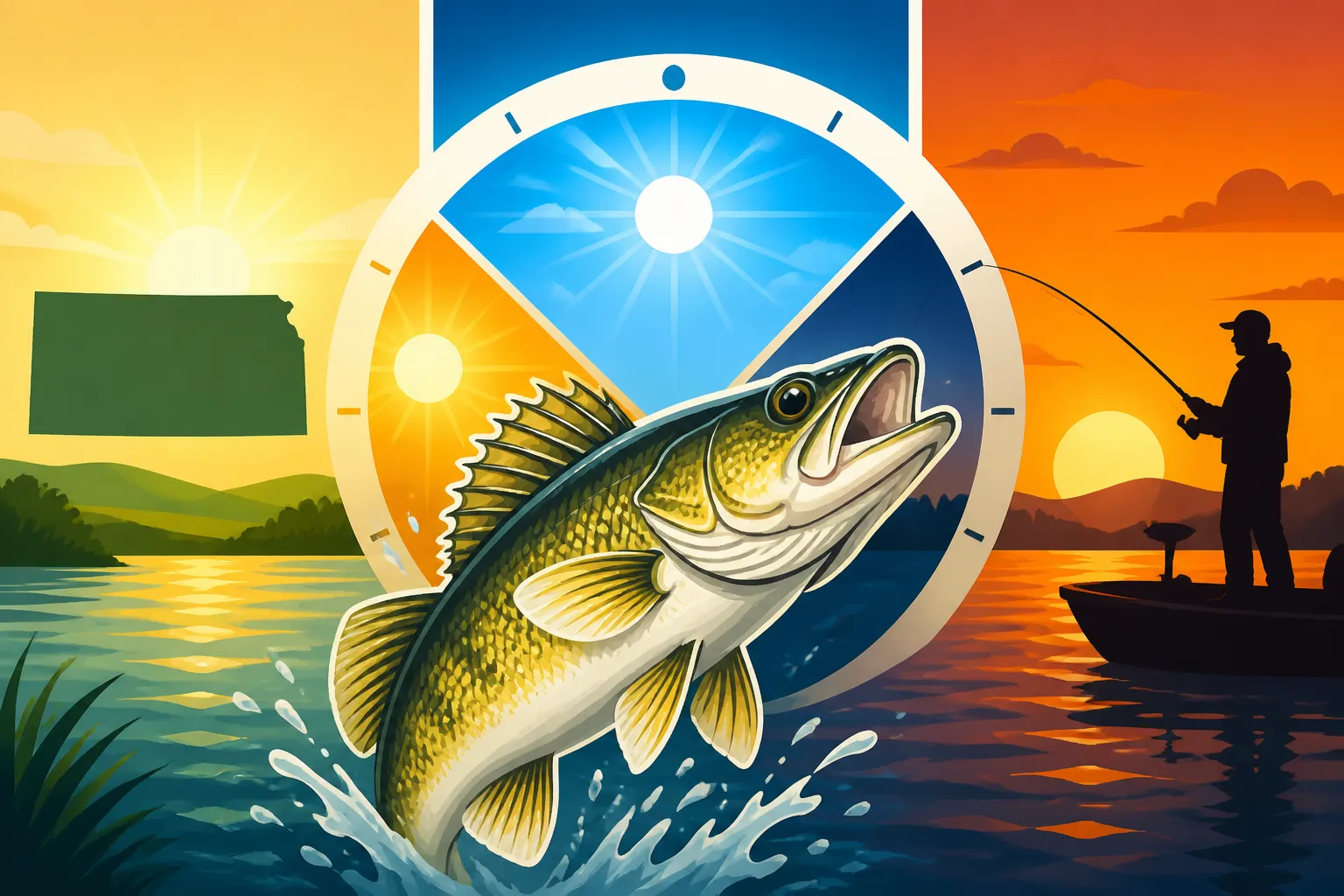
If there’s one universal truth in walleye fishing, it’s that dawn and dusk are often your best bets. These periods, known as crepuscular hours, provide the perfect amount of dim light that walleye eyes are designed for. Their large, reflective tapetum lucidum (the layer behind their retina) allows them to see incredibly well in low light, giving them a distinct advantage over their prey, like shad and other baitfish, which are less adapted to these conditions.
As the sun begins to dip below the horizon or just before it peeks over the eastern sky, you'll often find walleye moving shallower, migrating from their deeper daytime haunts. They might push into rocky points, submerged humps, or the edges of weed lines, actively ambushing unsuspecting baitfish. This is when aggressive presentations can really shine. Think about throwing a jerkbait or casting a crankbait that mimics fleeing prey. Often, the bite can be fast and furious during these brief, but incredibly productive, windows. If you’re looking to stock up on these crucial low-light lures, you can find a vast selection of effective options, like Rapala or Berkley crankbaits, on Amazon.
Mid-Day Challenges and Opportunistic Bites
Fishing for walleye in the bright light of mid-day can feel like an uphill battle, but it's far from impossible. When the sun is high and bright, walleye typically retreat to deeper, darker water. They'll often hug tightly to structure like submerged trees, deep rock piles, ledges, or channel swings where they can escape the intense light. They become less active overall, conserving energy and waiting for more favorable conditions.
However, "less active" doesn't mean "not feeding." Mid-day walleye bites are often opportunistic. If a juicy baitfish happens to swim too close to their dark sanctuary, they won't hesitate to strike. This means your approach needs to change. Instead of aggressive search baits, focus on vertical presentations like jigging spoons, blade baits, or a slowly dragged live bait rig right on top of their heads. Keep an eye on your fish finder to pinpoint those deeper schools, especially on large bodies of water like Milford Lake or Cheney Reservoir. Sometimes, a strong wind creating a good chop on the water can also diffuse the sunlight, encouraging walleye to move shallower even during the day. This "walleye chop" can be a great mid-day advantage.
Night Fishing for Walleye: A Different Ballgame
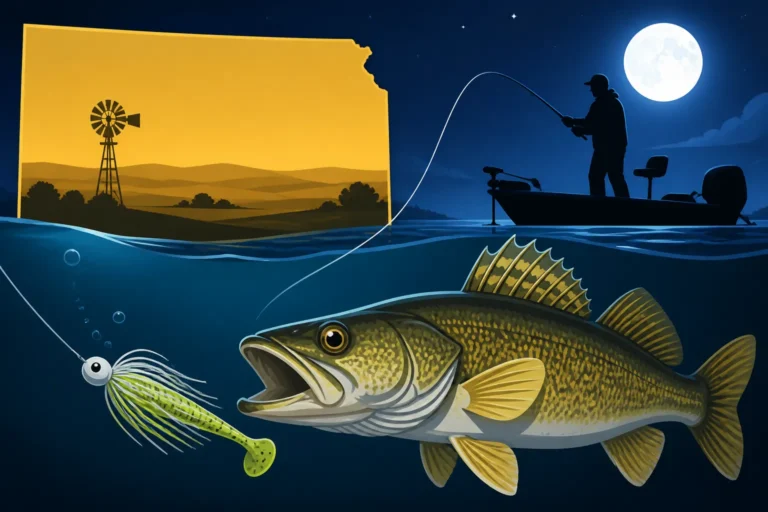
While dawn and dusk are prime, night fishing for walleye, especially in the warm summer months, can be incredibly productive and is often overlooked by many anglers. Under the cover of complete darkness, walleye's light-gathering eyes give them the ultimate advantage. They can become remarkably bold, pushing into incredibly shallow water—sometimes less than five feet deep—to chase baitfish that are themselves seeking cooler surface temperatures.
Popular techniques for night walleye in Kansas include slow-trolling deep-diving crankbaits along main lake points or over offshore humps, or casting noisy topwater lures or stickbaits in shallow bays. Slip bobber fishing with a live minnow or a nightcrawler under a light source (like a small glow stick attached to the bobber) can also be deadly when fishing around lighted docks or bridge pilings where baitfish congregate. Remember to prioritize safety when night fishing; a good headlamp is essential, and you can find many reliable, waterproof options on Amazon that make rigging and navigating much safer. To learn more about fishing after dark, check out our guide on Kansas Night Fishing Guide.
Seasonal Adjustments for Walleye Fishing Times
While low light generally reigns supreme, the "best time" to catch walleye in Kansas shifts significantly with the seasons. Water temperature, spawning cycles, and forage availability all play crucial roles in dictating when and where these fish will be most active. Understanding these seasonal nuances is key to consistent success.
Spring Spawning and Post-Spawn Patterns
Spring is a time of transition and often intense walleye activity. As water temperatures climb into the 40s and 50s Fahrenheit, walleye gather for their annual spawn. In Kansas, this usually occurs from late March through April, often on rocky shorelines, rip-rap areas near dams, or shallow gravel flats in reservoirs like Wilson Lake. During the spawn itself, catching actively spawning fish is generally difficult and often discouraged, but the periods just before and immediately after can be phenomenal.
Pre-spawn walleye will stage in deeper areas adjacent to spawning grounds, often becoming very aggressive as they fuel up for the spawn. Early mornings and late evenings are still prime, but don't rule out mid-day action if conditions are cloudy or windy. After the spawn, female walleye, in particular, will be recuperating and often move to nearby deeper water, while males may linger shallower for a bit longer. The post-spawn bite can be tricky initially but picks up as fish recover. Look for them moving into points and flats to feed as water temperatures rise into the mid-50s. To hone your skills during this crucial period, our Kansas Spring Walleye Fishing Tips offers excellent advice.
Summer's Heat: Early Mornings and Late Evenings Dominate
As Kansas summer temperatures soar and water warms significantly, walleye generally retreat to deeper, cooler, more oxygenated water during the brightest parts of the day. This makes early mornings, late evenings, and especially night fishing, the absolute best times to target them. During these low-light periods, walleye will push up onto main lake points, offshore humps, or along deep-water breaks to feed.
During the daytime, focus on targeting the thermocline (the layer where water temperature changes rapidly) using vertical presentations, or troll deep-diving crankbaits in the main lake basins. Summertime walleye can be found anywhere from 15 to 30 feet deep or more, depending on the lake and specific conditions. They become much more concentrated around deep structure. For an exhaustive look at fishing during this season, check out our Kansas Summer Fishing Guide.
Fall Turnover and Pre-Winter Feeding Frenzy
Fall is another fantastic season for walleye fishing in Kansas, offering some of the year's most consistent action. As water temperatures begin to drop from the summer highs, lakes undergo a process called "turnover." This equalizes water temperatures throughout the water column, often scattering fish temporarily. Once turnover stabilizes, usually in mid-to-late fall, walleye embark on a major feeding spree, bulking up for the winter ahead.
During this period, walleye often become more active throughout the day, though dawn and dusk remain excellent. They'll move to main lake points, humps, and large flats where baitfish are congregating. Trolling crankbaits or casting blade baits and jigging spoons can be incredibly effective. The falling water temperatures make walleye less light-sensitive, encouraging them to be active for longer stretches. For detailed strategies, our Kansas Fall Walleye Fishing Tips will guide you.
Winter Ice Fishing: A Consistent Mid-Day Bite
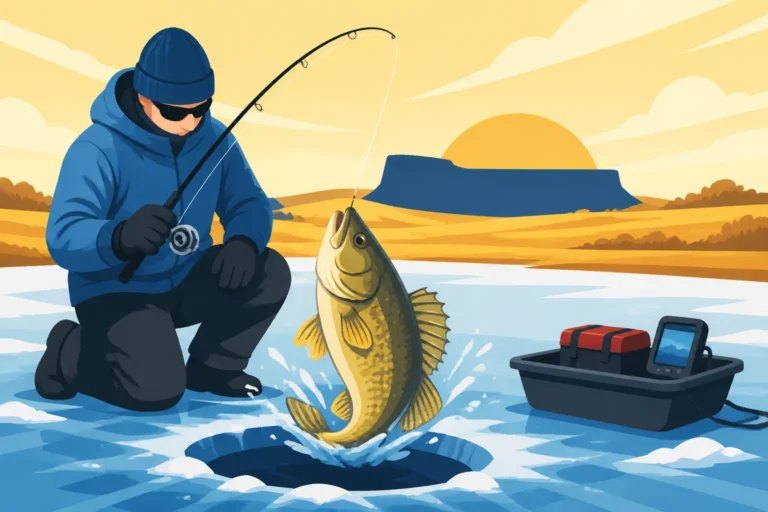
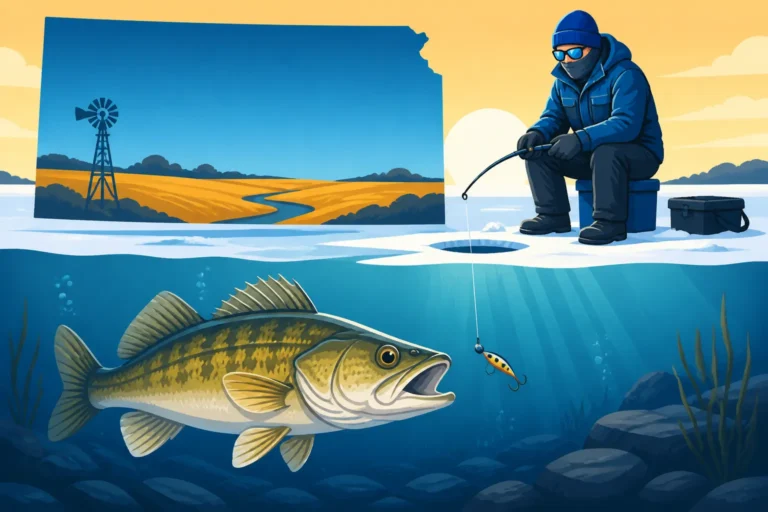
When the lakes freeze over, Kansas ice fishing opens up a whole new dimension for walleye anglers. Interestingly, winter often sees a departure from the strict low-light preference. While early morning and late afternoon can still be good, mid-day (roughly 10 AM to 3 PM) frequently becomes the most productive period for ice fishing walleye. This is because light penetration through the ice is reduced, making mid-day under the ice feel more like perpetual dawn or dusk.
Walleye in winter are often found relating to deep main lake structure, humps, and points, but they can also suspend over deeper basins. Jigging spoons, minnow-tipped jigs, and deadsticking live minnows are popular techniques. The key is to be patient and sometimes drill many holes to find active fish. For those brave enough to face the cold, consult our Kansas Ice Fishing Guide for essential tips.
Here’s a quick overview of optimal walleye fishing times by season:
| Season | Primary Best Times | Secondary Productive Times | Key Considerations |
|---|---|---|---|
| Spring | Dawn & Dusk (Pre-spawn & Post-spawn) | Overcast/Windy Mid-day | Spawning rituals, fluctuating water temps |
| Summer | Early Morning, Late Evening, Night | Deep, Structured Mid-day (with caution) | Heat drives fish deep, light sensitivity increased |
| Fall | Dawn & Dusk, often extended into Mid-day | Consistent throughout the day post-turnover | Turnover, fish fattening up for winter |
| Winter | Mid-day (under the ice) | Dawn & Dusk (if actively migrating shallower) | Reduced light penetration, slower metabolism |
Factors Influencing Walleye Feeding Windows
Beyond the time of day and season, several environmental factors can dramatically influence when walleye decide to feed and how aggressively they do so. Paying attention to these subtle cues can turn a slow day into a memorable one.
Weather and Light Conditions
Walleye are incredibly sensitive to light, which is why weather plays such a pivotal role in their daily habits. A bright, cloudless day often drives walleye deep, making those mid-day bites harder to come by. However, a heavily overcast day, or one with a strong chop on the water, diffuses sunlight, mimicking low-light conditions. On such days, walleye may remain active and even move shallower for longer periods, even in the middle of the day.
Barometric pressure also has a significant impact. Stable or slowly falling pressure often indicates a good bite, as fish feel comfortable and active. A rapidly falling barometer, usually signaling an approaching storm, can trigger a short, intense feeding frenzy as fish sense the impending change. Conversely, a high, stable barometer after a cold front often leads to a tough bite, as fish become lethargic and less willing to move. Always check the forecast and consider how it might affect the fish’s mood.
Water Clarity and Depth
The clarity of the water is another major determinant for walleye activity. In clear lakes, walleye are even more light-sensitive and will often stick to deeper, darker haunts or operate more exclusively during low-light hours. You’ll need to target them deeper and potentially use more subtle presentations. However, in stained or murky waters (common in some Kansas rivers and reservoirs after heavy rains), the light penetration is naturally reduced. This can make walleye more aggressive and willing to feed throughout the day, as the low-light conditions they prefer are present around the clock.
The depth at which you target walleye will also directly influence their feeding times. If you're fishing deep structure during mid-day, you might find active fish even when shallow areas are barren. Conversely, fishing shallow flats at night could yield amazing results. Understanding the Kansas Walleye Fishing Guide is essential, as different bodies of water may have unique clarity and depth characteristics that influence the best fishing times.
Forage Availability and Competition
Ultimately, walleye are predators, and their feeding schedule is heavily influenced by the availability and behavior of their prey. Where the baitfish go, the walleye will follow. If you can locate schools of shad, shiners, or crappie, you're likely to find hungry walleye nearby. Walleye will often adjust their feeding times to coincide with when these baitfish are most active or most vulnerable. For instance, if schools of shad are pushed into shallow bays by wind in the late afternoon, walleye will quickly move in to capitalize.
Competition from other predatory species can also play a role. Kansas reservoirs are home to other aggressive feeders like white bass and wipers (hybrid striped bass), which often occupy similar feeding zones. While this can sometimes make walleye fishing more challenging due to competition for forage, it can also indicate a high concentration of baitfish, which ultimately benefits all predators. If you're finding lots of white bass, there's a good chance walleye aren't far behind. Understanding the feeding patterns of different species, and stocking up on versatile lures on Amazon that can entice multiple types of fish, will always improve your chances. For general rules and restrictions, ensure you're familiar with the Kansas Fishing Seasons and Limits.
Disclaimer
Fishing conditions and regulations in Kansas can change. Always consult the latest Kansas Department of Wildlife, Parks and Tourism (KDWPT) regulations before heading out on the water. This guide is for informational purposes only.