Best Live Bait for Kansas Walleye
If you're an angler in Kansas, you know that trying to tempt a wary walleye can sometimes feel like a monumental task. They're intelligent, often finicky predators, and getting them to commit to a bite can be downright frustrating. This guide is dedicated to helping you unlock one of the most effective secrets to consistent walleye success in our beautiful Kansas waters: selecting and using the best live bait to put more of these sought-after fish in your cooler.
Why Live Bait Often Outperforms for Kansas Walleye
Walleye are formidable predators, known for their incredible eyesight, especially in low light, and their keen lateral line sensitivity. Unlike some other game fish that might strike out of aggression or curiosity, walleye often require a more convincing presentation. This is where live bait truly shines. While there are certainly scenarios where artificial lures can be incredibly effective, there's just something about the natural movement, scent, and texture of live bait that walleye find almost impossible to resist.
Mimicking Natural Prey
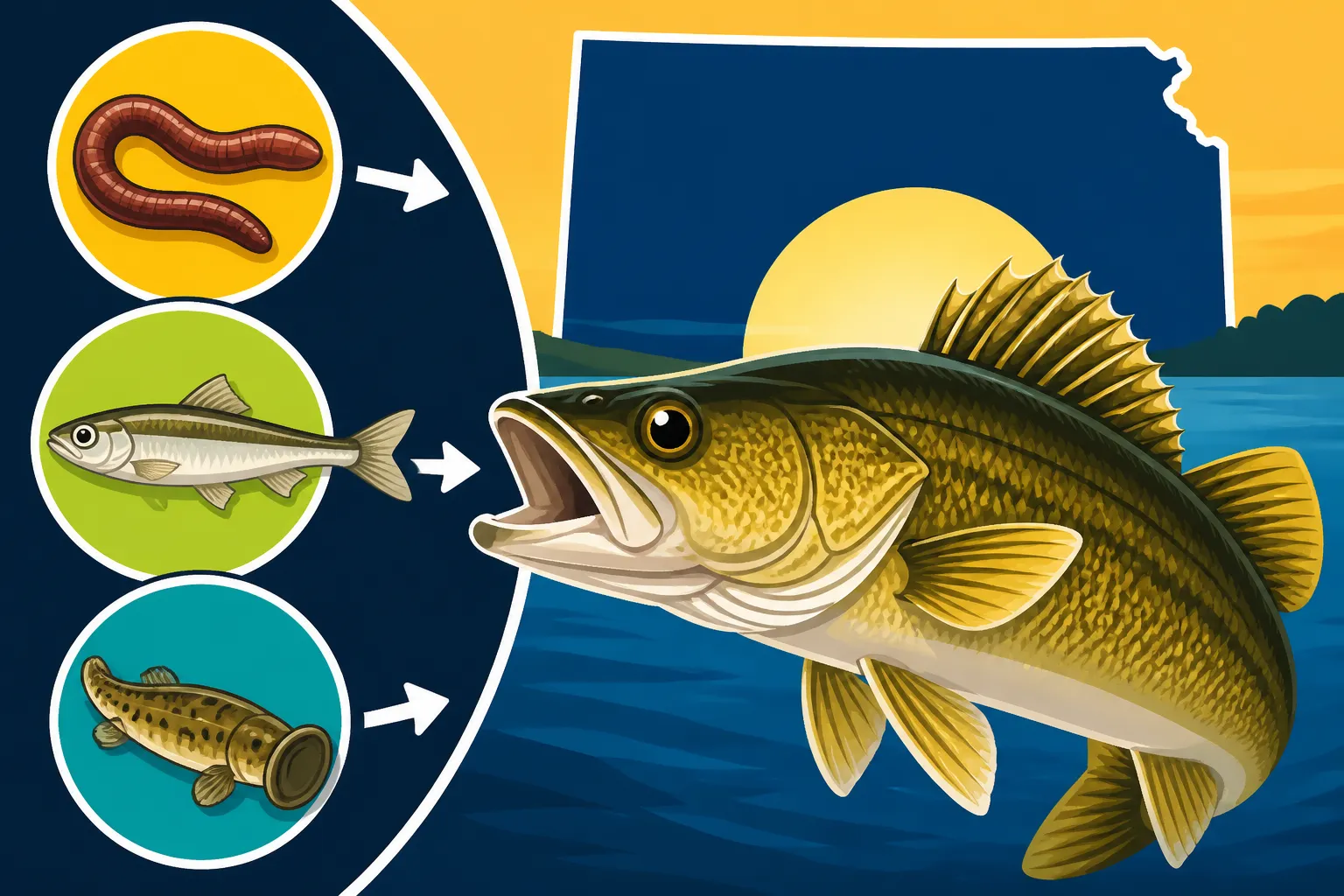
Think about what walleye naturally forage on in our Kansas lakes and rivers. They're constantly on the hunt for baitfish like shad, shiners, and various minnow species, along with opportunistic snacks like nightcrawlers and leeches. When you present a live bait, you're offering them a meal that looks, smells, and moves exactly like what they're accustomed to eating. There's no convincing needed; it's instinctual. This natural mimicry is especially critical when walleye are lethargic or experiencing heavy fishing pressure, as they become far more discerning about what they're willing to strike. It’s all about making your offering appear as effortless and appealing as possible.
Scent and Movement Advantage
Artificial lures, no matter how lifelike, can't replicate the complex biological scent trail that live bait emits. Walleye use their sense of smell and their highly sensitive lateral line to detect prey, even in murky water or low visibility conditions. A struggling minnow or a wriggling nightcrawler sends out irresistible vibrations and olfactory signals that can draw walleye in from a distance. The natural, unpredictable movements of live bait also trigger a predatory response that a rigid plastic lure simply cannot. This combination of scent, subtle vibration, and lifelike movement makes live bait a superior choice when you're trying to coax a strike from a hesitant walleye, giving you a distinct advantage over anglers relying solely on artificials.
Top Live Bait Options for Kansas Walleye
When it comes to choosing live bait for walleye in Kansas, you've got a few proven heavy hitters that anglers swear by. Each has its own unique advantages, and understanding them can help you select the perfect offering for your specific fishing situation. It’s not just about grabbing whatever is available; it’s about making an informed decision that ups your chances of success.
Minnows: The Classic Walleye Candy
Minnows are arguably the most popular and consistently effective live bait for walleye, and for good reason. They are the natural diet of walleye in many of our reservoirs. Within the minnow category, you'll find a few common types that perform exceptionally well.
- Shiners: Golden shiners, emerald shiners, and fathead minnows are all excellent choices. Shiners tend to be a bit larger and livelier, making them ideal for drawing bigger walleye. Their flash and constant movement are irresistible. When fishing with shiners, try to match the size to the predominant baitfish in the lake you're targeting. A good rule of thumb is to use minnows between 3-5 inches for general walleye fishing.
- Presentation: There are several ways to present minnows, depending on your fishing style.
- Jigging: One of the most common and effective methods is to tip a jig with a minnow. Hook the minnow lightly through both lips or just behind the dorsal fin. This keeps the minnow lively and allows it to swim naturally. Drop it to the bottom and twitch it gently. This is a deadly presentation, especially when walleye are holding tight to structure. You can learn more about specific tactics in our guide on Kansas Walleye Fishing Techniques.
- Slip Bobber Rig: For suspended walleye or when fishing over weeds, a slip bobber rig with a minnow is fantastic. This allows your bait to float at a precise depth. Hook the minnow through the lips. The bobber keeps the minnow off the bottom and allows it to swim freely, attracting attention.
- Bottom Rigging: For still fishing or slow drifting, a simple bottom rig with a walking sinker and a snelled hook is highly effective. Hook the minnow through the lips. This keeps the bait near the bottom where walleye often feed. This works great on rock humps or along channel edges.
Keeping your minnows lively is paramount to their effectiveness. Use a good bait bucket with an aerator, especially on warmer days. A struggling minnow signals weakness, which triggers a predatory response, but a dead minnow is usually ignored.
Nightcrawlers: The Versatile Worm
Don't underestimate the humble nightcrawler! While often associated with catfish or panfish, nightcrawlers are absolute walleye magnets, especially when fish are in a more neutral or negative mood. Their scent trail and wriggling action can be incredibly enticing.
- Why They Work: Nightcrawlers offer a different profile and scent than minnows. They're particularly effective in stained or muddy water where visual cues are less important and scent becomes key. Walleye can track a nightcrawler's scent from a surprisingly long distance. They are also incredibly versatile and readily available.
- Presentation:
- Crawler Harnesses: This is the most popular way to present nightcrawlers for walleye, especially when trolling or drifting. A crawler harness typically consists of a clevis, beads, a small spinner blade, and two or three snelled hooks. Thread the nightcrawler onto the hooks, leaving the tail free to wiggle. The spinner adds flash and vibration, while the wriggling worm provides irresistible natural action and scent. These are incredibly effective when trying to cover ground and find active fish. For tips on covering water, check out our insights on Trolling for Walleye on Kansas Reservoirs.
- Jig-and-Crawler: Similar to jigging with minnows, you can tip a jig head with a piece of a nightcrawler or even a whole small one. This adds scent and subtle action to your jig, making it more appealing to finicky walleye.
- Bottom Bouncing: When drifting or slowly trolling, a bottom bouncer rig with a snelled hook and a nightcrawler is another deadly combination. The bottom bouncer keeps your bait in the strike zone, gently bouncing along the lakebed, mimicking a feeding opportunity.
Always use fresh, lively nightcrawlers. Store them in a cool, dark place with moist bedding. A partially threaded worm on a harness allows for maximum wiggling action, which is what you're after.
Leeches: The Underrated Walleye Snack
Leeches are often overlooked by many anglers, but they can be absolutely phenomenal for walleye, especially during the warmer months. Their tough, slimy skin and undulating movement make them incredibly durable and appealing.
- Why They Work: Leeches are incredibly resilient, staying alive on a hook for a long time, even through multiple casts or missed strikes. Their natural undulating motion in the water is very attractive to walleye. They also have a unique scent profile that walleye seem to key in on, particularly when other baits aren't producing. Many anglers find leeches to be superior to minnows in very warm water conditions because they stay alive and active longer.
- Presentation:
- Jigging: Leeches are excellent for tipping jigs. Hook them once through the sucker end. They'll stretch, contract, and wiggle enticingly. This is a fantastic option for vertical jigging structure or pitching to rocky points.
- Slip Bobber Rig: Just like with minnows, a slip bobber rig is perfect for presenting a leech at a specific depth. Hooked through the sucker, a leech will stretch and undulate beneath the bobber, creating a very natural presentation. This is great for fishing weed edges or suspended fish.
- Split Shot Rig: A simple split shot rig with a leech can be incredibly effective when walleye are sluggish. Just enough weight to get it down, allowing the leech to swim as freely as possible.
- Storage: Keep leeches in a cool place, in clean, cool water. Change the water regularly to keep them fresh. You can find good quality leech containers and bait aeration systems on sites like Amazon to ensure your bait stays in top condition.
Keeping Your Live Bait Lively and Effective
Using live bait means taking care of it. A healthy, active bait is far more attractive to a walleye than a sluggish, dying one. Proper care ensures your investment in bait translates into more bites. It’s a simple truth: the livelier your bait, the better your chances.
Bait Storage and Aeration
The key to keeping live bait, especially minnows and leeches, lively is proper storage and aeration. Temperature and oxygen are the two most critical factors.
- Minnows:
- Coolers/Bait Buckets: Invest in a well-insulated bait bucket or cooler designed for live bait. Fill it with cool, fresh lake water (not tap water, which can contain chlorine that harms minnows).
- Aerators: A portable aerator is non-negotiable for minnows, especially on warm days or long trips. These battery-powered pumps introduce oxygen into the water, keeping your minnows frisky. You can find excellent portable aerators and insulated bait buckets on Amazon, often with adjustable settings for different bait types. Without adequate oxygen, minnows will quickly become stressed and die, turning into useless bait.
- Temperature Control: Keep your bait bucket out of direct sunlight. You can add a frozen water bottle (not ice directly, which can shock them) to keep the water temperature down on hot days. Aim for a water temperature similar to the lake water you'll be fishing.
- Nightcrawlers:
- Bedding: Store nightcrawlers in a breathable container filled with moist bedding material like shredded newspaper or commercial worm bedding. They don't need to be submerged in water.
- Temperature: Keep them cool, ideally in a refrigerator or a dedicated worm cooler. They thrive in cooler temperatures and will become sluggish and die quickly if exposed to heat.
- Leeches:
- Clean Water: Leeches need to be stored in clean, cool water. A simple plastic container with a tight-fitting lid will suffice, but make sure to change the water daily, especially if storing for more than a day.
- Temperature: Like nightcrawlers, leeches prefer cooler temperatures. Keep them in a cooler or a cool, dark place. Avoid overcrowding your leech container; give them plenty of space.
Properly stored and aerated bait makes a huge difference. Think of it as keeping your secret weapon sharp and ready.
Proper Hooking Techniques
Hooking your live bait correctly is crucial for two main reasons: keeping it alive and active for as long as possible, and ensuring a good hookset when a walleye strikes. A poorly hooked bait will die quickly, swim unnaturally, or come off the hook too easily.
- Minnows:
- Through the Lips: For most jigging, bobber, or slow-trolling applications, hook the minnow lightly through both lips. This allows it to swim naturally and breathe easily. It also ensures the hook point is exposed for a solid hookset.
- Behind the Dorsal Fin: If you want your minnow to dive or if you're actively trolling, hooking it just behind the dorsal fin can make it swim with a head-down motion. Be careful not to damage its spine, which will kill it. This method makes the minnow struggle, which can be a strong attractant.
- Tail Hooking: For very slow drifts or still fishing, hooking a minnow lightly through the base of the tail can make it swim forward, away from the hook, which can be enticing.
- Nightcrawlers:
- Wacky Rigging: For crawler harnesses, thread the first hook through the very tip of the nightcrawler's head. Then, lightly nick the worm with the second hook (if using two hooks) about halfway down its body, leaving a good portion of the tail free to wiggle. This creates maximum action.
- Single Hook: If using a single hook, you can thread the nightcrawler on like a worm on a hook, leaving a significant portion of the tail free. Or, if using a smaller piece of a crawler, simply hook it once through the middle.
- Leeches:
- Through the Sucker: The most common way to hook a leech is through its tougher "sucker" end. This keeps it alive and allows it to undulate naturally without tearing its body. Avoid hooking it through the middle, which can kill it quickly.
Using the right hook size for your bait is also important. A hook that's too large will impede the bait's natural movement and make it look unnatural. Conversely, a hook that's too small might not get a good hold on a striking walleye. A sharp, appropriately sized hook is essential.
Matching Bait to Conditions and Locations
No single bait is a magic bullet for all walleye situations. The most successful anglers are those who adapt their bait choices based on the season, water conditions, and the specific structure they are fishing. Walleye behavior changes dramatically throughout the year, and your bait presentation should reflect that. For a broader overview of seasonal trends, you might want to read our full guide on Kansas Fishing Seasons Guide.
Seasonal Considerations
The time of year significantly influences what live bait will be most effective.
- Spring (Pre-spawn and Spawn): As water temperatures rise in early spring, walleye become very active and aggressive, especially during the pre-spawn period. Minnows, particularly shiners, are often deadly now as walleye are gorging themselves before spawning. When they are actively spawning, walleye can be finicky, but a slowly presented minnow or a smaller nightcrawler can still elicit strikes. This is also a fantastic time to check out Best Time of Day to Catch Walleye, as their feeding windows can be short.
- Summer: During the heat of summer, walleye often move to deeper, cooler water and become more structure-oriented. This is when leeches truly shine due to their durability and effectiveness in warmer temperatures. Nightcrawlers on crawler harnesses are also excellent for covering large areas, especially over deeper flats or along channel breaks. Walleye will also readily take minnows if presented deep and slow. On some lakes, you'll find them suspended; a slip bobber rig with a leech or minnow is ideal here.
- Fall: As water temperatures cool, walleye go on a major feeding binge to fatten up for winter. Minnows become incredibly effective again, especially larger ones, as walleye are looking for substantial meals. Nightcrawlers on harnesses are also still very productive. This is a prime time for targeting aggressive fish near points, humps, and drop-offs. If you're wondering about the specific habits of walleye in the fall, our Kansas Fall Walleye Fishing Tips dives deeper into seasonal strategies.
- Winter (Ice Fishing): For ice fishing, small minnows (like fatheads) or small pieces of nightcrawler on a small jig or ice spoon are incredibly effective. Walleye metabolism slows down, so a subtle presentation with live bait is often the only thing that will trigger a bite.
Water Clarity and Structure
The clarity of the water and the type of structure you're fishing should also influence your bait selection.
- Clear Water: In clear water, visual appeal is key. Minnows, especially lively shiners, that flash and dart will be highly visible and attractive. The natural look and movement of a minnow are harder for walleye to discern as "unnatural" in clear conditions. You might also consider using lighter lines and smaller hooks to maintain a stealthy presentation. When walleye have good visibility, they can be incredibly discerning.
- Stained/Murky Water: When the water is stained or murky, walleye rely more on their senses of smell and lateral line to find prey. This is where scent-heavy baits like nightcrawlers become incredibly effective. Their wriggling action and strong scent trail can draw walleye in when visual cues are limited. Leeches also perform well in these conditions due to their unique scent. Don't be afraid to use slightly larger baits or more active presentations to create more vibration.
- Weed Beds: Walleye love to ambush prey from the edges of weed beds. A slip bobber rig with a minnow or leech is perfect for fishing these areas, allowing you to suspend your bait just above the weeds where walleye are lurking.
- Rocky Points and Humps: These are classic walleye holding areas. Minnows or nightcrawlers jigged vertically or slowly trolled over these structures are consistently productive. Walleye will often be tight to the bottom or slightly above the rocks, waiting for an easy meal. For detailed strategies on these structures, our guide on Rocky Point Fishing Techniques for Walleye offers specific advice. A good fish finder can be invaluable here to locate these hotspots and the fish holding on them, and you can learn how to optimize its use in How to Use a Fish Finder on a Kansas Lake.
Choosing the best live bait for Kansas walleye isn't about guesswork; it's about understanding walleye behavior, knowing your options, and adapting to the conditions. By focusing on lively bait, proper presentation, and matching your bait to the environment, you'll significantly increase your chances of a successful and rewarding day on the water.
| Bait Type | Best Season(s) | Ideal Water Clarity | Primary Presentation | Pros | Cons |
|---|---|---|---|---|---|
| Minnows | Spring, Fall, Winter | Clear to Stained | Jigging, Bobber, Trolling | Highly natural, visual appeal, active | Can die easily, requires aeration |
| Nightcrawlers | Spring, Summer, Fall | Stained to Murky | Crawler Harness, Jigging, Bottom Bouncing | Strong scent, versatile, readily available | Can be torn off easily by small fish |
| Leeches | Summer, Fall | Clear to Stained | Jigging, Bobber, Slow Drift | Durable, lively in warm water, unique scent | Can be harder to find, slower action |
Disclaimer
This article is for general informational purposes only and does not constitute professional advice. Laws, prices and regulations vary by location and change over time. Consult a qualified professional for guidance on your specific situation.