Kansas Trout Fishing Guide
It might come as a surprise to many, but Kansas, a state often celebrated for its catfish, walleye, and bass fisheries, also offers some truly delightful trout fishing opportunities. If you've ever felt that hankering for the crisp air and challenging fight of a trout but thought you'd have to travel far and wide, you're in for a treat. This comprehensive guide will walk you through everything you need to know to experience the unique joy of chasing rainbow and golden rainbow trout right here in the Sunflower State, dispelling myths and equipping you with the knowledge for a successful outing.
The Unexpected Joy of Kansas Trout Fishing
When you think of trout, your mind probably conjures images of crystal-clear mountain streams or pristine alpine lakes. Kansas, with its rolling plains and expansive reservoirs, might not be the first place that springs to mind. Yet, the Kansas Department of Wildlife and Parks (KDWP) has worked diligently to create a viable and exciting trout fishery, bringing this cold-water species closer to home for many anglers. It's a fantastic way to extend your fishing season into the colder months and experience a different kind of angling challenge.
Why Trout in the Sunflower State?
The presence of trout in Kansas isn't a natural phenomenon in the same way it is in mountainous regions. Our natural waters, especially in summer, simply get too warm for trout to thrive year-round. This is where the KDWP's thoughtful stocking program comes into play. They actively stock designated waters with thousands of rainbow and golden rainbow trout, primarily during the cooler seasons. These waters are carefully selected for their ability to maintain lower water temperatures, making them suitable habitats for trout for a significant portion of the year. This proactive approach means that while you won't find wild trout populations in most Kansas waters, you can find excellent put-and-take fishing, providing a unique opportunity for local anglers to enjoy a species often associated with more distant landscapes. It's a testament to the KDWP's dedication to diversifying fishing experiences across the state.
A Unique Angling Experience
Fishing for trout in Kansas often presents a different kind of challenge compared to our more common warm-water species. Trout are known for being finicky eaters, incredibly wary, and demanding a more subtle approach from anglers. This isn't just about chucking a worm out and waiting; it often requires lighter tackle, more delicate presentations, and a keen understanding of their behavior. The cooler weather in which trout thrive also adds to the experience, making for crisp, invigorating days on the water. It’s a chance to slow down, refine your technique, and really immerse yourself in the art of angling. Plus, there’s something genuinely rewarding about pulling a brightly colored rainbow trout from a Kansas lake, knowing the effort that went into making that opportunity possible. It's an experience that truly broadens the horizons of any Kansas angler.
Understanding Kansas Trout Species
While some regions might boast a dozen different trout species, in Kansas, our focus is primarily on two fantastic varieties: the classic rainbow trout and the more elusive golden rainbow trout. Both offer a thrilling catch and are highly sought after during the stocking season. Knowing a bit about what makes each unique can certainly add to the excitement when you're out on the water.
Rainbow Trout: The Main Attraction
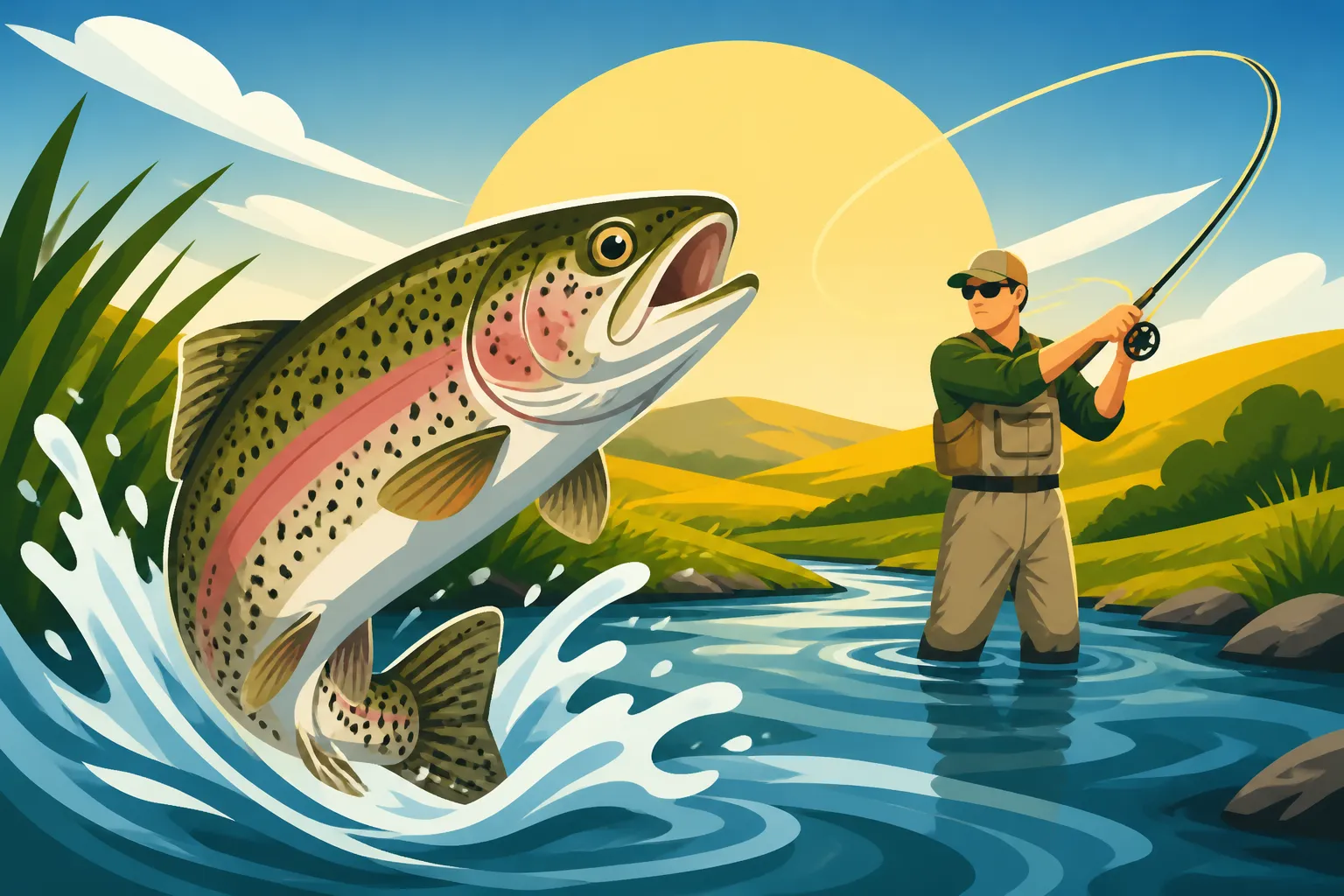
When most people think of trout, they're picturing a rainbow. These fish are the backbone of Kansas's put-and-take trout program, and for good reason! Rainbow trout are robust, spirited fighters, and absolutely beautiful. They get their name from the iridescent, reddish-pink band that runs along their sides, especially vibrant in males. Their bodies are typically silver-green with distinct black spots on their back, sides, and fins.
In Kansas, the stocked rainbow trout usually range from about 8 to 15 inches, though bigger ones are certainly caught. They tend to prefer cooler, well-oxygenated water, often congregating around areas where fresh water enters a lake or stream, or in deeper sections of ponds during warmer parts of the day. They're opportunistic feeders, meaning they'll take a variety of baits and lures, which makes them a great target for anglers using anything from worms to artificial flies. Their vigorous fight, often including aerial acrobatics, makes them a favorite among both seasoned and novice anglers. Understanding their preference for cooler temperatures is key, as this dictates their behavior and where you'll find them during the stocking season.
Golden Rainbow Trout: A Special Treat
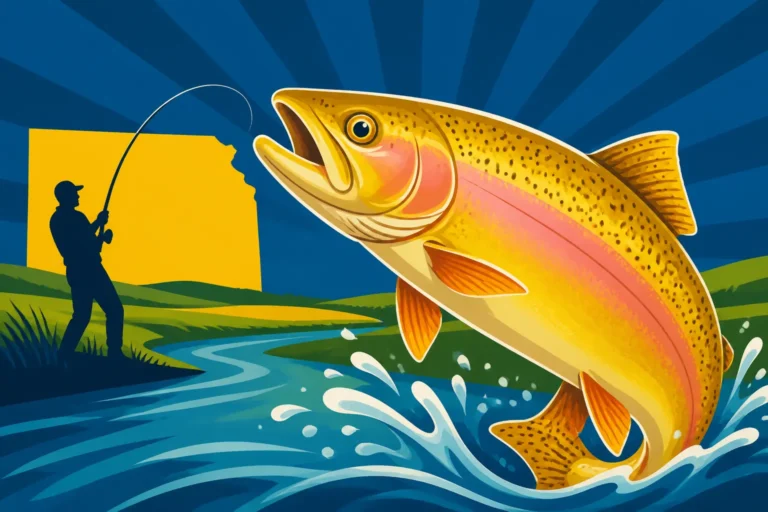
Imagine the vibrant colors of a rainbow trout, then amplify them with a striking golden-yellow hue that practically glows in the water. That's the golden rainbow trout, sometimes affectionately called a "palomino trout" due to its resemblance to the golden horse breed. These are a genetic variant of the rainbow trout, specifically bred for their unique coloration. While they share the same fighting spirit and taste as a regular rainbow, their appearance makes them an incredibly special catch.
KDWP occasionally stocks golden rainbows alongside their regular rainbows, adding an exciting element of surprise to your fishing trip. Identifying them is easy: look for that distinctive, bright golden-yellow body, often with a faint pink stripe along the side and fewer, if any, dark spots compared to a typical rainbow. Because they are often stocked in smaller quantities and stand out so dramatically, catching a golden rainbow can feel like winning a small lottery. They behave much like their rainbow cousins, seeking similar water conditions and taking similar baits. So, when you're out there, keep an eye out for that flash of gold—it might just be your lucky day!
Where to Find Trout in Kansas
One of the most frequently asked questions about trout fishing in Kansas is, naturally, "Where exactly can I find them?" It’s a fair question, as trout aren't spread indiscriminately across every pond and reservoir. The KDWP carefully designates specific waters for their winter trout program, ensuring optimal conditions and angling opportunities. Knowing these spots is half the battle won.
Designated Trout Waters
The KDWP has a list of designated trout waters across the state that are specifically managed and stocked for trout fishing during the cooler months. These aren't just random lakes; they are chosen because they can sustain the colder water temperatures that trout require, at least for a season. These locations can range from smaller community lakes and city ponds to specific sections of larger reservoirs or even small streams.
It’s absolutely crucial to check the current KDWP list each season, as locations can sometimes change due to water conditions or management plans. These designated waters are typically well-marked, and you'll often find signs indicating that you are in a trout fishing area. Familiarizing yourself with these specific spots through the KDWP website or local offices is the best first step. You'll often find these waters attract a dedicated community of trout anglers, creating a friendly atmosphere where tips and camaraderie are freely shared.
Community Lakes and Urban Fisheries
Many of the designated trout waters in Kansas are actually community lakes and urban fisheries, making trout fishing incredibly accessible, even for those living in or near larger cities. This is a huge benefit, as it means you don't always have to travel hours to enjoy a quality trout fishing experience. Imagine having a productive trout pond just a short drive from your home! These areas are fantastic for families, beginners, or anyone looking for a convenient fishing trip.
These urban and community-based fisheries are often well-maintained, sometimes featuring accessible fishing piers, paved paths, and other amenities. They are typically stocked heavily, providing ample opportunities to catch fish. The convenience factor of these locations cannot be overstated; it truly brings a mountain-stream experience to the heart of Kansas, allowing more people to participate in and enjoy this unique angling pursuit. Just remember, even in these convenient spots, the standard Kansas Fishing Regulations Explained still apply, often with additional specific rules for trout.
Seasonal Stocking Locations
The beauty of Kansas trout fishing lies in its seasonal nature and the KDWP's dedication to stocking. Trout are generally stocked from fall through spring when water temperatures are conducive to their survival. This means that while some locations might be year-round designated waters, many are only stocked seasonally. This periodic stocking keeps the fishery fresh and exciting, as anglers eagerly await the arrival of new fish.
The KDWP typically announces its stocking schedules, often providing estimates of when and where fish will be released. Keeping an eye on these announcements is key to maximizing your success. Freshly stocked fish are often more active and easier to catch as they adjust to their new environment. You can often find detailed schedules on the KDWP website, which will specify which lakes receive regular trout deliveries. For example, you might look for the Kansas Trout Stocking Schedule for December or Kansas Trout Stocking Schedule for January and February to plan your trips. This dynamic stocking strategy ensures a consistent supply of trout for anglers throughout the cooler months.
When to Go: Kansas Trout Seasons and Stocking Schedules
Timing is everything when it comes to trout fishing in Kansas. Because the trout fishery is sustained through stocking rather than natural reproduction, knowing when the fish are in the water and when they are most active can make or break your trip. Don't just show up any old day; a little planning will go a long way.
The Official Trout Season
The Kansas trout season typically kicks off in the fall, usually around November, and runs through early spring, often ending in March or April. The exact dates can shift slightly each year, so it's always best to check the current KDWP fishing regulations. For instance, many anglers mark their calendars for Kansas Trout Season Runs December 1 to March 31. This period aligns perfectly with the colder water temperatures necessary for trout to thrive, offering excellent fishing opportunities when other species might be less active. During these months, the designated trout waters are regularly replenished with fish, ensuring a continuous supply for eager anglers. It’s a fantastic way to cure those winter fishing blues!
Deciphering Stocking Schedules
Getting familiar with the stocking schedules is paramount for a successful trout outing. While trout can certainly be caught weeks after a stocking, fresh fish are often more aggressive and less wary. The KDWP typically publishes these schedules online, providing details on which lakes will receive trout and approximately when. Sometimes, these are broad windows, while other times, more specific dates are given.
It's a good idea to keep an eye on KDWP social media channels or sign up for their newsletters, as they often announce recent stockings. Arriving shortly after a stocking can give you an edge, as the fish are acclimating to their new surroundings and often feeding actively. Knowing these schedules allows you to plan your trips strategically, hitting the water when the chances of a good bite are highest. You can usually find a lot of gear to help with your planning, like specialized fishing apps or weather gear on sites like Amazon.
Best Times of Day for Trout
Just like with any fishing, the time of day can significantly impact your success when targeting trout. In Kansas, during the cooler fall and spring months, trout are often most active during the warmest parts of the day. This might sound counterintuitive for a cold-water fish, but when air temperatures are chilly, the midday sun can slightly warm the shallow waters, making them more comfortable and stimulating for trout to feed.
Conversely, during the heart of winter, when the days are short and truly cold, early morning and late afternoon can also be productive. These "crepuscular" periods often see trout moving more freely as light levels change. However, if the water is iced over, ice fishing in the middle of the day can be best as the sun might draw the fish up towards the surface. Always consider the specific conditions—a sunny, calm midday in November could be fantastic, while a cloudy, blustery morning in February might mean the fish are deeper and less active.
Essential Gear and Techniques for Kansas Trout
Trout fishing, especially for stocked fish, doesn't require a massive investment in specialized equipment, but having the right setup can definitely improve your experience and success rate. A bit of finesse goes a long way with these often-wary fish.
Rods, Reels, and Line
For the average stocked rainbow trout in Kansas, lighter tackle is generally preferred. You're not usually fighting monsters, so a sensitive setup allows you to feel subtle bites and present smaller baits naturally.
- Rods: An ultralight or light-action spinning rod, typically in the 5 to 6-foot range, is ideal. This length gives you good casting control for small lures and enough flexibility to absorb the trout's spirited runs without breaking your line.
- Reels: Pair your rod with a small spinning reel (e.g., a 1000 or 2000 size). The key is a smooth drag system, which is crucial for fighting trout on light line.
- Line: Opt for light monofilament or fluorocarbon line, generally in the 2 to 6-pound test range. Lighter line is less visible to wary trout and allows for better bait presentation. Fluorocarbon has the added benefit of being nearly invisible underwater and sinks, which can be an advantage. Some anglers might even choose a thin braided line with a fluorocarbon leader for extra sensitivity. You can find excellent options for all these components on Amazon, often in budget-friendly combos perfect for getting started.
Baits and Lures That Work
Trout in Kansas are often accustomed to a variety of presentations, but some stand out as consistent producers.
- Prepared Baits: The ever-popular PowerBait (dough or nuggets) is a staple for a reason. Its scent, color, and buoyant properties make it incredibly effective. You can fish it off the bottom with a small sinker and a short leader, allowing it to float just above the bottom, right into a trout's strike zone. You'll often find PowerBait in various vibrant colors, and experimenting with these can pay off.
- Live Bait: Good old worms (nightcrawlers, red wigglers) are always a classic. A small piece of worm on a tiny hook can be irresistible. Corn kernels are another surprising, yet effective, bait; trout in hatcheries are often fed a corn-based diet, making it familiar to them. The Best Bait for Winter Trout often includes these simple but effective choices.
- Small Spinners: Lures like the Rooster Tail, Mepps Aglia, or Panther Martin are fantastic. Their flashing blades and vibrating action mimic small baitfish or insects, triggering aggressive strikes. Sizes from 1/16 to 1/8 ounce are generally perfect. Cast them out and retrieve them steadily.
- Jigs: Small marabou jigs or tiny plastic grubs (1/32 to 1/16 ounce) fished under a bobber or slowly retrieved along the bottom can be deadly, especially when trout are finicky.
- Flies: For fly anglers, small nymphs, emergers, and even tiny streamers or woolly buggers can be very effective, especially in moving water or when fish are keying in on natural insects. If you're looking for Fly Fishing Tips for Kansas Trout Streams, these are a great starting point.
Effective Fishing Techniques
Matching your technique to the conditions and the fish's mood is key.
- Still Fishing: This is probably the most common and accessible method. Using a bottom rig with a small sinker, a swivel, and a short leader (12-24 inches) to a small hook (size 10-14), you can present PowerBait or live bait effectively. The goal is often to let your buoyant bait float slightly off the bottom. If you want to know How to Catch Rainbow Trout using this method, patience is critical.
- Casting and Retrieving Lures: This active technique involves covering more water. Cast your spinner or small spoon and retrieve it at a steady pace, varying the speed until you find what the fish prefer. This is great for locating active fish that are willing to chase.
- Float Fishing (Under a Bobber): When trout are suspended at a certain depth, or you want to keep your bait out of snags, fishing a small jig or bait under a bobber (slip or fixed) can be very productive. Adjust your depth until you find where the fish are holding.
- Fly Fishing: While less common in stillwater lakes, fly fishing can be incredibly rewarding in areas with stream-like conditions or when targeting rising fish. Small flies that imitate aquatic insects are the way to go. For more specific advice, check out Kansas Trout Fishing Bait and Lures to expand your tackle box.
Licensing and Regulations for Trout Fishing in Kansas
Before you even think about casting a line for trout in Kansas, you absolutely must understand the specific licensing requirements and regulations. Unlike general fishing, trout fishing in Kansas has an additional permit and specific rules that are strictly enforced. Getting caught without the right paperwork can quickly turn a fun day into a costly headache.
The Kansas Trout Permit
This is the non-negotiable item for any angler over the age of 16 targeting trout in designated waters. Even if you hold a valid Kansas Fishing License Guide, you still need a separate trout permit to legally fish for trout in Kansas. This permit helps fund the state's trout stocking program, ensuring that these unique fishing opportunities continue to exist.
The cost of a trout permit is a relatively small investment compared to the enjoyment it provides. There are different options available, often including annual permits for adults and reduced rates for youth. It's important to remember that this permit is specific to trout fishing in designated trout waters. You wouldn't need it if you happened to catch a trout in a non-designated area, but since the KDWP actively stocks these specific locations, it's highly unlikely you'd encounter trout elsewhere. Ensure you purchase your permit before heading out, as KDWP enforcement officers frequently check for both fishing licenses and trout permits in these areas. For more details on this, refer to the Kansas Trout Permit Guide and Kansas Trout Permit Cost and Season.
Daily Creel and Length Limits
Like all game fish in Kansas, trout are subject to specific daily creel (bag) limits and sometimes length limits, designed to manage the fishery sustainably and ensure fair distribution among anglers. These limits prevent overharvesting and help maintain a healthy population of catchable fish.
Typically, the daily creel limit for trout in Kansas is generous enough for most recreational anglers to bring home a meal. However, it's paramount to check the current KDWP fishing regulations summary for the exact numbers, as these can be updated. While length limits are less common for the put-and-take stocked trout, certain designated areas or special events might have specific size restrictions. Always know before you go! Having a small measuring tape on hand is a good idea, and if you plan to keep fish, an accurate scale can ensure you stay within limits if weight restrictions apply. Penalties for exceeding limits can be substantial, so it's always best to err on the side of caution.
Important Rules to Remember
Beyond the license and limits, there are a few other crucial rules and considerations when trout fishing in Kansas:
- Designated Areas: Only designated trout waters are stocked and managed for trout. Fishing for trout outside these areas might not require a permit, but you're also unlikely to find any! Always confirm your location is a designated trout water if you're actively targeting them.
- Gear Restrictions: While generally liberal, some highly sensitive trout streams or specific youth-only trout ponds might have tackle restrictions (e.g., artificial lures only, single barbless hooks). Always double-check the local regulations for the specific body of water you intend to fish.
- Access: Many designated trout waters are located within city parks or community areas. Be respectful of park rules, closing times, and other users. Public access is a privilege, and good etiquette helps ensure these spots remain available for all.
- Reporting: While not always required for general recreational angling, being aware of any potential reporting requirements for unique catches or issues can be helpful. This information helps KDWP manage the fishery more effectively.
- Know Before You Go: The KDWP regulations book is your best friend. Always review the most current version before your trip to ensure you are compliant with all local, state, and specific trout fishing regulations.
Conservation and Responsible Trout Angling
Being a responsible angler goes beyond just following the rules; it means actively contributing to the health and sustainability of our fisheries. For a put-and-take fishery like Kansas trout, conservation efforts primarily revolve around minimizing your impact and protecting the delicate environments where these fish thrive, even if they are stocked.
Catch and Release Best Practices
Even if you plan to keep some trout for dinner, practicing proper catch and release for fish you don't intend to harvest is vital. Trout are more delicate than some warm-water species, and mishandling can lead to delayed mortality.
- Minimize Handling: Try to keep the fish in the water as much as possible. If you must handle it, do so with wet hands to protect its protective slime coat.
- Remove Hooks Quickly: Use needle-nose pliers or a hook remover to quickly and gently extract the hook. If the fish is deeply hooked, it's often better to cut the line as close to the hook as possible rather than tearing sensitive tissues.
- Avoid Excessive Stress: Don't play the fish to exhaustion, especially in warmer water conditions. Bring it in relatively quickly.
- Revive Gently: Hold the fish upright in the water, facing into the current (if any), until it regains strength and can swim away on its own. Don't simply toss it back. Observing these practices ensures that fish released have the best chance of survival, contributing to a healthy population for others to enjoy.
Protecting Trout Habitats
While stocked trout environments might not be pristine wilderness streams, they are still ecosystems that require our care and respect. Protecting these habitats is crucial for the success of the stocking program and for the overall health of Kansas waterways.
- Leave No Trace: Pack out everything you pack in, including fishing line, bait containers, and any other trash. Litter pollutes the water and can harm wildlife.
- Prevent Erosion: Be mindful of where you walk, especially near stream banks or sensitive shorelines. Excessive trampling can lead to erosion, which degrades water quality.
- Respect Vegetation: Avoid damaging aquatic plants or shoreline vegetation, as these provide cover and food for fish and other wildlife.
- Report Pollution: If you notice any signs of pollution or unusual conditions in the water, report them to the KDWP or local authorities. By being vigilant stewards of our fishing spots, we help ensure they remain vibrant and healthy for years to come.
Understanding Biosecurity
Biosecurity refers to practices that prevent the spread of diseases and invasive species from one body of water to another. This is particularly important in a state that relies on stocking, as it helps protect both the stocked fish and native populations.
- Clean, Drain, Dry: Always clean your boat, waders, and fishing gear thoroughly after each trip, especially if you're moving between different bodies of water. Drain all water from your boat and livewells. Allow gear to completely dry before your next outing. This simple mantra can prevent the transfer of microscopic organisms, invasive plant fragments, and fish pathogens.
- Don't Move Fish: Never transfer fish from one body of water to another. This is illegal and can introduce diseases or non-native species that disrupt existing ecosystems.
- Bait Control: Dispose of unused live bait properly (in the trash, not in the water) and never introduce baitfish from one watershed into another. Sites like Amazon offer practical solutions for managing and storing bait safely while fishing. By being diligent about biosecurity, anglers play a critical role in safeguarding the aquatic health of Kansas.
Tips for a Successful Kansas Trout Outing
So you've got your permit, your gear, and you know where and when to go. Now, let's talk about those little extra tips that can really make your Kansas trout fishing trip successful and enjoyable. Sometimes, it's the small adjustments that lead to the biggest catches!
Scout Your Location
Before you even make your first cast, take some time to observe the water. This is especially important in community lakes and urban fisheries where angler pressure can be higher.
- Look for Activity: Are other anglers catching fish? Where are they casting? Are there any signs of fish jumping or dimpling the surface?
- Identify Structure: Trout, even stocked ones, still like cover and structure. Look for submerged logs, rock piles, drop-offs, or even subtle changes in depth. In ponds, deeper areas near aerators or inlets are often key spots.
- Consider Access: Especially in winter, ice conditions or muddy banks can affect where you can safely and effectively fish. Plan your approach, whether it's bank fishing or from a boat (if allowed). Knowing the layout of the area and understanding the characteristics of the water body will give you a significant advantage. For instance, exploring different access points at Milford Lake Fishing Guide or Cheney Reservoir Fishing Guide can make a difference.
Adapt to Conditions
Kansas weather is notoriously unpredictable, and water conditions can change rapidly. Being able to adapt on the fly is a hallmark of a successful angler.
- Weather Changes: A sudden cold front can make fish lethargic and send them deeper. Conversely, a warming trend can bring them shallower and make them more active. Be prepared for changes in air temperature, wind, and precipitation.
- Water Clarity: Clear water often means fish are warier, requiring lighter line and more subtle presentations. Murky water might necessitate using baits with strong scents or lures with more vibration and flash to attract attention.
- Fish Behavior: If fish aren't biting in one spot, don't be afraid to move! They might be concentrated in another area. If they're ignoring your spinners, try still fishing with PowerBait. If they're not hitting bottom, try fishing under a bobber. Experiment with different depths, retrieve speeds, and bait colors. Flexibility is your friend when trout are being finicky.
Patience and Persistence
Perhaps the most important tip for trout fishing, or any fishing for that matter, is to embrace patience and persistence. Trout can be notoriously moody, and even in well-stocked waters, they won't always jump on your line immediately.
- Don't Get Discouraged: There will be days when the fish just aren't biting, no matter what you try. It happens to everyone. Enjoy the peace and quiet of the outdoors, and the satisfaction of just being out there.
- Keep Trying Different Things: If one bait or technique isn't working, switch it up. Change colors, depths, or locations. Sometimes, a tiny adjustment is all it takes to trigger a bite.
- Learn from Every Outing: Pay attention to what works and what doesn't. Keep a mental (or even written) log of conditions, baits, and techniques that produced fish. Over time, you'll develop a keen understanding of how to approach Kansas trout, making each trip more rewarding. The more time you spend on the water, the more you'll learn, and the more successful you'll become!
Disclaimer
This article is for general informational purposes only and does not constitute professional advice. Laws, prices and regulations vary by location and change over time. Consult a qualified professional for guidance on your specific situation.