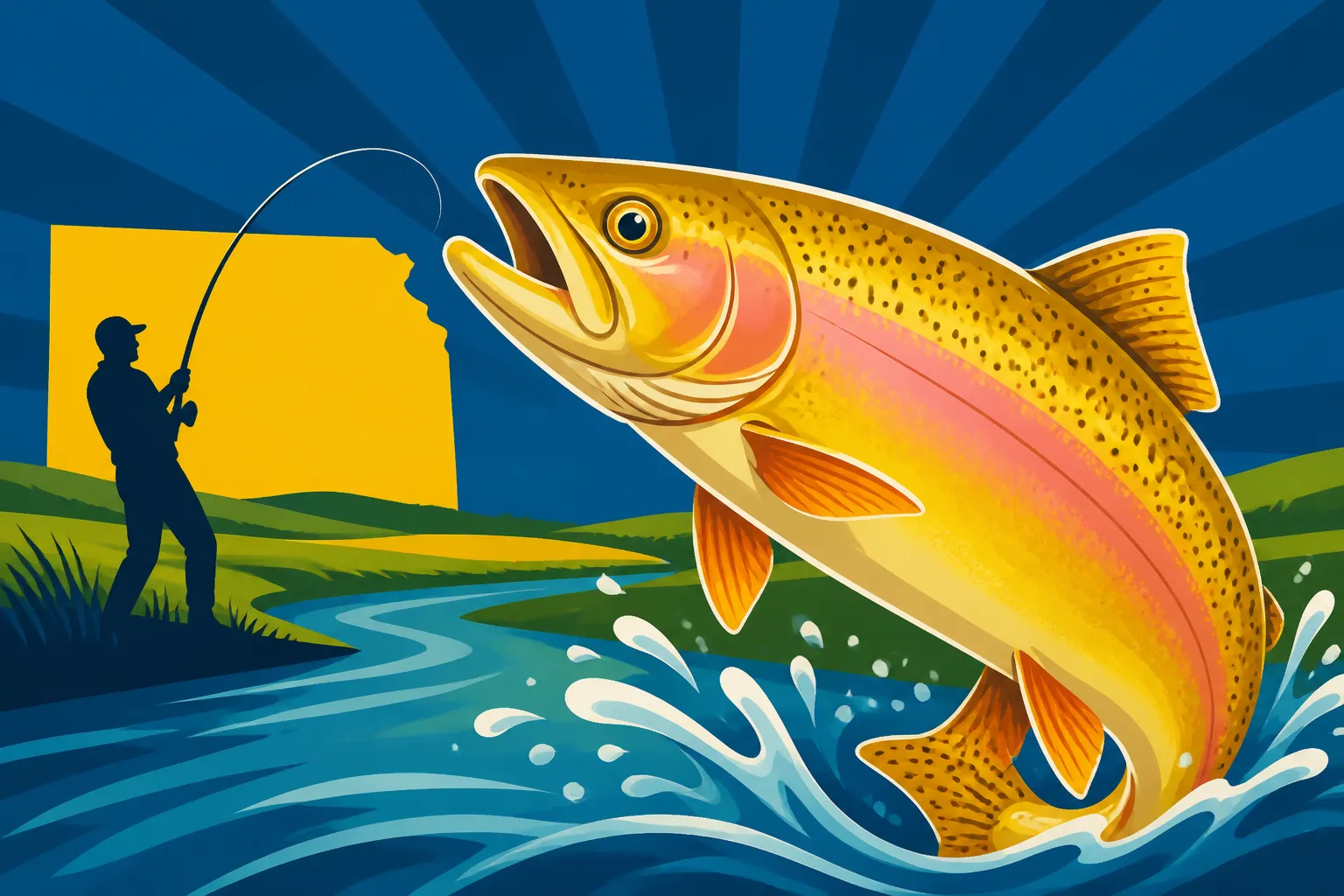
Golden Rainbow Trout Explained
It's frustrating when you hear whispers of an elusive, beautiful fish in Kansas waters – the Golden Rainbow Trout – but you're not quite sure what it is, where to find it, or how to catch one. This guide will demystify this radiant species, explaining its unique characteristics, revealing where Kansas anglers might encounter them, and providing practical tips to help you land one of these shimmering beauties.
The Allure of the Golden Rainbow Trout: What Makes Them So Special?
For many anglers, the Golden Rainbow Trout represents a truly special catch, standing out from its more common rainbow cousins. Their distinct coloration and the relative rarity of encountering them in certain waters make them a coveted prize. It's not just about the fight; it's about the dazzling display of color they bring to your net.
A Brief History and Unique Genetics
The Golden Rainbow Trout isn't a separate species, nor is it a hybrid of different trout. Instead, it's a unique color variant of the common Rainbow Trout (Oncorhynchus mykiss). This particular strain originated from a genetic mutation first discovered in West Virginia in the late 1950s. Through selective breeding, fisheries were able to cultivate this mutation, leading to the distinct golden or palomino coloration we see today. These fish are essentially albino or leucistic versions of rainbow trout, where the typical dark pigments are reduced or absent, allowing their underlying golden-yellow and orange hues to shine through. While they share the same DNA and biological characteristics as regular rainbow trout, their appearance sets them dramatically apart. They behave much like regular rainbows, feeding similarly and occupying similar habitats, but their visibility can sometimes make them a bit more cautious.
Dazzling Appearance: More Than Just a Pretty Face
Imagine a fish that looks like it's been dipped in liquid gold, often with a vibrant, fiery orange stripe running down its side, where a regular rainbow trout would have its signature pink band. That's the Golden Rainbow Trout. Their dorsal side is typically a brilliant golden-yellow, fading to a lighter yellow or even creamy white on their belly. Some specimens might display faint, subtle spotting, but generally, their bodies are cleaner than a standard rainbow. This striking coloration is not just for show; it serves as a natural beacon, making them incredibly noticeable, whether they're darting through clear water or nestled near submerged structure. It's a truly unforgettable sight when you see one of these vibrant fish emerge from the depths, especially on a bright, sunny day.
Why Anglers Seek Out This Radiant Fish
The appeal of the Golden Rainbow Trout is multifaceted. Firstly, there's the sheer novelty. It's not every day you catch a fish that looks like a living jewel. Many anglers are drawn to the challenge of targeting a fish that is less common than its counterparts, adding an extra layer of excitement to their fishing trip. For those who enjoy catch-and-release, the photo opportunities are unparalleled, capturing that stunning golden hue before gently returning the fish to the water. Beyond the aesthetics, they offer the same spirited fight and delectable taste as regular rainbow trout, making them a fantastic catch whether you're releasing them or bringing them home for dinner. They represent a unique trophy, a story to tell, and a memorable experience on the water that transcends the ordinary.
Finding Golden Rainbow Trout in Kansas Waters
While Golden Rainbow Trout aren't native to Kansas, they are stocked in specific locations, primarily as part of the state's popular winter trout program. Knowing where and when to look is key to successfully encountering these special fish. It's all about understanding the stocking schedule and the types of waters that are managed for trout.
Kansas Trout Stocking Programs and Locations
The primary way Golden Rainbow Trout make their way into Kansas waters is through the Kansas Winter Trout Fishing Guide program. Each year, the Kansas Department of Wildlife, Parks and Tourism (KDWP) stocks various community lakes and state fishing lakes across Kansas with trout, and Golden Rainbow Trout are often included in these stockings. These special fish are typically mixed in with the more common rainbow trout during the stocking process. While the exact stocking locations and numbers can vary, popular trout fishing destinations often see a percentage of these golden beauties. You'll want to check the official KDWP stocking schedules, which are usually released seasonally, to pinpoint specific lakes or ponds that have received trout recently. These schedules will often indicate not just that trout were stocked, but also what type of trout, including golden rainbows if they're part of the batch. Lakes like Gage Park Pond in Topeka, Cedar Bluff State Park, or specific community ponds might be on the list. For current details, always consult the Number of Waterbodies Stocked With Kansas Trout information from the KDWP.
Ideal Habitats for Golden Rainbows
Since Golden Rainbow Trout are essentially just a color variant of rainbow trout, they thrive in the same conditions. In Kansas, this usually means cooler, well-oxygenated waters. During the winter trout season, many community lakes and ponds are ideal because the water temperatures are cold enough to support trout, which prefer temperatures below 70 degrees Fahrenheit. Look for areas with some depth, submerged structure like brush piles, rock formations, or even old tires that have been placed for fish habitat. Trout often congregate around these features, as they provide cover and ambush points for food. In smaller ponds, they might cruise the edges, especially early in the morning or late in the afternoon when insect activity is higher. In larger reservoirs, they will often stay in deeper sections, though they may move shallower to feed. Understanding the general Kansas Fishing Regulations Explained for these stocked waters is also crucial, as some have special rules regarding tackle or catch limits.
Planning Your Golden Trout Excursion
Successful golden trout fishing in Kansas requires a bit of planning. First, you absolutely need a valid Kansas Fishing License Guide and a Kansas Trout Permit Guide. Without these, your golden adventure could quickly turn into a costly mistake. The Kansas Trout Permit Cost and Season is usually very affordable and essential for participating in the winter trout program. Once you have your permits in order, monitor the KDWP stocking reports. They often provide details on which lakes received trout and when. Timing your trip shortly after a stocking can significantly increase your chances of hooking into a golden rainbow, as they will be actively feeding and adjusting to their new environment. Consider the weather; cooler, overcast days can sometimes be more productive than bright, sunny ones, as the golden trout's striking color might make them feel more exposed to predators on bright days. Always pack layers, as Kansas winter weather can be unpredictable.
| Feature | Rainbow Trout | Golden Rainbow Trout |
|---|---|---|
| Origin | Native to Pacific Ocean watersheds | Genetic mutation of Rainbow Trout |
| Primary Color | Silvery, greenish-grey, iridescent | Brilliant golden-yellow to orange |
| Lateral Stripe | Pink to red stripe, sometimes faint | Fiery orange stripe, very prominent |
| Spots | Numerous small black spots | Fewer, often very faint spots |
| Availability | Widely stocked in Kansas | Stocked in limited quantities |
| Behavior | Energetic fighters | Energetic fighters |
| Preferred Temp. | Cooler water (<70°F) | Cooler water (<70°F) |
Gear Up and Go: Techniques for Catching Golden Rainbow Trout
Catching a Golden Rainbow Trout doesn't necessarily require exotic gear, but understanding effective techniques and bait choices can make all the difference. Think of it as refining your general trout fishing skills to specifically target these dazzling fish.
Essential Tackle for Golden Trout
For golden rainbow trout, a light to ultralight spinning rod and reel combo is your best friend. A rod between 5'6" and 6'6" with a fast or moderate-fast action will give you the sensitivity to detect subtle bites and enough backbone to handle a feisty trout. Pair this with a small spinning reel (size 500 to 1000) spooled with 4 to 6-pound test monofilament or fluorocarbon line. Monofilament offers good knot strength and some stretch, which can be forgiving with sudden runs. Fluorocarbon is nearly invisible underwater, which can be an advantage in clear water, and offers more sensitivity. Many anglers find quality ultralight setups on Amazon, which offers a wide selection for various budgets. A good pair of polarized sunglasses is also invaluable for spotting these brightly colored fish, especially in clear water. Don't forget a small tackle box or bag to keep your essentials organized; again, Amazon has plenty of options to help you stay neat and efficient.
Top Baits and Lures for Success
Golden Rainbow Trout, like their rainbow cousins, are opportunistic feeders. A variety of baits and lures can be highly effective.
- PowerBait: This is a consistent winner for stocked trout. Dough baits in bright colors like chartreuse, orange, or rainbow glitter are often irresistible. Mold it onto a small treble hook, allowing it to float just off the bottom.
- Worms: Live earthworms or mealworms on a small hook (size 10-12) under a bobber or on a bottom rig are always a reliable choice. The natural scent and action are hard to beat.
- Corn: Believe it or not, canned corn can be surprisingly effective. It's cheap, easy to use, and trout seem to love its bright color and subtle sweetness.
- Small Spinners: In-line spinners like Mepps or Panther Martin in sizes #0 to #2 are excellent for actively searching for trout. Silver, gold, or bright chartreuse blades often produce strikes. Cast them out and retrieve slowly, allowing the blade to flash.
- Spoons: Small, flashy spoons, particularly those with a wobbling action, can entice strikes. Kastmasters or Little Cleos are good choices.
- Jigs: Tiny jigs (1/32 to 1/16 oz) tipped with a small plastic grub, mealworm, or piece of PowerBait can be deadly when fished slowly under a bobber or bounced along the bottom.
You can find a great selection of Kansas Trout Fishing Bait and Lures at your local bait shop or online, making it easy to stock up before your trip. For specific recommendations, check out Best Bait for Winter Trout.
Reading the Water and Presentation Tips
Trout, including the golden variety, often hold near structure or in areas with current (even subtle current in a pond). Look for drop-offs, submerged timber, rock piles, or areas where tributaries flow into the main body of water.
- Bottom Fishing: Many anglers find success by setting up a slip-sinker rig. Use a small egg sinker above a swivel, with a 12-18 inch fluorocarbon leader tied to a small hook (size 8-12). Bait with PowerBait (which floats) or a worm, allowing the bait to rise above the bottom. This keeps your bait in the strike zone and reduces snags.
- Bobber Fishing: When trout are cruising shallower or suspended, a small slip bobber rig can be very effective. Adjust the bobber stop to present your bait (worm, corn, small jig) at different depths until you find where the fish are holding. This is especially good for kids or beginners.
- Casting and Retrieving: If you're using spinners or spoons, fan cast across different areas of the water, varying your retrieve speed until you get a bite. Trout often hit as the lure falls or changes direction.
- Stealth: Golden Rainbow Trout are highly visible, which can make them skittish. Approach the water quietly, avoid casting shadows over the water, and wear natural colors. If you spot a golden trout, try a subtle cast a bit beyond it, then retrieve your lure into its strike zone. Understanding How to Catch Rainbow Trout is the foundation, and these specific tips just refine it for their golden cousins.
The Golden Experience: Beyond the Catch
There's something uniquely satisfying about bringing a Golden Rainbow Trout to the net. It's more than just the tug on the line; it's the visual spectacle and the knowledge that you've connected with a truly special fish.
The Thrill of a Unique Catch
When that bright flash of gold emerges from the water, it's a moment that sticks with you. Unlike the more subdued colors of other fish, the Golden Rainbow Trout makes an immediate, vivid impression. It's not just a fish; it's a living piece of art. The fight is typically spirited, offering those characteristic head shakes and strong runs that rainbow trout are known for. For many anglers, the excitement isn't solely about the size of the fish, but the sheer beauty and rarity of the golden catch itself. It’s a fantastic way to introduce new anglers, especially children, to the sport, as the visual appeal of these fish often captures their imagination instantly. That distinct golden hue gleaming in the sunlight as you land it is a picture-perfect memory.
Responsible Angling for a Special Species
While Golden Rainbow Trout are stocked for angling enjoyment, practicing responsible fishing habits is crucial, especially for such a visually striking species. If you intend to release the fish, handle it minimally and gently. Wet your hands before touching the fish to protect its protective slime coat, and try to keep it in the water as much as possible, only lifting it briefly for a quick photo. Use barbless hooks, or pinch down the barbs on your hooks, to make unhooking easier and reduce stress on the fish. Observing Kansas Fishing Regulations Explained for daily creel limits and length limits is paramount. Even if you're keeping a few for the dinner table, considering the impact of your catch ensures that these special fish can continue to be part of Kansas's winter trout program for years to come. Your actions on the water contribute directly to the health of the fishery.
Incorporating Golden Trout Into Your Kansas Fishing Adventures
Making Golden Rainbow Trout a specific target can add an exciting new dimension to your Kansas fishing season. Beyond the Kansas Winter Trout Fishing Guide, consider these fish as part of a larger strategy to experience all the state's trout offerings. Plan a weekend trip to a stocked lake, perhaps combining it with some Ice Fishing Rules on Kansas Lakes if the conditions are right. They offer a unique photographic opportunity and a chance to hone your light tackle skills. You might even find yourself venturing to a new community lake just to see if a few golden rainbows were part of their latest stocking. Keep an eye on the Kansas Trout Stocking Schedule for December and subsequent months for the best chances. These unique fish serve as a reminder of the unexpected treasures that await anglers in Kansas, proving that even in the heartland, a touch of golden magic can be found beneath the surface.
Disclaimer
This article is for general informational purposes only and does not constitute professional advice. Laws, prices and regulations vary by location and change over time. Consult a qualified professional for guidance on your specific situation.