Kansas Blue Catfish Facts and Limits
For many Kansas anglers, the quest for a true freshwater giant often leads to the elusive, yet magnificent, blue catfish. But let's be honest, trying to figure out the ins and outs of fishing for these big guys, especially when it comes to identifying them correctly and understanding all the specific rules and regulations that Kansas has in place, can feel like a labyrinth. It’s easy to mix them up with their channel cat cousins or wonder if you’re even allowed to keep that monster you just reeled in. This guide is here to untangle all that confusion, offering you everything you need to know about blue catfish in Kansas, from identifying characteristics to where to find them and, crucially, what the state's limits and legalities are.
Understanding the Kansas Blue Catfish
When you're out on the water, the thrill of a bending rod often means you've got something on the line. But for us dedicated catfishermen, knowing exactly what you've hooked can make all the difference, especially with blue catfish. These magnificent fish are distinct, and understanding their unique characteristics is the first step to becoming a successful blue cat angler in the Sunflower State.
Identifying Blue Catfish
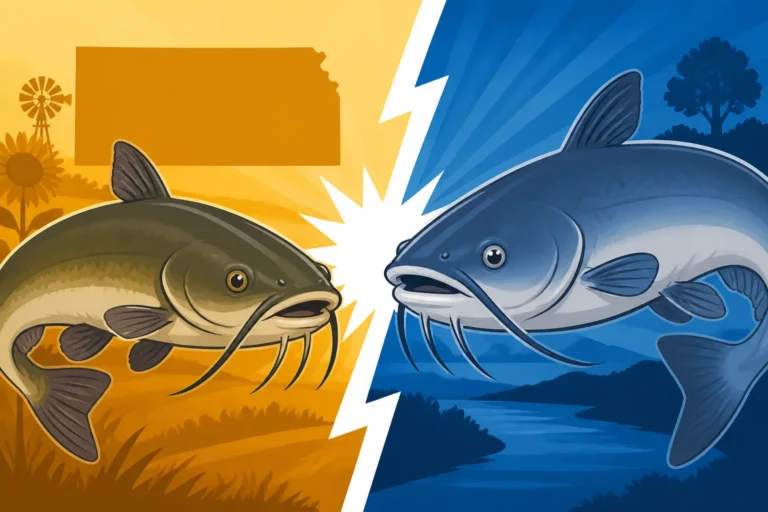
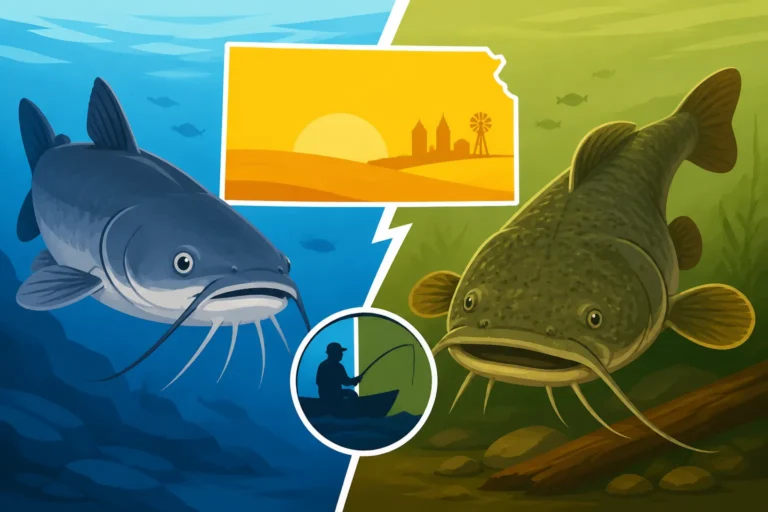
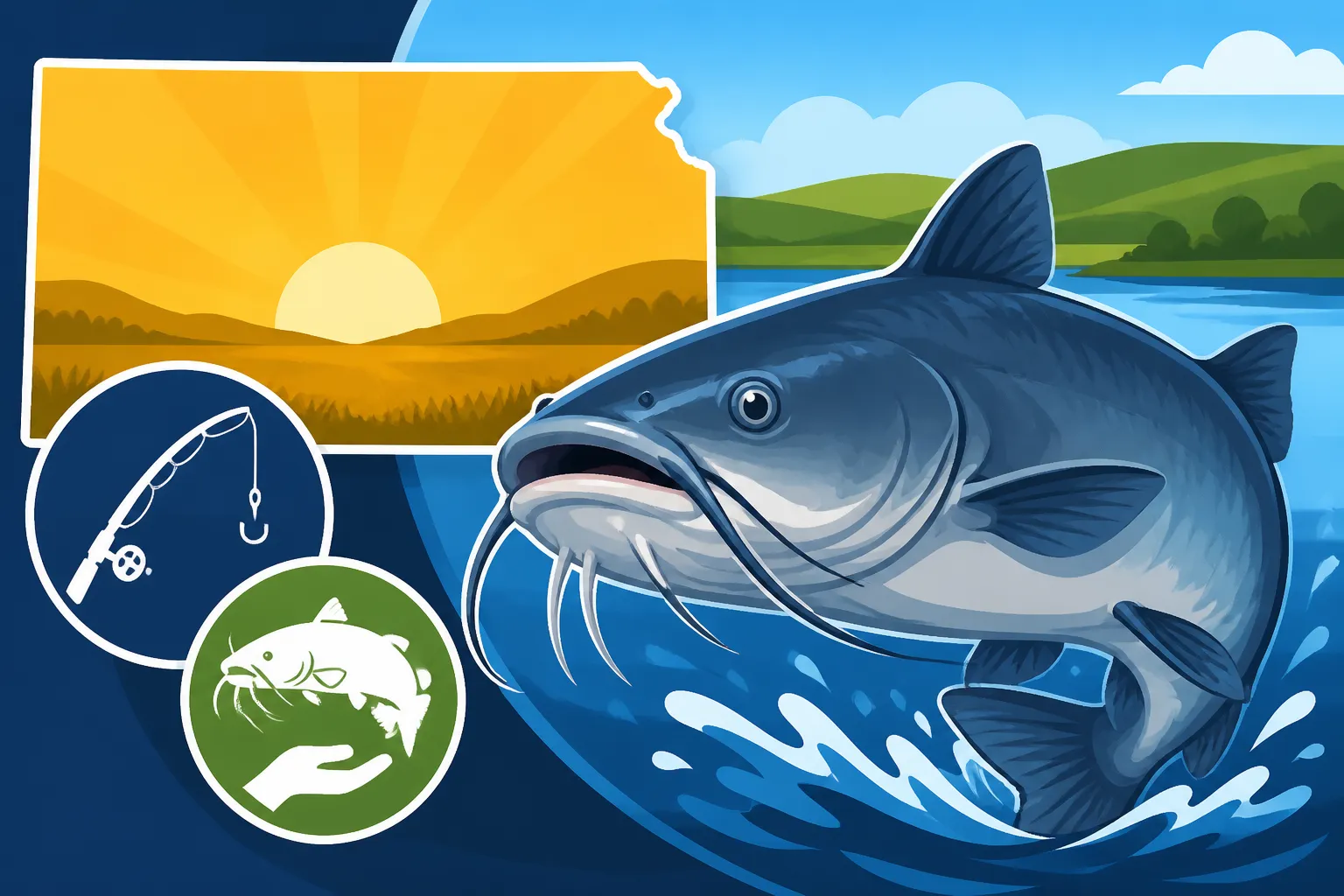
It’s a common scenario: you pull up a big catfish, and your buddy immediately shouts, "Is it a channel or a blue?" The truth is, while they share some family resemblance, blue catfish have clear features that set them apart. Their most defining characteristic is their color—they typically have a bluish-gray body, fading to white on their belly, without the distinct spots often found on younger channel catfish. Another tell-tale sign is their deeply forked tail, much more pronounced and angular than the slightly rounded fork of a channel cat.
Beyond color and tail, pay close attention to the anal fin. Blue catfish have a long, straight-edged anal fin with 30-35 rays, which is a significantly higher count than the 24-29 rays found on a channel catfish. Their heads are also generally broader and flatter compared to a channel cat's. While flathead catfish are easy to distinguish with their mottled pattern, flat head, and un-forked tail, channel and blue cats can sometimes be tricky for the untrained eye. Getting to know these specific anatomical differences is key, especially when certain regulations might hinge on correct species identification. It's not just about bragging rights; it's about fishing responsibly. For a deeper dive into the catfishing family, check out our Kansas Catfish Species Guide.
Native Habitat and Preferred Waters
Blue catfish are primarily riverine fish, meaning they thrive in large rivers with strong currents. In Kansas, this makes our major river systems, like the Kansas River and the lower reaches of the Republican and Smoky Hill Rivers, prime habitat. They love deep channels, swift current, and areas with submerged timber or rock piles that offer cover and ambush points for prey. As they’ve been introduced and established in many of our larger reservoirs, they’ve adapted well, often congregating in the deeper, open water areas, especially near the old river channels that run through these impoundments.
These fish are highly adaptable but definitely show a preference for cleaner, well-oxygenated water. Unlike channel catfish, which can tolerate a wider range of conditions, blues are a bit more particular about their environment. You’ll often find them in the main lake basins of reservoirs, rather than shallow, muddy coves, particularly during the hotter months when they seek cooler, deeper water. Their success in Kansas reservoirs has been a boon for anglers, providing opportunities to catch true trophy fish in places like Milford Lake and Tuttle Creek.
Dietary Habits and Growth Potential
Blue catfish are voracious predators and opportunistic feeders. As juveniles, they'll feast on insects, crustaceans, and smaller fish. But as they grow, their diet shifts significantly towards other fish. They are true piscivores, meaning fish make up the bulk of their diet. Shad, carp, drum, and even other smaller catfish are all on the menu. This diet, combined with their natural aggression and efficient feeding strategies, allows them to grow to immense sizes.
It's not uncommon for blue catfish in Kansas to reach weights well over 50 pounds, with some exceptional specimens pushing past the 100-pound mark. Their potential for growth is what truly sets them apart and makes them such a sought-after species for trophy hunters. Imagine reeling in a fish heavier than a small child! Their aggressive feeding habits mean they put on weight quickly, making them a fantastic sportfish that can offer a serious challenge on the end of your line.
Where to Find Blue Catfish in Kansas
Finding blue catfish in the vast waters of Kansas can sometimes feel like searching for a needle in a haystack. But with a little knowledge about their preferred hangouts and seasonal movements, you can significantly increase your chances of hooking into one of these magnificent beasts. Kansas offers some truly exceptional blue catfishing opportunities if you know where to look.
Top Reservoirs and River Systems
When it comes to blue catfish, certain Kansas waters stand out as consistent producers of both numbers and trophy-sized fish. Our large reservoirs, particularly those built on major river systems, are hotspots. Milford Lake Fishing Guide is an absolute must-read for any serious catfisherman. Milford, being the largest lake in Kansas, has a well-deserved reputation for producing monster blue catfish. Its vast depths and abundant forage, especially shad, create an ideal environment for blues to thrive. The old river channel of the Republican River, now submerged under Milford, acts as a superhighway and holding area for these fish.
Tuttle Creek Lake, near Manhattan, is another blue catfish mecca. The merging of the Big Blue and Little Blue rivers into Tuttle Creek creates strong currents and deep holes that blues absolutely adore. Anglers often target the main lake basin, especially around the dam or in the deeper sections of the river arms. The Kansas River itself, particularly the stretch from Junction City downstream, is also renowned for its large blue catfish population. These river environments provide constant current and plenty of structure, which are perfect for a blue cat's predatory nature. Don't overlook the potential of other large reservoirs like Clinton Lake or Perry Lake, which also hold healthy populations.
Seasonal Movements and Hotspots
Blue catfish, like many other species, have predictable seasonal movements that can guide your fishing efforts. In the spring, as water temperatures begin to rise, blue cats will often move shallower, particularly into river channels or main lake points where they can ambush spawning shad or other baitfish. This can be an excellent time to target them with cut bait on humps and ledges. As summer arrives and water temperatures soar, blues retreat to deeper, cooler water. They'll often be found near the thermocline (if present) or hunkered down in the deepest sections of river channels within reservoirs. Night fishing during the summer can be incredibly productive, as they become more active in cooler evening temperatures.
Come fall, as baitfish begin to congregate and migrate, blue catfish will follow. This is often an aggressive feeding period as they bulk up for winter, making them highly catchable. Look for them around bait balls on your fish finder, often in deep water near structural elements. In winter, they become more lethargic but can still be caught, usually by targeting deep holes and slack water areas where they conserve energy. Understanding these seasonal shifts is crucial; what works in May probably won't work in August.
Structure and Depth Preferences
Blue catfish are definitely structure-oriented fish, but their definition of "structure" can be quite broad. In river systems, they'll hug deep river bends, log jams, rock piles, and bridge pilings where the current provides a steady flow of food without them having to expend too much energy. In reservoirs, the submerged river channel is gold. These channels often have subtle depth changes, humps, and old timber that act as perfect holding spots.
Beyond the main channel, look for sharp drops, points that extend into deep water, and even standing timber that was left when the lake was flooded. During warmer months, they will often suspend over deep water, following baitfish schools. A good fish finder is invaluable for locating these suspended fish or identifying key structural elements that might be holding a school of blues. You might find them anywhere from 20 to 60 feet deep, sometimes even deeper in our largest reservoirs, depending on the time of year and available forage. It's always a good idea to scout an area thoroughly with your electronics before dropping a line.
Kansas Regulations: Limits and Legalities
Fishing in Kansas is a fantastic pastime, but it's vital to stay informed about the regulations, especially when pursuing a popular species like the blue catfish. The Kansas Department of Wildlife, Parks and Tourism (KDWPT) sets these rules to ensure healthy fish populations and sustainable angling for generations to come. Ignoring them can lead to hefty fines or worse. For a broader overview of the rules, take a look at our Kansas Fishing Regulations Explained.
Daily Creel and Length Limits
When it comes to blue catfish, Kansas has specific regulations designed to manage the population and promote trophy fishing opportunities. The statewide daily creel limit for blue catfish is generally 5 fish per angler. However, there's a crucial length limit to be aware of: only one of those 5 fish can be 35 inches or longer. This "slot limit" allows anglers to keep a few smaller eating-sized fish while protecting the larger, reproductively valuable trophy fish, allowing them to continue to grow and spawn.
It's incredibly important to measure your catch accurately, from the tip of the nose to the tip of the tail with the fish lying flat. If you catch a fish over 35 inches and have already kept your one trophy, that larger fish must be immediately released. This is where responsible angling comes in; understanding and adhering to these limits helps maintain the quality of our fisheries. Always check the current KDWPT fishing regulations summary before heading out, as rules can occasionally be adjusted for specific waters or seasons. You can often find this information readily available online or at license vendors. You can read more about specific regulations in Kansas Catfish Daily Limits.
Special Regulations and Protected Waters
While the statewide limits are a good baseline, some specific Kansas waters may have their own unique regulations for blue catfish. For example, certain community lakes or smaller impoundments might have different creel or length limits, or even be designated as catch-and-release only for certain species. These localized rules are typically put in place to address specific conservation needs or to enhance particular fishing opportunities in those smaller bodies of water.
It's not just about what you catch; it's about where you catch it. Before you plan a trip to a new lake or river, always cross-reference your destination with the current KDWPT regulations booklet or their website. There's nothing worse than having a fantastic day on the water only to realize you've inadvertently broken a rule due to a local exception. Being prepared means being informed, and a quick check can save you a lot of hassle.
Importance of Catch and Release
For many blue catfish anglers, especially those targeting the truly giant specimens, catch and release is more than just a regulation—it's a philosophy. While you are allowed to keep smaller blues for the frying pan, the conservation of large, trophy-sized blue catfish is paramount for maintaining healthy genetics and robust populations. These big fish are often the best breeders, contributing significantly to the future of the fishery.
When practicing catch and release, handle fish carefully. Minimize their time out of the water, support their body weight horizontally, and use appropriate tools like sturdy nets or large lip grippers designed for big fish. Avoid dragging them on rough surfaces. If you want a photo, get it quickly and release the fish gently, allowing it time to recover before swimming off. This respect for the resource ensures that other anglers, and even you, can enjoy the thrill of catching a giant blue cat in the future.
Gear and Techniques for Blue Catfish Anglers
Chasing blue catfish is not for the faint of heart, or for flimsy tackle! These are powerful fish that demand serious gear and a strategic approach. If you're heading out to target a Kansas blue, you'll want to be prepared. Think sturdy, think robust, and think reliable.
Essential Rods, Reels, and Line
To tackle a hard-fighting blue catfish, you're going to need a setup that can take a beating and still come out on top. Forget your ultralight panfish gear; we're talking about heavy-duty equipment here. For rods, a medium-heavy to heavy action rod, typically 7 to 10 feet in length, is ideal. This length provides the leverage needed to cast heavy baits and battle big fish. Look for rods with a strong backbone but enough tip sensitivity to detect those subtle catfish bites. Brands like Ugly Stik and Berkley offer excellent, durable options that can handle the abuse.
Matching that powerful rod needs to be an equally robust reel. A good quality baitcasting reel or a large spinning reel with a strong drag system is essential. Aim for reels that can hold a significant amount of heavy line, as big blues can make screaming runs. You'll want a smooth, consistent drag that won't give out when a 50-pounder decides to run for the timber. For line, braided line is a popular choice due to its incredible strength-to-diameter ratio and lack of stretch, which enhances sensitivity. Many anglers opt for 50-80 pound test braided line, often with a monofilament or fluorocarbon leader to protect against abrasion on rocks or submerged wood. For more details on suitable setups, check out our Best Rod and Reel Combo for Catfish. You can find a wide selection of these heavy-duty setups on Amazon.
Best Baits and Rigs for Blues
Blue catfish are primarily meat-eaters, and their diet heavily influences the best baits to use. Without a doubt, cut bait is king. Fresh cut pieces of oily baitfish like shad, skipjack herring, or even carp are irresistible to blues. The smellier, the better! Some anglers even "age" their cut bait slightly to intensify the scent. Live bait, such as smaller shad or bluegill, can also be highly effective, especially when targeting larger, more aggressive fish.
When it comes to rigging, simplicity and strength are key. A basic Carolina rig or a three-way swivel rig are go-to choices. For a Carolina rig, you'll need a heavy sinker (often 3-8 ounces, depending on current and depth), followed by a bead, a barrel swivel, and a leader of heavy monofilament or fluorocarbon (30-50 pound test, typically 12-24 inches long). At the end of the leader, tie on a large, stout circle hook, usually sizes 7/0 to 10/0. Circle hooks are fantastic for catfish as they tend to hook the fish in the corner of the mouth, making for easier, safer releases. This minimizes gut-hooking and increases the chances of survival for released fish. Learn more about effective baits in Best Bait for Kansas Catfish.
Techniques for Landing a Trophy Blue
Landing a trophy blue catfish is an experience you won't soon forget, but it requires patience, skill, and sometimes a little bit of luck. The most common technique for blues is often referred to as "still fishing" or "anchored fishing." You find your desired spot, often a deep river channel or a prominent structural element, anchor securely, and cast multiple lines with your cut bait rigs. It's a waiting game, but when that rod bends, be ready for a fight!
Another effective technique, especially on large reservoirs, is drift fishing. This involves allowing your boat to slowly drift across promising areas, dragging your baits along the bottom. This covers a lot of water and can be particularly effective when fish are scattered or suspending. Trolling with large crankbaits or deep-diving plugs can also sometimes entice aggressive blues, although cut bait remains the most consistent producer. When you do hook a big one, remember to let the rod and reel do the work. Keep a steady retrieve, pump and reel, and be prepared for powerful runs. A large, sturdy net is indispensable for landing these giants safely once they're near the boat. And remember to properly handle them for a healthy release if they're over the slot limit!
The Thrill of Blue Catfish Fishing in Kansas
There's something uniquely captivating about blue catfish fishing in Kansas. It's more than just catching a fish; it's an immersive experience that challenges your skills, tests your patience, and connects you deeply with the rich aquatic environments of our state. From the heart-pounding strike to the satisfaction of a successful release, it’s a pursuit that truly embodies the spirit of angling.
The Fight and the Reward
Ask any angler who has tangled with a big blue catfish, and they'll tell you: these fish fight hard. When a trophy blue hits your bait, it's not a subtle nibble. It's often a solid thump, followed by a rod-bending, drag-screaming run that can make your arms ache. They use their broad, powerful tails and immense body mass to resist, making every inch of line gained feel like a hard-won victory. The raw power of a large blue catfish is truly something to behold, transforming a peaceful day on the water into an adrenaline-fueled battle.
The reward isn't just about the size of the fish, though seeing that monster emerge from the depths is certainly a sight to remember. It's the satisfaction of the challenge, the careful planning, the perfect bait presentation, and the sheer strength required to bring it to the boat. Whether you're planning to keep a legal eating-sized fish or release a leviathan, the experience itself is the true prize. Sharing stories of these epic battles with fellow anglers is a cherished part of the blue catfishing culture.
Conservation and Sustainable Practices
As dedicated anglers, we have a responsibility to protect the resources that provide us with so much joy. The robust blue catfish populations in Kansas are a testament to good fisheries management and the collective efforts of conservation-minded fishermen. Adhering strictly to length and creel limits, as discussed, is fundamental. But conservation goes beyond just following the rules.
Practicing proper catch-and-release techniques for trophy fish is critical. Using de-hooking tools, avoiding excessive handling, and ensuring fish are revived before release all contribute to their survival. Educating fellow anglers, especially newer generations, about sustainable fishing practices ensures that Kansas's blue catfish fishery remains healthy and vibrant for years to come. Think about purchasing your gear from companies that prioritize sustainable manufacturing or support conservation efforts; you can often find such products on Amazon or specialized fishing retailers. It's about being good stewards of our natural world.
Beyond the Catch: Culinary Delights
While many trophy blue catfish are carefully released, the smaller, legal-sized blues are absolutely delicious on the dinner table. Blue catfish meat is firm, white, and flaky, with a mild, sweet flavor that is highly prized. They are fantastic filleted and fried, grilled, baked, or even used in hearty stews and chowders. There’s nothing quite like enjoying a meal of fresh-caught catfish, knowing you harvested it yourself from the clear waters of Kansas.
Preparing your catch is part of the overall fishing experience. From the initial cleaning and filleting to experimenting with different recipes, it's a way to extend the adventure beyond the lake or river. Just be sure to properly chill and store your fish to maintain its quality. For those times you decide to keep a few, remember to adhere to the Kansas Catfish Daily Limits to ensure there are plenty of blue catfish for future generations to enjoy, both for sport and for sustenance.
Here's a quick comparison of the three main catfish species you'll encounter in Kansas:
| Feature | Blue Catfish | Channel Catfish | Flathead Catfish |
|---|---|---|---|
| Color | Bluish-gray back, white belly | Olive to light brown, often spotted (younger) | Mottled brown/yellow, darker on back |
| Tail | Deeply forked | Moderately forked | Slightly notched or rounded, not truly forked |
| Anal Fin Rays | 30-35 rays, straight-edged | 24-29 rays, rounded | 14-17 rays, rounded |
| Head Shape | Broad, flatter, eyes set forward | Slightly rounded, eyes set forward | Broad, distinctly flattened, eyes set on top/side |
| Jaw | Upper jaw often extends slightly past lower | Jaws typically even | Lower jaw extends noticeably beyond upper jaw |
| Preferred Prey | Primarily fish | Omnivorous (insects, crustaceans, fish, plants) | Primarily live fish (crayfish, sunfish, minnows) |
| Max Size | Largest of the three, 100+ lbs possible | Medium-sized, usually under 20 lbs | Large, 50+ lbs common, can reach 100+ lbs |
Disclaimer
This article is for general informational purposes only and does not constitute professional advice. Laws, prices and regulations vary by location and change over time. Consult a qualified professional for guidance on your specific situation.