How to Catch Fish in Hot Summer Water in Kansas
That blistering Kansas summer sun can make fishing feel like more of a chore than a cherished pastime. You head out to your favorite lake, rods in hand, only to find the fish have seemingly vanished, or they're just not biting like they did in spring. It's a common frustration for many of us, as those scorching water temperatures fundamentally change how fish behave and where they hold. But don't despair! This comprehensive guide is here to equip you with the knowledge and strategies to successfully catch fish even when the mercury is soaring across our beautiful Kansas waters.
Understanding the Challenge of Hot Water Fishing in Kansas
When the Kansas summer truly kicks in, turning our lakes and ponds into warm baths, it's not just us feeling the heat. Fish, being cold-blooded creatures, are heavily impacted by water temperature. Their metabolism, oxygen needs, and behavior all shift dramatically. Understanding these changes is the first step to adapting your approach and finding success.
Why Fish Get Sluggish in the Heat
Think about how you feel on a sweltering summer day – you're probably less active, right? Fish experience something similar. As water temperatures climb into the upper 80s and even 90s, the metabolic rate of many cold-water and even some warm-water fish species can become stressed. They burn more energy just existing, and less oxygen is available in the warmer water. This combination often leads to fish becoming lethargic, less inclined to chase fast-moving baits, and more focused on conserving energy. They'll often seek out areas where they can expend less effort, like cooler, shadier spots, or deeper water, rather than actively hunting across open flats.
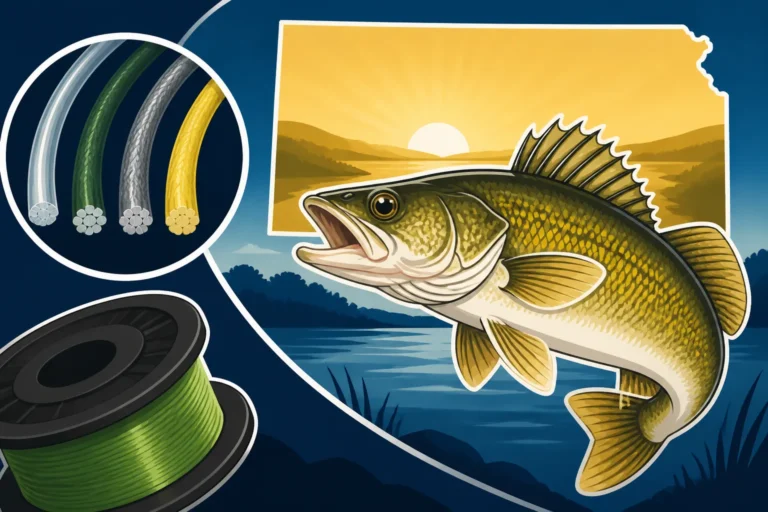
Consider a large walleye in Milford Lake. During the spring, it might aggressively chase down crankbaits in relatively shallow water. But come August, with the surface water hitting 85 degrees, that same walleye is likely to be much deeper, holding tight to structure, and less willing to expend energy on a long chase. You'll need to put your bait right in front of its nose, and even then, its bite might be subtle. This change in behavior is why your go-to spring tactics often fall flat in the heat of summer.
The Impact of Oxygen Levels and Thermocline
One of the most critical factors in hot summer water is oxygen. Warmer water simply holds less dissolved oxygen than cooler water. As temperatures rise, the available oxygen for fish decreases, which can be particularly stressful for many species. This phenomenon is directly tied to the formation of a "thermocline" in deeper lakes and reservoirs.
A thermocline is a distinct layer within a body of water where the temperature changes more rapidly with depth than it does in the layers above or below. In Kansas reservoirs like Cheney or Wilson Lake, this thermal stratification is very pronounced during summer. Above the thermocline (the epilimnion), the water is warm and has sufficient oxygen, but it might be too warm for some species. Below the thermocline (the hypolimnion), the water is much cooler, but it often becomes anoxic (lacking sufficient oxygen) due to decaying organic matter. This creates a narrow band, often within or just above the thermocline, where fish can find both comfortable temperatures and adequate oxygen. This critical zone, sometimes called the "oxycline," becomes the prime real estate for many species. Fishing below this zone in deeper lakes is often fruitless, as fish simply cannot survive in the low-oxygen environment. Understanding this is key to knowing where to drop your lines.
Strategies for Summer Fishing Success in Kansas
Beating the heat means adjusting your schedule and your tactics. You can't just fish the same way you did in May and expect results. It's about thinking like a fish – where would you go to escape the heat, find comfort, and still get a meal without too much effort?
Timing Your Trips: Early Mornings and Late Evenings
One of the simplest yet most effective strategies for catching fish in hot summer water is to fish during the cooler parts of the day. Just like humans, fish are more active and willing to feed when the oppressive mid-day sun isn't beating down on them and the water temperatures are at their lowest.
This means being on the water well before sunrise, often launching your boat when it's still dark, or staying out until after sunset. Early mornings, just as the sun is creeping over the horizon, often provide a short window of increased activity. The water has had all night to cool down slightly, and fish that retreated to deeper, cooler water might push shallower to feed before the heat of the day drives them back. Similarly, as the sun sets and twilight descends, temperatures begin to drop, and fish often become more active again, sometimes even venturing into very shallow water under the cover of darkness. This is particularly true for species like catfish and some bass. For a deeper dive into fishing after dark, check out our Kansas Night Fishing Guide.
Imagine setting your alarm for 4:30 AM to hit Clinton Lake. The air is still cool, dew is on the grass, and the lake surface is glass-smooth. You're casting topwater lures for bass or slowly dragging jigs for crappie in brush piles that were barren just hours earlier. This brief window of opportunity often yields the most productive fishing of the entire day.
Finding Cooler Water: Depth and Shade
Fish in hot water are essentially looking for an air-conditioned room. Your job is to find those rooms. This almost always means heading deeper or seeking out areas with substantial shade.
Depth: As discussed with the thermocline, deeper water is often significantly cooler. Many game fish will suspend or hold tight to structure in these deeper zones. If you're fishing a reservoir like El Dorado Lake, don't be afraid to target depths of 15-30 feet or more, depending on the thermocline's depth. Using a good fish finder is invaluable here, helping you locate the thermocline, baitfish schools, and any suspended game fish. Look for submerged creek channels, deep points, ledges, and humps where fish can retreat.
Shade: Any kind of shade can also attract fish. This could be natural shade from overhanging trees along a riverbank or in a cove, or man-made shade from docks, bridges, or even submerged structures like large brush piles. The water directly under these shaded areas will be a few degrees cooler and provide visual comfort from the bright sun. Consider fishing under bridges on the Kansas River or casting around boat docks at a community fishing lake. Sometimes, even the shadow cast by your boat can briefly attract curious panfish. When targeting these shady spots, approach quietly and present your bait carefully, as fish in these areas can be easily spooked.
Slow Down Your Presentation
When fish are sluggish due to the heat and low oxygen, they're less likely to expend energy chasing a fast-moving meal. This means your presentation needs to change from an aggressive pursuit to a more enticing, slow-motion offering.
Think "low and slow." Instead of burning a crankbait, try a slow retrieve with a Carolina rig or a Texas rig, crawling it along the bottom. For crappie, tiny jigs presented vertically under a bobber or slowly drifted over brush piles are often more effective than actively casting and retrieving. Live bait, like minnows, worms, or shad, fished on simple bottom rigs or suspended under a bobber, can be incredibly effective because the fish don't have to work hard to get a bite.
If you're targeting walleye at Kanopolis Lake, instead of high-speed trolling, try slow-trolling with bottom bouncers and live nightcrawlers or very slow-moving crankbaits. For catfish, your usual methods of still fishing with prepared baits or cut bait are perfectly suited for the heat, as catfish are naturally less dependent on chasing prey. Our Kansas Catfish Fishing Techniques guide has some excellent tips for this. Remember, the goal is to make it as easy as possible for the fish to grab your bait without exerting much energy.
Targeting Specific Species in the Heat of Kansas Summer
While summer fishing can be challenging, certain species handle the heat better than others, and all require specific adjustments to your approach.
Catfish: The Summer Champions
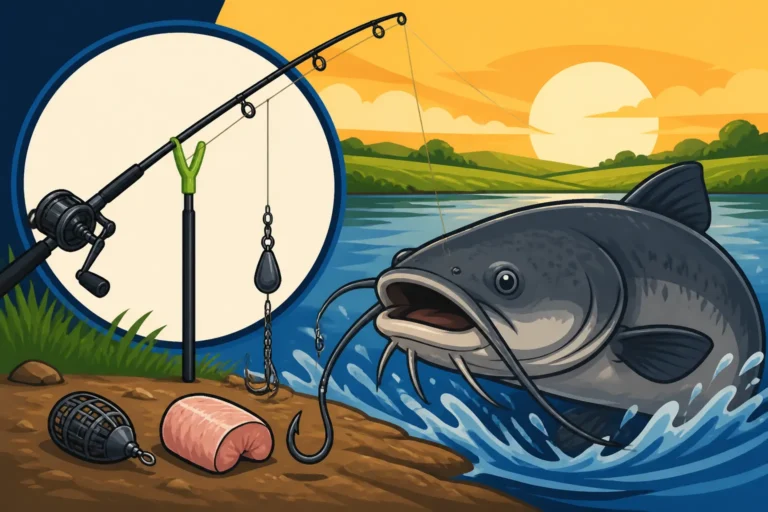
If there's one fish that truly thrives in the Kansas summer heat, it's the catfish. Channel catfish, blue catfish, and flathead catfish are all robust species that tolerate warm water conditions remarkably well, often becoming more active as temperatures rise. This makes them ideal targets for summer anglers, especially for night fishing.
Channel Catfish: These are widely distributed across almost every Kansas lake and river. They'll actively feed in warm water and can often be found along channel edges, humps, and points during the day, moving shallower into flats and coves to feed at night. Stink baits, cut bait, worms, and chicken livers are all classic baits. Try fishing them on the bottom with a simple slip sinker rig in depths from 5 to 20 feet, or even shallower at night. Our Best Bait for Kansas Catfish article can give you more ideas on what to use.
Blue Catfish: Found primarily in larger reservoirs and rivers like Milford Lake and the Kansas River, blue catfish are truly massive fish that also enjoy the warm water. They are often found in deeper channels and current breaks. They respond exceptionally well to fresh cut bait, such as shad or carp. During the summer, targeting them can involve drift fishing large cut baits along main lake channels or anchoring on deep points and humps.
Flathead Catfish: These solitary predators prefer live bait and often hold tight to heavy cover like log jams, rock piles, or undercut banks in rivers and reservoirs. They are primarily nocturnal feeders, making them a fantastic target for summer night fishing. Large live perch, sunfish, or carp are their preferred meal, fished on stout gear close to their cover. Finding a good log jam on the Neosho River in summer can lead to some incredible flathead action.
Crappie and Panfish: Adapting to Deep Structure
Crappie, bluegill, and redear sunfish are popular panfish targets, but they definitely feel the summer heat. They will retreat from shallow spawning areas and seek out deeper, cooler refuge.
Crappie: In summer, crappie will move to deeper water, often suspending over brush piles, submerged timber, or along creek channel edges in 15-30 feet of water. They might be found right on top of the thermocline. Vertical jigging with small jigs (1/16 to 1/8 oz) tipped with a minnow or small plastic bait is highly effective. A technique called "spider rigging," where multiple rods are deployed from the boat, slowly presenting baits at various depths, is popular for summer crappie on lakes like Melvern or Hillsdale. For more techniques, refer to our Kansas Crappie Fishing Techniques guide.
Bluegill and Redear Sunfish: While some will retreat deep, a surprising number of large bluegill and redear can still be caught shallower, especially early and late in the day. Look for them in shaded areas around docks, lily pads, or submerged weed beds. Small worms, crickets, or tiny jigs under a bobber are still incredibly effective. The key is to find that elusive combination of food, cover, and slightly cooler water. You might find them suspended under a pontoon boat dock in 10 feet of water, rather than right on the bank.
Bass and Walleye: Targeting Low-Light Periods
Both largemouth bass, smallmouth bass, and walleye are highly sought-after game fish in Kansas, but they become considerably more challenging in the summer heat. Their activity windows shrink dramatically, and they demand more precise presentations.
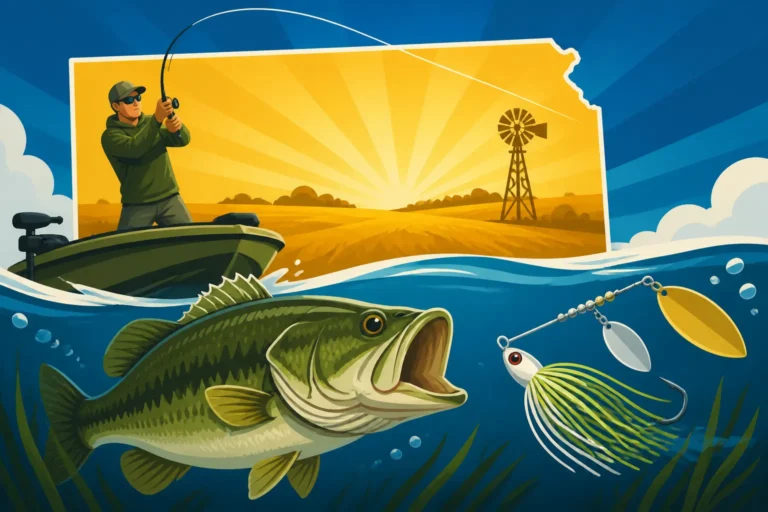
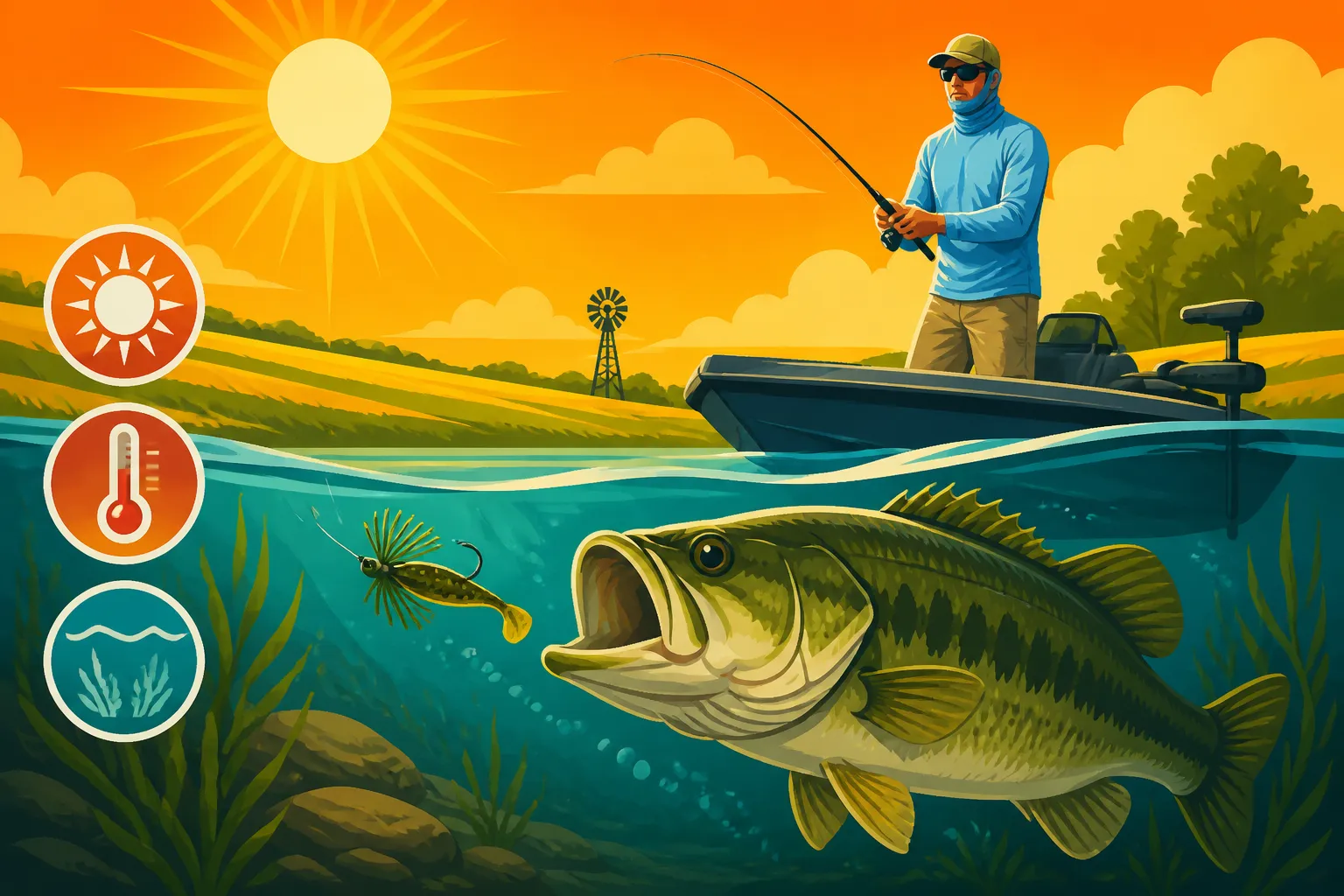
Largemouth and Smallmouth Bass: During the brutal heat of the day, bass will dive deep into heavy cover – thick brush, deep weed lines, submerged timber, or shaded creek channel bends. They'll also hug tight to rocky points or rip-rap. Your best bet for active bass is still the low-light hours of dawn and dusk. For daytime fishing, "finesse" techniques are key: slow-pitch jigs, drop-shot rigs, or Carolina rigs worked painstakingly slowly through deep cover. Texas-rigged worms or creature baits pitched into thick stuff can also elicit reaction bites. During low-light, they might chase topwater lures, spinnerbaits, or shallow-running crankbaits near cover.
Walleye: These cool-water preferring fish become particularly challenging in the summer. They will move to the deepest parts of the reservoirs, often congregating on main lake points, humps, and submerged islands, usually along or just above the thermocline. Trolling with deep-diving crankbaits or bottom bouncers with live nightcrawlers or leeches is a common and effective technique for covering water and finding them. Night fishing can also be productive for walleye, as they'll move shallower to feed. For advanced strategies, our Kansas Walleye Fishing Techniques offers some great advice. Remember, in summer, they often stack up in very specific zones, so once you find them, you can often catch several from the same spot.
Essential Gear and Safety for Summer Anglers
Summer fishing in Kansas isn't just about what the fish are doing; it's also about staying safe and comfortable yourself. The right gear makes a huge difference.
Hydration and Sun Protection
The Kansas summer sun is no joke, and heatstroke is a serious risk. Prioritize your well-being with proper hydration and sun protection.
Hydration: This is non-negotiable. Bring plenty of water, and then bring some more. Electrolyte drinks can also be beneficial, especially on long days. Avoid excessive sugary drinks or alcohol, which can dehydrate you further. A large cooler packed with ice and drinks is an absolute must. You can find excellent, durable coolers on Amazon that will keep your drinks cold all day long.
Sun Protection:
- Clothing: Wear lightweight, long-sleeved shirts and pants made of UV-protective fabric. Many brands offer fishing-specific apparel that breathes well and blocks harmful rays. A wide-brimmed hat is also crucial for protecting your face and neck.
- Sunscreen: Apply broad-spectrum sunscreen with a high SPF liberally and reapply frequently, especially after sweating. Don't forget often-missed spots like the tops of your ears and the back of your neck.
- Sunglasses: Polarized sunglasses are essential not only for eye protection but also for reducing glare and helping you see into the water, potentially spotting structure or fish.
Taking these precautions means you can stay out longer and focus on fishing, rather than battling sunburn or dehydration.
Choosing the Right Bait and Lures for the Heat
As we discussed, fish are more sluggish in the heat, so your bait and lure choices should reflect that.
Live Bait: Often the most consistent producer in hot water. Minnows, nightcrawlers, leeches, shad, and even bluegill (where legal for flatheads) are excellent choices because they offer an easy, natural meal. Rig them to present naturally with minimal movement.
Artificial Lures:
- Soft Plastics: Worms, creature baits, and tube jigs fished slowly on Texas rigs, Carolina rigs, or drop-shot rigs are fantastic. They offer a subtle presentation that can tempt lethargic fish. Colors like green pumpkin, junebug, or plum are often productive.
- Jigs: Small bucktail jigs or hair jigs, especially for crappie, presented vertically or slowly dragged, can be very effective. Tip them with a minnow or small plastic for added appeal.
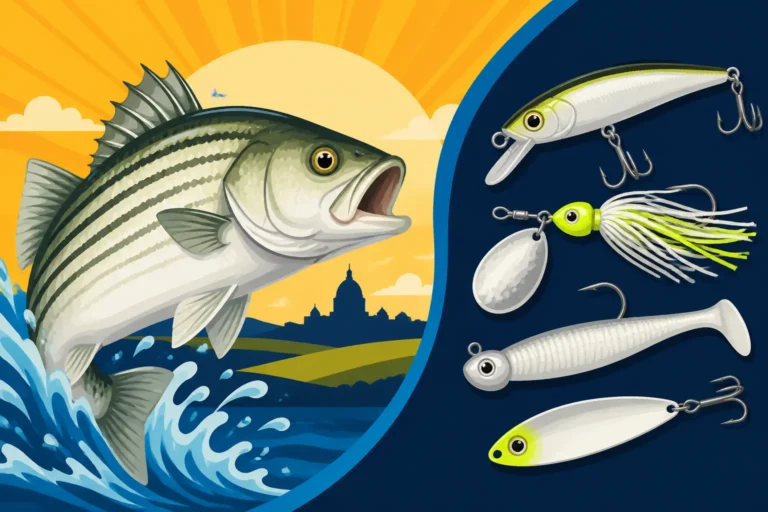
- Spoons: Jigging spoons can work for walleye and stripers holding deep over structure. Drop them down and impart a subtle lifting and dropping action.
- Deep-Diving Crankbaits: For covering water in search of suspended walleye or stripers, deep-diving crankbaits that reach the thermocline are indispensable. Match the hatch if possible, or use natural baitfish patterns.
You'll find an enormous selection of all these baits and lures on Amazon, making it easy to stock up before your trip to one of the Best Fishing Lakes in Kansas.
| Fish Species | Primary Summer Strategy | Recommended Bait/Lure (Hot Water) | Key Times to Fish | Habitat in Heat |
|---|---|---|---|---|
| Catfish | Bottom fishing, drift fishing | Cut bait, stink baits, live bait | Evening, Night, Early Morning | Deep channels, current breaks, log jams |
| Crappie | Vertical jigging, slow trolling | Small minnows, tiny jigs | Early Morning, Late Evening | Deep brush piles, submerged timber, thermocline |
| Walleye | Deep trolling, slow jigging | Nightcrawlers, leeches, deep crankbaits | Low-Light, Night | Deep main lake points, humps, ledges |
| Largemouth Bass | Finesse fishing, deep cover, low-light | Texas/Carolina rigs, jigs, topwater (low-light) | Early Morning, Late Evening | Deep submerged cover, heavy shade, docks |
| Bluegill/Sunfish | Shaded areas, deeper edges | Worms, crickets, tiny jigs | Early Morning, Mid-Day (shade) | Docks, lily pads, submerged weeds |
Boat and Equipment Considerations
If you're heading out on a boat, especially on larger reservoirs, there are a few extra things to keep in mind.
Boat Maintenance: Ensure your boat's cooling system is in top shape, and check oil and fluid levels before heading out. Overheating is a common issue in summer, especially if you're doing a lot of slow trolling. Our Kansas Boat Registration Guide outlines important rules and safety checks.
Electronics: A reliable fish finder with good down-imaging or side-imaging is a game-changer. It helps you locate the thermocline, identify deep structure, and even spot schools of baitfish and game fish that might be holding tight to cover. Look for models on Amazon that offer clear displays and good depth penetration.
Anchoring/Trolling Motor: A robust anchor system or a reliable trolling motor with GPS Spot-Lock can be invaluable for holding position over deep structure or slowly drifting across prime fishing areas, especially if you're trying to stay on a specific depth contour.
Aeration: If you're using a livewell for bait or keeping fish, ensure your aeration system is working perfectly. Warm water holds less oxygen, so robust aeration is critical to keep your bait lively and your catch healthy until you're ready to clean them.
By understanding how fish react to warm water, adapting your timing and techniques, and prioritizing your own safety, you can turn a potentially frustrating summer fishing trip into a rewarding and productive experience on the Kansas waters. Enjoy the challenge, embrace the change, and tight lines!
Disclaimer
This article is for general informational purposes only and does not constitute professional advice. Laws, prices and regulations vary by location and change over time. Consult a qualified professional for guidance on your specific situation.