Do Lakes Have Yellow Perch?
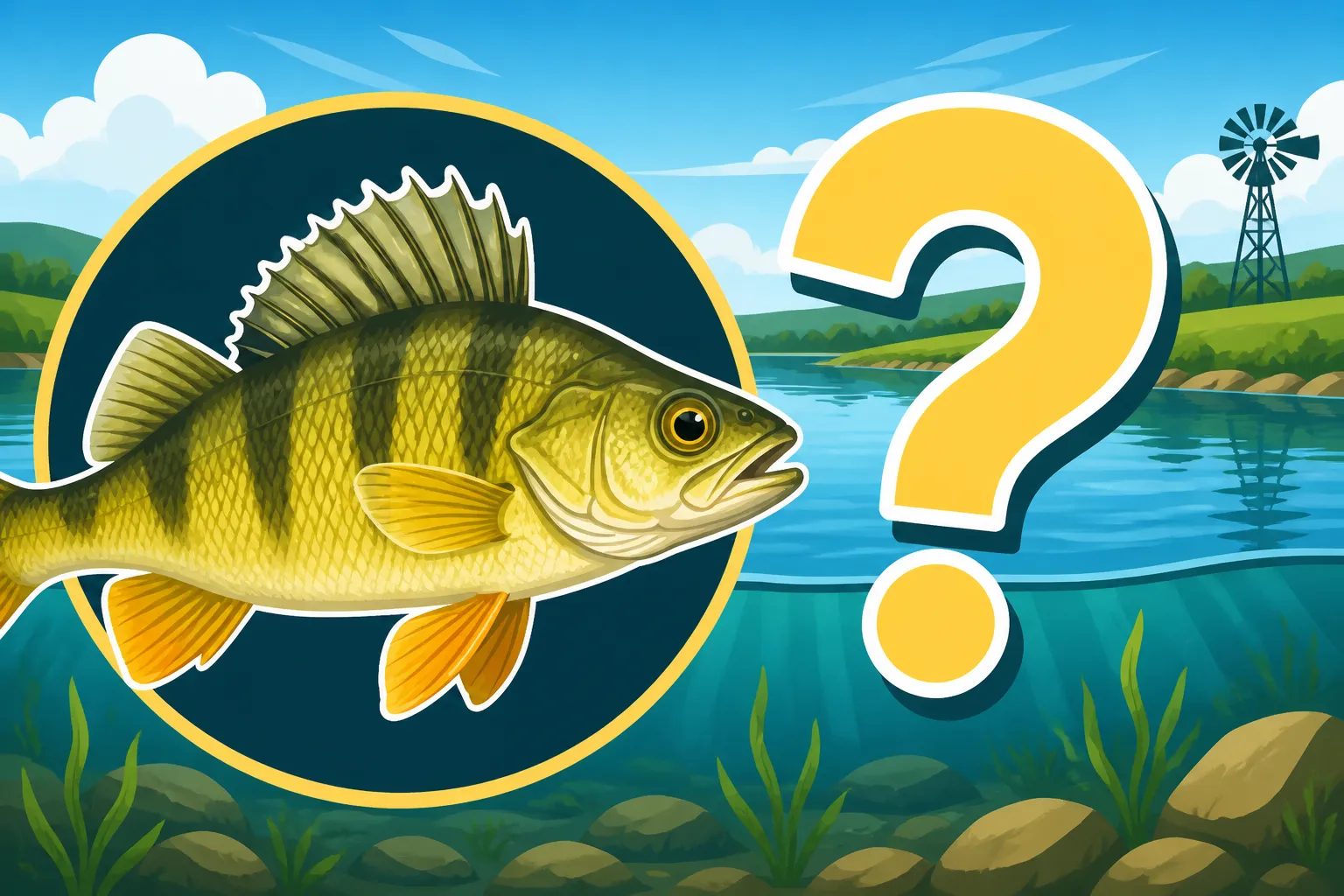
It’s a common question, especially for those of us who have moved to the Sunflower State from areas where yellow perch are a staple of the fishing scene: "Do lakes in Kansas actually have yellow perch?" It’s an understandable curiosity, as these distinctive, striped panfish are beloved for their delicious table fare and feisty fight. This guide will dive deep into the presence, or more accurately, the general absence of yellow perch in Kansas waters, helping you understand what to expect and, more importantly, what fantastic panfish opportunities Kansas does offer.
The Quest for Yellow Perch in Kansas Waters
Many anglers coming from northern states, or even some parts of the Midwest, grew up with the thrill of reeling in a stringer full of plump yellow perch. Their distinct barred patterns and the sweet, flaky meat they provide make them a prized catch. So, when new residents or visiting anglers cast their lines into Kansas lakes and reservoirs, it's natural to wonder if these familiar favorites are lurking beneath the surface.
Understanding Kansas's Primary Fish Populations
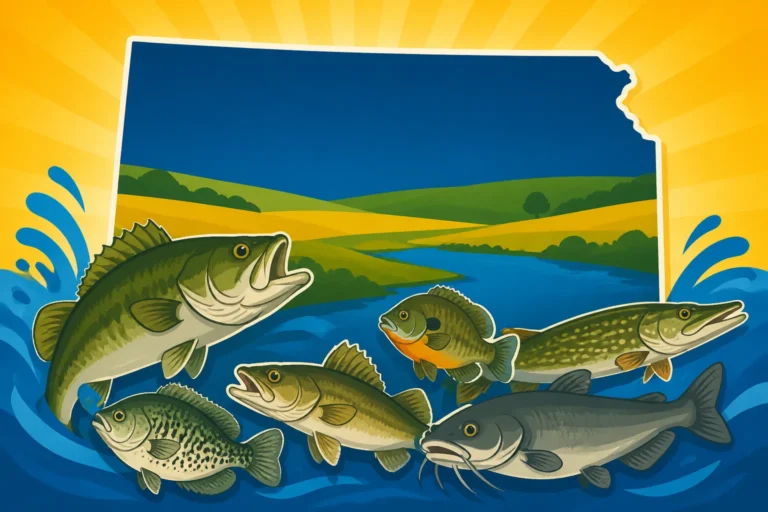
Kansas boasts an incredible diversity of fish species, but it's largely shaped by its prairie environment, climate, and the type of water bodies we have. Our large reservoirs and numerous state fishing lakes are fantastic habitats for a wide array of warmwater species. Think big catfish, aggressive bass, plentiful crappie, and hard-fighting wipers. These are the stars of our angling world, well-adapted to the conditions here. Kansas Fish Species Guide offers a broader look at what makes our waters so special.
However, yellow perch typically thrive in cooler, clearer waters with abundant aquatic vegetation, often found in glacial lakes or larger rivers further north. While Kansas certainly has clear waters, and some lakes can get deep, our overall climate and the typical characteristics of our impoundments tend to favor other species more readily. Historically, yellow perch haven't been a widespread or naturally reproducing species in Kansas, nor have they been a primary focus for extensive stocking efforts by wildlife agencies.
Are There Any Isolated Pockets?
It's tempting to hold onto hope for a hidden gem, a secret pond, or a unique lake where yellow perch might have been introduced and flourished. And while it's nearly impossible to definitively say "never" about every single private pond or tiny water body across the entire state, the reality is that yellow perch are not a recognized or targeted game fish in Kansas's public lakes and reservoirs. You won't find them listed in creel limits or length regulations for public waters because they simply aren't a substantial part of our fishery. If you're hoping for a consistent yellow perch bite, Kansas generally isn't the place to find it.
Kansas Fish Species: What You Will Find
While yellow perch might not be on the menu, Kansas more than makes up for it with an abundance of other fantastic panfish that offer thrilling action and delicious meals. If you're looking for that panfish fix, our waters are brimming with alternatives that are equally, if not more, exciting to target.
The Reigning Panfish of Kansas: Crappie, Bluegill, and Redear Sunfish
When it comes to panfish, crappie undoubtedly wear the crown in Kansas. Both white and black crappie thrive in our reservoirs and state lakes, growing to impressive sizes. They are prolific, fun to catch, and truly superb table fare. Following closely are bluegill, the quintessential beginner's fish, found in almost every pond and lake, providing endless entertainment for anglers of all ages. And let's not forget the redear sunfish, often called "shellcrackers" for their diet of snails, which offer a stout fight and a unique challenge.
Here’s a quick comparison of what you might have sought in yellow perch versus what our abundant Kansas panfish offer:
| Feature | Yellow Perch (typically) | Kansas Crappie | Kansas Bluegill | Kansas Redear Sunfish |
|---|---|---|---|---|
| Typical Habitat | Cooler, clear water, vegetation | Structure, brush piles, open water | Vegetation, shallow cover | Vegetation, rocky bottoms |
| Fight | Moderate, consistent | Energetic, often schooling | Spirited, tenacious | Strong, "shellcracking" |
| Taste | Sweet, flaky | Sweet, flaky, excellent | Mild, sweet | Sweet, firm |
| Abundance in KS | Rare/Absent in public waters | Extremely High | Very High | Moderate to High |
| Appearance | Vertical bars, yellowish hue | Deep body, silver/gold, spots | Round body, blue/green, dark ear | Round body, red/orange ear |
As you can see, our native and well-established panfish offer all the excitement and culinary delight you'd expect from a good panfish species. You can learn more about these fantastic species with guides like Kansas Crappie Fishing Guide and Kansas Bluegill Identification.
Top Kansas Lakes for Panfish Action
If you're eager to switch your focus from imaginary perch to very real and abundant panfish, Kansas has countless spots. Many of our larger reservoirs are famous for crappie, such as Milford Lake, Cheney Reservoir, and Clinton Lake. These lakes are expansive, offering varied structure from standing timber to submerged creek channels where crappie congregate. For bluegill and redear sunfish, don't overlook the hundreds of smaller Kansas State Fishing Lakes Guide and community fishing lakes scattered across the state. These smaller waters are often managed specifically for family-friendly fishing and can produce incredible numbers of sunfish. Best Fishing Lakes in Kansas will give you a great starting point for your next panfish adventure.
Why Yellow Perch Aren't a Primary Target in Kansas
Understanding why a particular fish species isn't prevalent in a region can be just as important as knowing what is available. It helps us appreciate the unique ecosystems we have in Kansas and manage our expectations when we hit the water.
Habitat and Climate Considerations
Yellow perch, while adaptable, generally prefer cooler water temperatures and stable thermal environments. They do best in lakes that have a distinct thermocline, allowing them to retreat to cooler, oxygenated depths during warmer periods. Many of Kansas's large, relatively shallow reservoirs can experience significant temperature fluctuations throughout the year, especially during our hot summers. These conditions are simply more favorable for warmwater species like channel catfish, largemouth bass, and various sunfish, which can tolerate higher water temperatures and wider environmental swings.
Furthermore, yellow perch often rely on specific types of forage and aquatic vegetation that might not be as widespread in typical Kansas impoundments. Our reservoirs, while productive, can sometimes be turbid due to agricultural runoff or wind-driven currents, which isn't always ideal for the visually oriented feeding habits of perch. The combination of warmer water, specific forage needs, and the overall ecological niche already filled by our abundant native panfish makes it difficult for yellow perch to establish self-sustaining populations here.
Lack of Historical Stocking Programs
State wildlife and parks departments typically focus their stocking efforts on species that are either native, can thrive in local conditions, or provide a high-value recreational fishery. Given the challenges with habitat suitability, yellow perch have simply not been a priority for widespread stocking in Kansas. The resources are wisely allocated to enhancing populations of species that are known to do well and provide excellent opportunities for anglers, such as walleye, saugeye, and, of course, our various catfish and panfish. This targeted approach ensures the best use of conservation funds and maximizes angler success with species that are truly at home here.
Exploring Other Delicious Panfish Opportunities in Kansas
Okay, so no yellow perch. But don't let that dampen your spirits! Kansas offers a smorgasbord of other panfish that are incredibly fun to catch and taste absolutely phenomenal. Let's redirect that enthusiasm toward the species that truly shine in our waters.
Crappie Fishing: A Kansas Tradition
Crappie fishing is a cornerstone of the Kansas angling experience. They're often found schooled up around submerged timber, brush piles, bridge pilings, and drop-offs. In spring, they move into shallower water to spawn, making them more accessible for bank anglers. A light action rod, a small reel spooled with light line (4-6 lb test), and a handful of jigs or minnows are all you need. White, chartreuse, or black jigs are always good starting points. You can find many of these essential items on Amazon, from jig heads to small soft plastics, making it easy to stock your tackle box without leaving home. For more detailed insights, check out Kansas Crappie Fishing Techniques.
Crappie Fishing Tips:
- Locate Structure: Use a fish finder to locate submerged trees, brush piles, or rock beds.
- Depth is Key: Crappie often suspend at specific depths. Experiment until you find the sweet spot.
- Light Tackle: Their mouths are papery, so a soft touch is best to avoid tearing out the hook.
- Live Bait: Minnows under a bobber are a classic and highly effective method.
Bluegill and Redear Sunfish: Family-Friendly Fun
Bluegill are fantastic for a relaxed day of fishing, especially with kids. They are often found in shallower areas with weeds, lily pads, or other cover. Redear sunfish tend to prefer slightly deeper, clearer water than bluegill, often near bottom structure, but they share similar feeding habits. Both will readily strike small worms, crickets, or tiny artificial lures. These fish are also excellent table fare, perfect for a fresh pan-fried meal after a successful outing.
Bluegill/Redear Fishing Tips:
- Small Hooks: Use hooks sized #8 or #10.
- Worms or Crickets: A classic bait that rarely fails.
- Bobbers: A small bobber makes it easy to detect bites and keeps your bait suspended at the right depth.
- Community Lakes: Kansas Community Fishing Lake Rules often highlight these lakes as prime spots for sunfish. Many of these lakes are specifically stocked and managed to ensure a healthy population for anglers.
Gearing Up for Success
You don't need a massive investment to enjoy panfishing in Kansas. A simple ultralight spinning combo will serve you well for crappie, bluegill, and redear sunfish. For baits, consider a variety of small soft plastics for crappie, like tube jigs or tiny grubs, and live bait such as red worms or crickets for sunfish. When stocking up on various hooks, weights, and even specialized panfish jigs, sites like Amazon can be a convenient resource for finding a wide selection of brands and styles to suit your needs. Remember, the key is to match your presentation to the size of the fish's mouth and their sometimes-finicky appetites.
So, while Kansas lakes may not typically offer yellow perch, the state provides an incredible array of other panfish opportunities that are just as rewarding, if not more so. Grab your light tackle, find a good spot at one of our many beautiful lakes, and get ready to experience the fantastic panfishing that Kansas truly has to offer!
Disclaimer
This article is for general informational purposes only and does not constitute professional advice. Laws, prices and regulations vary by location and change over time. Consult a qualified professional for guidance on your specific situation.