What Walleye Eat Reservoirs
Kansas reservoir walleye diet details reveal primary prey fish, crayfish, and seasonal feeding habits to help catch more fish.
Know what’s on the line.
Gamefish and panfish profiles — identification, behavior, feeding habits, and species-specific strategies for every catch.
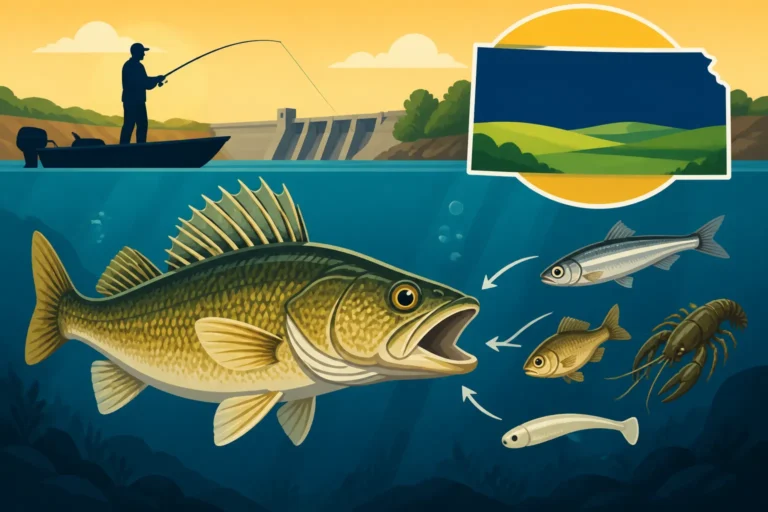
Kansas reservoir walleye diet details reveal primary prey fish, crayfish, and seasonal feeding habits to help catch more fish.
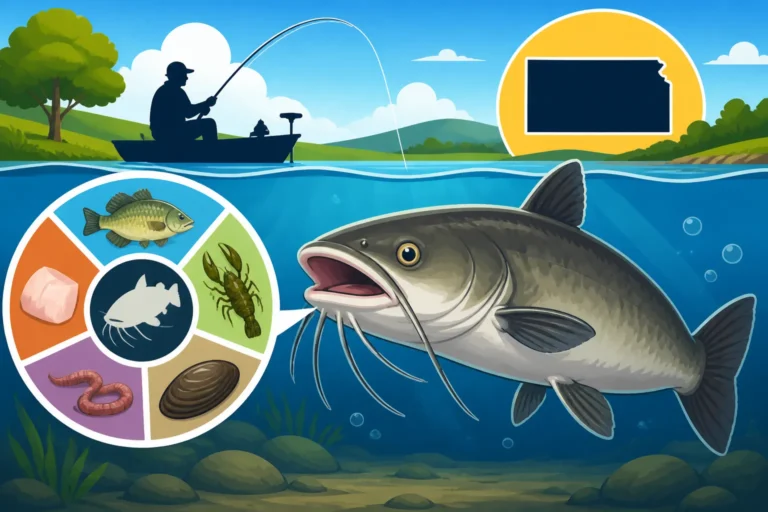
Channel catfish diet basics explain how insects, small fish, and scavenged matter dictate effective baits in Kansas lakes.
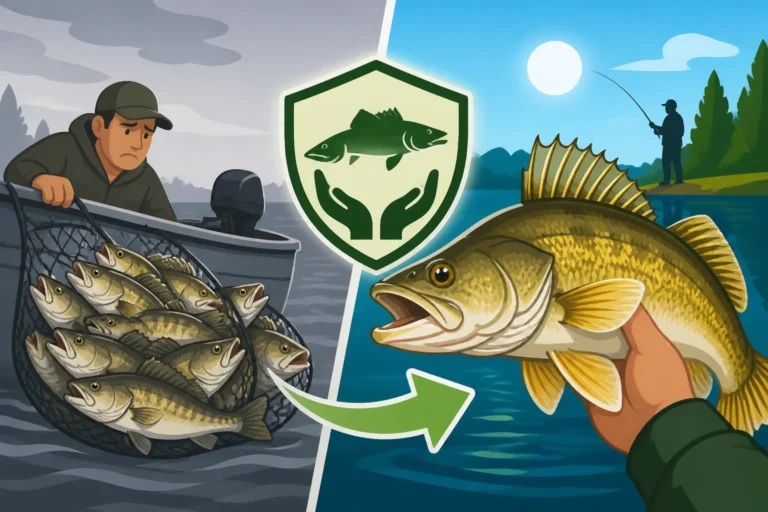
Kansas walleye regulations require a two fish daily limit and twenty one inch minimum length to protect larger fish in major reservoirs.
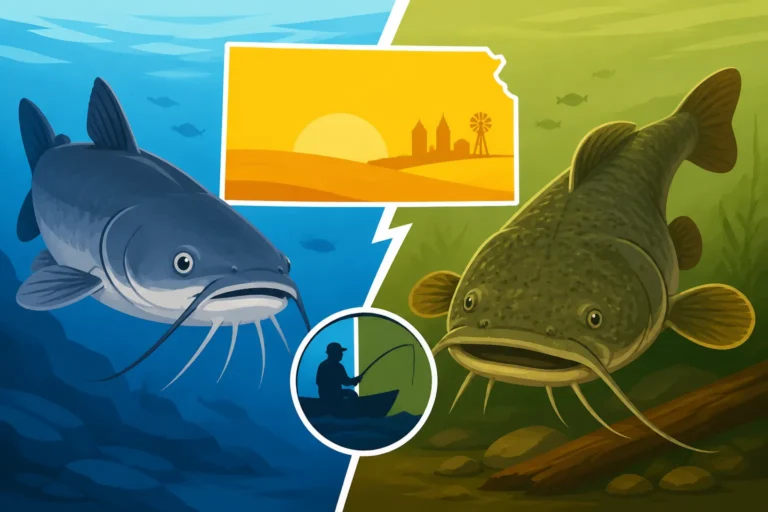
Kansas catfish regulations explain why daily harvest limits differ between channel cats and flathead catfish based on biology.
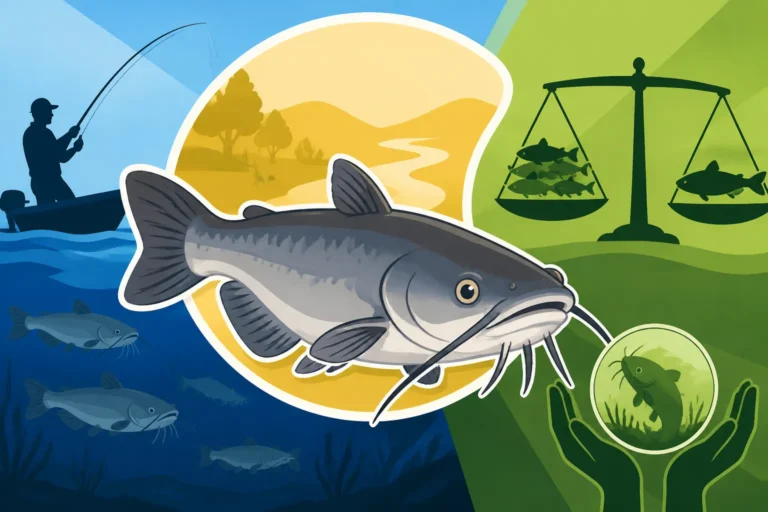
Kansas channel catfish regulations and daily limits protect fish populations, ensuring sustainable harvests and long term angling opportunities.
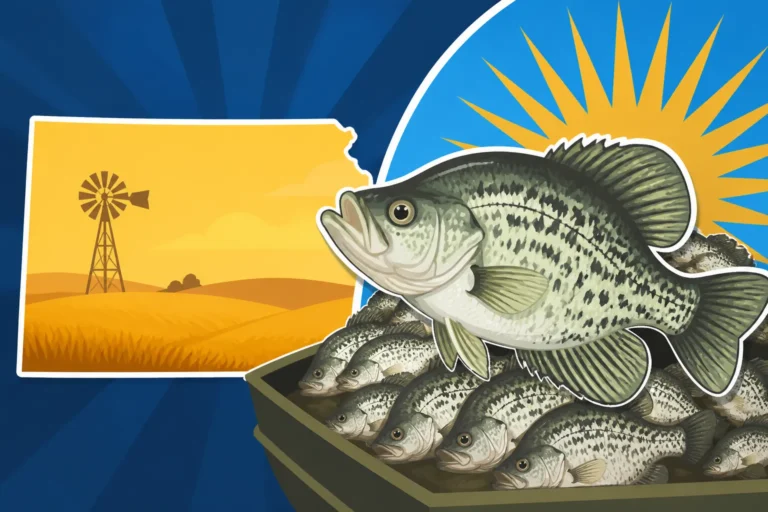
Kansas crappie fishing regulations and biology explain why anglers may keep fifty fish daily to prevent stunted populations.
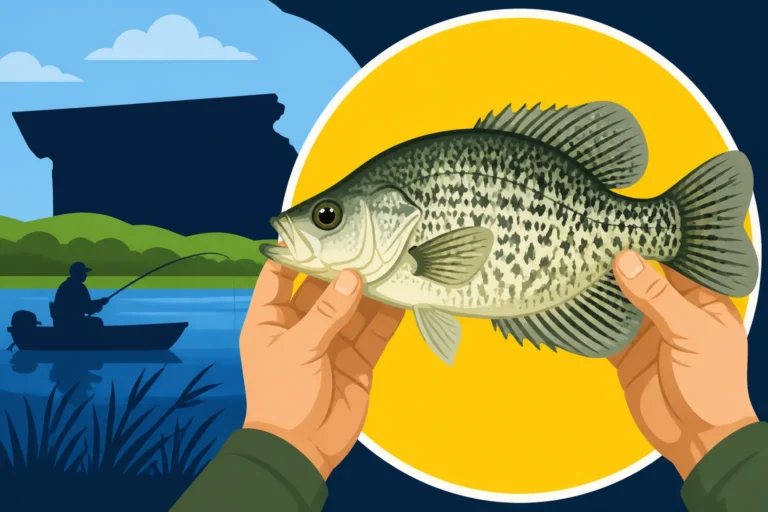
Kansas crappie regulations establish a ten inch minimum length and site specific rules to protect fish populations and ensure reproduction.
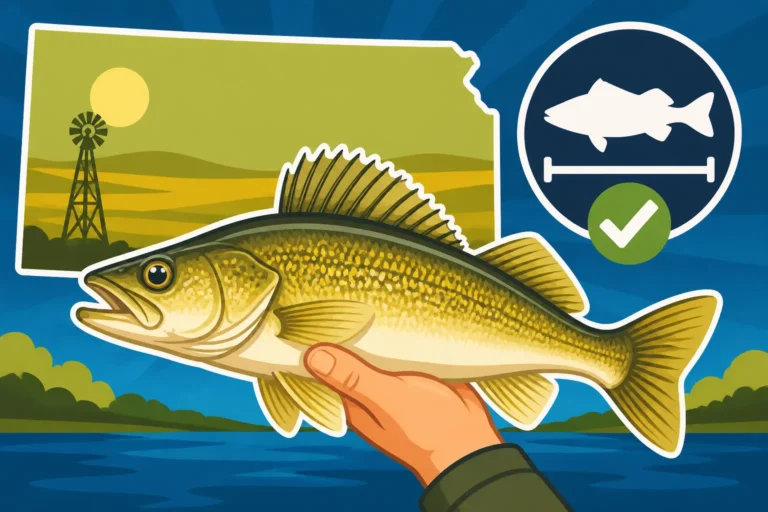
Kansas walleye regulations require a twenty-one inch minimum length to protect spawning stock and sustain populations across the state.
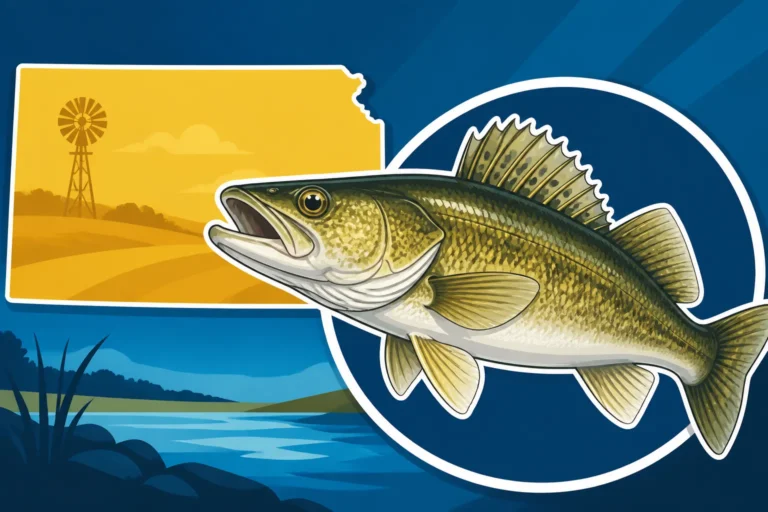
Saugeye identification tips help Kansas anglers distinguish this hybrid fish from walleye and sauger using dorsal fin patterns.
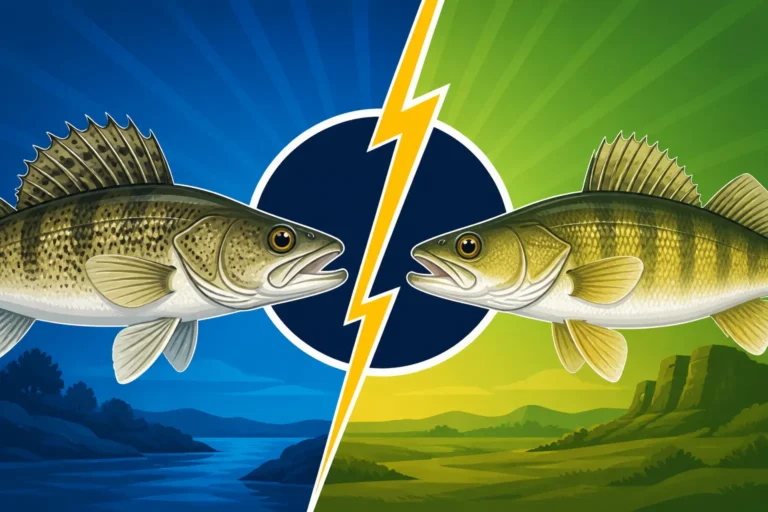
Walleye and sauger identification details help Kansas anglers follow legal creel limits, size restrictions, and avoid state fishing violations.