Best Boat Ramp Etiquette Tips in Kansas
Boat ramp etiquette in Kansas prevents delays at busy lakes like Milford and Cheney through proper pre-launch preparation.
Rig up right.
Rods, reels, tackle, and electronics — plus boat types, launch basics, maintenance, and what’s worth the money on the water.
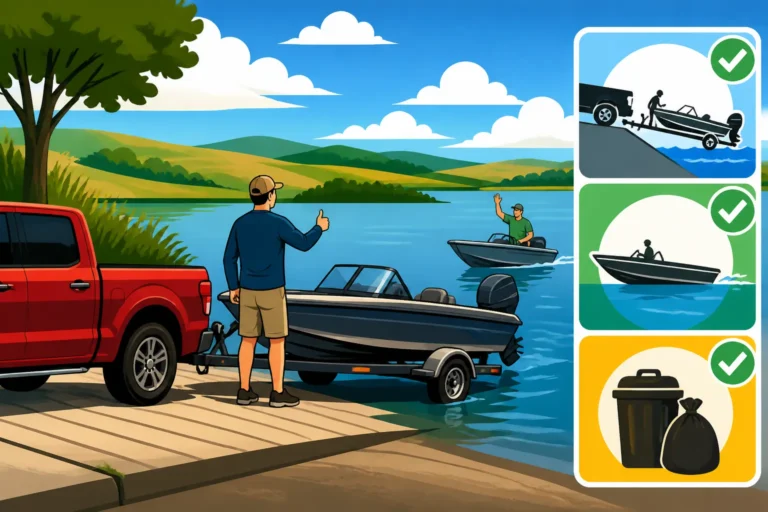
Boat ramp etiquette in Kansas prevents delays at busy lakes like Milford and Cheney through proper pre-launch preparation.
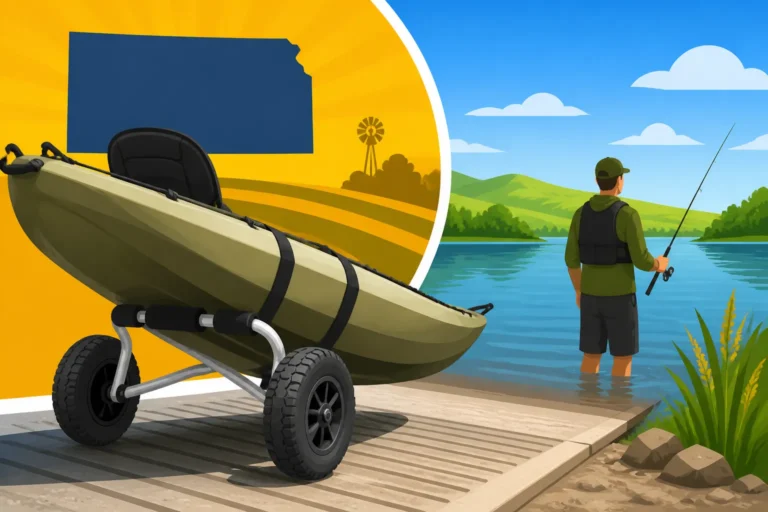
Selecting a sturdy kayak cart helps Kansas anglers transport heavy fishing gear safely across boat ramps without back pain.
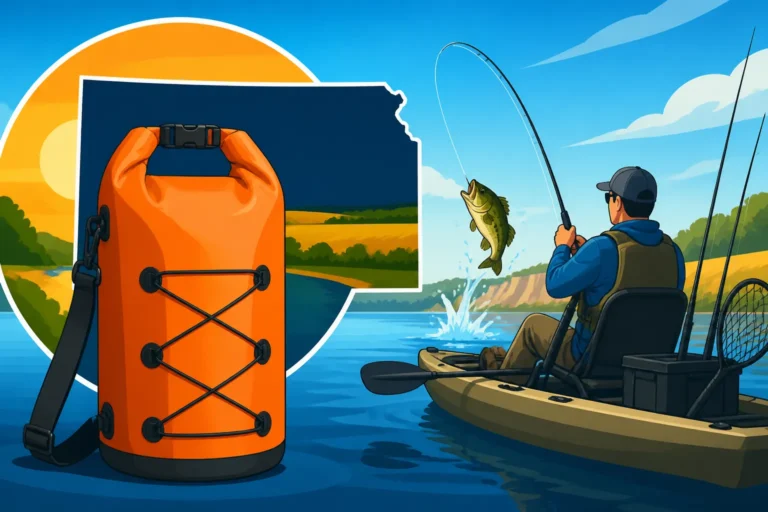
Dry bags for Kansas kayak fishing protect phones, car keys, and licenses from unexpected water hazards and sudden waves.
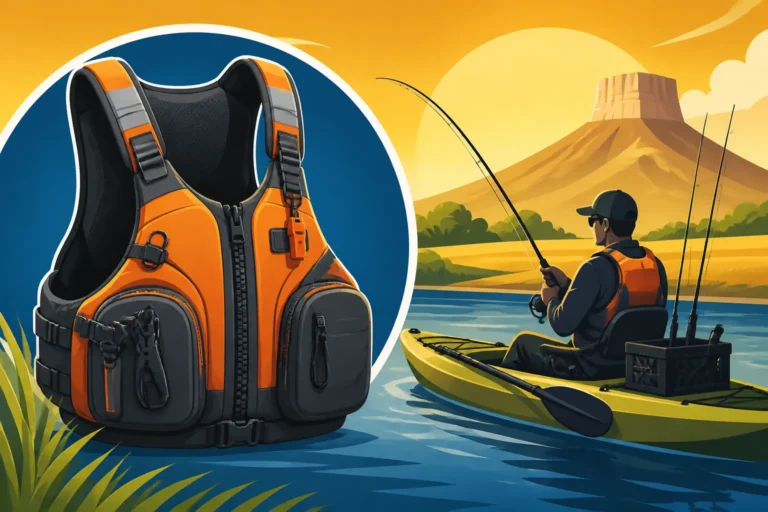
Kayak fishing life jacket selection in Kansas involves choosing proper buoyancy, high-back comfort, and smart gear storage.
Kansas kayak registration rules require permits only for watercraft using motors, while human-powered vessels remain exempt.
Kansas boat speed limit rules on reservoirs explained, including statewide regulations, local ordinances, and safety restriction zones.
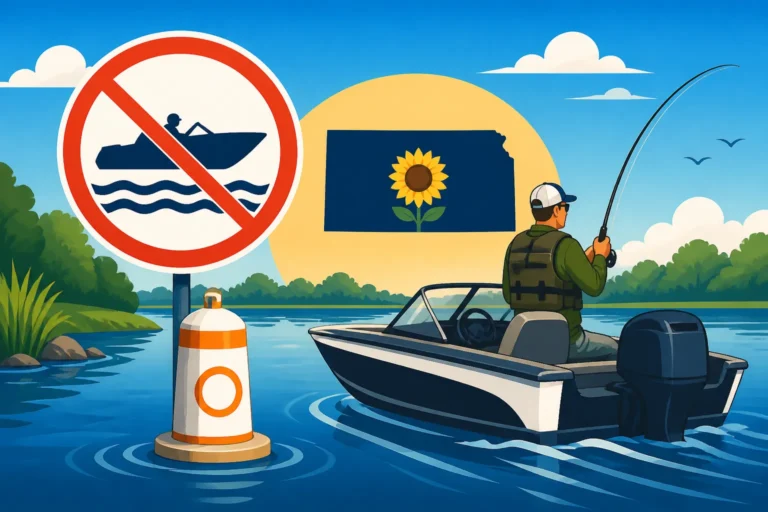
Kansas no-wake zone rules require boaters to operate vessels at the slowest possible speed to produce zero white water and prevent shoreline erosion.
Marine radios help Kansas boaters maintain reliable safety communication on reservoirs when cell service fails completely.

Boat GPS selection for Kansas reservoirs helps anglers navigate Milford Lake and Cheney Reservoir and mark productive fishing spots.
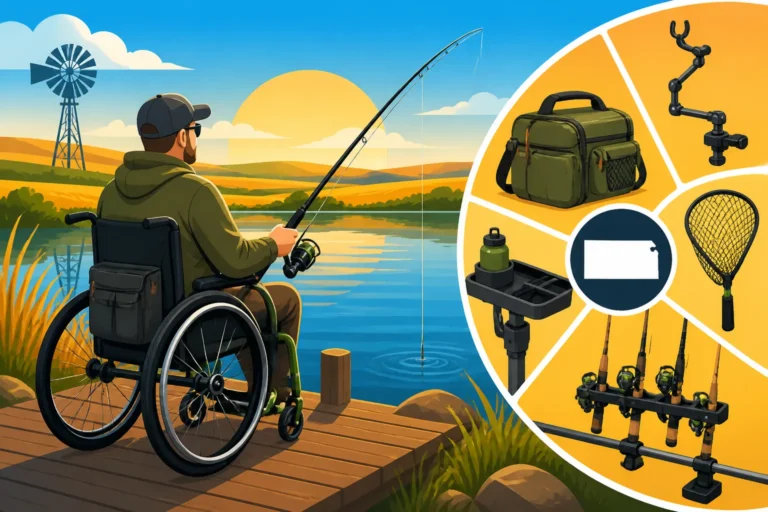
Wheelchair anglers in Kansas get specific gear recommendations and strategies for comfortable, productive, and independent fishing trips.