Best Dry Bag for Kayak Fishing Trips
There's nothing quite like the freedom of a kayak fishing trip on a beautiful Kansas lake or river, the paddle dipping rhythmically, the anticipation of a bite in the quiet morning mist. But let's be real for a moment: that peace can quickly turn to panic when an unexpected wave splashes over the bow, the skies open up without warning, or, heaven forbid, your kayak takes an unexpected tumble. The last thing you want is your phone, car keys, wallet, or even that precious fishing license turning into a soggy, useless mess. That’s where a good dry bag becomes less of an accessory and more of an absolute necessity.
This guide is all about helping you understand why dry bags are crucial for your Kansas kayak fishing adventures and how to pick the perfect one to keep your essentials bone-dry, no matter what surprises the water throws your way.
Why a Dry Bag is Non-Negotiable for Kansas Kayak Fishing
Kayaks, by their very nature, put you intimately in touch with the water. This is a huge part of their appeal, offering a stealthy approach to fish and access to skinny waters bigger boats can't reach. However, this proximity also means your gear is constantly at risk of getting wet. From minor splashes to full-on submersion, water is always a factor, and protecting your valuables should be a top priority.
Protecting Your Valuables from Water Hazards
Imagine this scenario: you're out on Milford Lake, perhaps chasing walleye or a trophy catfish, and the wind suddenly picks up, creating chop that sends spray over your bow. Or maybe you're navigating a tighter section of the Kansas River, and your paddle dips a little too enthusiastically, sending a cascade of water into your lap. These are everyday occurrences for kayak anglers, and without a reliable dry bag, your phone, GPS, and other critical electronics are soaking wet before you even realize what's happening.
The cost of replacing a smartphone or a dedicated fish finder is no small matter, but beyond the financial hit, there's the immediate frustration of being disconnected or losing your navigational tools in an unfamiliar area. Even essential items like your car keys, which often contain sensitive electronics, are vulnerable. A dry bag offers that crucial layer of defense, giving you peace of mind that your most important possessions are shielded, allowing you to focus on the fishing, the scenery, and the pure joy of being on the water. It's a small investment that prevents a potentially huge headache and lets you fully immerse yourself in the experience.
Essential Gear That Needs to Stay Dry
When you're out on the water, it's not just your phone and wallet that need protection. Think about the myriad of other items you rely on for a successful and safe trip. Your Kansas Fishing License Guide needs to be accessible and legible, should a conservation officer check. Maps, whether paper or digital on a tablet, are vital for navigating sprawling reservoirs like Cheney Reservoir or unfamiliar river bends. If they get wet, they're useless.
Beyond legal and navigational necessities, consider your comfort and safety. An unexpected cold front can blow through Kansas quickly, and having a dry change of clothes, even just an extra layer, can make all the difference in staying warm and preventing hypothermia. Snacks and medications also benefit greatly from staying dry and protected from the elements. Nobody wants soggy sandwiches or compromised pills. Even a basic first-aid kit, which should always be with you, needs to remain dry and sterile. A dry bag isn't just about protecting expensive electronics; it's about safeguarding all the small but critical items that contribute to a comfortable, safe, and enjoyable day of kayak fishing.
Key Features to Look for in a Kayak Fishing Dry Bag
Choosing the right dry bag can feel a bit overwhelming with so many options out there. But by focusing on a few key features, you can narrow down your choices and find a bag that will reliably protect your gear through all your Kansas fishing adventures. It’s all about understanding what makes a dry bag truly waterproof and durable.
Material and Construction for Durability
The material a dry bag is made from and how it's put together are crucial for its longevity and waterproof performance. The two most common materials you'll encounter are PVC (polyvinyl chloride) and TPU (thermoplastic polyurethane).
PVC dry bags are often more affordable and widely available. They tend to be very robust and offer excellent abrasion resistance, which is great if your bag is going to be sliding around in the kayak or dragging on rocky banks. However, PVC can be stiffer in colder temperatures and is generally heavier.
TPU dry bags, on the other hand, are typically lighter, more flexible, and environmentally friendlier. They perform better in a wider range of temperatures, meaning they won't get as stiff in the crisp Kansas winter air when you're perhaps trying some Kansas Ice Fishing Guide from your kayak (if conditions allow). TPU is also known for its superior puncture resistance, which is a huge plus when you're surrounded by sharp hooks, knives, and other fishing tools. While often a bit more expensive, the benefits in flexibility and durability can be well worth it for serious anglers.
Beyond the material, look at the seams. Welded seams, where the material is fused together with heat, are generally considered superior for waterproofing compared to stitched seams. Stitched seams, even if taped or coated, can eventually allow water to seep through. Welded seams create a continuous, impenetrable barrier, offering maximum protection against leaks, which is exactly what you need when you're out on the water.
Closure Systems: Roll-Top vs. Zipper vs. Compression
How a dry bag seals itself is paramount to its ability to keep water out. There are a few main types of closure systems, each with its own advantages and considerations.
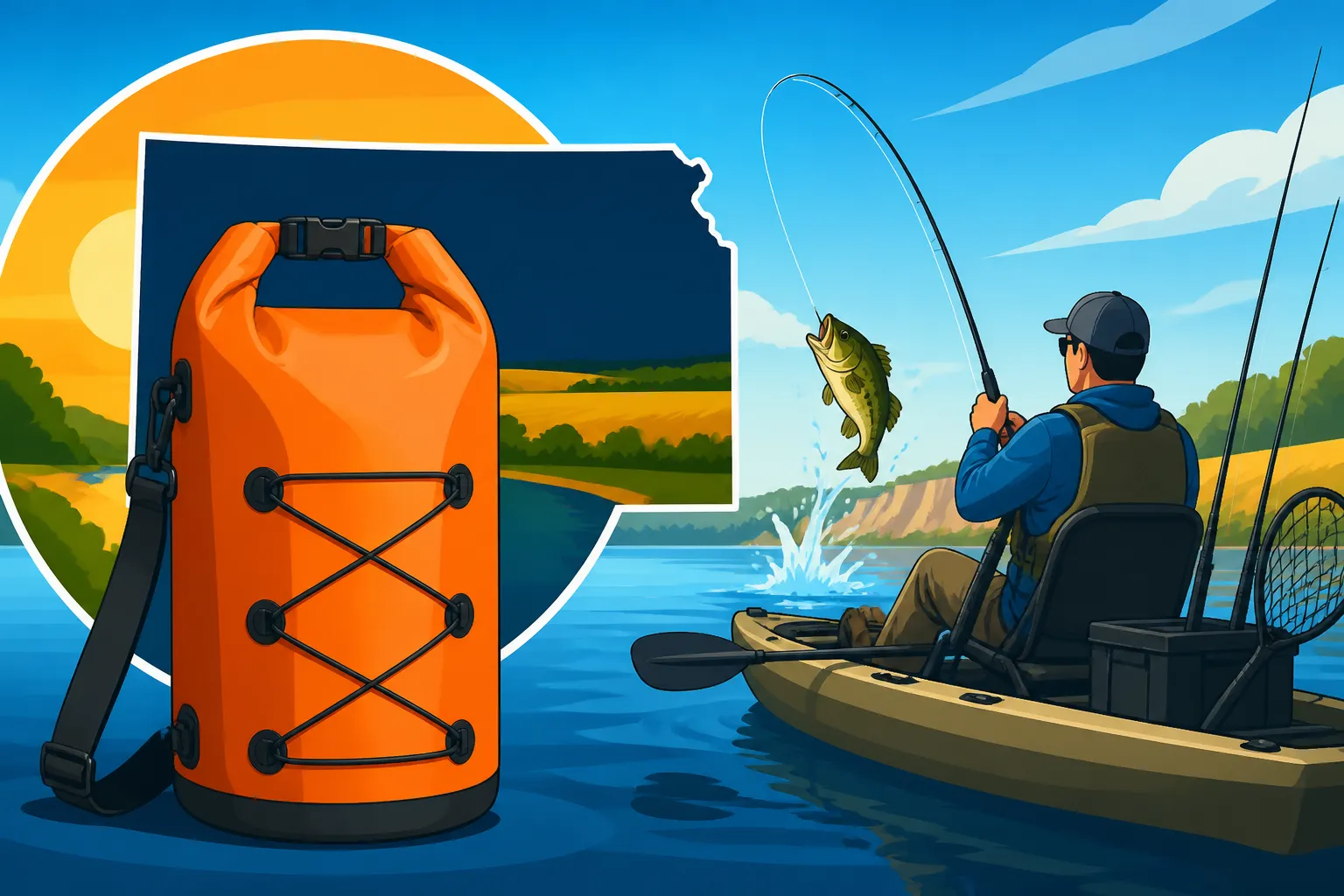
The roll-top closure is by far the most common and arguably the most reliable for general dry bags. It involves rolling down the top edge of the bag at least three times, then securing the rolled section with a buckle. This creates a highly effective watertight seal. It's simple, robust, and less prone to failure than other systems, making it a favorite for many kayak anglers. The downside? It can be a little less convenient for quick access to items compared to a zipper.
For quicker access, some dry bags feature waterproof zippers, often referred to as T-Zip or similar brand-specific names. These are heavy-duty, airtight, and watertight zippers, similar to what you'd find on a dry suit. They offer incredibly easy entry to your gear, which can be a huge advantage when you need to grab something quickly without fumbling. However, waterproof zippers are more expensive, require regular lubrication to maintain their seal, and can be vulnerable to dirt and grit if not properly cared for. They're fantastic for gear you need to get to frequently, like a camera or certain tackle.
Finally, some dry bags, especially those designed for clothing or sleeping bags, incorporate a compression system. These usually combine a roll-top closure with additional straps that allow you to squeeze out excess air, reducing the bag's overall volume. This is less about quick access and more about maximizing space in tight kayak storage areas. While excellent for bulky items, they aren't typically the go-to for sensitive electronics due to the compression forces.
For most kayak fishing applications, a high-quality roll-top dry bag offers the best balance of reliability, affordability, and ease of use.
Size, Shape, and Mounting Options
The effectiveness of a dry bag isn't just about how waterproof it is, but also how well it integrates with your kayak and your fishing style. Considering the right size, shape, and how you'll secure it are key.
Size: Dry bags come in a vast range of sizes, typically measured in liters (L). A small 5-10L bag might be perfect for your wallet, keys, phone, and Kansas Trout Permit Guide. A 20-30L bag is a good all-rounder for a day trip, holding extra layers, snacks, and a small tackle box. If you're planning an overnight camping and fishing trip on one of the Best Fishing Lakes in Kansas, you might need a 40-60L bag or even multiple bags. Think about what you truly need to keep dry and estimate the volume. It's often better to go slightly larger than too small, as under-filling a roll-top bag allows for a better seal.
Shape: Most dry bags are cylindrical, which is efficient for rolling and storing. However, you can also find rectangular dry bags that fit better into kayak hatches or dry boxes that offer rigid protection. For specialized needs, some dry bags are designed to fit into specific kayak compartments. Consider where you plan to store the bag in your kayak – do you need something that will fit in a bow hatch, a stern tankwell, or simply lay flat on the deck?
Mounting Options: This is vital for kayak fishing. You don't want your dry bag floating away if you capsize or getting knocked overboard by a rogue wave. Look for dry bags with sturdy D-rings or external lash points. These allow you to easily attach the bag to your kayak's deck lines, bungee cords, or internal tie-downs. Some bags even come with integrated straps. When you're out on the water, especially on expansive waters like Wilson Lake, securing your gear is non-negotiable. Additionally, consider the color of your dry bag. While not a mounting option, a bright, highly visible color (like yellow or orange) can be a lifesaver if it does somehow come loose and you need to spot it in the water.
Types of Dry Bags for Specific Kayak Fishing Needs
Just like there are different types of fishing, there are different types of dry bags tailored to various needs. Understanding these categories will help you match the right bag to your specific kayak fishing adventures in Kansas. From simple day trips to more involved excursions, there's a dry bag designed to fit.
Standard Roll-Top Dry Bags for General Use
The standard roll-top dry bag is the workhorse of waterproof storage, and for good reason. These are the most common type you'll see, characterized by their cylindrical shape and the simple yet incredibly effective roll-down-and-buckle closure system. Their versatility and affordability make them a fantastic choice for the vast majority of kayak fishing scenarios.
You can find these bags in nearly any outdoor or sporting goods store, including big retailers like Bass Pro Shops or easily online on platforms like Amazon. They come in a wide array of sizes, from compact 5-liter bags perfect for a phone, keys, and wallet, to larger 20-30 liter options that comfortably fit extra layers, snacks, and perhaps a small tackle box or a camera. They are typically made from durable PVC or lighter TPU, offering excellent protection against splashes, rain, and even short-term submersion if properly sealed.
For a typical day out on a Kansas State Fishing Lake, stashing your essentials in a 10-20L roll-top dry bag that's clipped securely to your kayak's deck is often all you need. They're straightforward to use, require minimal maintenance, and provide reliable waterproof security, allowing you to focus on Kansas Walleye Fishing Techniques or landing that big channel cat without worrying about your gear.
Backpack-Style Dry Bags for Portability and Comfort
Sometimes, your fishing adventure involves more than just paddling. Maybe you're portaging your kayak between different bodies of water, or perhaps you're hiking a short distance from the parking area to a secluded bank fishing spot that's only accessible via a challenging trail. In these situations, a standard cylindrical dry bag can be cumbersome to carry. That's where backpack-style dry bags shine.
These dry bags incorporate the same waterproof construction and reliable roll-top closure (or sometimes waterproof zippers) but add comfortable shoulder straps, and often a sternum strap and hip belt, transforming them into a wearable backpack. This design makes them incredibly practical for transporting your gear to and from your kayak, or for those times you need to leave your boat and explore on foot. For example, if you're exploring the more remote sections of Milford Lake Fishing Guide or the Kansas River, and you want to carry your tackle, water, and lunch a bit further from your launch point, a dry bag backpack is invaluable.
The added comfort of a backpack means you can carry more gear over longer distances without strain, ensuring your essentials stay dry and secure during the entire journey, not just when you're on the water. They are typically larger, often in the 30-60L range, making them suitable for carrying bulkier items like wading boots, extra rain gear for unpredictable Kansas Fishing Seasons Guide, or even overnight camping supplies.
Specialty Dry Bags for Electronics and Sensitive Items
While a general roll-top dry bag offers excellent protection, some items demand an even higher level of care or specific functionalities. This is where specialty dry bags come into play, designed with particular items like electronics or documents in mind.
One popular type is the small, clear, soft-sided dry case specifically for smartphones. These often feature a waterproof seal, sometimes a zip-lock style, sometimes a roll-and-velcro, that allows you to operate your phone's touchscreen through the clear material. This means you can check your Kansas Fishing Regulations Explained, answer a quick text, or snap a photo of your catch without ever exposing your phone to water. Many anglers swear by these for instant phone access.
Then there are padded dry cases or pouches, often with a roll-top or a waterproof zipper, that offer an extra layer of shock absorption along with waterproofing. These are ideal for more fragile electronics like cameras, dedicated GPS units, or even small drones that some anglers use for scouting. The padding helps protect against bumps and drops that can happen during transport or if the bag shifts inside your kayak.
For documents like your fishing license, vehicle registration, or important permits, a small, waterproof document pouch is perfect. These are often flat and designed to keep papers crisp and dry, preventing the dreaded "soggy license" scenario.
While often smaller and more expensive per liter than standard dry bags, these specialty options provide targeted protection and convenience for your most vulnerable and valuable items. Consider what delicate gear you bring on your trips and invest in the appropriate specialty protection.
Best Practices for Using and Maintaining Your Dry Bag
A dry bag is a fantastic piece of gear, but its effectiveness relies heavily on how you use and care for it. Following some simple best practices will ensure your dry bag continues to protect your valuables trip after trip, saving you headaches and potential costs down the line.
Packing Smart to Maximize Protection and Space
The way you pack your dry bag is just as important as the bag itself. Don't just stuff everything in haphazardly!
First and foremost, don't overfill your dry bag. For a roll-top bag to create an effective waterproof seal, you need to be able to roll the top down at least three times, and ideally four or five. If the bag is crammed full, you won't be able to achieve a tight, secure roll, compromising its waterproof integrity. It's better to use two smaller dry bags than one bulging one that can't be sealed properly.
Consider double-bagging highly sensitive electronics. While a good dry bag is highly reliable, adding a smaller, lighter dry sack or even a heavy-duty zip-lock freezer bag inside your main dry bag provides an extra layer of redundancy. This is particularly wise for items like your phone or car keys, especially if you anticipate rough conditions or potential submersion. Think of it as an extra insurance policy for your most critical items.
Finally, organize your items for quick access. Place things you might need frequently (like a snack, sunscreen, or a small tackle box) near the top of the bag, or in an external mesh pocket if your dry bag has one. If you have a separate, smaller dry bag for your phone, keep it easily accessible in the cockpit rather than buried at the bottom of a larger bag in the stern. Good organization saves you from rummaging around, which reduces the time your bag is open and exposed to potential splashes.
Testing, Cleaning, and Storing Your Dry Bag
Even the best dry bags need a little love and attention to perform their best. Regular care ensures they stay watertight for years to come.
Before your first big trip, or after a long storage period, it's always a good idea to test your dry bag for leaks. A simple way to do this is to put some paper towels inside the empty bag, seal it properly, and then submerge it in a bathtub or a large bucket of water for 30 minutes. Apply a bit of pressure to the submerged bag to simulate real-world conditions. If the paper towels are still dry, you're good to go! If not, inspect the seams and closure for any obvious damage.
After each trip, especially if you've been fishing in muddy rivers or brackish waters, take the time to rinse your dry bag with fresh water. Mud, dirt, and even fish slime can degrade the material or interfere with the closure system over time. A quick rinse will remove these contaminants. Pay special attention to the buckle and roll-top area, ensuring no grit is lodged there.
The most important part of long-term care is air drying completely before storage. Mold and mildew can develop if you store a damp dry bag, which not only smells terrible but can also damage the material. Hang your dry bag upside down in a well-ventilated area until it's absolutely bone-dry inside and out. For storage, it's best to store your dry bag unrolled or loosely rolled. Storing it tightly rolled or folded for extended periods can create stress points and creases in the material, which can eventually lead to cracks or leaks. Keep it in a cool, dry place away from direct sunlight, like a gear closet or a corner of your garage.
By following these simple steps, your trusty dry bag will be ready to protect your gear on countless Kansas Kayak Fishing Gear Guide adventures, ensuring your focus remains on the joy of fishing, not on soggy electronics.
| Feature / Type | Standard Roll-Top Bag | Backpack-Style Dry Bag | Specialty Electronics Bag |
|---|---|---|---|
| Primary Use | General gear, clothes, food | Portable gear, longer hauls, portaging | Phones, cameras, GPS, sensitive documents |
| Typical Sizes (L) | 5L – 30L | 20L – 60L+ | Small pouches to 5L cases |
| Closure System | Roll-top (most common) | Roll-top or waterproof zipper | Variety: waterproof zipper, specific seal, roll-top |
| Material | PVC or TPU | PVC or TPU, often thicker | TPU, sometimes with padding or clear windows |
| Portability | Handle or D-rings for clipping | Shoulder straps, sternum/hip belts | Often worn on lanyard or clipped inside larger bag |
| Access Speed | Moderate (requires unrolling) | Moderate to fast (depending on closure) | Fast (especially clear phone cases) |
| Pros | Versatile, affordable, reliable, widely available | Comfortable for carrying, larger capacity | Targeted protection, quick access to specific items |
| Cons | Less convenient for quick access, can be bulky | Heavier, generally more expensive than standard | Smaller capacity, higher cost per liter, very specific |
| Kansas Fishing Use | Day trips on lakes, river floating, essentials | Multi-day trips, reaching remote spots on Kansas River Fishing Guide | Protecting your phone/camera for that trophy fish shot |
Disclaimer
This article is for general informational purposes only and does not constitute professional advice. Laws, prices and regulations vary by location and change over time. Consult a qualified professional for guidance on your specific situation.