How to Fish a Crankbait for Walleye
Catching walleye can feel like a riddle wrapped in a mystery, especially when you're trying to figure out the best artificial lure to use in our diverse Kansas waters. Many anglers get frustrated, throwing everything in their tackle box without a solid plan. This guide is dedicated to unlocking the secrets of fishing a crankbait for walleye, giving you the knowledge and techniques to turn those frustrating outings into successful ones, specifically focusing on the nuances of our beautiful Kansas lakes and rivers.
Understanding Walleye Behavior and Habitat for Crankbait Success
To effectively fish a crankbait for walleye, you first need to think like a walleye. These fish are masters of their environment, often lurking in specific areas and exhibiting predictable patterns based on the season and prevailing conditions. Cracking that code is your first step to consistent success.
Seasonal Movements and Preferred Depths
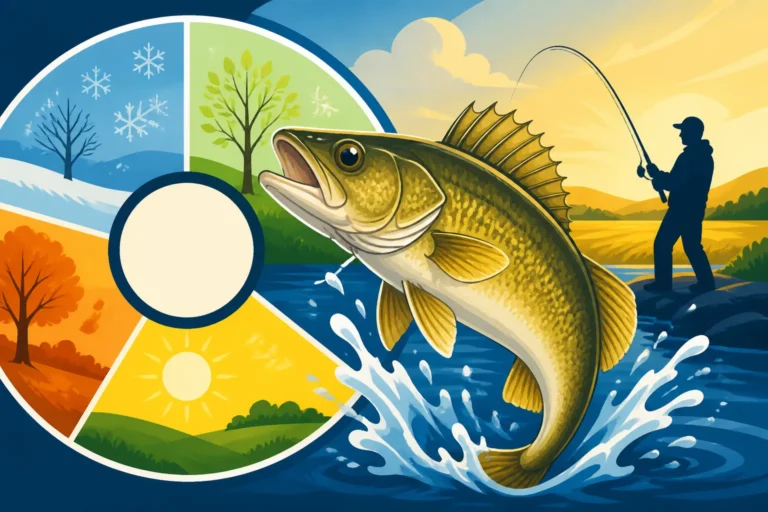
Walleye are highly attuned to water temperature, which dictates much of their seasonal movement and preferred depths. In early spring, as ice retreats and water temperatures climb into the 40s and low 50s, walleye begin to move shallower, often staging near spawning areas like rocky shorelines, riprap, or tributary mouths. This is a prime time for shallower-running crankbaits. As the water warms into the summer months, reaching the 60s and 70s, walleye will often retreat to deeper, cooler waters, often suspending over main lake basins or congregating around submerged structures. This means you'll need deep-diving crankbaits or excellent trolling strategies to reach them. Come fall, as temperatures drop again, walleye make a significant move back into shallower feeding areas before winter sets in, offering another fantastic window for crankbait action. Understanding these cycles is crucial for knowing where to start your search and what type of crankbait to tie on. It's not just about the lure; it's about presenting it where the fish are actually living.
In winter, if you're brave enough for ice fishing, walleye can still be targeted, though crankbaits are less common then. During the cold months when open water is available, they will often school up in deeper main lake areas, becoming less active but still catchable if you can put a lure right in front of them. Keeping an eye on the Kansas Fishing Seasons Guide will help you align your tactics with the walleye's natural calendar.
Structure and Cover that Attract Walleye
Walleye are ambush predators that rely on structure and cover for protection and to lie in wait for prey. When targeting them with crankbaits, you'll want to focus on areas that offer these features. This includes main lake points, especially those that drop off sharply into deeper water, submerged humps, ledges, creek channels, and even large areas of riprap or rock piles. These features provide breaks in the current, deeper water access, and prime ambush points.
Beyond natural structure, artificial cover like brush piles, standing timber, or old roadbeds can be walleye magnets. Many Kansas reservoirs, such as Milford Lake or Cheney Reservoir, have excellent submerged timber and old roadbeds that act as highways and homes for walleye. Think about how a walleye would use these features – they're not just swimming aimlessly. They are seeking comfort, safety, and food. A crankbait ripping past the edge of a submerged rock pile or deflecting off a piece of timber can trigger an aggressive strike from a hidden walleye. Learning How to Use a Fish Finder on a Kansas Lake becomes invaluable here, as it allows you to pinpoint these fish-holding structures quickly and precisely, ensuring your crankbait is presented in the strike zone.
Choosing the Right Crankbait for Kansas Walleye
The world of crankbaits is vast and sometimes overwhelming, with endless shapes, sizes, and colors. For walleye fishing in Kansas, however, understanding a few key characteristics will help you narrow down your choices and pick the perfect bait for the conditions.
Types of Crankbaits and Their Actions
Crankbaits come in various forms, each designed to perform differently in the water. For walleye, you'll primarily be looking at a few categories:
- Shallow-diving crankbaits: These typically have smaller lips and run from 2 to 8 feet deep. They're excellent for targeting walleye in spring and fall when they move closer to shore or are found in shallower bays. Their tight wobble can be very effective in cooler water.
- Medium-diving crankbaits: With slightly larger lips, these baits dive from 8 to 15 feet. They are incredibly versatile and can be used for both casting and trolling in a variety of situations throughout the year, especially when walleye are holding on submerged humps or along ledges.
- Deep-diving crankbaits: Featuring large, sometimes elongated lips, these giants can reach depths of 15 to 30+ feet. They are indispensable for summer trolling in our deep Kansas reservoirs, where walleye often suspend over vast areas or hold tight to deep structure. Their wide, aggressive wobble can call fish in from a distance.
- Lipless crankbaits: These baits sink rapidly and create a lot of vibration. While often associated with bass, lipless crankbaits can be deadly for walleye, especially when ripped through weed beds or along subtle depth changes. Their ability to cover water quickly makes them great for searching.
Each type offers a different "action" or wobble in the water, from tight and subtle to wide and erratic. Matching the action to the walleye's mood and the water temperature is key. For a quick overview of what's available, a browse through fishing lures on reputable online retailers like Amazon can show you the incredible variety and help you visualize the different styles before you commit.
Color Selection Based on Water Conditions
Crankbait color can be a hotly debated topic among anglers, but there are some general guidelines that hold true for Kansas walleye. The primary factors to consider are water clarity and available forage.
- Clear Water: In clear lakes like Wilson Lake, natural baitfish patterns (perch, shad, shiner) or subtle colors like chrome/blue, natural greens, or even translucent hues often work best. Walleye have excellent vision, and in clear water, they can be picky.
- Stained or Murky Water: When the water has a bit of a stain, or if it's muddy after a rain, brighter, more contrasting colors become more effective. Firetiger, chartreuse, orange, or even bright pink can create a better silhouette and vibration that walleye can detect. These colors stand out and help the fish locate your lure.
- Low Light Conditions (Dawn, Dusk, Overcast): In low light, dark colors like black, blue, or purple can create a strong silhouette against the lighter sky, making them visible from below. Lures with glow features or UV brighteners can also be very effective.
- Matching the Hatch: Always consider the predominant baitfish in the body of water you're fishing. If a lake is full of shad, a crankbait mimicking a distressed shad is often a winning choice. If perch are abundant, a perch-colored crankbait can be irresistible. This "matching the hatch" principle is a cornerstone of effective lure selection.
Ultimately, having a variety of colors in your tackle box is wise. Sometimes, a subtle shift in color can make all the difference on a tough bite, and you can easily find a vast selection on Amazon to cover all your bases.
Diving Depths and Lip Designs
The diving depth of a crankbait is largely determined by its lip design, body shape, and retrieve speed. A longer, wider lip generally means a deeper dive, while a shorter, stubbier lip typically results in a shallower run. The angle of the lip also plays a role; a more horizontal lip will dive faster and deeper.
For walleye, knowing the exact depth your crankbait runs is critical. You want your lure to be in the "strike zone," which might be just above submerged vegetation, along a specific depth contour, or right over the top of a deep-holding school of fish. Many crankbaits will have their approximate diving depth printed on the packaging, but this can vary based on line diameter, casting distance, and retrieve speed.
One common mistake anglers make is using a crankbait that dives too deep for the area they're fishing, constantly hanging up on the bottom, or too shallow, running above where the fish are holding. Using a dive curve chart (often available from lure manufacturers) for specific baits can help you dial in the exact depth for different line types and speeds. When trolling, especially, it's about presenting your bait precisely at the walleye's eye level. Mastering this aspect means fewer snags and more fish in the boat, especially when you're Trolling for Walleye on Kansas Reservoirs.
Mastering Crankbait Techniques for Walleye
Having the right crankbait is only half the battle; knowing how to present it effectively is where the real magic happens. Walleye can be finicky, but with the right techniques, you can entice them to strike.
Trolling Strategies and Speeds
Trolling is arguably the most effective way to cover water and consistently catch walleye with crankbaits, especially on large Kansas reservoirs. The key is to control your speed, depth, and presentation.
- Speed Control: Walleye often prefer a slower, more methodical presentation, but sometimes a burst of speed can trigger a reaction strike. Experiment with trolling speeds, typically ranging from 1.0 to 2.5 miles per hour. Factors like water temperature, clarity, and the fish's activity level will influence the ideal speed. In colder water, slower speeds are usually better, while warmer water can tolerate faster retrieves.
- Depth Control: This is paramount. Use your electronics to identify schools of baitfish or walleye, and then select crankbaits that run at or just above that depth. Line counter reels are invaluable for repeatable depth presentation. You can also vary depth by changing line diameter (thinner line runs deeper), using lead core line, or adding snap weights. For a comprehensive look, dive into specific tips for How to Troll for Walleye on Rocky Points, as these structures are prime trolling grounds.
- Pattern Trolling: Don't just troll in a straight line. Create S-curves or zig-zags to vary the speed of your baits on either side of the boat. The inside lure will slow down, while the outside lure speeds up, often triggering strikes from following fish. Also, pay attention to current and wind, adjusting your boat's path to keep your lures in the most productive zones.
When you locate fish or get a strike, mark that spot on your GPS and try to repeat your pass. Walleye often congregate in schools or around specific features, so repeating a successful pass is often the quickest way to more fish.
Casting and Retrieving Techniques
While trolling is king for covering vast expanses, casting crankbaits for walleye can be incredibly effective, especially when targeting specific structures or when fish are holding shallower.
- Controlled Retrieve: Unlike bass fishing where erratic retrieves are common, walleye often prefer a steady, consistent retrieve. This allows them to track the bait and decide to strike. Maintain a consistent retrieve speed that imparts the designed action of the crankbait.
- Contact with Structure: Don't be afraid to let your crankbait "dig" into the bottom or deflect off submerged rocks and timber. This deflection often mimics a fleeing or injured baitfish, triggering an aggressive reaction strike. Just be ready to reel quickly and free it if it snags. This tactic is particularly useful around rocky points and ledges where walleye ambush prey.
- Pause and Go: While a steady retrieve is good, incorporating pauses or sudden jerks can also be deadly. A short pause can make the crankbait float up or suspend, mimicking a disoriented baitfish, which often triggers a strike when you resume the retrieve. This "stop-and-go" motion can be especially effective in cooler water when walleye are less willing to chase.
- Fan Casting: When targeting specific areas like points or creek channels, fan cast to cover the entire area. Start by casting straight out, then gradually move your casts to the left and right, covering a wide arc. This ensures you present your crankbait to any walleye holding in the vicinity.
Remember that walleye are often most active during periods of low light, such as dawn, dusk, or on overcast days. These times can be the Best Time of Day to Catch Walleye, and casting can be a very efficient method during these windows.
Reading Your Electronics for Optimal Presentation
Your fish finder is one of the most powerful tools in your walleye crankbait arsenal. It's not just for finding fish; it's for understanding the underwater world and optimizing your lure presentation.
- Locating Fish and Bait: Use your sonar to mark schools of baitfish, which are often indicative of walleye nearby. Walleye will appear as distinct arches or blobs, depending on your unit's settings and resolution. Pay attention to the depth at which they are holding.
- Identifying Structure: Your electronics will reveal underwater contours, humps, ledges, submerged timber, and brush piles. These are prime areas to target. Once you identify a promising piece of structure, use your GPS to mark it and make precise passes with your crankbaits. Side imaging and down imaging technologies, increasingly available even on budget-friendly units from brands found on Amazon, offer incredibly detailed views of the underwater landscape, allowing you to see fish relating to structure before you even cast.
- Monitoring Depth: As mentioned, knowing your crankbait's running depth is crucial. Your fish finder confirms the bottom depth and helps you visualize how far off the bottom your lure is running. If you see walleye at 15 feet and your crankbait is only running 10 feet deep, you know you need to adjust.
- Temperature Readings: Many fish finders provide surface water temperature. This is vital for understanding walleye behavior and predicting their movements. A slight temperature break might be enough to concentrate fish in a specific area.
Learning to interpret the information your electronics provide will dramatically increase your crankbait success. It takes practice, but it's an investment that pays off in big walleye.
Gear and Setup for Effective Crankbait Fishing
The right gear makes a huge difference when fishing crankbaits for walleye. A balanced setup enhances your presentation, improves casting distance, and gives you the leverage needed to land powerful walleye.
Rod, Reel, and Line Selection
Choosing the right rod, reel, and line for crankbait fishing walleye is about creating a harmonious system that works with your chosen lures and techniques.
- Rod: For casting crankbaits, a medium-heavy power rod with a moderate to moderate-fast action is usually ideal. The moderate action allows the rod to load up well on the cast, increasing distance, and provides a softer tip to absorb the shock of a crankbait's wobble, preventing fish from tearing off. A length of 7 to 7.5 feet is versatile. For trolling, longer rods (7.5 to 9 feet) with a softer tip (moderate action) are excellent as they provide more spread, absorb waves better, and allow for a deeper dive of the crankbait. You can find excellent options for a Best Rod and Reel Combo for Walleye that are perfectly suited for these methods.
- Reel: Baitcasting reels are preferred for casting crankbaits due to their superior line control, casting distance, and power. A reel with a gear ratio in the 5.1:1 to 6.4:1 range is generally good, offering a balanced retrieve speed. For trolling, especially if you're serious about precise depth control, a line counter reel is almost a necessity. These reels allow you to let out an exact amount of line every time, making it easy to replicate successful presentations.
- Line: Monofilament line in 10-14 lb test is a popular choice for crankbait fishing due to its stretch, which acts as a shock absorber and helps prevent hooks from tearing out of a walleye's mouth. The buoyancy of mono can also allow shallow cranks to run a bit shallower, which can be useful. Fluorocarbon line (10-15 lb test) is another excellent option; it has less stretch than mono, offers better sensitivity, and sinks, which can help deep-diving crankbaits get to their maximum depth. Braid (20-30 lb test) can be used, especially for deeper trolling or for fishing around heavy cover, but its lack of stretch requires a softer rod action to compensate. Always use a fluorocarbon or monofilament leader with braid for stealth.
The choice between these will often come down to personal preference and the specific conditions you're facing on the water.
Essential Accessories for Crankbait Anglers
Beyond the rod, reel, and line, a few key accessories can make your crankbait fishing experience much more productive and enjoyable.
- Tackle Box Organization: Crankbaits, with their multiple treble hooks, can be a tangled mess if not stored properly. Investing in tackle boxes with individual compartments or specialty crankbait boxes will keep your lures organized, prevent hooks from tangling, and make it easy to find the right bait.
- Line Cutters/Scissors: Essential for quickly and cleanly cutting line when tying knots or re-rigging.
- Pliers/Forceps: Crucial for safely removing hooks from a walleye's mouth, especially with treble hooks, and for performing minor adjustments to crankbait tuning.
- Net: A good-sized landing net is indispensable for landing walleye, especially the larger ones, which often make a last-minute dash at the boat. This reduces stress on the fish and prevents lost trophies.
- Electronics: As discussed, a quality fish finder is almost non-negotiable for serious walleye anglers. Even basic units can provide invaluable information about depth, structure, and fish presence. Brands often available on Amazon offer a range of options for every budget.
- GPS: Integrated into many fish finders or as a standalone unit, GPS allows you to mark waypoints for productive spots, follow contours while trolling, and return to specific areas easily.
- Measuring Board and Scale: To ensure you're adhering to Kansas Walleye Size and Limits, a measuring board is a must-have. If you're chasing a trophy and want to know its weight, a digital scale is invaluable. Remember, the Kansas Walleye Minimum Length Limit of 21 Inches is serious business!
- Sun Protection: Don't forget sunscreen, a wide-brimmed hat, and polarized sunglasses. Polarized lenses are particularly useful as they cut glare and allow you to see into the water, potentially spotting submerged structure or even fish.
Having these accessories at hand will streamline your fishing process, allowing you to focus more on the fishing and less on the frustration of disorganization or inadequate tools.
Crankbait Selection Guide for Kansas Walleye
To help simplify your crankbait selection for various walleye scenarios in Kansas, here's a quick guide:
| Crankbait Type | Best Use Case in Kansas | Typical Diving Depth (Approx.) | Key Features |
|---|---|---|---|
| Shallow Diver | Spring & Fall, shallow flats, rocky shorelines, weed edges | 2-8 feet | Small lip, tight wobble, excellent for casting |
| Medium Diver | All seasons, versatile for casting/trolling on ledges | 8-15 feet | Medium lip, moderate wobble, good "all-around" bait |
| Deep Diver | Summer trolling deep reservoirs, main lake points | 15-30+ feet | Large lip, wide wobble, aggressive action |
| Lipless Crankbait | Ripping through weeds, searching open water, reaction bites | All depths (sinking) | No lip, high vibration, casts long, retrieves fast |
| Stickbait/Jerkbait | Cold water, suspended fish, subtle presentation | 2-10 feet (suspending) | Slender profile, erratic darting action with pauses |
Remember, this is a general guide, and experimentation is always key. Walleye in different Best Walleye Lakes in Kansas may prefer different presentations.
With this comprehensive understanding of walleye behavior, crankbait selection, techniques, and essential gear, you're well on your way to becoming a more effective walleye angler here in Kansas. Go ahead, hit the water with confidence, and let those crankbaits do their work!
Disclaimer
This article is for general informational purposes only and does not constitute professional advice. Laws, prices and regulations vary by location and change over time. Consult a qualified professional for guidance on your specific situation.