How to Snag Paddlefish
If you've ever dreamt of battling one of North America's oldest and most unique freshwater giants, the paddlefish, then you've likely encountered the specific challenge of how to actually catch them. Unlike traditional fishing where you tempt a fish with bait, paddlefish have a very particular way of feeding that necessitates a different approach. This guide will walk you through the often-misunderstood but exhilarating technique of snagging paddlefish in Kansas, ensuring you're prepared, informed, and ready for a truly memorable angling experience.
Understanding Kansas Paddlefish and Why Snagging is Necessary
Paddlefish are truly incredible creatures, often looking like something out of a prehistoric era. They're also quite unlike most other game fish you'll encounter in Kansas waters, which means the rules of engagement are a little different.
What Makes Paddlefish Unique?
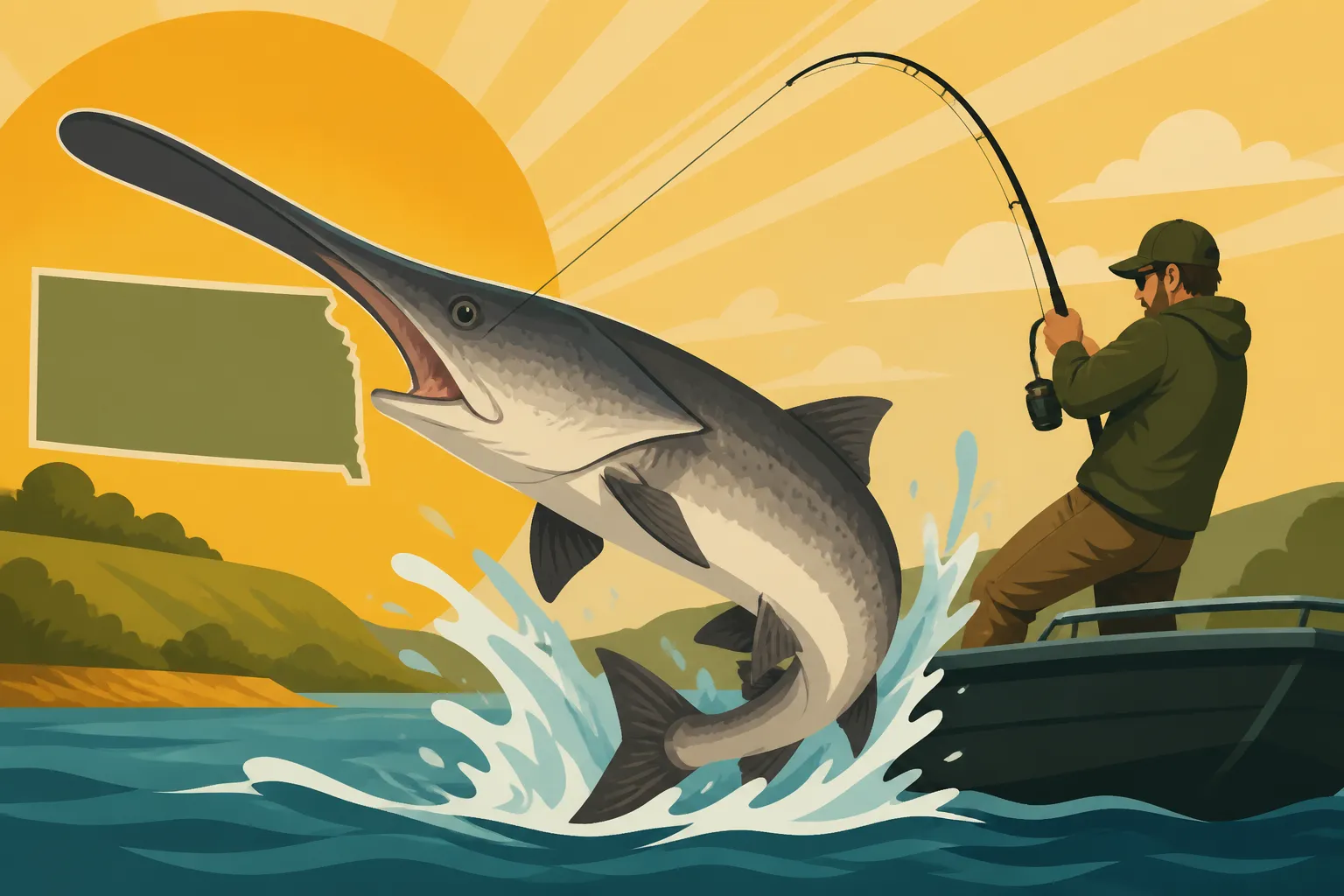
Let's talk about what makes these fish so special. Kansas paddlefish (Polyodon spathula) are ancient, cartilaginous fish, sometimes called "spoonbill" or "spoonbill cat" due to their distinctive, long, paddle-like rostrum. This isn't just for looks; it's a sensory organ packed with electroreceptors that helps them detect plankton, their primary food source, in often murky water. They are filter feeders, meaning they swim with their mouths open, sifting microscopic organisms from the water. They don't strike at lures, and they don't eat bait in the traditional sense. This fundamental biological difference is precisely why traditional hook-and-line methods, where a fish bites a baited hook, simply don't work for them. Instead, a legal and regulated method called "snagging" is employed. If you're curious about What Paddlefish Eat or How Paddlefish Differ From Other Game Fish, you'll find it fascinating how unique their biology truly is.
They are also one of the largest freshwater fish species you can find in Kansas, capable of reaching impressive sizes and weights. Hooking into one of these giants is an intense experience, often described as trying to reel in a log that suddenly decides to fight back with immense power and stubborn runs. Their sheer size and strength require specialized gear and a significant amount of angler effort, but the reward of landing such a magnificent, wild fish is unparalleled.
The Legality and Ethics of Snagging
For many newcomers, the term "snagging" might sound a bit… unsportsmanlike, maybe even illicit. But in Kansas, and many other states where paddlefish thrive, snagging is a completely legal and highly regulated method specifically permitted for harvesting this species. It’s not about illegally foul-hooking other fish; it’s a recognized and necessary technique for species that cannot be caught by conventional means.
The Kansas Department of Wildlife, Parks and Tourism (KDWPT) has specific rules in place to manage paddlefish populations responsibly. These regulations dictate everything from when and where you can snag to the number of fish you can keep. Ignoring these rules can lead to serious penalties, which is why it’s absolutely critical to understand the current Kansas Fishing Regulations Explained before you even think about heading out. It's a method that is carefully monitored to ensure sustainability, allowing anglers to target these fish while protecting the species for future generations. The ethics come down to adhering to the rules, practicing proper fish handling, and respecting the resource.
Essential Gear for Your Kansas Paddlefish Snagging Adventure
When it comes to snagging paddlefish, your everyday bass or catfish combo simply won't cut it. These fish are big, powerful, and built to fight, so your gear needs to be just as robust. Think heavy-duty, commercial-grade equipment designed for serious battles.
Rod, Reel, and Line – Built for Battle
Your rod, reel, and line are the triumvirate that will either bring a paddlefish to hand or leave you with broken tackle and a story of "the one that got away."
- Rods: You'll need a rod with serious backbone and a stout tip. Many anglers opt for heavy-action or even extra-heavy action rods designed for saltwater surf fishing, musky, or large catfish. Look for rods in the 8 to 12-foot range, capable of handling casting heavy weights and providing the leverage needed to fight a strong fish in current. A rod designed for a large species, similar to what you might use for Best Rod Power for Catfish, but even heavier, is a good starting point. You want something that can absorb massive shocks and allow you to muscle a fish without snapping.
- Reels: A large, robust conventional (baitcasting) reel or a heavy-duty spinning reel is essential. Whatever you choose, it needs a powerful, smooth drag system and a high line capacity. You'll be making long casts and fighting powerful runs, so a reel that can hold at least 200-300 yards of heavy line is a must. Don't skimp here; a cheap reel will quickly fail under the stress of a big paddlefish. Many anglers find reliable options for heavy-duty reels by exploring what's available on Amazon, comparing features and user reviews.
- Line: This is not the time for monofilament. You need heavy-duty braided line, typically in the 80 to 120-pound test range. Braided line offers superior strength, minimal stretch (which is crucial for feeling the "snag" and setting the hook effectively), and excellent abrasion resistance. It’s the direct connection to the fish, so invest in quality. For similar reasons that anglers choose Best Braided Line for Catfish Rigs, you'll want something incredibly tough for paddlefish.
Hooks, Weights, and Other Essentials
Beyond your rod and reel, several other pieces of terminal tackle and accessories are absolutely crucial for a successful and safe snagging trip.
- Hooks: You'll be using large, heavy-gauge treble hooks. These are designed to catch and hold onto the paddlefish's tough hide. Sizes typically range from 8/0 to 12/0, often larger, and you want them sharp and strong enough not to bend out under pressure. The heavier the gauge, the better. You can often find a good selection of these specialized treble hooks on Amazon, making it convenient to stock up before your trip.
- Weights: Heavy weights are necessary to get your hooks down to where the paddlefish are schooling, especially in river currents. Pyramid or egg sinkers ranging from 8 ounces to 2 pounds are common. The weight needs to be heavy enough to sink quickly and maintain contact with the bottom, allowing your hooks to sweep through the water column where the fish are.
- Swivels and Leaders: Use heavy-duty barrel swivels and robust leaders (often 100-200 pound test monofilament or fluorocarbon) to prevent line twist and provide an extra layer of abrasion resistance against the fish's rough skin.
- Landing Net: A huge, sturdy landing net is absolutely non-negotiable. These fish are enormous, and trying to hoist one into a boat or onto the bank without a proper net is asking for trouble for both you and the fish. Think about a net with a large hoop and a deep, knotless basket, similar to what's recommended for Best Landing Net Size for Trophy Flathead Catfish.
- Pliers/Hook Removers: Large, heavy-duty pliers or hook removers are essential for safely dislodging hooks. Paddlefish are powerful, and those treble hooks are sharp. Safety first!
- Measuring Tape/Scale: To ensure you're complying with size limits and to record your trophy catch, a reliable measuring tape and portable scale are good to have.
- Safety Gear: Because you'll often be fishing in or near strong currents, potentially from a boat, always prioritize safety. This includes wearing a Best Life Jacket Type for Reservoirs and ensuring your boat has a Boating Safety Equipment Checklist of required safety equipment.
- Gloves: Thick, durable gloves can protect your hands from line cuts and the paddlefish's rough skin. Look for tough work gloves or specialized fishing gloves on Amazon to keep your hands safe during the fight and handling.
| Gear Component | Recommended Specification | Why It's Important |
|---|---|---|
| Rod | 8-12 ft, Heavy-Extra Heavy Action | Leverage for casting heavy weights, fighting strong fish. |
| Reel | Large conventional/spinning, High line capacity (200-300 yds), Powerful drag | Handles long casts, sustained runs, and heavy loads. |
| Line | 80-120 lb Braided Line | Max strength, minimal stretch for hook setting, abrasion resistance. |
| Hooks | 8/0 – 12/0 Heavy-gauge Treble | Designed to snag and hold onto tough hide without bending. |
| Weights | 8 oz – 2 lbs Pyramid/Egg Sinkers | Reaches depth quickly, maintains bottom contact in current. |
| Landing Net | Large hoop, deep, knotless basket | Safely lands and handles large, heavy fish. |
Navigating Kansas's Paddlefish Hotspots and Prime Snagging Times
Timing and location are everything when it comes to snagging paddlefish. These fish exhibit strong migratory patterns, often moving upstream from reservoirs into river systems during certain times of the year, driven by spawning instincts and water conditions.
When to Hit the Water: Understanding the Snagging Season
The window for legal paddlefish snagging in Kansas is specific and relatively short, designed to coincide with their natural migrations and to protect their spawning cycles. It's not a year-round activity, and for good reason! The season typically occurs in the spring, often around March and April, but these dates can vary slightly year to year based on environmental conditions and management decisions. You absolutely must check the latest KDWPT regulations for the precise Kansas Paddlefish Snagging Season and specific Kansas Paddlefish Snagging Season Dates before planning your trip. These dates are critical, and fishing outside of them can result in severe penalties.
Water flow and temperature are huge factors. Paddlefish runs are often triggered by rising water levels and specific water temperatures, which signal to the fish that it's time to move upstream to spawn. Monitoring river levels and temperatures can give you a significant advantage in predicting when the best snagging action will occur. A few degrees difference or a slight rise in flow can turn a slow day into an unforgettable one.
Top Locations for Snagging Paddlefish in Kansas
While paddlefish can be found in several large Kansas reservoirs, the prime snagging opportunities generally occur in the river tributaries that feed these impoundments, especially when the fish are making their spawning runs. These are the "hotspots" where the fish congregate, creating the best chances for anglers.
Some of the most renowned areas for paddlefish snagging in Kansas include:
- The Neosho River downstream of John Redmond Reservoir and upstream from Grand Lake in Oklahoma.
- The Marais des Cygnes River as it flows into Marais des Cygnes Wildlife Area.
- The Republican River system, particularly upstream from Milford Lake during strong spring flows.
These river sections offer deeper channels, eddies, and sometimes tailwaters below dams where paddlefish pause and gather during their upstream journey. Look for areas with a good current seam but also places where fish can rest out of the main flow. Access points, whether from the bank or for boat launching, will be critical. Understanding Rivers With Paddlefish will give you a better idea of the primary waterways where these magnificent fish can be targeted. Always be mindful of private property and respect landowner rights when seeking access. Public access points are usually well-marked, but crowded conditions are common during peak season.
Mastering the Art of Snagging Paddlefish: Techniques and Safety
Snagging isn't just about blindly casting and yanking. There's a definite technique involved, and doing it safely and effectively requires practice and attention to detail.
The Snagging Technique, Step-by-Step
Once you have your heavy-duty gear and you're at a prime location during the open season, it's time to put theory into practice. Here’s a breakdown of the typical snagging technique:
- Casting: Using your heavy rod and reel, make a long, strong cast straight out into the river's current or into a suspected paddlefish holding area. You want to get your heavy weight and hooks down to the bottom quickly. If you're using a boat, you might drift downstream, casting perpendicular to the current.
- Sinking and Sweeping: Allow your weight to sink all the way to the bottom. Once it hits, you'll perform a "sweep" action. This involves a long, powerful upward sweep of your rod (think like you're trying to cast vertically), followed by quickly reeling down the slack line as you drop your rod tip back towards the water. The idea is to move your hooks through the water column where the fish are, hoping to "snag" them as they swim.
- Repeating the Process: Continue this sweep-and-reel-down motion, slowly working your way back towards you. Each sweep covers a new section of water. It's repetitive and can be physically demanding, but persistence is key.
- Feeling the "Snag": When a paddlefish is snagged, it won't feel like a typical bite. You'll often feel a sudden, heavy thud or resistance, almost like snagging a log or a rock. This is where the lack of stretch in your braided line is crucial.
- Setting the Hook: As soon as you feel that tell-tale resistance, set the hook hard. This isn't a gentle wrist flick; it's a full-body, powerful sweep to drive those large treble hooks in securely. Remember, you're not trying to hook them in the mouth, but rather anywhere on their body.
- Fighting the Fish: Once hooked, prepare for a battle. Paddlefish are incredibly powerful, making strong, determined runs. Keep your rod tip up, let your drag do its job, and use your body to pump the fish towards you. Patience and endurance are your allies. It can feel like pulling a truck, especially in strong currents. You can learn more about the specifics in guides like How to Snag Paddlefish.
Responsible Angling and Safety Precautions
Paddlefish snagging is not just about catching fish; it's about responsible angling and personal safety. These are large animals, and the conditions you often fish in can be challenging.
- Know Your Limits and Regulations: Always carry your valid Kansas fishing license and be intimately familiar with the current Kansas Fishing Regulations Explained, including daily creel limits, length limits, and season dates for paddlefish. Game wardens are diligent, and violations can lead to significant fines and loss of privileges, as detailed in Kansas Fishing Law Enforcement and Penalties.
- Fish Handling: Once a paddlefish is landed, handle it with care. These are delicate, ancient creatures. If you plan to release a fish, do so quickly and with minimal stress. Avoid dragging them on rough surfaces. If you intend to keep your catch, dispatch it humanely and tag it immediately if required by regulations.
- Hook Safety: Those large treble hooks are dangerous. Always be aware of where your hooks are, especially during casting and when handling a landed fish. Keep pliers handy to safely remove hooks.
- Boating Safety: If you're snagging from a boat, ensure all your Boating Safety Equipment Checklist items are on board and accessible. Wear your life jacket, especially in strong currents or cold water. Be aware of other boaters and anglers.
- Weather and River Conditions: Always check the weather forecast and river conditions before heading out. High, fast water or sudden storms can turn a fun day into a dangerous situation quickly. Don't take unnecessary risks.
- Respect Property: Whether you're fishing from the bank or a boat, always be respectful of private property and other anglers. Public access points can get crowded, especially during peak paddlefish runs, so patience and courtesy go a long way.
Snagging paddlefish is an exciting and unique way to connect with Kansas's incredible aquatic wildlife. With the right gear, knowledge, and a commitment to responsible practices, you're well on your way to a thrilling and unforgettable experience on the water.
Disclaimer
This article is for general informational purposes only and does not constitute professional advice. Laws, prices and regulations vary by location and change over time. Consult a qualified professional for guidance on your specific situation.