What Paddlefish Eat
Have you ever looked at a paddlefish and wondered what on earth it eats? It's a question that perplexes many Kansas anglers, especially given their unique appearance and the fact that you can't exactly tempt them with a juicy worm or a shiny crankbait. Unlike most game fish that actively hunt, paddlefish have a diet and feeding strategy that's truly one-of-a-kind. This guide will dive deep into the fascinating world of what Kansas paddlefish consume, how they do it, and why understanding their diet is key to appreciating these ancient giants of our waterways.
The Unique Paddlefish Diet: A Filter Feeder's World
Paddlefish are, without a doubt, one of the most intriguing fish species swimming in Kansas waters. Their long, paddle-like rostrum and massive, gaping mouths instantly tell you they're not built like your average walleye or catfish. They are obligate filter feeders, meaning their entire existence revolves around sifting microscopic organisms from the water column. It’s a specialized niche that has served them well for millions of years.
Zooplankton: The Primary Food Source
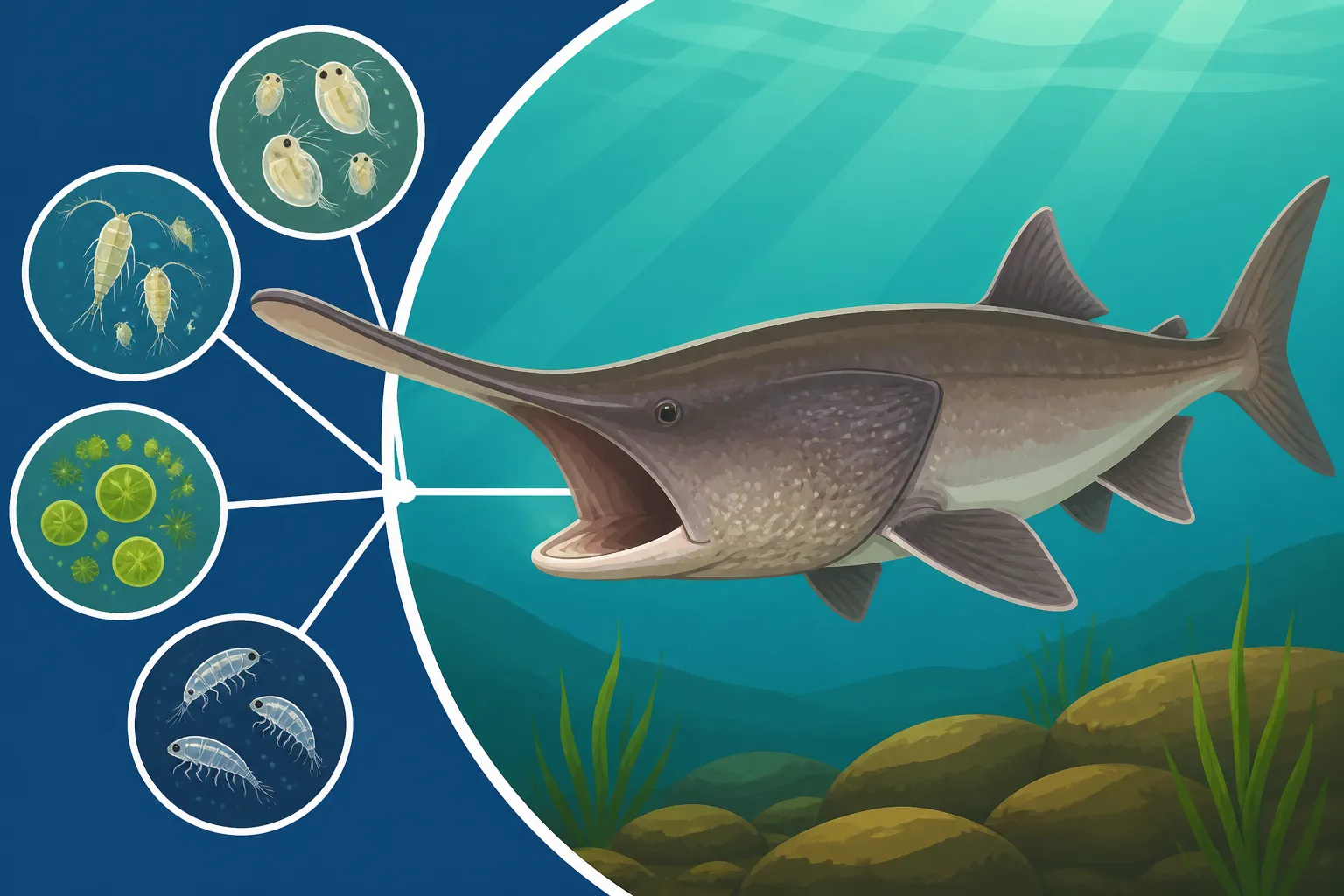
When we talk about what paddlefish eat, one word comes to mind above all others: zooplankton. But what exactly are zooplankton? Imagine tiny, often microscopic, animals floating and drifting in the water. These can include copepods, cladocerans (like daphnia, often called "water fleas"), and rotifers. They form a crucial part of the aquatic food web, consuming phytoplankton (microscopic plants) and, in turn, becoming food for larger organisms.
For a paddlefish, a vast school of zooplankton is like an endless buffet. They don't pick and choose individual prey; instead, they swim with their mouths wide open, acting like living sieves. The sheer volume of water they process daily is astounding, and it's all in pursuit of these tiny, nutrient-rich morsels. Think of it like a baleen whale in the ocean, but on a freshwater scale. This constant, energy-intensive process means they need abundant zooplankton populations to thrive.
How Paddlefish Filter Feed
The mechanism behind a paddlefish's filter-feeding is a marvel of natural engineering. It’s not just about swimming with an open mouth; there are specific anatomical features that make it possible. Their most distinguishing feature, the elongated, paddle-shaped rostrum, is not just for show. While its exact function has been debated, it's believed to be highly sensitive, acting as an electroreceptor to detect dense concentrations of zooplankton in murky water, almost like an underwater radar.
Inside their enormous mouths, paddlefish possess highly specialized gill rakers. These are comb-like structures on the gill arches that essentially filter out the zooplankton while allowing water to pass through. As the paddlefish swims forward, water flows into its mouth, over the gill rakers, and then out through the gill slits, leaving the trapped zooplankton behind to be swallowed. This continuous, energy-efficient feeding strategy allows them to grow to impressive sizes, sometimes exceeding 100 pounds in Kansas. For more on these incredible fish, check out Kansas Paddlefish Facts.
Seasonal and Environmental Influences on Paddlefish Diet
The life of a filter feeder is intimately tied to the environment. The availability of zooplankton isn't constant; it fluctuates with the seasons and is heavily influenced by water conditions. Understanding these dynamics helps us grasp why paddlefish might be found in certain areas at different times of the year.
Water Conditions and Plankton Blooms
Just like terrestrial plants, phytoplankton (the base of the zooplankton food chain) need sunlight and nutrients to grow. When conditions are right, usually in warmer months, you'll see a "bloom" of phytoplankton, which then leads to a boom in zooplankton populations. This is prime feeding time for paddlefish. Clear, warm, nutrient-rich water often signals an abundance of their primary food source. Conversely, cold water or periods of low light can reduce plankton levels, potentially making feeding more challenging.
Water clarity also plays a subtle role. While paddlefish can detect zooplankton using their rostrum even in turbid conditions, extremely muddy or silty water can sometimes interfere with their delicate filtering apparatus or simply make it harder to find dense patches. Heavy rainfall events in Kansas can churn up rivers, temporarily impacting water clarity and plankton distribution. These environmental shifts mean that a paddlefish's feeding efficiency isn't always the same, requiring them to constantly search for the best conditions.
River Systems vs. Reservoir Environments
Kansas paddlefish are primarily found in the state's larger river systems and the reservoirs connected to them, such as those along the Missouri and Kansas River basins. The specific environment dictates, to some extent, the type of zooplankton available and how accessible it is.
In large reservoirs, zooplankton often stratify, meaning they settle at different depths depending on light, temperature, and oxygen levels. Paddlefish will adapt by moving through the water column to find the richest concentrations. Reservoirs can also offer more stable, long-term plankton populations compared to rivers that might experience more dramatic flow changes. For more insights on where to find these fish, explore Rivers With Paddlefish.
River systems, especially during spawning migrations, present a different feeding challenge. While zooplankton are present, the current might distribute them differently. During the spring spawning runs, adult paddlefish often migrate upstream, sometimes for long distances. While their primary focus during these times is reproduction, they still need to feed to sustain themselves. The consistent flow of a river constantly delivers new plankton, even if it requires more effort to filter in a moving column of water. These distinct environments each offer their own set of advantages and challenges for a paddlefish looking for its next meal.
| Environmental Factor | Impact on Zooplankton Availability | Paddlefish Feeding Behavior |
|---|---|---|
| Warm Water Temperatures | Increases (plankton blooms) | Active, continuous filter feeding |
| Cold Water Temperatures | Decreases | Reduced activity, less efficient feeding |
| Nutrient-Rich Water | Increases | Concentrated feeding in productive areas |
| Turbidity (Murky Water) | Can vary, sometimes hinders | Relies more on electroreception of rostrum |
| Strong River Current | Constant delivery of plankton | Must expend more energy to swim and filter against current |
| Reservoir Stratification | Zooplankton concentrate at depths | Actively moves through water column to find food |
Why Understanding Their Diet Matters for Anglers (Even if You Can't "Bait" Them)
It’s a common frustration for anglers: you can’t catch what you can’t bait. And with paddlefish, that couldn't be truer. Since they eat microscopic organisms, traditional hooks and bait are utterly useless. This fact profoundly shapes how we interact with these magnificent creatures and why conservation is so critical.
The Snagging Connection
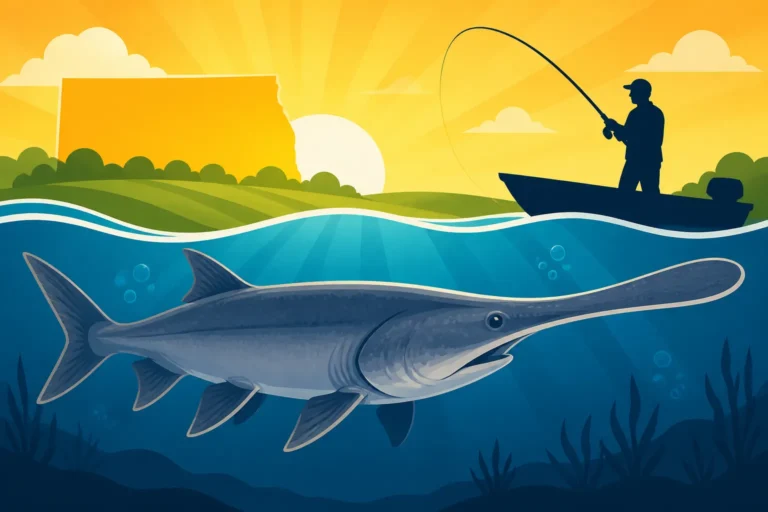
Because paddlefish are filter feeders and cannot be caught by conventional hook-and-line methods using bait, the only legal way to harvest them in Kansas (during designated seasons) is through snagging. Snagging involves using heavy tackle with large, unbaited treble hooks, often weighted, to essentially "snag" the fish as it swims past. This isn't about tricking them into biting; it's about physically hooking them as they move through the water.
It's a highly specialized and regulated method, and it’s directly linked to their diet. If paddlefish were predatory, like a bass or a walleye, we'd have different methods for targeting them. But their unique feeding biology necessitates this approach. Understanding this helps explain why specific seasons and locations are set for paddlefish snagging, often coinciding with their spring spawning migrations when they are concentrated in accessible areas. You can learn more about this specialized method in How to Snag Paddlefish.
Conservation Implications
Knowing what paddlefish eat is absolutely vital for their conservation. When we understand that their survival hinges on healthy zooplankton populations, we can better protect their habitats. Pollution, habitat destruction, and anything that negatively impacts the base of the aquatic food web directly threatens paddlefish. For example, excessive runoff containing pesticides or herbicides could decimate plankton, leading to a food shortage for paddlefish.
This understanding also informs management decisions regarding water quality, dam operations (which can affect migrations and habitat), and fishing regulations. Healthy ecosystems with thriving zooplankton communities are essential for sustaining paddlefish populations for future generations of Kansans. The Kansas Department of Wildlife, Parks and Tourism (KDWP) consistently monitors these populations, ensuring that our regulations, such as those found in Kansas Fishing Regulations Explained, align with the biological needs of the species. It’s all about maintaining that delicate balance.
Beyond Zooplankton: Other Occasional Food Items (or Lack Thereof)
While zooplankton make up the overwhelming majority of a paddlefish's diet, it's natural to wonder if they ever consume anything else. The short answer is, very rarely and usually by accident. Their anatomy is so perfectly adapted for filter-feeding that anything larger than zooplankton is generally not part of their intended menu.
Incidental Ingestion
Imagine swimming through a dense cloud of microscopic food with your mouth wide open. While you're primarily targeting the tiny morsels, it's possible for other small, drifting particles or organisms to get caught in the flow and end up in your gullet. For paddlefish, this might include very small insects, detritus (non-living organic matter), or even tiny larvae of other aquatic invertebrates. However, these are almost certainly incidental, not sought-after food items.
Their gill rakers are designed to efficiently filter out zooplankton, and anything much larger would likely be expelled. They lack teeth suitable for chewing or grasping larger prey, reinforcing their specialized diet. So, while a stray, tiny insect might occasionally pass through, it's not a significant dietary component or a deliberate choice.
Misconceptions About Their Diet
Given their ancient appearance and large size, some common misconceptions about paddlefish diets persist. For instance, some people might assume they eat small fish or other invertebrates, similar to a catfish or a gar. However, this is simply not true. Unlike other large river fish, paddlefish are not predatory in the conventional sense. They don't chase, ambush, or actively hunt other fish.
Another misconception might be that their long rostrum is used to dig for food in the mud, like a shovel. While it's used for sensing, it's not a digging tool for foraging. Their food is in the water column, not typically on the bottom. These misunderstandings highlight just how truly unique the paddlefish is among Kansas fish species, standing apart in its dietary preferences and the methods it uses to survive and thrive. When purchasing fishing gear, like a new pair of waders or a specialized net, you might browse sites like Amazon, but remember, none of that will help you bait a paddlefish!
Disclaimer
This article is for general informational purposes only and does not constitute professional advice. Laws, prices and regulations vary by location and change over time. Consult a qualified professional for guidance on your specific situation.