Best Bank Fishing Spots in Kansas
There's nothing quite like the feeling of the rod bending in your hands, the line screaming, and the thrill of a fish on, especially when you're casting from the bank. For many of us, owning a fancy boat with all the bells and whistles just isn't in the cards, or maybe we simply prefer the peace and quiet of solid ground under our feet. But if you’ve ever felt frustrated, wondering where in Kansas you can actually get to the water's edge and consistently find success without needing a vessel, you’re in the right place. This comprehensive guide will show you some of the best bank fishing spots across the Sunflower State, ensuring you can still reel in those trophy catches.
Major Kansas Reservoirs with Accessible Shorelines
Kansas is home to numerous large reservoirs, and while many anglers gravitate towards boat fishing on these vast waters, several offer fantastic bank fishing opportunities if you know where to look. These spots often feature varied structures like rocky points, riprap, submerged timber, and deep water access close to shore, making them prime real estate for land-locked anglers.
Milford Lake: The Giant with Plenty of Shoreline
Milford Lake, the largest lake in Kansas by surface area, might seem intimidating without a boat, but don't let its size fool you. This sprawling body of water near Junction City boasts miles of accessible shoreline, particularly around its state park and public access areas. Anglers can find success targeting crappie, white bass, walleye, and various catfish species right from the bank. The lake's diverse habitat, including rocky areas and timber, makes it a prime spot.
One of the best strategies for bank fishing at Milford is to focus on points and coves where structure is present. Areas near Milford State Park, like the School Creek area or the public access points along the river arm, offer excellent bank access. You'll often find anglers lining the riprap along the dam or casting into the river channels where white bass gather during their spring runs. If you’re ever curious about the overall offerings of this massive fishery, our Milford Lake Fishing Guide provides an excellent overview. For those who want to explore beyond personal knowledge, sometimes looking into services like FishingBooker can even reveal local guides who offer shore-based or wade-fishing trips in certain areas, providing expert insights into these sprawling waters.
Cheney Reservoir: Walleye and Wiper from the Bank
Located southwest of Wichita, Cheney Reservoir is renowned for its walleye and wiper populations. While boat anglers have the advantage of covering vast expanses, bank anglers can still tap into these fisheries, especially during specific times of the year. The key here is focusing on wind-swept points and the dam's riprap, which often concentrate baitfish and, consequently, predator species.
The causeway areas and the main dam at Cheney offer significant bank access. During spring, walleye often move into shallower, rocky areas to spawn, making them accessible to shore anglers. Similarly, wipers, known for their aggressive strikes, can be found cruising near these same points, especially when schools of baitfish are pushed close to shore by prevailing winds. Early morning and late evening often yield the best results for these species. If you're looking for more detailed information on this productive lake, our Cheney Reservoir Fishing Guide covers everything from prime spots to seasonal patterns.
Clinton Lake: A Relaxed Bank Fishing Experience
Near Lawrence, Clinton Lake offers a more relaxed bank fishing experience with plenty of public access points, campgrounds, and state park areas providing ample shoreline. This lake is well-known for its crappie, channel catfish, and largemouth bass, all of which are highly catchable from shore.
The areas around Clinton State Park, specifically the campground and day-use areas, provide excellent bank fishing opportunities, often with accessible fishing piers. Look for areas with standing timber, brush piles, or rocky drop-offs close to shore. Crappie will often relate to these structures, especially during spring and fall. For catfish, casting cut bait or stink bait into deeper channels or creek mouths can be incredibly effective. Don't forget to check the Kansas Fishing Regulations Explained before you go, as limits and sizes can vary by water body.
Productive State Fishing Lakes and Community Ponds
Kansas Department of Wildlife, Parks and Tourism (KDWP) manages a network of State Fishing Lakes (SFLs) and Community Fishing Lakes (CFLs) specifically designed to provide public access and quality fishing experiences, often with excellent bank access. These smaller, more manageable bodies of water are perfect for a quick trip, family outing, or when you want to avoid the crowds of larger reservoirs.
State Fishing Lakes: Managed for Angler Success
Kansas's State Fishing Lakes are often hidden gems, intentionally stocked and managed for robust fish populations. These lakes are typically smaller than reservoirs, making them easier to navigate and fish from the bank. Examples include Lake Shawnee near Topeka, Gardner Lake, and Atchison County Lake. These lakes are regularly stocked with channel catfish, crappie, largemouth bass, and sometimes even trout during specific seasons.
Many SFLs feature designated bank access points, fishing docks, and even handicap-accessible piers, ensuring everyone has a chance to cast a line. For instance, Lake Shawnee is a popular spot with extensive park amenities, making it easy for families to enjoy a day of fishing. Simply walk the shoreline, looking for visible cover like downed trees or aquatic vegetation, and you’ll likely find fish holding there. Always remember to acquire your Kansas Fishing License Guide before heading out, as most public waters require one.
Community Fishing Lakes: Urban Oases
Urban and Community Fishing Lakes are fantastic resources for anglers living in or near cities. These smaller ponds are usually within city parks or managed recreation areas, offering convenient access. KDWP actively manages and stocks these lakes to provide high catch rates for species like channel catfish, bluegill, and rainbow trout during the colder months.
In Wichita, ponds like Watson Park or Vic's Lake are prime examples. In the Kansas City metro area, spots like Antioch Park Lake or Wyandotte County Lake offer similar experiences. These lakes are often equipped with fishing platforms, paved walking paths along the shore, and restrooms, making them incredibly user-friendly. They are especially great for introducing kids to fishing, as success rates are often high. Our guide on Kansas Community Fishing Lake Rules offers specific details about these angler-friendly locations. Many of these spots are perfect for honing your Kansas Fishing Techniques for Beginners, trying out different baits and rigs in a low-pressure environment.
River and Stream Bank Fishing Opportunities
While lakes and ponds get a lot of attention, Kansas rivers and streams offer incredible, often overlooked, bank fishing opportunities. These flowing waters are teeming with different species and provide a unique challenge and reward for the shore-bound angler.
The Kansas River: Catfish Galore
The Kansas River, also known as the Kaw, is a fantastic fishery, particularly for channel, flathead, and blue catfish. While navigating the river by boat offers more options, numerous public access points allow bank anglers to target these whiskered fighters. The key to success on the Kaw is finding current breaks, deeper holes, and areas with submerged timber or rock piles that provide cover and ambush points for catfish.
Access points are available in cities like Topeka, Lawrence, and Manhattan. Look for city parks or boat ramps that offer safe bank access. During periods of stable water levels, you can often find deep scour holes along outside bends of the river or behind wing dams. These spots concentrate catfish, making them accessible from shore. For targeting these river monsters, a robust Best Bank Fishing Setup for Catfish is essential, often involving heavy line and stout rods to handle the current and potential snags. If you want to dive deeper into fishing this magnificent river, our Kansas River Fishing Guide has all the details you'll need.
Smaller Streams and Creeks: Panfish and Bass Adventures
Beyond the main rivers, Kansas has countless smaller creeks and streams that flow into its major waterways. While many are on private land, some public areas, especially within state parks or wildlife areas, offer access. These smaller waters are ideal for targeting panfish like bluegill and green sunfish, and often hold decent populations of largemouth and smallmouth bass.
These smaller streams are often best fished with light tackle, using worms, crickets, or small spinners. Look for deeper pools, undercut banks, and areas where feeder creeks enter the main flow. These spots tend to hold fish seeking shelter or food. It's an excellent way to experience a more intimate form of fishing, often away from the crowds. Just be sure to verify public access and respect private property boundaries. For those interested in the different species available, our comprehensive Kansas Catfish Species Guide can help identify your catch.
Essential Gear and Strategies for Kansas Bank Anglers
Successfully bank fishing in Kansas isn't just about finding the right spot; it's also about having the right gear and employing smart strategies. You might not have a boat's worth of electronics, but with a bit of planning, you can significantly increase your chances of success.
Packing Light and Smart
When you're bank fishing, you're essentially your own pack mule. So, packing smart is crucial. A comfortable backpack is your best friend, allowing you to carry essential gear without being cumbersome. Think about a medium-sized tackle bag with only the lures, baits, and tools you'll absolutely need for the species you're targeting. For example, if you're chasing catfish, you'll want your Best Bait for Kansas Catfish, a few different hook sizes, heavy sinkers, and a good pair of pliers.
Bring a small, collapsible cooler for drinks and snacks, and if you plan to keep fish, a stringer or a small bucket. Don't forget a first-aid kit, insect repellent, sunscreen, and plenty of water. Having a multi-tool or a good pair of fishing pliers is invaluable for hook removal, cutting line, and other quick fixes. For those longer treks to remote areas, even considering a guide service found through platforms like FishingBooker might be an option if you want to gain local insights on exactly what to pack for a specific bank fishing adventure.
Adapting to Conditions and Time of Day
Bank fishing requires keen observation and adaptability. Pay attention to the weather, wind direction, and water conditions.
- Wind: Wind can be your friend or foe. A light breeze can create a chop on the water's surface, breaking up the fish's vision and often pushing baitfish closer to shore. Heavy winds, however, make casting difficult and can create dangerous waves.
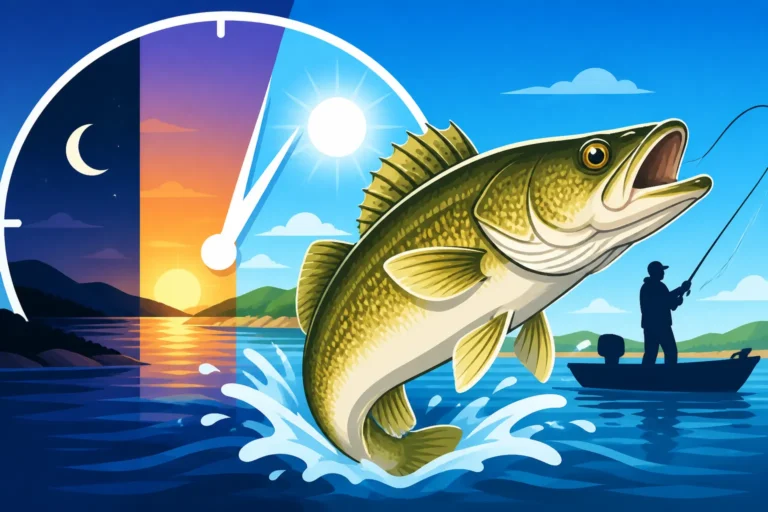
- Time of Day: Early morning and late evening are often prime times for many species, as fish are more active in lower light conditions and cooler temperatures. Night fishing can be incredibly productive for catfish and white bass, especially during the summer.
- Water Levels and Clarity: After heavy rains, rivers might be too high and muddy for effective fishing. Conversely, stable or slightly rising water levels can be excellent. Clear water often calls for lighter lines and more subtle presentations.
Understanding how species behave in different conditions is vital. For instance, knowing when Kansas Spring Crappie Fishing Tips suggest they move to shallow cover will guide your efforts. Likewise, if you're targeting walleye, understanding Kansas Walleye Fishing Techniques will tell you they might be deeper during the day but move shallower to feed during low light.
Planning Your Bank Fishing Adventure in Kansas
Before you even tie a knot, a little planning goes a long way. Checking regulations, understanding local nuances, and knowing where to get information will make your trip much more enjoyable and successful.
Researching Regulations and Access Points
It might sound tedious, but trust me, knowing the rules can save you a headache. Kansas has specific regulations for different water bodies, including length limits, daily creel limits, and even tackle restrictions for certain species or areas. Always check the current Kansas Fishing Regulations Explained before you head out. These can change annually, so what was legal last year might not be this year.
Finding public access can sometimes be the trickiest part of bank fishing. Online maps, KDWP's website, and local bait shops are excellent resources. KDWP often provides maps for State Fishing Lakes and Community Fishing Lakes, clearly marking public access and fishing piers. Don't be afraid to ask locals at bait shops for advice; they often have the most up-to-date information on hot spots and current conditions. Sometimes, online services like FishingBooker also list guides who might even specialize in specific local bank fishing techniques or spots, providing an unexpected resource for information.
Essential Safety Considerations
Safety should always be your top priority when fishing from the bank.
- Know Your Surroundings: Be aware of slippery banks, steep drop-offs, and potential wildlife. Snakes and ticks are common in Kansas, especially during warmer months.
- Weather Awareness: Kansas weather can change rapidly. Always check the forecast and be prepared for sudden storms, strong winds, or temperature drops.
- Personal Flotation Device (PFD): While not legally required for bank fishing, if you're wading or fishing near deep, fast-moving water, a PFD is a sensible precaution.
- Stay Hydrated: Especially in the summer, carry plenty of water to prevent dehydration.
- Respect Private Property: Always be mindful of land ownership. If a sign says "No Trespassing," respect it. Gaining permission from landowners can sometimes open up incredible, otherwise inaccessible, fishing spots.
Table of Popular Bank Fishing Spots in Kansas
To help you get started, here's a quick overview of some excellent bank fishing locations across Kansas:
| Location | Primary Species (Bank) | Key Features / Best Time | Approximate Region | Notes for Bank Anglers |
|---|---|---|---|---|
| Milford Lake | Catfish, White Bass, Crappie, Walleye | Rocky points, dam riprap, river arm; Spring/Fall | Northeast | Excellent access near State Park, School Creek area. |
| Cheney Reservoir | Walleye, Wiper, Catfish | Dam riprap, causeways, wind-blown points; Spring/Fall | South Central | Focus on public access points, dam area. |
| Clinton Lake | Crappie, Catfish, Bass | State Park areas, brush piles, piers; Spring/Summer | Northeast | Multiple accessible piers and shoreline paths. |
| Lake Shawnee | Catfish, Crappie, Bass, Trout (seasonal) | Extensive park amenities, managed stocking; Year-round | East Central | Great for families, regularly stocked. |
| Kansas River (Kaw) | Channel Catfish, Blue Catfish, Flathead Catfish | Current breaks, deep holes, wing dams; Summer/Fall | Across Kansas | Access via city parks and boat ramps. Heavy tackle recommended. |
| Wyandotte County Lake | Catfish, Crappie, Bass, Bluegill | Parks, piers, brush piles; Year-round | Kansas City Metro | Very accessible, popular for urban anglers. |
| Webster Reservoir | Walleye, White Bass, Catfish | Dam, rocky areas; Spring/Fall | Northwest | Limited but productive bank access, especially near the dam. |
This table should give you a good starting point for planning your next bank fishing adventure. Remember, sometimes the best spots are those you discover yourself, so don't be afraid to explore.
Disclaimer
Please be aware that fishing conditions, regulations, and access points can change. Always consult the official Kansas Department of Wildlife, Parks and Tourism (KDWP) website for the most current information before planning your trip. This guide is for informational purposes only and does not constitute legal advice.