Do Channel Catfish Have Teeth?
It’s a question that’s probably crossed every Kansas angler's mind, especially if you’ve ever found yourself with a feisty channel catfish on the line and wondered just what kind of chompers are hiding in that mouth. The good news is, while a channel cat's mouth can certainly surprise you, it's not quite what many imagine. This guide will dive deep into the unique oral anatomy of these popular game fish, demystifying the "teeth" of a channel catfish and equipping you with the knowledge to handle them safely and confidently.
What Do "Teeth" on a Channel Catfish Really Mean?
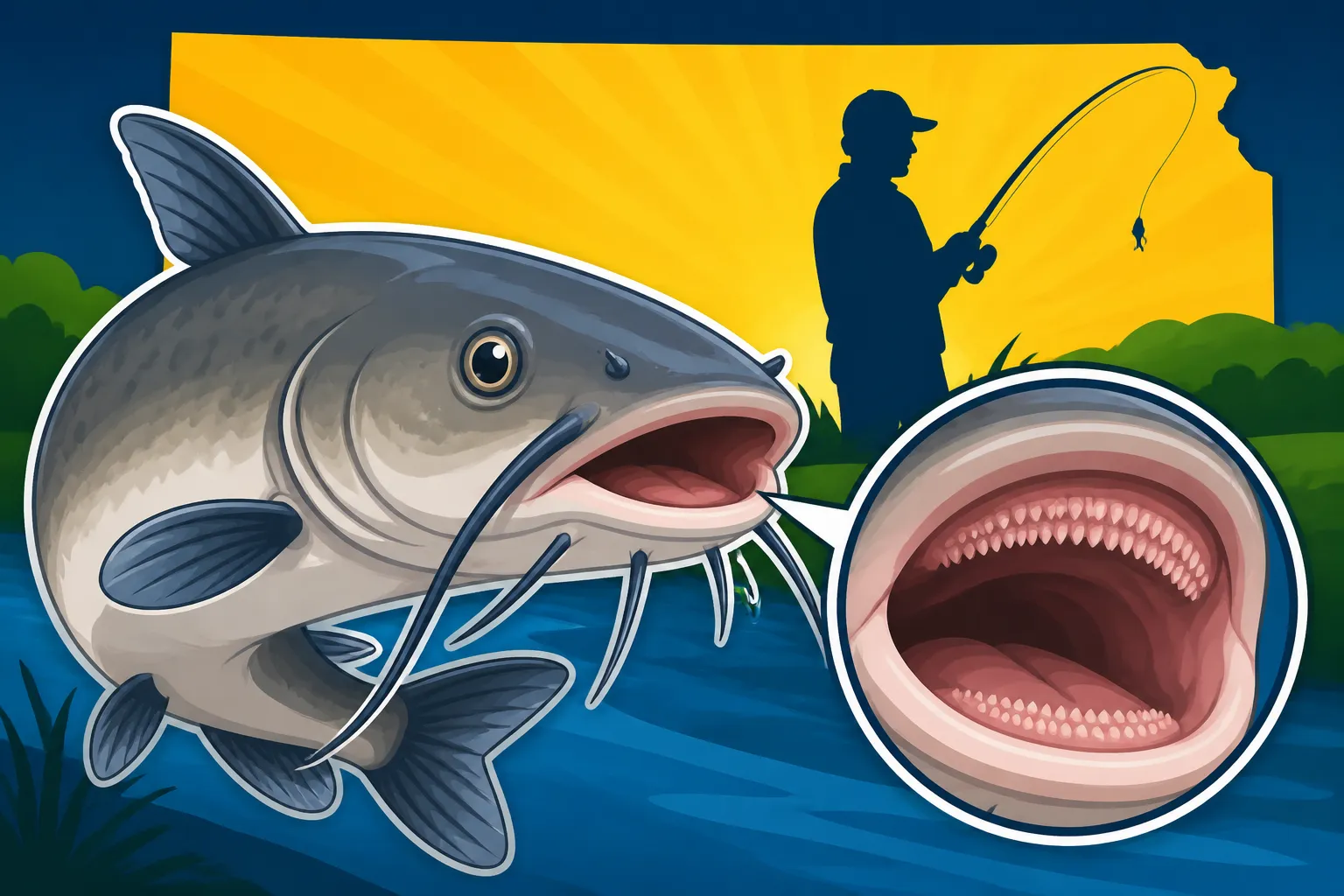
Let's cut right to the chase: no, channel catfish do not have sharp, pointed teeth like a barracuda or even the noticeable canines of a walleye. That image of a toothy grin? Pure fiction when it comes to a channel cat. However, that doesn't mean their mouths are entirely smooth. They possess something far more unique and, arguably, just as effective for their feeding habits: dental pads.
More Like Sandpaper Than Pearly Whites
Imagine the rough surface of sandpaper, perhaps a fine-grit sandpaper used for finishing wood. That's a pretty good analogy for what you'll find inside a channel catfish's mouth. Instead of individual, pointed teeth, they have multiple rows of tiny, bristle-like structures embedded in what are called "dental pads" or "rasping pads." These pads are made up of numerous small, conical projections that create a rough, abrasive surface. It’s designed not for puncturing, but for gripping and holding prey with incredible tenacity.
When a channel catfish latches onto a piece of cut bait, a worm, or a lure, these pads act like a powerful vice. They create immense friction, making it incredibly difficult for their prey to escape once caught. This unique adaptation perfectly suits their scavenging and opportunistic predatory nature, allowing them to hold onto slippery morsels or even small fish. It's a far cry from the sharp, cutting teeth we often associate with "biting" fish, but don't underestimate its effectiveness.
What Happens When You Get "Bit" by a Catfish
So, if they don't have sharp teeth, what exactly happens if your thumb slips or you're trying to retrieve a hook and you feel that sensation? It’s less of a "bite" and more of a "rasp" or a "graze." When a channel catfish closes its mouth on your skin, those dental pads will abrade and rough up the surface. Think of it like vigorously rubbing your skin with coarse sandpaper. It can certainly draw blood, feel unpleasant, and even remove a layer of skin, leaving a minor wound. But it's not going to be a deep puncture or a tearing wound like you might get from a pike or a muskie.
The biggest danger isn't the "bite" itself, but rather the catfish's strong jaw pressure and the potential for a hook to drive deeper if the fish thrashes. This is why proper handling techniques are so crucial. Understanding that it's a rasping action, not a piercing one, can help alleviate some of the initial fear, but it doesn't mean you should be careless. Just like you wouldn't want to accidentally run your hand over sandpaper, you want to avoid direct contact with a channel cat's dental pads when it’s clamping down.
How Channel Catfish Use Their Unique Mouth Structure
The channel catfish's mouth isn't just a fascinating anatomical feature; it's a highly evolved tool perfectly suited to its lifestyle. From the way they find food to how they consume it, their unique dental pads play a pivotal role.
A Vacuum Cleaner of the Depths
Channel catfish are renowned for being opportunistic feeders, and their mouth structure is a big reason why. They don't typically chase down and impale fast-moving prey. Instead, they often cruise along the bottom, using their highly sensitive barbels (the "whiskers") to detect food through taste and touch. Once they locate a potential meal, their mouth acts like a powerful vacuum cleaner. They can flare their gills and suck in water and food with surprising force.
Those dental pads then come into play to prevent anything from escaping. Whether it's a gob of dough bait, a juicy nightcrawler, a dead shad, or even small crustaceans and aquatic insects, the pads ensure a firm grip. Their ability to hold onto a wide variety of food items, coupled with their excellent sense of smell, makes them incredibly efficient scavengers and bottom feeders. This is why you can often catch them on Best Bait for Kansas Catfish ranging from stink bait to chicken livers.
Versatility in Diet and Habitat
The channel catfish's mouth allows for incredible dietary versatility. While often thought of as bottom-dwelling scavengers, they are far from picky eaters. They will readily consume insects, small fish, crawfish, frogs, and even vegetation. Their dental pads are strong enough to crush the shells of some crustaceans, providing access to a broader food source. This adaptability is one of the reasons channel catfish are so widespread and successful across Kansas waters, from sprawling reservoirs like Milford Lake to smaller farm ponds.
Because their mouth is designed for a firm grip rather than sharp cutting, they can effectively consume items that might slip out of the jaws of fish with traditional teeth. Imagine trying to eat a slippery grape with a knife and fork versus simply crushing it with your hand – the dental pads are more akin to that powerful, non-piercing grip. This dietary flexibility contributes to their strong populations, making them a consistently popular target for anglers employing Kansas Catfish Fishing Techniques.
Safe Handling for You and the Fish
When you hook into a spirited channel catfish, landing it and getting the hook out safely for both you and the fish is paramount. Knowing how to properly handle a channel cat, understanding its mouth, and having the right tools makes all the difference.
The Proper Grip: Avoiding the Rasp
The most common and effective way to handle a medium-to-large channel catfish is with a "lip grip" or "gill plate grip." This involves firmly grabbing the lower jaw, often with your thumb inside the mouth and your fingers curled around the outside of the jaw. This technique works because the bony lower jaw offers a strong, stable point of control, and you can effectively pin the dental pads of the lower jaw against the upper jaw, preventing the fish from clamping down on your hand.
However, a word of caution: always be mindful of the pectoral and dorsal fins. Channel catfish have sharp, bony spines on these fins that can deliver a painful poke or cut, and some species (though not typically channel cats) can even have a mild venom associated with them. When gripping, ensure your hand avoids these spines. For smaller fish, you can often just grip them firmly behind the head, taking care to avoid the fins. A good pair of Best Landing Net for Landing Kansas Catfish can also help in securing the fish safely before you even attempt to handle it directly.
Essential Tools for Unhooking
To minimize stress on the fish and keep your fingers safe, a few essential tools are a must-have in your tackle box when targeting channel catfish.
- Long-Nose Pliers or Hemostats: These are invaluable for reaching deep-set hooks without putting your fingers near the dental pads or spines. Pliers with a slight bend at the tip can be particularly useful. You can find a great selection of these on Amazon, often bundled with other fishing tools.
- Fishing Gloves: Heavy-duty fishing gloves, especially those made from a cut-resistant material, can provide an extra layer of protection against both the rasping pads and any accidental fin pokes. While they might reduce some dexterity, the peace of mind is worth it, especially if you're planning on doing a lot of bank fishing where landing nets aren't always practical.
- Lip Grippers (Optional but Helpful): For larger fish, a dedicated lip gripper tool can be a fantastic asset. These devices clamp onto the fish's lower jaw, allowing you to control the fish without putting your hands in its mouth at all. They often float, too, which is a nice bonus if you're fishing from a boat. Again, a quick search on Amazon will show you many robust and affordable options.
Remember, having the right tools and knowing Kansas Fishing Techniques for Beginners will make your experience more enjoyable and safer for everyone involved, especially for the fish you plan to release.
Comparing Catfish Mouths to Other Kansas Fish Species
Understanding the channel catfish's mouth structure becomes even clearer when you compare it to other common Kansas fish species. It highlights just how specialized their feeding apparatus truly is. The diversity in mouth types across different species is a testament to their varied diets and hunting strategies.
Walleye and Their Canine Chompers
If you've ever tangled with a walleye, you know they are a completely different ballgame when it comes to teeth. Walleye are true predators, equipped with prominent, needle-sharp canine teeth. These teeth are designed for seizing and holding onto slippery baitfish, which make up a significant portion of their diet. When a walleye bites, it's a distinct, piercing bite that can easily puncture skin. This is why handling walleye requires extreme caution, often using a fish gripper or netting them very carefully before removing the hook with pliers. You can learn more about these toothy predators in our Kansas Walleye Fishing Guide.
| Fish Species | Primary "Teeth" Type | Function | Common Angler Encounter |
|---|---|---|---|
| Channel Catfish | Dental Pads (Rasping) | Gripping, holding, crushing (non-piercing) | Abrasive scrape, strong jaw pressure |
| Walleye | Canine Teeth (Sharp) | Piercing, seizing, holding prey | Puncture wounds, deep lacerations |
| Largemouth Bass | File-like Teeth (Brushy) | Gripping, holding prey | Rough abrasion, like Velcro, rarely breaks skin |
| Crappie | Small, Pointed Teeth | Holding small prey, often barely noticeable | Generally harmless to touch, small grip |
Bass and Their Brush-Like Grips
Largemouth and smallmouth bass, another favorite among Kansas anglers, also have "teeth," but they are different from both catfish and walleye. Bass possess what are often described as "file-like" or "brush-like" teeth. These are numerous small, rough projections that feel much like Velcro when you run your finger over them. Like the catfish's dental pads, they are designed for gripping rather than piercing. When a bass bites down on prey, or your finger, these brush-like teeth prevent escape.
While they can certainly abrade your skin, especially if the fish thrashes, they typically don't cause deep cuts or punctures. Anglers often use the "lip grip" technique (similar to catfish, but often more direct without the same risk of rasping) to control bass, as their lower jaw is very strong and provides a secure hold. Understanding these differences, as detailed in our Kansas Bass Fishing Guide, helps you adapt your handling techniques to each species you encounter.
Other Fish with Minimal Teeth
Many other fish species in Kansas have minimal or almost imperceptible teeth. Crappie, for example, have very small, pointed teeth that are hardly a concern for anglers. Bluegill and other panfish primarily feed by suction and have tiny, almost unnoticeable teeth suitable for insect larvae and small invertebrates. Knowing the general oral anatomy of different fish species, as explored in our comprehensive Kansas Fish Species Guide, allows you to approach each catch with confidence and the appropriate handling methods.
No matter what you're fishing for, having a solid understanding of fish anatomy, especially what's inside their mouths, is a huge part of being a responsible and successful angler. So next time you land a channel cat, you can confidently admire its unique rasping pads, knowing they're perfectly designed for life in the water, not for taking a chunk out of your hand!
Disclaimer
This article is for general informational purposes only and does not constitute professional advice. Laws, prices and regulations vary by location and change over time. Consult a qualified professional for guidance on your specific situation.