State Record White Bass Weight
There's nothing quite like the adrenaline rush of feeling a truly massive fish on the end of your line, especially when you're out on a beautiful Kansas lake. Many of us dream of catching a fish that isn't just big for our personal best, but big enough to actually make the record books. This guide is all about the pursuit of that dream, specifically diving into the history and details surrounding the state record white bass in Kansas, and how you might just catch the next one.
The Quest for Kansas's Biggest White Bass
For many anglers, chasing a personal best is a driving force, but the idea of landing a state record fish? That's a whole different level of excitement. White bass, with their aggressive strikes and spirited fights, are a beloved species across Kansas, making the quest for a truly massive one even more compelling.
Understanding White Bass in Kansas Waters
White bass are a fantastic game fish, known for their silvery sides, prominent dark stripes, and their tendency to school up, creating incredible action when you find them. They're often seen chasing baitfish near the surface, boiling the water in a feeding frenzy that gets any angler's heart pumping. In Kansas, these fish thrive in our large reservoirs and many rivers, offering accessible and exciting fishing opportunities throughout much of the year. While they might not grow to the immense sizes of a blue catfish or flathead, a truly large white bass is still a respectable catch, often tipping the scales at several pounds. They're a testament to the health of our waters and provide endless fun for beginners and seasoned pros alike.
The Thrill of a Potential Record
Imagine this: you're reeling in what feels like a solid white bass, and as it gets closer to the boat, you realize it's truly enormous, bigger than any you've ever seen. That moment of wondering if you've just caught a record-breaker is pure magic. It’s a mix of excitement, disbelief, and a sudden surge of careful attention to ensure you don't lose it. The dream of a state record isn't just about the fish itself; it's about the story, the dedication, and the connection to the angling heritage of Kansas. Every angler hopes for that once-in-a-lifetime catch, and for white bass, that often means pushing the boundaries of what's considered "big." It's a challenging but incredibly rewarding pursuit, requiring patience, skill, and a bit of luck.
Unveiling the Official Kansas State Record White Bass
Kansas has a rich history of impressive fish catches, and the white bass category is no exception. Knowing the benchmark for a record sets a goal for all aspiring trophy hunters out there.
The Record-Holding Catch: A Tale of Trophy Proportions
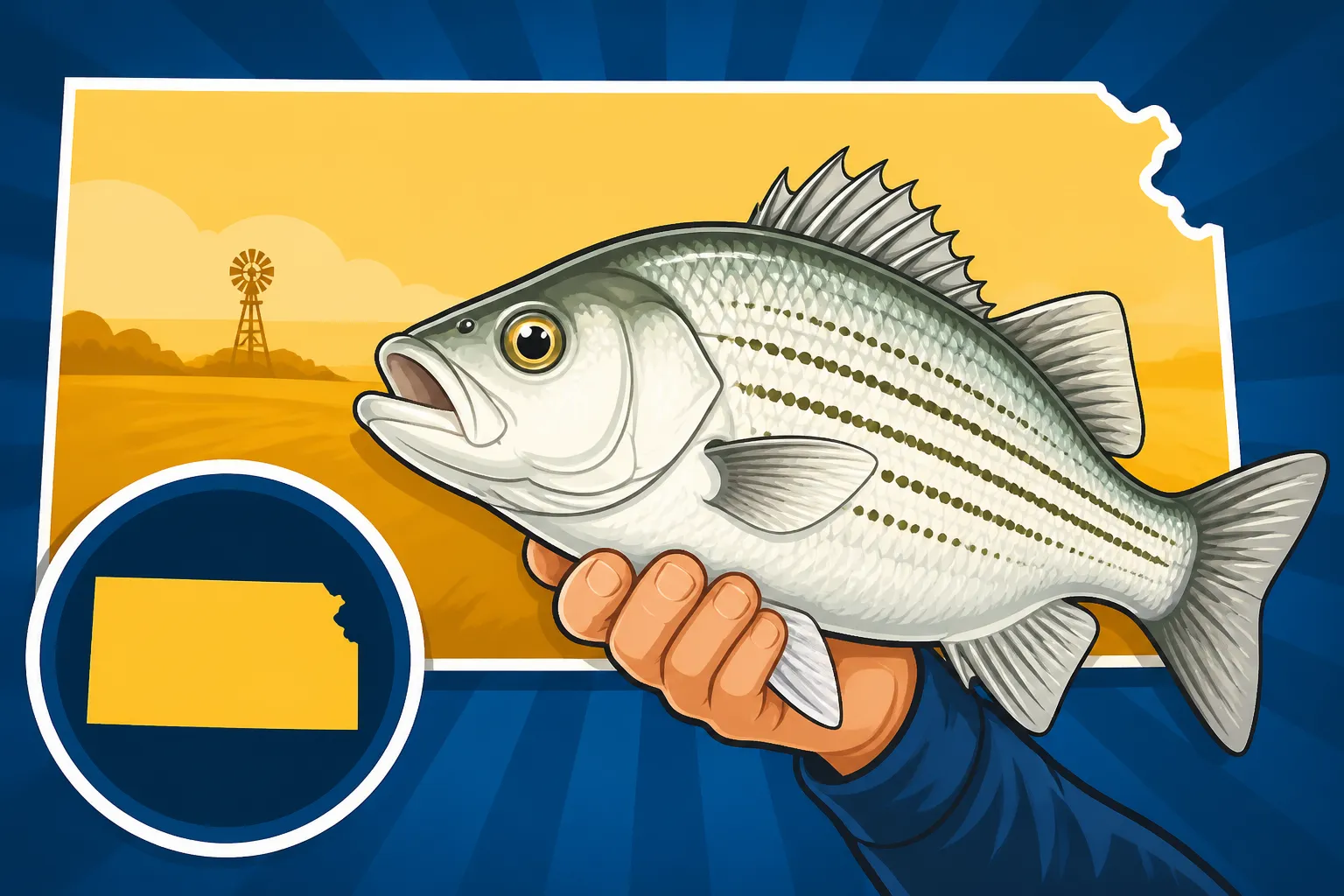
The official Kansas state record for white bass stands at a truly impressive 5 pounds, 14 ounces. This magnificent fish was caught by Randy and Randy from Cheney Reservoir back in 1996. Think about that for a moment – nearly six pounds of fighting fury! It wasn't just a big fish; it was an absolute monster that exceeded the typical size of white bass by a significant margin. This kind of catch speaks volumes about the quality of the fishery at Cheney Reservoir and the skill of the anglers. It's a reminder that even common species can produce extraordinary specimens, given the right conditions and a bit of angling prowess. This legendary catch continues to inspire anglers, proving that those truly massive white bass are out there, waiting for the right lure and the right moment.
Why This Record Inspires the Kansas Angling Community
A state record isn't just a number in a book; it's a piece of angling history. It tells a story of perseverance, a deep understanding of fish behavior, and sometimes, a little bit of pure, unadulterated luck. For the Kansas angling community, the 5-pound, 14-ounce white bass record serves as both a testament to what's possible and a challenge. It inspires anglers to push their limits, refine their techniques, and explore our waters with renewed hope. This record also highlights the excellent conservation efforts and healthy ecosystems found in places like Cheney Reservoir Fishing Guide, ensuring that trophy-sized fish continue to thrive. It reinforces the idea that every cast holds the potential for something truly special, fostering a vibrant and passionate fishing culture across the state.
Navigating the Record Book: How to Certify a Trophy Catch
Catching a potential state record is only half the battle. The next crucial step is getting it officially recognized, and that involves a set of stringent rules to ensure fairness and accuracy.
The Strict Rules for State Record Submission
If you believe you've landed a state record white bass, you can't just snap a picture and send it in. There are specific protocols that must be followed. First and foremost, the fish must be weighed on a certified scale, like those found at a grocery store, a reputable bait shop, or sometimes even a post office, which are regularly calibrated for accuracy. The weighing must also be witnessed by at least two independent adults who are not members of the angler's immediate fishing party. The Kansas Department of Wildlife and Parks (KDWP) will require photographs, detailed information about where and when the fish was caught, and often a description of the tackle used. They need to be sure the catch was legal and ethical, abiding by all Kansas Fishing Regulations Explained. These strict rules are in place to prevent any disputes and ensure that only truly legitimate records make it into the official books.
The Importance of Precision and Verification
Precision is absolutely paramount when it comes to certifying a state record. Imagine the disappointment of catching a fish that might be a record, only to have it disqualified because the scale wasn't certified or there weren't enough witnesses. That's why every detail matters. The KDWP takes its role as keeper of the records very seriously. They investigate each potential record thoroughly, checking all documentation and verifying every piece of information. This rigorous verification process maintains the integrity of the state record program, ensuring that every record holder truly earned their place in Kansas angling history. It also helps to prevent any ambiguity or unfairness, so when a new record is set, everyone knows it's the real deal.
Prime Locations and Techniques for Trophy White Bass
While the current record came from Cheney Reservoir, big white bass can be found in many Kansas waters. Knowing where to look and how to fish effectively are key to increasing your chances of landing a true trophy.
Top Kansas Waters Known for Impressive White Bass
To chase a record-sized white bass, you need to focus on bodies of water known for producing large, healthy populations. Beyond Cheney, Milford Lake Fishing Guide is another powerhouse, being the largest lake in Kansas, offering vast expanses for white bass to thrive and grow. Wilson Lake, with its clear waters and abundant forage, also consistently produces quality white bass. Don't overlook Tuttle Creek Lake, especially during the spring white bass runs when these fish congregate in huge numbers.
Larger reservoirs tend to have more abundant forage and structure, allowing white bass to reach their maximum growth potential. Look for areas with defined channels, humps, points, and river inlets, as these are often hotbeds for schooling baitfish, which in turn attract hungry white bass. Local bait shops are often a treasure trove of information, providing insights into recent catches and specific hotspots for larger specimens.
Strategic Angling for Record-Sized White Bass
Catching a record white bass often requires a slightly different approach than simply filling a cooler. While numbers are fun, targeting size means being more deliberate. Look for signs of schooling baitfish, often indicated by diving birds or surface boils. When white bass are actively feeding, nearly any fast-moving lure can work, but for bigger fish, consider slightly larger spoons, crankbaits, or even swimbaits that mimic larger shad. Jigging spoons and slabs are incredibly effective, especially when fish are holding deeper near structure. Pay close attention to seasonal patterns, like the famous Kansas White Bass Run Timing in spring, when fish move into river systems to spawn. During these times, focus on the deeper holes and current seams in rivers like the Republican, as described in How to Catch White Bass on the Republican River. Using a good fish finder can also help you locate schools of larger fish holding away from the surface action. Often, the biggest white bass will sit just below the main school, picking off wounded baitfish.
| Feature / Location | Ideal for Record White Bass? | Key Techniques | Best Time of Year | Notes |
|---|---|---|---|---|
| Cheney Reservoir | Yes | Trolling crankbaits, jigging spoons on humps | Spring, Fall | Current record holder! |
| Milford Lake | High Potential | Vertical jigging, casting slabs during schooling | Spring (run), Summer | Largest lake, abundant forage. |
| Wilson Lake | High Potential | Trolling deep-diving crankbaits, casting spoons | Spring, Summer | Clear water often means deeper fish. |
| Tuttle Creek Lake | Good Potential | Vertical jigging, casting lipless crankbaits | Spring (run), Fall | River arms are key during spawning. |
| River Runs (e.g., Republican River) | Excellent during run | Casting small jigs, inline spinners | Early Spring | Intense action, but can be crowded. |
| Deep Humps & Points | Yes | Jigging spoons, drop-shot rigs, slow trolling | Summer, Winter | Where big fish often hold in tough conditions. |
Equipping Yourself for the Pursuit of a Lifetime
To seriously chase a state record white bass, you'll want to be prepared with the right gear and knowledge of the rules. It's about giving yourself every possible advantage.
Essential Gear for Targeting Giant White Bass
While white bass are often caught on lighter tackle, if you're truly after a record, consider stepping up your game slightly. A medium-light to medium power spinning rod, around 6'6" to 7' in length, paired with a reliable spinning reel spooled with 8-12 lb test fluorocarbon or monofilament line, will give you the backbone needed for a larger fish while still offering sensitivity. Many anglers find similar setups they use for walleye, as seen in guides like Best Rod and Reel Combo for Walleye, work perfectly for bigger white bass. When it comes to lures, having a diverse selection is key. Keep various sizes of jigging spoons (1/2 oz to 1 oz), lipless crankbaits, and small, silvery swimbaits on hand. Don't forget inline spinners, especially during active feeding periods. And remember, a good pair of pliers for hook removal and a reliable landing net are crucial for handling bigger fish efficiently and safely. You can often find a great selection of these specialized items and review different brands on platforms like Amazon.
Adhering to Regulations and Embracing Conservation
Chasing a record is exciting, but it's vital to always prioritize responsible angling. This means understanding and following all Kansas Fishing Regulations Explained, including Kansas Daily Creel Limits by Species and length limits. While white bass generally have generous limits, a true record pursuit requires knowing the specific rules for your chosen body of water. If you're going for a state record, you'll likely need to harvest the fish for official measurement, but always ensure you're within legal harvest limits. Beyond the rules, embracing conservation practices is essential for the long-term health of our fisheries. Practicing catch-and-release with fish you don't intend to keep, minimizing stress on the fish, and properly disposing of trash are all part of being a responsible angler. We want these trophy white bass to be around for future generations to chase!
The Future of White Bass Records in Kansas
The current state record for white bass is certainly impressive, but records are made to be broken. With dedicated anglers and ongoing conservation efforts, the next big fish could be just around the corner.
Sustaining Healthy Fisheries for Generations
The health of Kansas's lakes and rivers is paramount to the continued existence of trophy fish like the state record white bass. Organizations like the KDWP work tirelessly through stocking programs, habitat improvement projects, and strict enforcement of Kansas Fishing Law Enforcement and Penalties to ensure our fisheries remain vibrant and productive. As anglers, we play a crucial role in this by respecting the environment, practicing ethical fishing, and supporting conservation initiatives. Every time we responsibly enjoy our natural resources, we contribute to the longevity of these incredible opportunities. This commitment ensures that the dream of catching a state record isn't just a fleeting hope, but a real possibility for years to come.
Keeping an Eye on the Next Potential Record
So, what does it take to break the 5-pound, 14-ounce mark? It means catching an exceptionally old and well-fed white bass. These fish grow by consistently having access to abundant baitfish and surviving natural predation and fishing pressure. Monitoring fishing reports, particularly from the top white bass lakes like Milford, Cheney, and Wilson, can give you clues about when and where larger fish are being caught. Investing in high-quality gear, available from many retailers, including online options like Amazon, can make a difference in landing that once-in-a-lifetime fish. Staying informed about Kansas Fishing Seasons Guide and adapting your techniques accordingly will also give you an edge. Whether it's a new state record for white bass or another species like those covered in Kansas State Record Fish Guide, the next chapter in Kansas fishing history is always waiting to be written by a dedicated angler like you.
Disclaimer
This article is for general informational purposes only and does not constitute professional advice. Laws, prices and regulations vary by location and change over time. Consult a qualified professional for guidance on your specific situation.