State Record Largemouth Bass Weight
Every angler dreams of landing that one fish that makes history, or at least becomes a legendary tale among friends. For those of us chasing largemouth bass in the Sunflower State, the question often boils down to: just how big do they get here? It can be frustrating trying to find definitive answers when you're dreaming of a true trophy. This guide will dive deep into the specific weight of Kansas's state record largemouth bass, what it took to catch it, and how you can approach your own pursuit of a lunker in our fantastic Kansas waters.
The Legendary Lunker: Kansas's State Record Largemouth Bass
There's something truly inspiring about a state record. It's not just a number on a scale; it represents an angler's dedication, a moment of pure excitement, and a testament to the incredible fish that swim in our local waters. For many, that record stands as the ultimate benchmark, a goal to strive for, or at least a story to marvel at.
The Weight and the Story
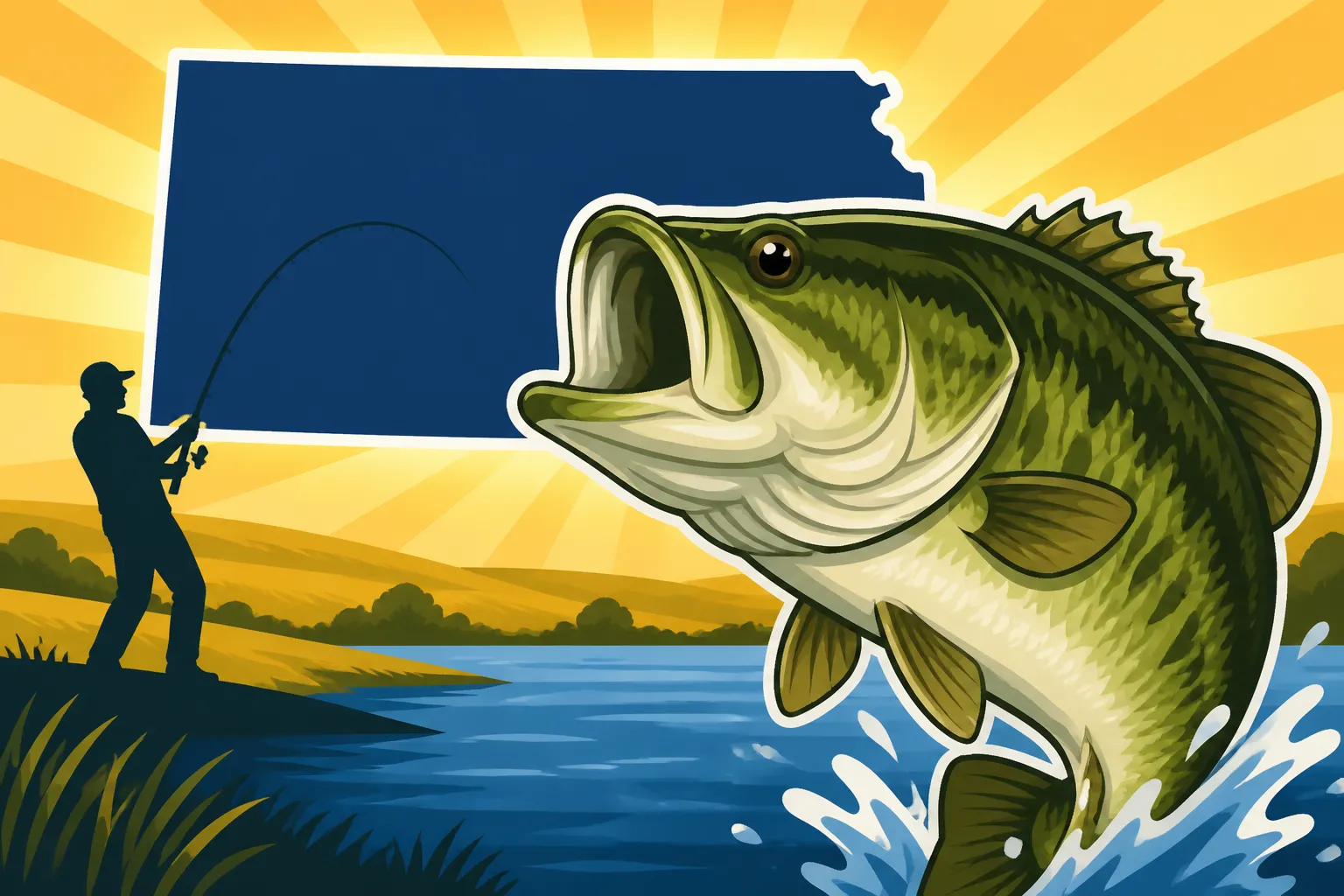
The Kansas state record largemouth bass is a true behemoth, a fish that undoubtedly gave the angler a fight to remember. This magnificent specimen weighed in at an astounding 11 pounds, 12 ounces. Imagine holding a bass that heavy – it's the kind of fish that bends rods deep, strips line from your reel, and makes your heart pound. This incredible fish was caught by Kenneth Audrey back in October of 1984. It came from a private lake in the southern part of the state, near Fredonia. The fact that it came from a private lake often sparks conversations among anglers about the unique conditions found in these waters, though public lakes certainly produce their share of monsters too! Catching a fish of this caliber takes a combination of skill, patience, and perhaps a little bit of luck, but it also speaks volumes about the health and potential of Kansas's bass fisheries. Knowing such a fish exists makes every cast a little more exciting.
This particular record has stood for decades, becoming a legendary figure in Kansas fishing lore. It’s a weight that sets a high bar and continually reminds us of the potential for truly massive bass right here in our own backyard. For many, just knowing that an 11-pound, 12-ounce largemouth was once pulled from a Kansas lake is enough motivation to keep them casting, hoping to be the next to etch their name into the record books. It shows that our waters are capable of growing truly exceptional fish, given the right conditions and forage.
The Enduring Legacy of a Record Fish
A state record largemouth bass isn't just a fleeting moment; it leaves an enduring legacy. It shapes perceptions of a state's fishing quality and fuels the dreams of countless anglers. Every time a new angler starts to explore bass fishing in Kansas, they'll likely hear tales of the "Fredonia lunker," and that story will inspire them. It proves that despite being known for excellent catfish and walleye fishing, Kansas also holds its own in the bass world. Kansas Largemouth Bass Facts delve deeper into what makes these fish so sought after.
The legacy also extends to conservation. When anglers see the potential for such magnificent fish, it often increases their appreciation for healthy aquatic environments and the importance of catch-and-release practices for large breeding fish. While the record itself is fixed, the pursuit of it encourages responsible angling and a respect for the fish populations. It's a reminder that truly big bass are often older fish, and their continued presence in the gene pool is vital for future generations of trophy hunters. This enduring record serves as a benchmark of excellence, constantly challenging and inspiring the next generation of Kansas bass anglers.
Strategies for Chasing Your Own Trophy Largemouth in Kansas
While an 11-pound, 12-ounce bass might seem like a mythical creature, the thrill of chasing a personal best, or even just a truly big largemouth, is very real. Kansas offers fantastic opportunities for trophy bass, and with the right approach, you could be telling your own lunker story.
Prime Locations and Seasonal Patterns
To catch a trophy largemouth, you need to be where the big ones live. Kansas has several lakes renowned for producing impressive bass. Reservoirs like El Dorado Lake, Clinton Lake, and La Cygne Lake are consistently mentioned as hotspots for quality largemouth bass. These larger bodies of water often have diverse structures – submerged timber, rock piles, ledges, and extensive weed beds – which provide ideal habitat for big bass to grow and ambush prey. El Dorado Lake Bass Fishing is a great place to start researching.
Beyond specific lakes, understanding seasonal patterns is critical.
- Spring: During the pre-spawn and spawn, big females move shallow, making them more accessible. Look for them around points, shallow coves, and warmer northern banks. This is a prime time for throwing larger jerkbaits or spinnerbaits.
- Summer: As waters warm, bass often move deeper to cooler, more oxygenated water, or become more active during low-light conditions. Early mornings, late evenings, and even night fishing can be highly productive. Focus on offshore structure, deep points, and brush piles.
- Fall: Bass feed heavily in the fall, stocking up for winter. They can be found chasing baitfish schools in creek channels, around standing timber, and along channel swings. Crankbaits, topwaters, and jigs can all be effective. Kansas Fishing Seasons Guide provides a broader overview of yearly patterns.
Sometimes, the best places aren't the most popular. Smaller, less-pressured public ponds and even private farm ponds can hold surprisingly large bass, especially if they have good forage and cover. Always remember to get permission before fishing private waters.
Essential Gear and Proven Techniques
Having the right gear makes a huge difference when targeting trophy bass. You'll want sturdy tackle that can handle powerful runs and the heavy cover where big bass often hide. A medium-heavy to heavy action rod, paired with a reliable baitcasting reel spooled with strong braided line (30-65 lb test) or fluorocarbon (15-20 lb test), is a good starting point. Many anglers find excellent heavy-duty rods and reels, along with quality line, by browsing options on Amazon, which often has a wide selection for various budgets. Kansas Fishing Gear Guide offers a broader look at essential equipment.
When it comes to lures and techniques, thinking big often leads to big results:
- Jigs: Flipping and pitching heavy jigs (3/8 oz to 1 oz) into thick cover like brush piles, laydowns, or weed edges is a classic big bass tactic. Tip them with a bulky plastic trailer.
- Big Worms and Soft Plastics: Large Texas-rigged or Carolina-rigged plastic worms (10-12 inches) or creature baits can entice hesitant lunkers. Work them slowly on the bottom, mimicking an easy meal.
- Crankbaits and Swimbaits: Deep-diving crankbaits that reach the thermocline or offshore structure can be deadly. Large swimbaits, either hard-bodied or soft, imitate larger forage fish and are irresistible to big bass looking for a substantial meal.
- Topwater Baits: During low-light conditions or when bass are actively feeding on the surface, large walk-the-dog baits, poppers, or hollow-body frogs fished over matted vegetation can produce explosive strikes. For more on this, check out Best Topwater Lures for Bass.
- A Solid Net: Don't underestimate the importance of a good landing net. A big bass can be lost at the boat or bank if you're not prepared. A wide, deep net with rubberized mesh helps protect the fish and secure your catch. You can find a range of reliable landing nets on Amazon, ensuring you're ready when that lunker bites.
Remember, consistent effort, attention to detail, and a willingness to adapt your approach are key. Big bass are smart, old fish that have survived many angling attempts, so presenting your bait naturally and patiently is crucial.
| Aspect of Trophy Bass Fishing | General Approach | Specific Kansas Application | Key Considerations |
|---|---|---|---|
| Location | Seek out larger, clearer reservoirs with abundant forage. | El Dorado, Clinton, La Cygne are proven. Also consider less-pressured private ponds. | Focus on areas with varied structure (timber, rock, weeds). |
| Seasonality | Target pre-spawn/spawn for shallow access; summer/fall for feeding. | Spring: shallow coves, points. Summer: deep structure, night fishing. Fall: creek channels, baitfish schools. | Weather fronts and water temperature play a huge role. |
| Gear | Heavy-action rods, strong line, reliable reels. | Baitcasting setup, 30-65 lb braid or 15-20 lb fluoro. Check for specific brands and deals on Amazon for durability. | Match gear to lure size and cover density. |
| Lures/Techniques | Present large baits slowly and methodically. | Jigs, large worms (Texas/Carolina rigs), deep crankbaits, swimbaits, topwaters (frogs). Best Lures for Kansas Walleye (though for bass, principles of large baits apply) | Mimic natural forage; vary retrieve speed until you find what works. |
| Patience & Persistence | Trophy fish don't come easy. | Scout locations, learn patterns. Be willing to fish for long periods without a bite. | Success often comes to those who put in the time. |
| Conservation | Practice catch and release, especially for big breeding fish. | Handle fish gently; minimize out-of-water time. This ensures future generations of lunkers. | Use a proper landing net to protect the fish's slime coat. |
Beyond the Scale: Understanding Trophy Bass Potential in Kansas
It’s easy to get caught up in the numbers, but understanding what makes a largemouth bass grow to record size is fascinating and incredibly helpful for anglers aiming for a trophy. It’s a complex interplay of environment, food, and genetics.
Habitat and Forage: Fueling the Giants
A trophy largemouth bass doesn't just appear; it grows over many years in an environment that provides optimal conditions. Key factors include:
- Abundant Forage: Big bass need big meals. Lakes with healthy populations of shad, bluegill, crappie, and even smaller game fish provide the necessary protein for rapid growth. A diverse and rich food chain is paramount. When a lake suffers from poor forage, bass might be numerous, but they'll often be stunted. Conversely, a lake like El Dorado, known for its healthy shad populations, gives its bass a significant advantage.
- Quality Habitat: Largemouth bass are ambush predators, and they thrive in environments with plenty of cover and structure. Submerged timber, rock piles, dense aquatic vegetation (like hydrilla or milfoil), old roadbeds, and creek channels provide places for bass to hide, hunt, and seek refuge from temperature extremes. The more complex the habitat, the more places for bass to reside and grow undisturbed. Structure Fishing for Kansas Bass is a great resource to learn more about how bass relate to their environment.
- Water Quality and Temperature: Clean, well-oxygenated water with stable temperatures is crucial. While bass can tolerate a range of conditions, optimal water quality reduces stress and allows them to expend energy on growth rather than survival. Extremely hot summers or harsh winters can affect growth rates, but Kansas reservoirs generally provide good conditions.
- Low Pressure: Lakes or areas within lakes that receive less fishing pressure allow bass to live longer, undisturbed lives. Older bass are typically larger bass, given favorable conditions. This is often why private ponds can produce monsters – less pressure, more time to grow.
Conservation and Responsible Angling
Chasing trophy bass isn't just about the catch; it's about the bigger picture of conservation. Responsible angling practices ensure that the next generation of anglers will also have the opportunity to chase giants.
- Catch and Release: For trophy-sized bass, catch and release is highly encouraged. These large fish are often the prime breeders in the population, and releasing them ensures they can continue to contribute to the gene pool. If you plan to keep a photo, have your camera ready, handle the fish gently, support its body horizontally, and return it to the water quickly.
- Knowing the Rules: Always be aware of the current Kansas Fishing Regulations Explained, including daily creel limits and length limits for largemouth bass. These regulations are in place to protect fish populations and ensure sustainable fishing for everyone. While the state record might inspire you to keep one for the wall, understanding the regulations is crucial.
- Minimizing Stress: Use appropriate tackle to land big fish quickly, reducing the fight time and stress on the fish. Barbless hooks can make unhooking easier, and a good landing net minimizes damage to the fish's protective slime coat.
- Respecting the Resource: Whether you’re fishing a well-known reservoir or a secluded farm pond, treat the environment with respect. Pack out what you pack in, and leave no trace of your visit. This not only keeps our waters beautiful but also ensures healthy ecosystems for our fish.
The pursuit of a record-breaking fish, or simply a personal best, is one of the most exciting aspects of fishing in Kansas. While the 11-pound, 12-ounce lunker holds the official title, every angler has the chance to create their own legendary story on the water.
Disclaimer
This article is for general informational purposes only and does not constitute professional advice. Laws, prices and regulations vary by location and change over time. Consult a qualified professional for guidance on your specific situation.