Why the Walleye Limit Protects Trophy Fish
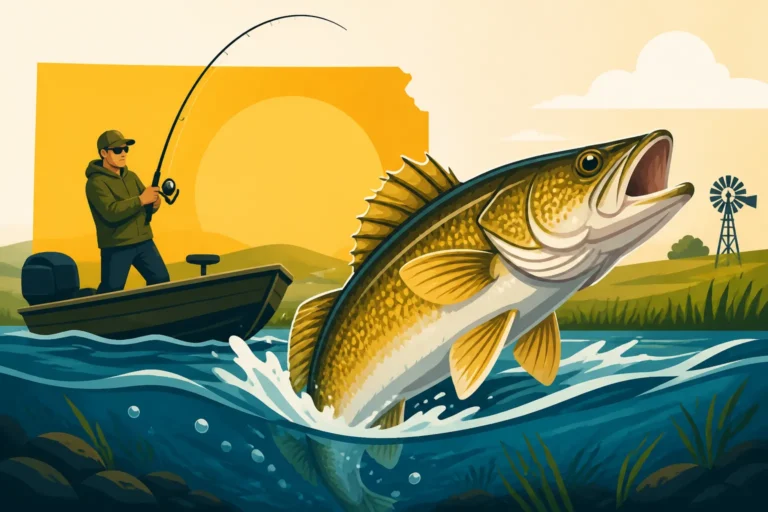
It can feel a little perplexing sometimes when you're out on the water, having a great day catching walleye, only to remember that Kansas has a pretty specific limit on how many of these tasty fish you can actually take home. For many anglers, especially those new to the state's waters, the two-fish daily limit, coupled with a generous minimum length, seems a bit strict. But trust me, there's a really good reason behind these regulations, and it's all about ensuring that Kansas continues to be a fantastic destination for catching truly magnificent, trophy-sized walleye for generations to come. This guide will dive deep into the science, strategy, and angler responsibility behind these important rules.
Understanding Kansas Walleye Regulations and Their Purpose
Fishing regulations aren't just arbitrary numbers pulled out of a hat; they are carefully crafted tools designed by fisheries biologists to maintain healthy, thriving fish populations. When it comes to walleye in Kansas, the rules are specifically aimed at striking a balance: allowing anglers to enjoy a harvest while simultaneously protecting the future of these prized game fish, especially the potential for trophy catches. It's a bit of a dance, ensuring we can all enjoy the sport today without compromising tomorrow's opportunities.
The Specifics of the Walleye Daily Limit in Kansas
Kansas anglers often encounter a daily creel limit of two walleye, with a minimum length of 21 inches in many major reservoirs. This means that even if you're having an incredible day and catching walleye left and right, you can only keep two of them, and those two must meet or exceed that 21-inch mark. I know, it can be a little tough to let go of a perfectly good 18-inch walleye, especially when you're envisioning a big fish fry. You might even wonder why the limit is so low when you see other states with higher numbers.
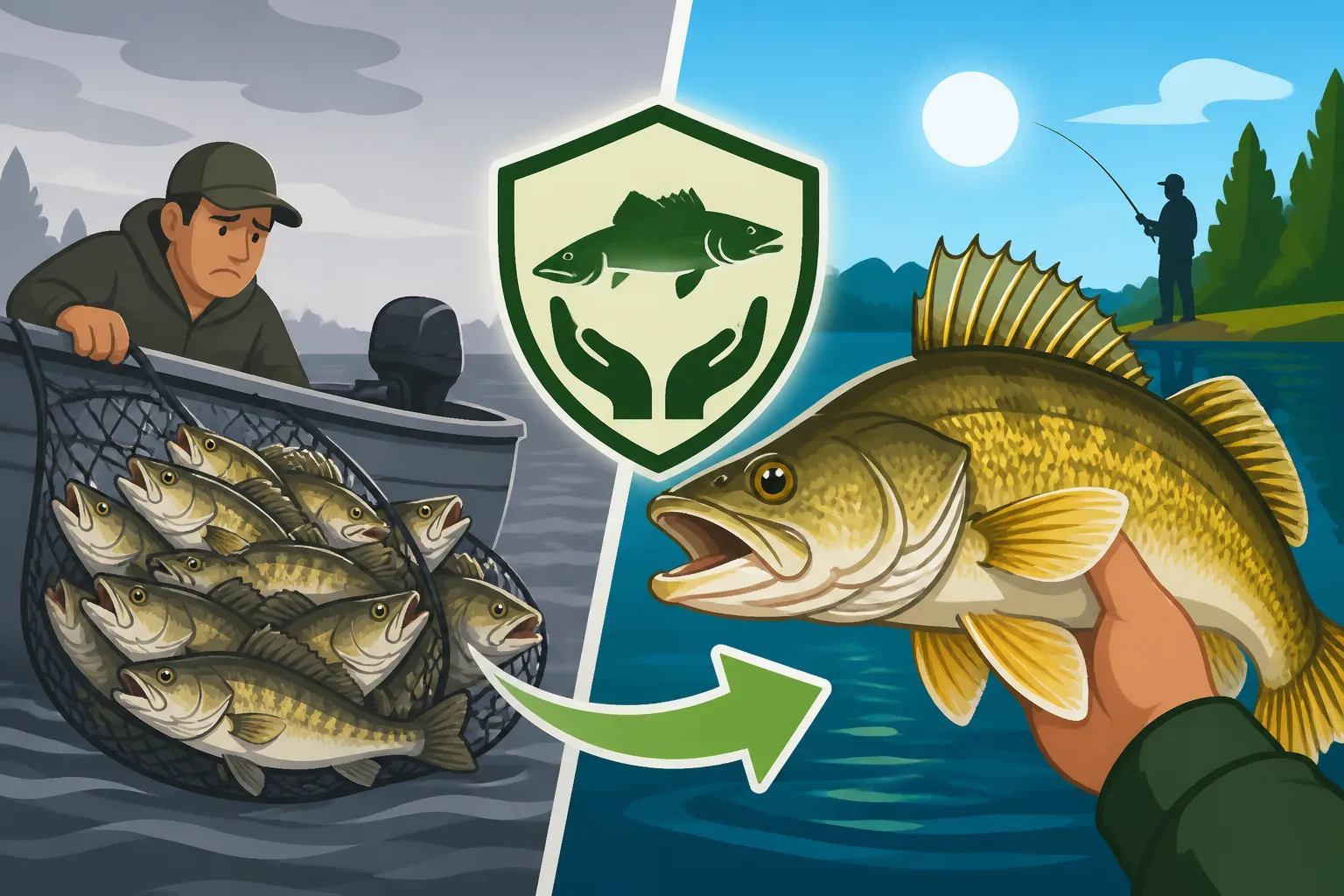
The rationale behind such a seemingly restrictive limit is deeply rooted in conservation. Walleye are highly sought after, and if there were no limits, fishing pressure could quickly decimate local populations, particularly the larger, more reproductively viable fish. The two-fish limit ensures that the overall harvest is controlled, preventing overfishing and giving the population a chance to regenerate. It's about sustainability, plain and simple, making sure that every angler has a fair shot at a quality catch.
Beyond the Daily Limit: Minimum Length Limits and Their Impact
While you might hear talk of "slot limits" in other fisheries, for walleye in many Kansas waters, it's primarily a strict minimum length limit that does a lot of the heavy lifting for conservation. That 21-inch minimum length isn't just a random number; it's a critical component in protecting walleye through their most crucial life stages. A fish under 21 inches might still be a respectable size, but allowing it to grow larger has immense benefits for the entire fishery.
The primary goal of this minimum length is to ensure that walleye have ample opportunity to reach sexual maturity and spawn at least a few times before they become eligible for harvest. For walleye, particularly the females, this can take several years. By protecting these younger, smaller fish, we're essentially guaranteeing that they get to contribute to the next generation of walleye. Think of it as an investment: letting those smaller fish go means a stronger, more abundant, and ultimately, bigger-fish-producing population in the future. For specific details, you can always refer to the Kansas Walleye Minimum Length Limit of 21 Inches guidelines.
The Biological Imperative: How Limits Foster Trophy Walleye
The regulations in place aren't just about managing fish numbers; they're fundamentally designed around the biology of the walleye itself. Understanding how these fish grow, mature, and reproduce is key to grasping why our state's approach is so effective in producing the kind of trophy walleye that get anglers excited. It's a long-term game, but one that truly pays off when you hook into a monster.
Allowing Walleye to Reach Spawning Maturity and Beyond
One of the most crucial aspects of the 21-inch minimum length limit is its direct impact on walleye reproduction. Female walleye, especially the larger, older ones, are the most significant contributors to a healthy population. They produce exponentially more eggs than smaller, younger females, and these eggs are often of higher quality, leading to better survival rates for the fry. By ensuring that most walleye can't be harvested until they've had several opportunities to spawn, we're maximizing the reproductive potential of the population.
Imagine a female walleye that reaches 21 inches. She's likely several years old and has probably already participated in a few spawning seasons. Allowing her and her counterparts to continue spawning for more years before potentially being harvested means many more future walleye. This natural reproduction is the bedrock of a sustainable fishery. Without this protection, anglers might unintentionally remove the very fish that are most vital for population growth, which is exactly why rules like Kansas Walleye Daily Limit of Two Fish are so important.
The Role of Older, Larger Fish in the Ecosystem
Trophy-sized walleye aren't just impressive to look at; they play a critical role within the lake's ecosystem. These larger fish often represent the genetic best of the population – those that have survived various challenges to grow to an exceptional size. Allowing them to stay in the water longer ensures their robust genes are passed on, contributing to a stronger, more resilient future population. This genetic diversity is vital for the long-term health of any species.
Furthermore, large walleye act as important apex predators in their environment. They help control populations of baitfish and other smaller species, maintaining a natural balance within the food web. Removing too many of these top-tier predators can have ripple effects throughout the ecosystem, potentially leading to an overabundance of forage fish or other imbalances. Keeping those big walleye in the water, even if you can't take them home, ensures that the whole system remains healthy and productive. If you're looking for more info on these incredible fish, our Kansas Walleye Fishing Guide has plenty of details.
Strategies Behind Kansas Walleye Management
The Kansas Department of Wildlife, Parks and Tourism (KDWPT) doesn't just guess when it comes to setting fishing regulations. They employ scientific methodologies and a deep understanding of fish biology to implement strategies that benefit both the fish and the anglers. It's a delicate balancing act, aimed at allowing for recreational harvest while simultaneously building and sustaining a quality fishery.
Balancing Angler Harvest and Population Health
Fisheries biologists spend countless hours studying walleye populations in various lakes and reservoirs across Kansas. They conduct creel surveys (talking to anglers about their catches), electrofishing (using electricity to temporarily stun fish for counting and measuring), and netting surveys. This data helps them understand population density, age structure, growth rates, and reproductive success. Armed with this information, they can then determine appropriate harvest limits that allow anglers to enjoy their sport without endangering the long-term health of the walleye population.
It's a dynamic process, too. If data shows a population is struggling, regulations might become more restrictive; if a population is booming and healthy, limits might be adjusted to allow for a slightly higher harvest. This adaptive management approach is crucial, as each body of water has its unique characteristics and challenges. Different lakes can have different forage bases, water temperatures, and fishing pressure, all of which influence the walleye population, which is why you'll find these specifics outlined in the Kansas Fishing Regulations Explained.
Creating a Destination for Trophy Walleye Fishing
Beyond pure conservation, the walleye regulations in Kansas also serve another strategic purpose: they help cultivate specific bodies of water into premier destinations for trophy walleye fishing. Anglers travel from all over, even out of state, for the chance to hook a truly massive walleye. By imposing length and bag limits, the state is actively working to ensure that these "trophy opportunities" are not just rare occurrences but a consistent possibility.
This focus on quality fishing isn't just good for the fish; it's also good for the local communities and businesses. When anglers come seeking trophy walleye, they spend money on gas, bait, tackle (easily found on Amazon, which often has a great selection of walleye-specific lures and gear), lodging, and food. This economic impact reinforces the value of sound fisheries management. So, while a two-fish limit might feel tough in the moment, it contributes to the larger picture of Kansas being known for its incredible walleye. If you're curious about where to find these giants, check out our guide to the Best Walleye Lakes in Kansas.
Angler Responsibility and Best Practices for Walleye
As anglers, we're not just consumers of a resource; we're also its stewards. Our actions on the water, especially when dealing with fish we can't keep, directly impact the success of these conservation efforts. Understanding and practicing proper techniques is just as important as knowing the regulations themselves. It's about respecting the fish and ensuring they have the best chance to thrive.
Proper Catch and Release Techniques for Undersized Fish
Since many walleye you catch will likely be under the 21-inch minimum, mastering proper catch and release techniques is absolutely critical. A fish that's improperly handled can die even after being returned to the water, negating the protective effect of the regulations. The goal is to minimize stress and injury. First and foremost, try to land fish quickly to avoid exhausting them. Use wet hands when handling walleye, as dry hands can remove their protective slime coat, making them susceptible to disease.
If a fish has swallowed the hook deeply, cut the line as close to the hook as possible rather than trying to rip the hook out. Many hooks will eventually dissolve or rust away. Use a de-hooking tool if the hook is visible and easily accessible. Keep the fish in the water as much as possible; minimize air exposure to just a few seconds for a quick photo, if you must. Support the fish horizontally, never vertically by the mouth, as this can damage its internal organs and spine. Tools like long-nosed pliers or specialized de-hookers, which you can find readily available on Amazon, can make this process much easier and safer for the fish.
Being an Informed and Ethical Walleye Angler
Beyond just following the letter of the law, being an ethical angler means understanding the spirit behind the regulations. This involves staying informed about the current Kansas Fishing Regulations Explained for the specific waters you're fishing, as rules can vary. It also means educating yourself on the species you're targeting, such as understanding What Walleye Eat Reservoirs or their behavior during different seasons.
An ethical angler doesn't push the limits, doesn't try to find loopholes, and doesn't complain about releasing a fish that doesn't meet the size criteria. Instead, they celebrate every catch, whether it's kept or released, knowing that each released fish is an investment in the future of the fishery. We all share the responsibility of protecting these precious resources. If you're ever unsure about a rule or see someone breaking them, it's good to know about Kansas Fishing Law Enforcement and Penalties as well.
| Regulation Type | Primary Goal | Impact on Trophy Fish Potential | Angler Experience |
|---|---|---|---|
| Minimum Length Limit | Allows fish to reach reproductive maturity. | Significantly increases the number of large, older fish available. | Requires releasing smaller fish; ensures future quality catches. |
| Daily Creel Limit | Controls overall harvest pressure. | Prevents overfishing, leaving more fish to grow. | Limits take-home fish; promotes conservation mindset. |
| Slot Limit (Less common for Kansas Walleye, more for other species in some lakes) | Protects specific size classes (e.g., spawners or large fish). | Can create more trophy fish by protecting prime breeders. | May require releasing both small and large fish within the slot. |
| Catch & Release Only | Maximizes population size and trophy potential. | Produces the highest number of trophy fish, if population supports. | No take-home fish; pure sport fishing. |
Disclaimer
This article is for general informational purposes only and does not constitute professional advice. Laws, prices and regulations vary by location and change over time. Consult a qualified professional for guidance on your specific situation.