Kansas Paddlefish Facts
Have you ever heard whispers about a fish that looks like it swam straight out of the Jurassic period, roaming the deep waters of Kansas rivers? Many anglers are fascinated by these ancient giants, often wondering what the true story is behind the mysterious paddlefish. If you're curious about these prehistoric wonders, their unique anatomy, where to find them, and how Kansas manages to keep their populations thriving, you've come to the right place. This guide dives deep into everything you need to know about Kansas paddlefish, separating fact from fishing tale, and helping you appreciate these magnificent creatures.
What Exactly is a Paddlefish, Anyway?
The paddlefish isn't just a fish; it's a living fossil, an evolutionary marvel that has roamed freshwater systems for millions of years. When you first see one, you might do a double-take, because it looks absolutely unlike any other fish you're used to catching in Kansas. They are truly unique, and understanding their distinct features is key to appreciating their place in our aquatic ecosystems.
Unique Physical Characteristics
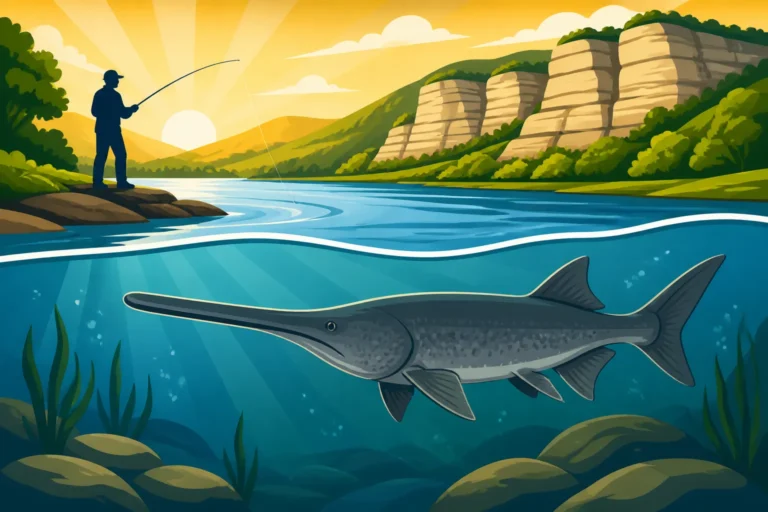
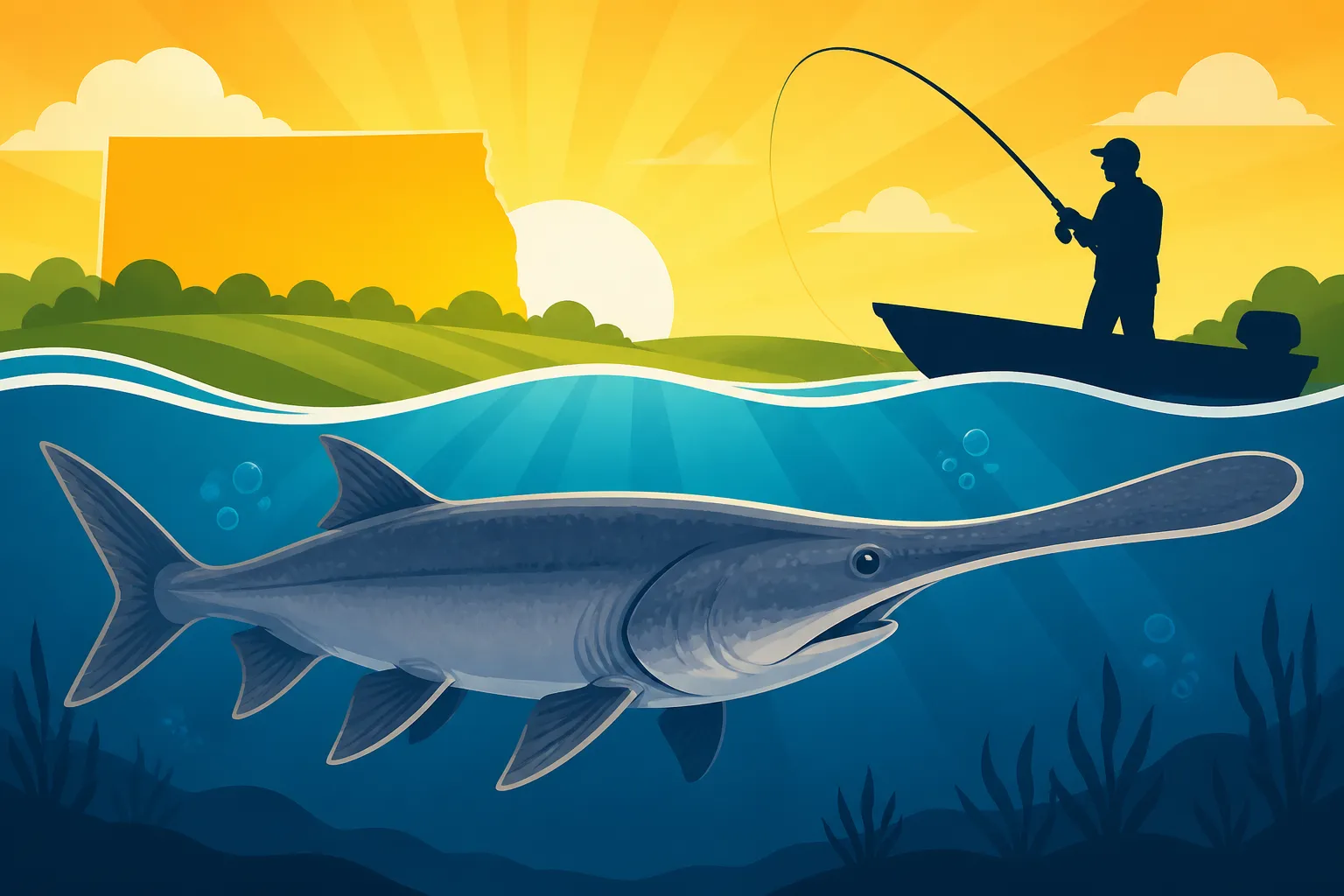
The most striking feature of the paddlefish, hands down, is its elongated, paddle-shaped snout, which can make up nearly a third of its entire body length. This isn't just for show; it's a highly specialized sensory organ. Beyond the paddle, these fish are truly distinct. Unlike most fish we encounter, paddlefish have incredibly smooth skin, devoid of the familiar scales that cover bass or crappie. Instead, they have a tough, leathery texture, which further emphasizes their ancient lineage, harking back to a time before bony fishes dominated the waters.
Their bodies are generally sleek and torpedo-shaped, perfectly adapted for life in large river systems and open lake waters. They have a large, terminal mouth, which, when opened, creates a massive filter for feeding, completely changing your perception of how a fish eats. Inside that large mouth are fine, comb-like gill rakers that are crucial to their feeding strategy. These rakers filter out tiny food particles from the water column, much like a baleen whale. It's a testament to their incredible specialization, allowing them to thrive on a diet that most other large fish couldn't even process.
The Paddlefish's Amazing Sensory "Paddle"
While it might look like a flattened, oversized nose, the paddlefish's "paddle," or rostrum, is actually a highly sophisticated sensory device. It's covered in thousands of electroreceptors, microscopic sensors that detect faint electrical impulses given off by zooplankton – their primary food source. Imagine being able to "feel" your food swimming around in the water, even when you can't see it! This incredible adaptation allows paddlefish to effectively "hunt" for their microscopic meals in murky waters or at night, giving them a distinct advantage.
This sensory capability is not just about finding food; it also aids in navigation and obstacle detection, particularly in complex river environments during their migrations. When these fish are moving upstream to spawn, that paddle acts like a natural sonar, helping them navigate currents and avoid hazards, even in conditions of low visibility. It's a critical tool for survival in diverse and ever-changing river habitats, making their long-distance journeys possible and keeping them connected to vital spawning grounds. You can really see How Paddlefish Differ From Other Game Fish when you consider this amazing biological tool.
Where Do Paddlefish Live in Kansas?
While paddlefish are often associated with the mighty Mississippi River basin, Kansas proudly hosts healthy populations, primarily in its major river systems and the reservoirs connected to them. They aren't found just anywhere; their distribution is quite specific, tied directly to their ecological needs for vast, interconnected waterways.
Key River Systems and Reservoir Connections
In Kansas, the American paddlefish (Polyodon spathula) is primarily found in the Missouri River system, which includes the lower reaches of the Kansas River and its tributaries. These large rivers provide the expansive, free-flowing habitats that paddlefish prefer. However, their story doesn't end there. They also frequent several large reservoirs that are connected to these river systems, using them as crucial feeding and overwintering grounds. Think of massive impoundments like Tuttle Creek Lake and Milford Lake, particularly the areas where the rivers flow into them.
During certain times of the year, especially in spring, paddlefish undertake remarkable spawning migrations from these reservoirs up into the major river systems. They seek out specific conditions in the rivers – typically long stretches of unobstructed flow with specific gravel or rock substrates where they can deposit their eggs. These migrations are a critical part of their life cycle, highlighting the interconnectedness of our river and reservoir ecosystems. Understanding these movements is vital for anglers hoping to encounter them and for conservation efforts alike. You can learn more about these areas in our Kansas River Fishing Guide.
Preferred Habitats and Water Conditions
Paddlefish are creatures of the open water, preferring deep, slow-moving sections of large rivers and the expansive, pelagic zones of large reservoirs. They are not typically found lurking in shallow coves or dense weed beds like bass. Their filter-feeding lifestyle means they need access to vast volumes of water rich in zooplankton, which thrives in these open water environments. They prefer cool to temperate waters, and while they can tolerate some turbidity, extremely silty conditions can impact their feeding efficiency.
The presence of deep channels, large scour holes, and vast open water areas in reservoirs provides both ample feeding grounds and safety from predators. During spawning season, however, their habitat preferences shift dramatically, as they require specific riverine conditions for successful reproduction. This dual habitat requirement makes their conservation a complex challenge, as it necessitates the protection and management of both reservoir and riverine environments. Their entire existence hinges on these large, connected aquatic systems, which is why understanding the nuances of their habitat is so important. When fishing, understanding the river flow and conditions is key, as highlighted in our Republican River Fishing Access article.
The Diet and Behavior of Kansas Paddlefish
The paddlefish's diet and feeding behavior are perhaps its most unique and defining characteristics, making it stand out dramatically from almost all other freshwater fish species in Kansas. Its entire anatomy is geared toward a very specific way of life, a method that has sustained it for millennia.
The Filter-Feeding Phenomenon
Unlike predatory fish that actively chase and strike at prey, paddlefish are obligate filter-feeders. This means their diet consists almost exclusively of microscopic organisms, primarily zooplankton, suspended in the water column. Imagine being a gigantic fish, sometimes weighing over 100 pounds, and surviving solely on creatures you can barely see with the naked eye! They achieve this remarkable feat by swimming with their enormous mouths agape, often near the surface or just below it, allowing vast quantities of water to pass through their specialized gill rakers.
These gill rakers act like a fine sieve, trapping the tiny zooplankton while allowing the water to flow out. This continuous, energy-efficient feeding strategy makes them incredibly unique. They don't rely on sight or pursuit; instead, their highly sensitive paddle helps them detect concentrations of plankton, guiding them to the richest feeding grounds. This method also means that conventional fishing baits and lures are completely ineffective for catching paddlefish, leading to the specialized technique of snagging, which we'll discuss later.
Seasonal Movements and Spawning Migrations
The life of a Kansas paddlefish is intrinsically linked to seasonal changes and epic journeys. As spring approaches and water temperatures begin to rise, adult paddlefish undertake significant spawning migrations, often traveling many miles upstream from their reservoir homes into the flowing waters of major rivers. This is a critical period, as they seek out specific conditions to reproduce. Ideal spawning sites typically feature gravel or rock bottoms in areas with sufficient current, allowing their eggs to settle and develop properly.
These migrations are heavily influenced by environmental cues, particularly water flow and temperature. A strong spring rain that increases river flow and raises water levels can trigger mass movements of paddlefish. Once spawning is complete, they typically return to the deeper, more stable environments of the reservoirs, where food is abundant and they can grow to impressive sizes. Understanding these predictable seasonal movements is crucial for both anglers participating in the Kansas Paddlefish Snagging Season and for wildlife managers working to protect these vulnerable populations. These annual cycles are a true spectacle of nature and a vital part of the Kansas aquatic landscape.
How Big Do Kansas Paddlefish Get?
When you talk about paddlefish, size is almost always part of the conversation. These aren't your average panfish; they are among the largest freshwater fish species in North America, and Kansas waters hold their fair share of giants. It's truly something to behold when you see one of these massive, prehistoric-looking creatures.
Average Sizes and Growth Rates
A typical adult paddlefish in Kansas can range significantly in size, but they generally fall into the 40 to 60-pound range, often reaching lengths of 5 to 6 feet, including their impressive paddle. However, it's not uncommon for anglers to encounter fish weighing 70, 80, or even 90 pounds. Their growth rate is relatively slow compared to some other game fish, taking several years to reach maturity and even longer to attain truly massive sizes. This slow growth is part of what makes them susceptible to overfishing and highlights the importance of careful management.
Juvenile paddlefish start small, but they grow steadily, constantly filter-feeding on zooplankton. Their size directly correlates with the abundance of food and the health of their aquatic environment. A healthy river or reservoir with a rich plankton base can support larger, faster-growing paddlefish. These fish can live for many decades, with some individuals reaching ages of 50 years or more, making them true elders of the river. This longevity contributes to their potential for monumental size, which is a major draw for anglers during permitted seasons. For more on their potential size, check out our Paddlefish Size Range guide.
The Pursuit of Trophy Paddlefish in Kansas
For many anglers, the ultimate goal during the paddlefish season is to hook into a true trophy – a fish that pushes the boundaries of size and weight. Kansas is known for producing some truly enormous paddlefish, and breaking the state record is a dream for many. These record-breaking fish typically weigh over 100 pounds and can stretch well over seven feet in total length, including that iconic paddle. Imagine the sheer power of trying to reel in a fish that's taller than you are!
The pursuit of these giants requires not only skill and patience but also incredibly robust gear. It’s a battle of strength and endurance, both for the angler and the fish. The thrill of landing such an ancient and powerful creature is an experience unlike any other in freshwater fishing. Successful trophy paddlefish anglers often spend years refining their techniques, studying migration patterns, and understanding the specific river conditions that bring these titans within reach during the limited Kansas Paddlefish Snagging Season. It's a testament to their dedication and the impressive potential of Kansas's waterways.
Conservation and Management of Paddlefish in Kansas
Despite their impressive size and ancient lineage, paddlefish are a vulnerable species, facing numerous threats that have significantly impacted their populations across their native range. In Kansas, dedicated efforts are underway to ensure these unique fish continue to thrive for future generations.
Why Paddlefish Need Our Protection
Historically, paddlefish populations faced immense pressure from overfishing, primarily driven by the demand for their roe (eggs), which is considered a valuable caviar. This unsustainable harvest, coupled with widespread habitat degradation, led to significant declines in many areas. Dam construction on major rivers also played a huge role, blocking essential spawning migration routes and altering the natural flow regimes that paddlefish rely on for reproduction. When a river is dammed, it can fragment populations, isolating them from critical spawning grounds or feeding areas.
Their slow growth rate and late maturity also mean that paddlefish populations are slow to recover from declines. It takes many years for a female paddlefish to reach reproductive age, and if too many are harvested, it can take decades for the population to rebound. Furthermore, sedimentation, pollution, and changes in water quality can negatively impact their zooplankton food source, further stressing these filter-feeding giants. All these factors combined make paddlefish a species that requires proactive and careful management.
Kansas's Efforts to Sustain Paddlefish Populations
Recognizing the ecological and recreational importance of paddlefish, Kansas actively manages its populations through a combination of regulations, monitoring, and conservation programs. The Kansas Department of Wildlife, Parks and Tourism (KDWP) sets specific seasons and limits for paddlefish snagging, ensuring that harvest is sustainable and does not jeopardize future populations. For example, the Kansas Paddlefish Snagging Season is carefully timed to coincide with their migrations, but with strict controls on when and where anglers can participate. You can always refer to the Kansas Fishing Regulations Explained for the most current rules.
Beyond regulations, Kansas also participates in stocking programs, sometimes introducing juvenile paddlefish into suitable waters to supplement natural reproduction or establish new populations where they have been extirpated. Research and monitoring are ongoing to track population health, understand migration patterns, and assess the impact of environmental changes. These efforts are crucial for ensuring the long-term viability of paddlefish in Kansas, allowing both the species to persist and anglers to continue to experience the thrill of encountering these remarkable aquatic dinosaurs.
Fishing for Paddlefish: A Unique Kansas Experience
Catching a paddlefish isn't like catching any other fish in Kansas. Forget your worms, crankbaits, or jigs – these filter-feeders require a completely different approach. It's a specialized discipline, known as snagging, and it comes with its own set of rules, ethics, and required gear.
The Art of Paddlefish Snagging
Since paddlefish don't bite traditional baits, the only legal and effective method to catch them in Kansas is through snagging. This technique involves using a heavy rod, strong line, and large, unbaited treble hooks, which are cast out and then retrieved with a powerful, sweeping motion designed to hook the fish externally. It's often done from a boat in river channels or from banks along migration routes, particularly below dams where fish tend to congregate during their spawning runs. The Kansas Paddlefish Snagging Season is a highly anticipated time for dedicated anglers who enjoy this unique challenge.
The "art" of snagging lies in feeling for the fish in the current and timing your hookset. It's not about finesse; it's about brute force and persistence. Many snagging trips involve hours of repetitive casting and retrieving, punctuated by explosive, heart-stopping battles when a large paddlefish is finally hooked. Due to the nature of the technique, there are strict regulations regarding hook size, the number of hooks, and retrieval methods to ensure ethical angling practices and minimize harm to fish that are not legally retained. It's a physically demanding but incredibly rewarding way to fish, offering a chance to connect with one of Kansas's most extraordinary aquatic residents. For details on the actual technique, be sure to read our guide on How to Snag Paddlefish.
Essential Gear and Safety Considerations
Success in paddlefish snagging hinges heavily on having the right equipment. You'll need a heavy-action, stout fishing rod, typically 7 to 9 feet long, capable of handling significant strain. Pair this with a large, heavy-duty spinning or baitcasting reel spooled with incredibly strong line – often 80-pound test braided line or even heavier is preferred to withstand the force of the fish and the potential snags in river bottoms. For hooks, you'll be using large, unbaited treble hooks, often 8/0 or larger, specifically designed for snagging. You can find robust options for these heavy-duty tackle components, including extra strong hooks and high-test braided lines, on online retailers like Amazon, ensuring you're prepared for the fight.
Beyond the core tackle, safety is paramount. Fishing for large, powerful fish in strong river currents from a boat requires vigilance. Always wear a personal flotation device (PFD), even if you're an experienced boater. A sturdy, large landing net or a gaff is essential for safely bringing a hooked paddlefish into the boat or onto the bank. Heavy-duty gloves can protect your hands from the rough skin of the fish and the sharp hooks. Furthermore, having a cooler large enough to properly transport a trophy-sized fish is crucial. Before heading out, always double-check the current regulations, as specific rules for paddlefish snagging, including daily limits and possession limits, are strictly enforced during the Kansas Fishing Seasons Guide. Planning and preparation are key to a safe and successful paddlefish adventure. You might consider looking for a durable pair of fishing gloves or a reliable boat anchor on Amazon to enhance your safety and gear setup.
| Feature | Kansas Paddlefish | Other Large Kansas Game Fish (e.g., Catfish) |
|---|---|---|
| Diet | Primarily zooplankton (filter-feeder) | Various (fish, invertebrates, detritus) |
| Feeding Method | Swims with mouth open, filters water with gill rakers | Actively hunts, ambushes, or scavenges |
| Primary Tool | Elongated, paddle-shaped rostrum (electroreceptors) | Lateral line, barbels, sight |
| Scales | Mostly scaleless, smooth skin | Covered in scales |
| Mouth | Large, terminal, designed for filter-feeding | Varied (e.g., wide, subterminal for bottom feeding) |
| Typical Size | 40-60+ lbs, 5-7+ ft (including paddle) | Varies by species, often 20-50+ lbs for large cats |
| Fishing Method | Snagging (due to filter-feeding) | Traditional bait, lures, juglines, trotlines |
| Spawning | Requires specific riverine flow and gravel | Varies (e.g., hollows, dense cover, nests) |
| Conservation Status | Vulnerable, strictly managed due to threats | Generally stable, managed with creel/size limits |
Disclaimer
This article is for general informational purposes only and does not constitute professional advice. Laws, prices and regulations vary by location and change over time. Consult a qualified professional for guidance on your specific situation.