When Crappie Move Shallow in Kansas
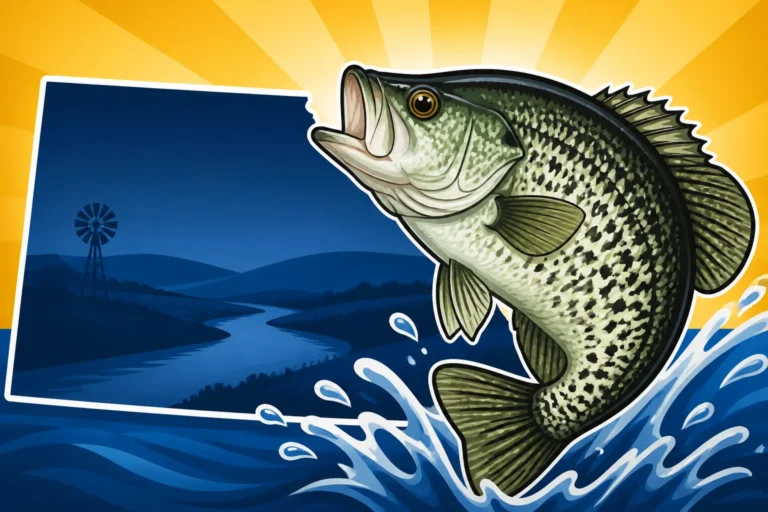
It's a common angler's lament, isn't it? You head out to your favorite Kansas lake, full of anticipation, only to find the crappie seem to have vanished. One day they're biting like crazy, the next, it's crickets. This often happens because crappie are constantly on the move, especially when it comes to their shallow water migrations. Figuring out when crappie move shallow in Kansas and, more importantly, why, can feel like trying to solve a cryptic puzzle. But don't worry, you're not alone in this struggle. This guide is dedicated to pulling back the curtain on the crappie's secretive habits, helping you understand the precise conditions and seasonal triggers that bring these tasty panfish into easy casting range.
Understanding the Crappie Migration to Shallow Waters
Crappie are fascinating fish, and their movements are primarily driven by two critical factors: reproduction and feeding. They don't just randomly decide to hang out in the shallows; there's a biological imperative at play. Knowing this gives you a huge advantage, allowing you to anticipate their movements rather than just react to them.
The Spring Spawning Ritual: Temperature is Key
Ah, spring! For many Kansas anglers, this is the magical time of year when crappie finally make their grand appearance in the skinny water. It's all about the spawn, and water temperature is the absolute, undeniable, non-negotiable trigger. Once the chilly grasp of winter truly loosens and the sun starts to warm up those shallow coves, the crappie start to feel that ancient call to reproduce.
When we talk about "shallow" water for crappie during the spawn, we're typically looking at depths anywhere from a mere foot or two down to about eight feet, depending on water clarity and available cover. The sweet spot for crappie to really move up and start building nests is generally when the water temperatures consistently hit the 55-65 degree Fahrenheit range. If you've been monitoring lake temperatures, you'll notice a distinct shift. Below 50 degrees, they're still sluggish and deep. Above 65, they might still be around, but the peak of the shallow water action is usually winding down. This is the period when they are most vulnerable and active near the banks, making it prime time for anglers who've been patiently waiting all winter.
Think about it: after spending months in deeper, more stable water, these crappie are now seeking out warmer, protected areas to lay their eggs. These areas typically have some sort of structure, whether it's submerged brush, old stumps, or even lily pad beds. The males move in first, clearing small circular nests, and then the females follow to deposit their eggs. This intense activity means they're often aggressive and less wary, especially if you approach quietly. Understanding When Does Crappie Spawn Start? and the Best Water Temperature for Crappie Spawn will give you a significant edge in your spring fishing endeavors.
Pre-Spawn Staging: Just Before the Big Move
Before crappie commit to the full-on shallow water spawn, there's a crucial "staging" period. This is when they're not quite in the foot-deep water yet, but they're definitely thinking about it. Imagine them like a crowd gathering backstage before a big performance – they're ready, but not quite in the spotlight. During pre-spawn, crappie will often congregate in slightly deeper water adjacent to their eventual spawning grounds. This could be the first significant drop-off leading into a shallow cove, the edge of a submerged creek channel that runs into a flat, or even deeper brush piles just outside a spawning bay.
Water temperatures during this phase are usually in the upper 40s to low 50s. They're still a bit cool for sustained shallow activity, but warm enough to get the crappie thinking about the upcoming spawn. They'll be feeding heavily, trying to pack on energy for the demanding reproductive process. This is often a fantastic time to catch larger, heavier crappie because they're gorging themselves before they become preoccupied with nesting.
Anglers targeting pre-spawn crappie often find success by fishing these transition areas. Instead of casting right onto the bank, you're looking for that slightly deeper water, maybe 10 to 20 feet deep, where submerged timber or brush offers them cover. A common mistake is to go too shallow too soon; if the water isn't quite warm enough, you'll be missing the majority of the fish that are still holding in these staging areas. Pay close attention to the wind, too, as sustained warm winds can push warmer surface water into these staging areas, drawing crappie in even faster. For more detailed insights into this crucial period, check out our guide on Kansas Spring Crappie Fishing Tips.
Factors Influencing Shallow Crappie Movement Beyond the Spawn
While the spring spawn is undoubtedly the most significant reason crappie move shallow, it's not the only one. These fish are opportunistic and will venture into shallower zones for feeding or simply in response to environmental changes. Ignoring these other factors means missing out on potential crappie action throughout the year.
Feeding Forays: Following the Baitfish
Crappie are sight feeders, and their primary diet consists of small baitfish like shad, minnows, and small sunfish, as well as insects and their larvae. Just as crappie are drawn to warmer water, so too are these smaller organisms. Shallow water often teems with life: insect hatches, plankton blooms, and an abundance of young baitfish seeking refuge and food. When these food sources move shallow, the crappie are sure to follow.
This is particularly true during post-spawn periods. After the rigors of spawning, crappie are hungry and need to recuperate, making them aggressive feeders. They'll actively cruise shallow flats, submerged weed lines, and areas with submerged timber in search of an easy meal. This behavior can be observed throughout the warmer months, especially during low-light conditions like dawn, dusk, or on cloudy days, when they feel more secure in shallower depths. If you see schools of small baitfish dimpling the surface in a shallow cove, you can bet there are crappie nearby looking to capitalize.
Even in late summer and early fall, crappie will make short, aggressive moves into shallow water if baitfish are concentrated there. These feeding forays are often quicker and more sporadic than the spring spawn, but they can offer fantastic fishing if you're in the right place at the right time. Anglers using a fish finder might notice balls of baitfish hugging shallow structure, with larger arcs (crappie) lurking just below. Always remember that food dictates fish movement, and if the buffet is open in the shallows, crappie will show up.
Weather Patterns and Water Conditions
Beyond the basic water temperature for spawning, other environmental factors significantly influence whether crappie will hold shallow. Wind, sunlight, and water clarity all play crucial roles in their decision-making process. These elements can either push crappie shallower or drive them back to deeper, more secure zones.
A consistent, warm wind blowing into a shallow cove can push warm surface water and baitfish into that area, effectively creating a "hot spot" where crappie will stack up. Conversely, a sudden, strong cold front can rapidly drop shallow water temperatures, sending crappie scrambling back to deeper, more stable thermal refuge. Sunny days, especially after a cold front, might push crappie deeper or into the shadiest parts of shallow cover, as they become more light-sensitive and feel more exposed to predators. Overcast or cloudy days, however, can make crappie feel bolder, encouraging them to roam more freely in shallower water.
Water clarity is another big one. In clear lakes, crappie might only venture shallow during low-light conditions or when there's abundant heavy cover to hide in. In murkier water, they're often more comfortable in shallower depths because the reduced visibility offers them a sense of security from predators like birds and larger fish. Heavy rains can also stir up shallow areas, reducing clarity and sometimes even altering water temperatures, which can affect crappie behavior temporarily. Understanding these dynamics is part of a broader strategy for Weather Patterns and Kansas Fishing Success, allowing you to adapt your approach to changing conditions on the water.
| Season/Phase | Water Temperature Range | Typical Shallow Depth | Key Behavior |
|---|---|---|---|
| Pre-Spawn | 45-55°F | 8-20 feet (staging) | Gathering near main lake points, channels, feeding heavily. |
| Spawn | 55-65°F | 1-8 feet | Actively nesting, egg-laying, males protecting nests. Very aggressive. |
| Post-Spawn | 65-75°F | 5-15 feet | Recuperating, feeding aggressively, often suspended near cover. |
| Summer Forays | Variable (warm) | 2-10 feet (low light) | Short feeding trips in early morning/late evening, following baitfish. |
| Fall Forays | 50-65°F | 5-15 feet | Following bait as water cools, often shallower in early fall, moving deeper later. |
Identifying and Catching Shallow Crappie in Kansas
So, you know when crappie are likely to be shallow, and why. Now comes the fun part: finding them and getting them to bite! This takes a keen eye for detail, a bit of stealth, and the right presentation.
Prime Shallow Water Habitats
When crappie move shallow, they aren't just swimming around aimlessly. They're looking for specific features that offer protection, ambush points for feeding, and suitable places to spawn. Think like a crappie for a moment: where would you feel safe, and where would you find food?
In Kansas, this often means targeting areas with submerged timber, brush piles, and fallen trees. These structures offer vertical cover that crappie adore, allowing them to suspend at different depths within the column while remaining hidden. Docks and boat houses can also be incredible magnets for shallow crappie, especially if they have brush piles sunk nearby or offer ample shade. Lily pad fields, cattails, and other emergent vegetation provide excellent cover, particularly in clearer water or on bright days. Riprap banks – those rocky shorelines often found near dams or bridges – also hold crappie, especially during windy conditions when baitfish get pushed against them. Look for these structures in protected coves or along creek channels in reservoirs like Milford Lake or Cheney Reservoir. Even smaller bodies of water, like many Kansas Community Lake Fishing Spots, will have these key features. If you're looking for the best places to catch these fish, our comprehensive Kansas Crappie Fishing Guide is a fantastic resource. Specifically, knowing the Best Coves for Crappie at Milford Lake can really cut down your search time.
When scouting these spots, approach quietly, especially in clear water. Poling or using a trolling motor on a very low setting is key. Sometimes the biggest crappie are spooked by loud noises or sudden movements, retreating to deeper water or burrowing into the densest part of the cover. Give each spot a few minutes before moving on, as it can take a moment for the fish to settle down after your approach.
Effective Techniques and Tackle for Shallow Water
Once you've identified a promising shallow water spot, the next step is presenting your bait or lure effectively. Crappie in shallow water can be surprisingly finicky, so a subtle approach is often best. Light tackle is usually the way to go here – think ultralight or light-action spinning rods, often 6 to 7 feet long, paired with small reels spooled with 4-6 pound test monofilament or fluorocarbon line. This lighter setup allows for longer, more accurate casts and helps you feel those delicate crappie bites.
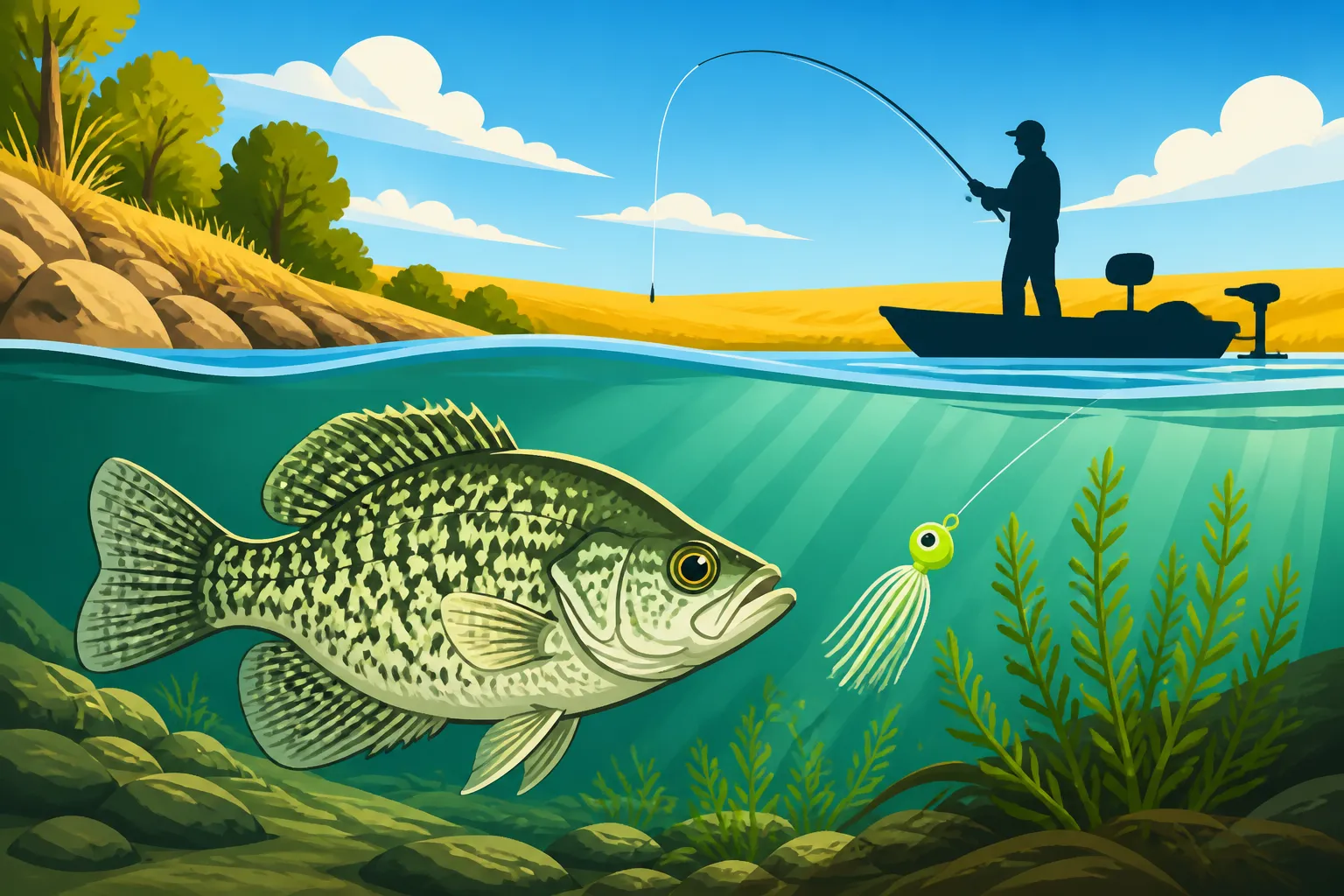
One of the most classic and effective techniques is simply using a small jig suspended under a bobber. A 1/32 or 1/16 ounce jig head tipped with a tiny plastic grub, tube, or a live minnow can be deadly. Cast it near cover and let it sit for a moment before giving it a slight twitch. The bobber not only indicates a bite but also helps keep your bait at a consistent depth. If you're targeting really dense cover, a slip bobber rig allows you to easily adjust your depth and cast into tight spaces. For those who prefer an active presentation, casting and slowly retrieving small jigs or tiny crankbaits can also be very productive, especially if you're covering more open shallow flats where crappie might be cruising. You can find a huge selection of small jigs and soft plastics, perfect for crappie, on Amazon.
Another technique, popular in many Kansas lakes, is "spider rigging," although this is more typically for slightly deeper or wider shallow areas. It involves using multiple long rods out from the boat, each with a jig or minnow rig, covering a wide swath of water as you slowly drift or troll. While spider rigging can be effective, for really tight shallow cover, single-pole jigging is often more precise. Regardless of your chosen method, the key is stealth, patience, and a delicate presentation. Our guides on Jigging Techniques for Kansas Crappie and Best Bait for Kansas Crappie offer even more specific advice to help you fill your cooler.
Legalities and Limits for Kansas Crappie
Before you head out to chase those shallow crappie, it’s always smart to refresh your memory on the current regulations. Kansas has specific rules in place to ensure healthy fish populations and sustainable fishing for everyone. You wouldn't want to have a fantastic day only to realize you accidentally overdid it or kept fish that were too small.
For crappie in Kansas, there are usually specific length limits and daily creel (bag) limits. These can vary slightly depending on the specific water body, though a general statewide rule often applies. For example, many lakes will have a Kansas Crappie Minimum Length Limit of 10 Inches, meaning any fish shorter than that must be immediately and carefully released. This helps protect younger fish and allows them to grow to a reproductive size. Additionally, there’s typically a daily catch limit, such as a Kansas Crappie Daily Limit of 50 Fish, which sounds like a lot, but it helps prevent overharvesting.
It's your responsibility as an angler to check the latest Kansas Fishing Regulations Summary for the specific lake or river you plan to fish, as special regulations might apply to certain community lakes or reservoirs. Always carry a measuring device and count your fish as you go. Respecting these regulations not only keeps you out of trouble but also contributes to the long-term health of our crappie fisheries in Kansas, ensuring that future generations can enjoy the same great shallow water action that we do.
Disclaimer
This article is for general informational purposes only and does not constitute professional advice. Laws, prices and regulations vary by location and change over time. Consult a qualified professional for guidance on your specific situation.