Fish Species in the Kansas River
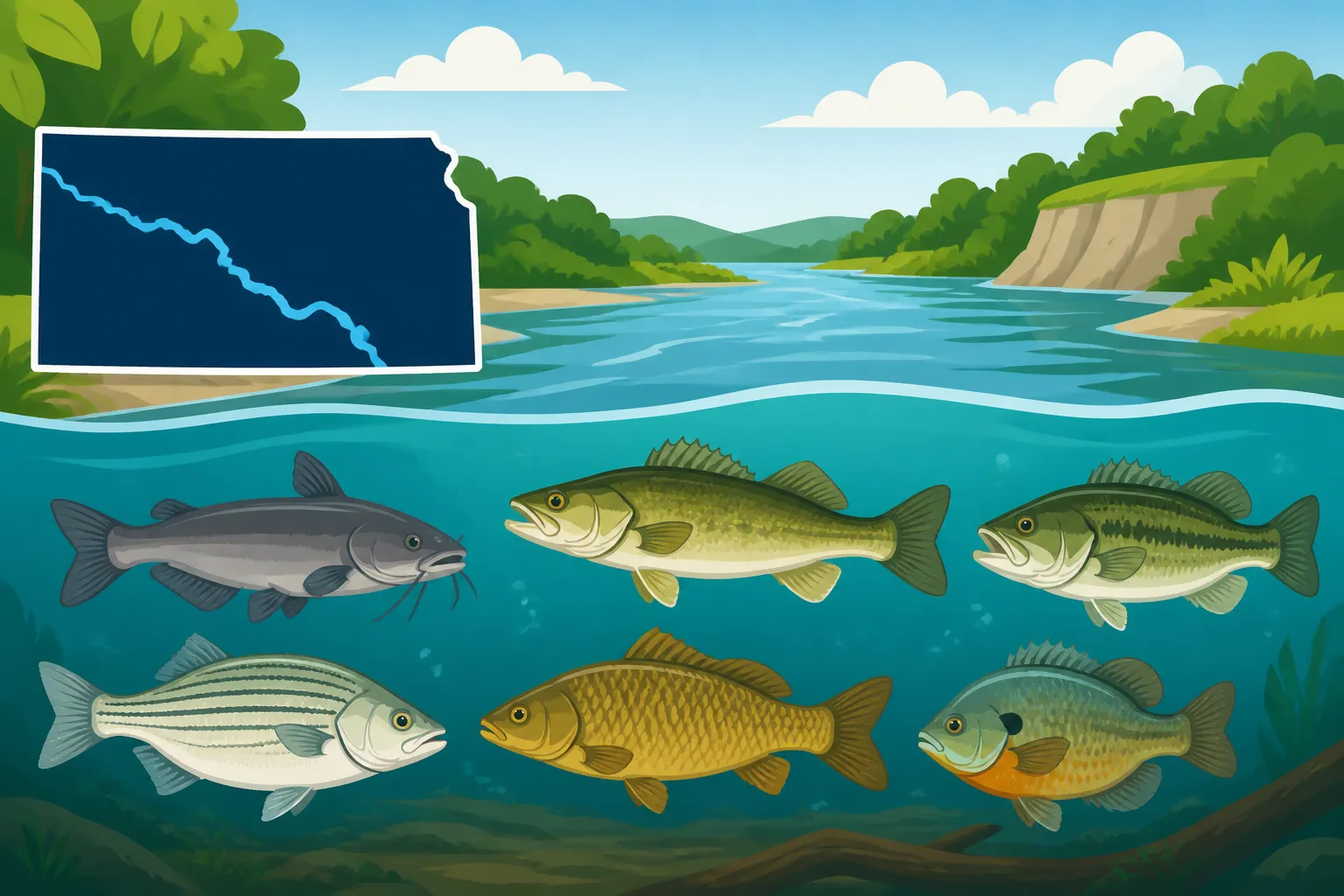
The Kansas River, affectionately known as the Kaw by locals, can feel like a bit of a mystery to anglers. It's often overlooked compared to our massive reservoirs, and some folks just don't know what kind of fish truly call its diverse waters home. But let me tell you, the Kaw is a vibrant ecosystem, teeming with a surprising variety of species that offer fantastic fishing opportunities if you know where to look and what to target. This guide will peel back the curtain, introducing you to the incredible array of fish species thriving in the Kansas River and giving you a leg up on your next river adventure.
The Mighty Catfish of the Kaw
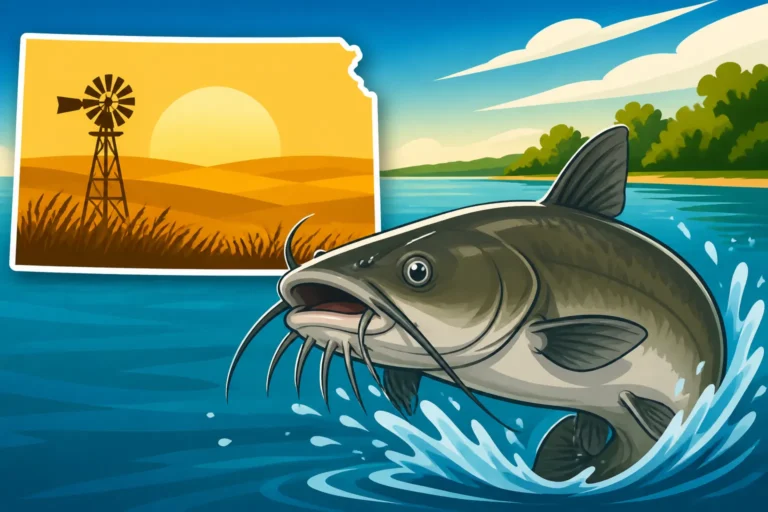
When most people think of Kansas River fishing, catfish are usually the first species that come to mind, and for good reason! The Kaw is a true catfish haven, boasting impressive populations of channel, flathead, and the elusive blue catfish. Each offers a different challenge and a unique experience, making them a staple for any river angler. For a deeper dive into these whisker-wielding warriors, check out our Kansas Catfish Species Guide.
Channel Catfish: The River's Abundant Fighter
Channel catfish are the undisputed kings of accessibility in the Kansas River. They're widespread, eager biters, and can be found almost anywhere in the river system, from the main channel to the slower backwaters and even smaller tributaries. They thrive in the Kaw's often turbid water, relying on their keen sense of smell and barbels to locate food. You'll find them congregating in deeper holes, around submerged logjams, or along current seams where food washes by.
Targeting channel cats in the Kaw is a classic experience. Most anglers use simple bottom rigs with an egg sinker and a hook. As for bait, they aren't too picky! Stink baits, cut bait (like shad or carp), shrimp, chicken livers, or even plain old nightcrawlers will usually get their attention. The fight they put up, especially on lighter tackle in the river's current, is incredibly fun, making them a fantastic target for beginners and seasoned anglers alike. Many anglers stock up on their favorite tried-and-true catfish baits online through retailers like Amazon before heading out.
Flathead Catfish: The Ambush Predator
If you're looking for a true trophy and a serious fight, the flathead catfish is your target in the Kansas River. These solitary, hard-fighting predators are built for ambush. Unlike their channel cat cousins, flatheads prefer live bait and will often position themselves in heavy cover – think massive logjams, undercut banks, or deep scour holes where they can hide and wait for an unsuspecting meal to swim by. They're often most active at night, making for an exciting after-dark angling experience.
Catching a Kaw River flathead requires patience, heavy tackle, and a sturdy boat or a good bank spot with access to deep, snaggy water. Live sunfish, bluegill, or even small carp are prime bait choices. You'll want to present your bait right into their lair, often requiring a strong rod and reel to winch them out of the heavy cover once hooked. Be prepared for a long battle; a big flathead in the Kaw's current is a formidable opponent.
Blue Catfish: The Powerful, Growing Presence
While not as prevalent as channel or flathead catfish, blue catfish are making a stronger presence in the lower reaches of the Kansas River, particularly closer to its confluence with the Missouri River. These massive catfish are known for their incredible size and strength, often preferring stronger currents and deeper, open channel areas compared to flatheads. They are primarily piscivorous, meaning they feed on other fish.
Anglers targeting blue cats in the Kaw will often use large chunks of fresh cut bait, like gizzard shad or even carp, presented on heavy-duty bottom rigs. It's a game of waiting, but when a blue cat decides to take your bait, hold on tight! They pull with immense power, testing your tackle and your resolve. For specific tactics on reeling in these giants, consult resources like Kansas River Catfish Spots.
Predatory Game Fish: Beyond the Whiskers
While catfish steal much of the spotlight, the Kansas River also holds a respectable population of popular game fish that draw anglers looking for a different kind of fight. These species often prefer clearer water than catfish, but they've adapted well to the varied conditions of the Kaw.
Walleye and Saugeye: The River's Elusive Gems
Walleye are present in the Kansas River, particularly in areas influenced by reservoir releases or where the river has clearer, rockier stretches. However, a more common and often more catchable cousin you'll encounter is the saugeye – a hybrid cross between a walleye and a sauger. Saugeye are known for their faster growth rates and hardiness, making them an exciting target in the Kaw. They often congregate around current breaks, rocky points, and deeper scour holes, especially during cooler months.
Successful walleye and saugeye fishing in the Kansas River often involves presenting jigs tipped with minnows or plastics, or slowly trolling crankbaits that imitate baitfish. Early mornings and late evenings are prime times, and understanding river current is key to finding their ambush points. Many anglers find a good selection of specialized walleye crankbaits and jigs readily available on Amazon, which can make a difference in enticing these finicky eaters. For specific lure strategies, you might find our Kansas Walleye Fishing Techniques article helpful.
White Bass: The Energetic Schoolers
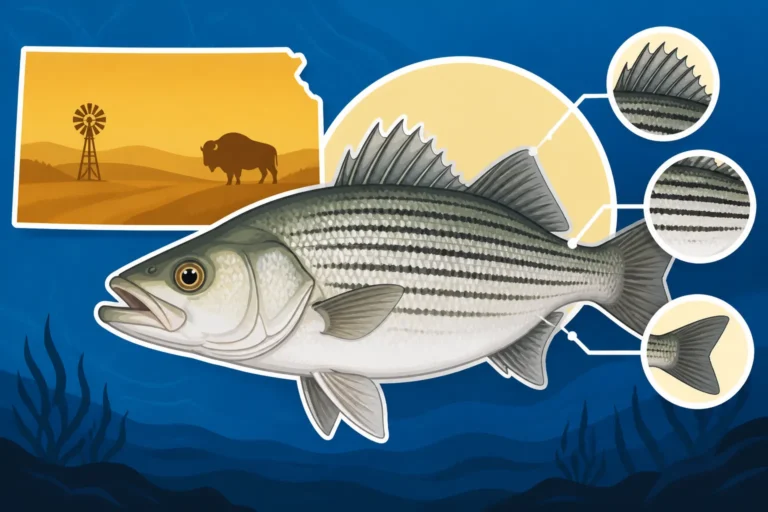
When the white bass are on a tear in the Kansas River, it can be an incredibly exciting and fast-paced fishing experience! These aggressive, schooling fish are known for their strong seasonal runs, particularly in spring when they move upstream to spawn. During these times, you can often find large schools aggressively feeding on baitfish, creating frenzies that are hard to miss.
Look for white bass in areas with noticeable current, especially below riffles, dams, or at the mouths of tributaries during their spawning migration. Small inline spinners, spoons, lipless crankbaits, and small jigs are all highly effective. When you find a school, the action can be non-stop! They are excellent table fare, too, making them a popular target. Knowing the Kansas White Bass Run Timing can significantly boost your success.
Largemouth and Smallmouth Bass: Riverine Prowlers
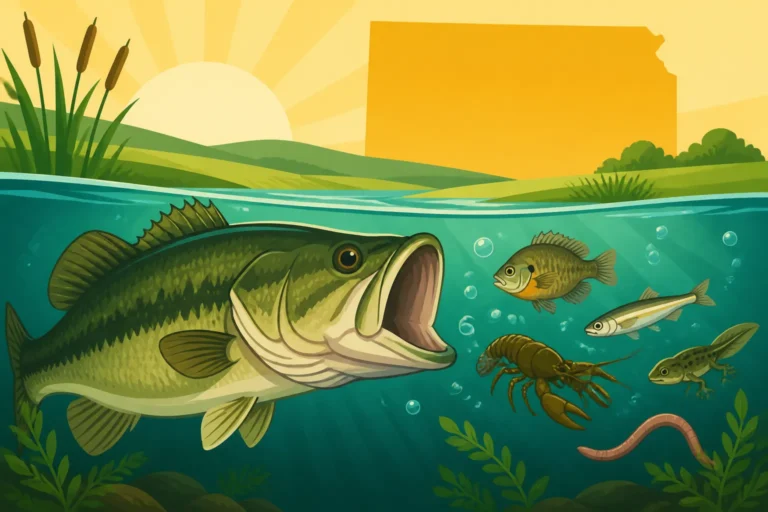
While the Kaw isn't typically thought of as a premier bass fishery compared to some reservoirs, both largemouth and smallmouth bass can be found, particularly in specific habitats within the river system. Largemouth bass will frequent the calmer, vegetated backwaters, oxbow lakes, and areas with abundant woody debris that offer cover. Smallmouth bass, on the other hand, prefer clearer, rockier sections of the river with more current, often found around riffles and rocky ledges.
Targeting largemouth in the Kaw's backwaters is similar to pond fishing: jigs, soft plastics, and crankbaits worked around cover are effective. For smallmouth, consider small crankbaits, tube jigs, or small spinnerbaits fished in faster current areas. The key is to adapt your techniques to the specific riverine environment. Our Kansas Bass Fishing Guide offers broader tips that can be adapted to river scenarios.
Panfish and Other Interesting Species
Beyond the primary game fish, the Kansas River supports a healthy population of panfish and other unique species that add to its ecological diversity and provide additional fishing opportunities.
Crappie and Sunfish: Fun for All Ages
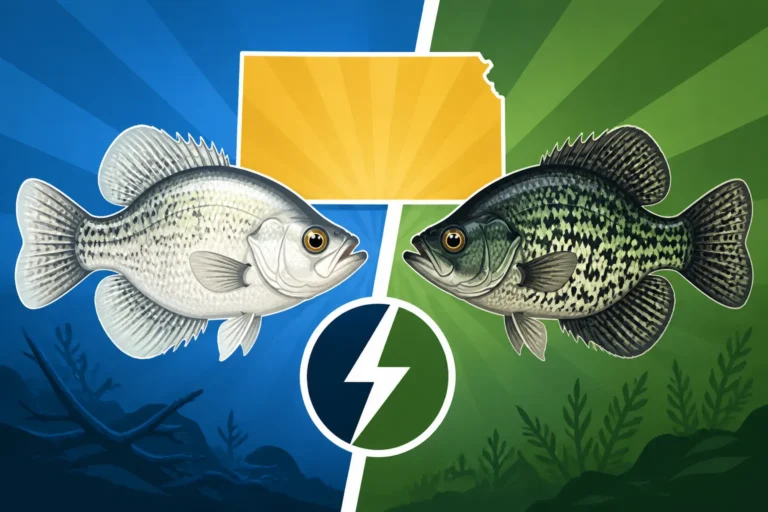
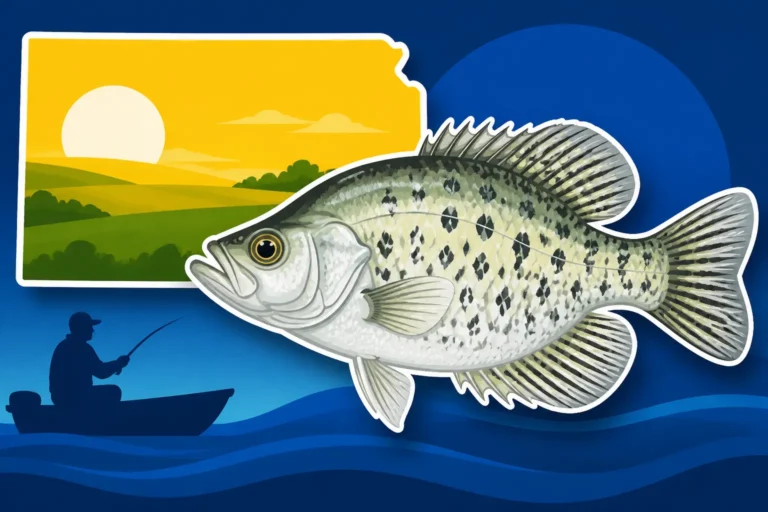
You might not associate crappie and sunfish with river fishing as much as with lakes, but these popular panfish do exist in the Kansas River system. They primarily inhabit the calmer, quieter sections of the river, especially in slackwater areas, oxbows, and backwater ponds that are connected to the main channel. Look for them around submerged brush piles, downed trees, and other forms of cover that offer protection from the current.
Bluegill, green sunfish, and even some black and white crappie can be caught using light tackle. Simple baits like worms, crickets, or small pieces of cut bait under a bobber are often all it takes. Small jigs tipped with a grub or a tiny minnow can also be very effective for crappie. These species are fantastic for introducing kids to fishing and can provide a fun, relaxing day on the water away from the strong currents of the main channel.
Paddlefish: The Prehistoric Giant
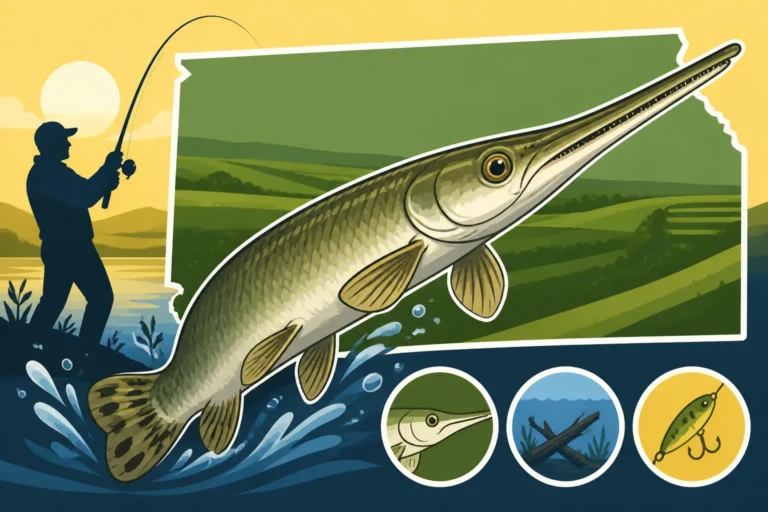
One of the most unique and truly prehistoric fish inhabiting the Kansas River is the paddlefish. These filter feeders are easily identifiable by their elongated, paddle-shaped snout. They primarily feed on zooplankton, meaning they don't bite traditional baits. Instead, they are caught by snagging, a specialized technique allowed only during a specific season in designated areas.
The Kansas River, particularly its lower stretches, is one of the few places where you can encounter these incredible fish. Snagging for paddlefish requires heavy-duty gear to haul in these large, powerful fish. It's an experience unlike any other, offering a glimpse into a truly ancient species. For details on regulations and seasons, refer to Kansas Paddlefish Snagging Season and Kansas Paddlefish Facts.
Rough Fish: Carp, Drum, and Gar
The Kansas River also hosts a robust population of what are often termed "rough fish," though many anglers appreciate them for their fighting ability and unique characteristics. Common species include various types of carp (common carp, grass carp), freshwater drum (also known as sheepshead), and several species of gar (longnose, shortnose).
- Carp: Common carp are plentiful in the Kaw and offer a surprisingly strong fight. They can be caught using dough balls, corn, or boilies on bottom rigs.
- Freshwater Drum: These strong fighters are often found in deeper holes and current breaks. They respond well to worms, crawfish, or small pieces of cut bait.
- Gar: Longnose and shortnose gar are true river predators, often seen basking near the surface in warmer months. They have a long, slender body and a mouth full of needle-sharp teeth. They can be tricky to hook due to their bony mouths, but ropes lures or live bait can work. Some anglers enjoy targeting them with bowfishing gear.
These species provide additional angling challenges and opportunities throughout the year, adding to the rich tapestry of Fish Species in the Kansas River.
The Dynamic Environment of the Kansas River
Understanding the Kansas River itself is just as crucial as knowing its fish species. The Kaw is a dynamic, ever-changing waterway, influenced by rainfall, upstream reservoir releases, and the natural flow of its tributaries. These factors dictate water levels, clarity, and current, all of which impact where fish will be and how they behave.
| Fish Species | Preferred Water Conditions | Common Location Types | Best Time to Target |
|---|---|---|---|
| Channel Catfish | Turbid to clear, moderate current | Deep holes, logjams, current seams | Year-round, especially warm months |
| Flathead Catfish | Turbid to clear, slow to moderate current | Heavy cover, undercut banks, deep pools | Warm months, especially at night |
| Blue Catfish | Turbid to clear, strong current | Main channel, deep stretches | Warm months |
| Walleye/Saugeye | Clearer, moderate current | Rocky areas, current breaks, dam outflow | Spring and fall, early morning/late evening |
| White Bass | Turbid to clear, strong current during runs | Below riffles, dam outflows, tributary mouths | Spring (spawning runs), summer (schooling) |
| Largemouth Bass | Clearer, slack water | Backwaters, oxbows, woody cover | Spring, summer, fall |
| Smallmouth Bass | Clearer, moderate to strong current | Rocky riffles, ledges, current breaks | Spring, summer, fall |
| Crappie/Sunfish | Calm, clearer water | Backwaters, oxbows, brush piles | Spring, summer |
| Paddlefish | Large, open stretches, slow current | Deeper channels (snagging specific areas) | Specific snagging season |
| Carp | Turbid to clear, slow to moderate current | Muddy bottoms, slack water | Year-round |
| Freshwater Drum | Turbid to clear, moderate current | Deeper holes, current breaks | Warm months |
| Gar | Turbid to clear, slow current, surface | Surface in calm areas, cover | Warm months |
Adapting to River Conditions
One day the Kaw might be high and muddy, and the next it could be running clear and low. Successful Kansas River anglers are those who can adapt. During high, muddy water, fish often move closer to the banks, seeking refuge from the strong current and finding clearer, calmer water. During low, clear conditions, they might retreat to deeper holes or seek out areas with more cover.
Safety is paramount when fishing any river. Currents can be strong, and underwater hazards are common. Always wear a life jacket, especially if you're in a boat or kayak. A good pair of polarized sunglasses is indispensable for cutting glare and spotting submerged structure or fish in clearer conditions. Before heading out, always ensure you have a current Kansas Fishing License Guide and are familiar with the Kansas Fishing Regulations Explained. This will ensure your trip is both enjoyable and legal.
The Kansas River, for all its unpredictable nature, offers a truly unique and rewarding angling experience. It's a river that challenges you to learn, adapt, and appreciate the incredible diversity of fish species that thrive within its currents. So grab your gear, maybe even a new tackle box from Amazon, and discover the aquatic treasures of the Kaw!
Disclaimer
This article is for general informational purposes only and does not constitute professional advice. Laws, prices and regulations vary by location and change over time. Consult a qualified professional for guidance on your specific situation.