Best Pontoon Boat for Kansas Reservoirs
Thinking about hitting the water on one of Kansas's fantastic reservoirs? It's easy to get overwhelmed trying to figure out which boat is right for you, especially when you want something that can handle both serious fishing and family fun. This guide is all about helping you navigate the choices and pinpoint the best pontoon boat for enjoying everything our amazing Kansas lakes have to offer.
Why Pontoon Boats are a Great Fit for Kansas Reservoirs
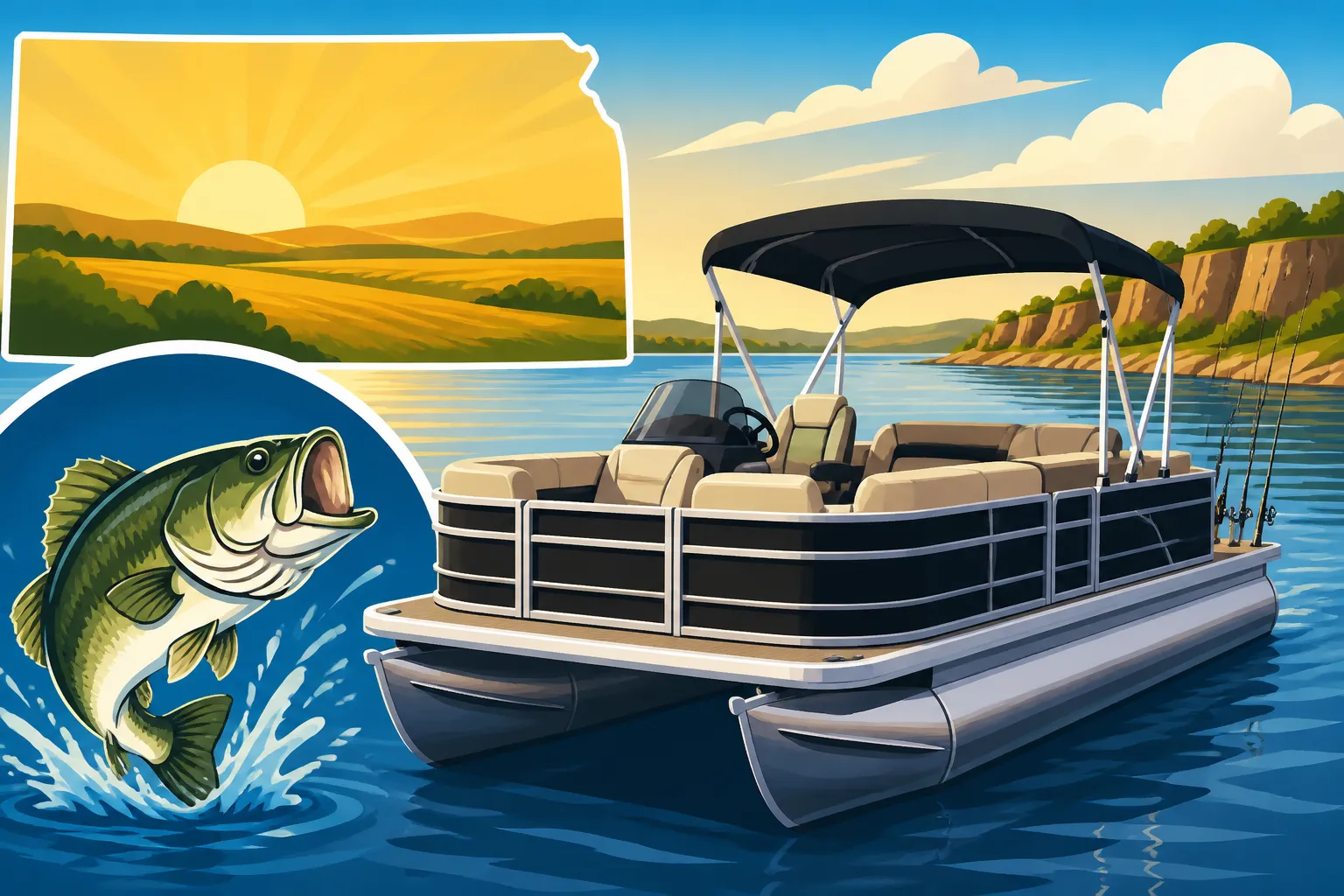
When you picture fishing in Kansas, you might think of small jon boats or dedicated bass rigs. But let me tell you, pontoon boats have absolutely surged in popularity for a reason, especially on our larger bodies of water like Milford Lake, Cheney Reservoir, or Wilson Lake. They offer a unique blend of comfort, stability, and versatility that can be hard to beat for the typical Kansas angler who also loves family time.
Stability and Space for the Whole Crew
One of the first things you'll notice about a pontoon boat is its incredible stability. Unlike V-hull boats that can feel a bit tippy when people move around, pontoons, with their wide, flat decks supported by two or three tubes (pontoons), provide a remarkably stable platform. This is a huge advantage when you're out on a breezy day on a large reservoir, or when you have kids and grandkids excitedly moving from one side of the boat to the other to check on a bobber.
Imagine a scenario: you've got your spouse, a couple of kids, and maybe even a grandparent or two on board. Everyone has their own space, their own cooler, and their own fishing rod. No more bumping elbows or feeling cramped. That extra room means fewer tangles, more comfort, and a much more relaxed day on the water. It also provides ample deck space for coolers, tackle boxes, a portable grill, or even a dog bed if your furry friend joins the adventure.
Versatility for Fishing and Family Fun
This is where pontoons truly shine for many Kansas families. One minute you're slowly drifting over a brush pile at Clinton Lake, jigging for crappie, and the next, you've got the kids in swimsuits, pulling tubes behind you. Pontoons are incredibly adaptable. Many models come with dedicated fishing features like swivel fishing seats, livewells, and rod holders, making them legitimate fishing machines.
But then, just as easily, you can stow away the fishing gear, deploy the comfortable lounge seating, and enjoy a leisurely cruise, anchor up for a swim, or have a lakeside picnic. This dual-purpose capability means you don't need two separate boats—one for fishing and one for leisure. You get the best of both worlds in one package, making it a smart investment for diverse recreational needs. This versatility extends to the kinds of fish you can target too. Whether you're chasing Kansas Crappie Fishing Techniques in the spring, or trying Kansas Catfish Fishing Techniques in the summer, a pontoon can easily be adapted.
Handling Kansas Water Conditions
Kansas reservoirs, while beautiful, can sometimes get a little choppy, especially on windy days. Those wide-open expanses can brew up some waves that smaller boats might struggle with. The stability of a pontoon boat, particularly those with larger diameter tubes or a tritoon (three tube) configuration, helps it cut through or ride over these waves with more comfort than a traditional V-hull.
While a pontoon isn't designed for high-speed rough water performance, for typical reservoir conditions and the pace of fishing or family cruising, they handle very well. The design minimizes rock and roll, providing a smoother ride for everyone on board. You'll also find that many pontoons have shallow drafts, meaning they can get into shallower coves and arms of the lake that might be inaccessible to deeper V-hulls, perfect for finding those hidden fishing spots.
Key Features to Look for in a Kansas Fishing Pontoon
Choosing the right pontoon boat involves more than just picking a color. You need to consider how you'll primarily use it on Kansas waters and what features will enhance your experience, whether it's battling a big catfish or just soaking up the sun.
Deck Layout and Fishing Amenities
When you're looking at pontoons for fishing in Kansas, the deck layout is paramount. Are you a solo angler, or do you always have a fishing buddy or two?
- Dedicated Fishing Stations: Look for models with two or four swivel fishing seats, often placed at the bow or stern. These are ideal for long hours of casting and provide comfort.
- Livewells and Baitwells: Essential for keeping your catch fresh or your bait lively, especially on a hot Kansas day. Look for aerated options with good capacity.
- Rod Holders: Integrated rod holders, either vertical or horizontal, keep your rods secure and out of the way when not in use. Some even have pre-wired areas for downriggers or trolling motors.
- Storage: Ample dry storage for tackle boxes, safety gear, and personal items is crucial. Under-seat compartments, side lockers, and dedicated rod storage are all fantastic features.
- Open Deck Space: Even with fishing features, ensure there’s enough open, non-slip deck space for casting, moving around, and accommodating other activities. For instance, if you're pursuing Kansas Walleye Fishing Techniques, you might need space for multiple rods or a cooler full of bait.
Some pontoons offer layouts that are "fishing focused" with less lounge seating, while others offer "fish and cruise" layouts that blend amenities. Consider what balance works best for you and your crew.
Motor Size and Performance for Reservoir Travel
The size and type of outboard motor you choose will significantly impact your pontoon's performance. For the vastness of Kansas reservoirs, you'll want to think about both speed and fuel efficiency.
- Horsepower (HP): Don't undersize your motor. While pontoons aren't built for blistering speed, adequate horsepower is necessary for safely navigating large, windy reservoirs, getting to your fishing spots efficiently, and pulling tubes. A 90 HP to 150 HP range is common for many 20-24 foot pontoons, providing a good balance of power and economy. For tritoons or larger vessels, you might look at 200 HP or more.
- Fuel Efficiency: Consider 4-stroke outboards, which are generally more fuel-efficient and quieter than older 2-stroke models. This is important for those long days on the water.
- Propeller Selection: The right prop can optimize performance. A prop designed for thrust is great for pulling tubes, while one for speed might be better for covering long distances. Discussing this with a dealer or even other Kansas pontoon owners can provide valuable insights.
- Trolling Motor Pre-Rigging: If you're serious about fishing, having a bow-mounted trolling motor is a game-changer for precise boat positioning. Look for pontoons that come pre-rigged for a trolling motor and associated batteries. This saves a lot of hassle and expense down the line.
Construction Quality and Durability
A pontoon boat is an investment, and you want it to last through many seasons of Kansas sun, wind, and water.
- Pontoon Tube Construction: Look for tubes made from marine-grade aluminum, typically 0.080 to 0.100 gauge thickness. Larger diameter tubes (23-25 inches) provide more buoyancy and a smoother ride. Tritoons (three tubes) offer even greater stability, often allowing for higher horsepower and better rough-water handling.
- Decking Material: Marine-grade plywood, often pressure-treated, is common. Some higher-end pontoons use composite decking materials that are lighter, more durable, and resistant to rot, though they come with a higher price tag.
- Transom Strength: Ensure the transom is robustly built to handle the weight and torque of your chosen outboard motor.
- Welds and Fasteners: Inspect the quality of welds on the pontoons and the fasteners used throughout the boat. Good construction means fewer issues down the road.
- Fencing and Rails: High-quality aluminum fencing and sturdy rails add to the boat's durability and provide a secure feeling for passengers. Check that gates open and close smoothly and latch securely.
- Upholstery: Marine-grade vinyl, resistant to UV rays and mildew, is standard. Look for double-stitched seams and high-density foam for comfort and longevity.
A well-built pontoon will give you peace of mind and more time on the water, rather than in the shop. This is especially true given the varying conditions on popular lakes like Milford Lake Fishing Guide or Wilson Lake Fishing Guide.
Top Considerations When Choosing Your Pontoon
Beyond the boat's features, there are practical considerations that can greatly influence your pontoon ownership experience in Kansas. It's not just about the purchase price, but the total cost and logistics of getting it to the water.
Budgeting for Your Pontoon and Accessories
The sticker price of a pontoon boat is just the beginning. Savvy Kansas anglers know that there are additional costs to factor into your budget.
- Boat, Motor, Trailer (BMT) Package: Most dealers sell these as packages. Compare what's included and what's extra.
- Registration and Titling: Just like your car, your boat and often your trailer will need to be registered with the state of Kansas. This involves fees for boat registration and potentially titling. For more details, check out Kansas Boat Registration Cost and Renewal.
- Insurance: Protect your investment. Boat insurance is highly recommended, and sometimes required if you finance the purchase.
- Safety Gear: Don't forget essential safety items like life jackets, a fire extinguisher, a throw cushion, and a horn. These are required by law, and you can find a comprehensive list in Kansas Boating Safety Equipment Requirements. Places like Bass Pro Shops or Amazon are great for picking up these items.
- Fishing Electronics: A good fish finder can drastically improve your fishing success. Budget for a quality unit, transducer, and installation if needed. Consider models that offer side imaging or down imaging to really "see" the structure beneath your boat.
- Docking and Anchoring: Fenders, dock lines, and a suitable anchor setup are crucial. Given the size of most pontoons, a robust anchor is a must, especially on windy days.
- Maintenance: Factor in costs for regular engine maintenance, winterization, and storage if you don't have space at home.
A realistic budget ensures you can enjoy your pontoon without unexpected financial surprises.
| Pontoon Type | Typical Length (feet) | Best Use Case for Kansas | Key Features to Look For |
|---|---|---|---|
| Entry-Level/Basic | 16-20 | Calm water fishing, small family cruises, community lakes | Simple seating, smaller motor, basic helm |
| Fish & Cruise | 20-24 | All-around family fun and serious fishing on most reservoirs | Swivel fishing seats, livewell, comfortable lounges |
| Luxury/Performance | 24-28+ | Larger reservoirs, rougher water, large groups, watersports | Tritoons, powerful motor, premium amenities, advanced electronics |
| Dedicated Fishing | 18-22 | Serious anglers, minimal focus on lounge seating, maximum fishing space | Multiple fishing seats, ample rod storage, large livewells |
Storage and Trailering Challenges
The sheer size of a pontoon boat can present some logistical challenges, especially if you don't live right on a lake.
- Trailering: Pontoons are wide. Trailering a 20+ foot pontoon requires a capable tow vehicle and practice. Make sure you're comfortable with launching and retrieving, particularly at busy ramps on popular lakes. Consider using a boat ramp on a calmer day or during off-peak hours initially to get a feel for it.
- Home Storage: Do you have enough space at home to store your pontoon boat on its trailer? Check local ordinances regarding boat storage in your driveway or yard. A dedicated parking pad or covered storage may be necessary.
- Off-Site Storage: Many marinas around Kansas reservoirs offer paid storage options, both wet slips and dry storage. This can be a convenient solution if home storage is an issue, but remember to factor in these annual costs.
- Winterization: Kansas winters require proper winterization to protect your boat's engine and systems from freezing. You can learn to do this yourself, or pay a marina to handle it. For advice on how to protect your engine, consider searching for information on "How to Winterize a Boat in Kansas".
Thinking through these practicalities before you buy can save you a lot of headaches later on.
Legal and Practical Ownership Aspects
There are a few more details to keep in mind once you become a proud pontoon owner in Kansas.
- Boater Safety Education: While not always mandatory for adult operators born before a certain date, taking a boater safety course is highly recommended. It covers navigation rules, safety procedures, and local regulations. It's not just about compliance; it's about being a responsible and safe boater on the water.
- Kansas Fishing Regulations Explained: Always have a copy of the current Kansas fishing regulations with you. These cover everything from creel limits and length limits to permitted fishing methods. Ignoring them can lead to penalties.
- Kansas Fishing License Guide: Of course, you'll need a current fishing license for anyone of age who plans to fish from your pontoon. Make sure everyone on board is covered.
- Respecting Other Boaters and Anglers: Kansas reservoirs are shared spaces. Be mindful of no-wake zones, give other anglers space, and always operate your boat safely and courteously. Nobody likes a reckless boater ruining their day on the water.
Getting Your Pontoon Ready for Kansas Waters
Once you've made your choice, getting your pontoon boat properly outfitted and maintained is the next step to ensuring countless enjoyable days fishing or cruising Kansas's beautiful lakes.
Essential Gear and Safety Equipment
Beyond the boat itself, having the right gear on board is non-negotiable for safety and enjoyment. You can find much of this at stores like Bass Pro Shops or online platforms like Amazon.
- Personal Flotation Devices (PFDs): You must have a U.S. Coast Guard-approved PFD for every person on board, and they must be readily accessible. Children under a certain age are typically required to wear them at all times while the vessel is underway. Consider different sizes for your family members.
- Throwable Flotation Device: A ring buoy or a square cushion that floats. This is crucial for throwing to someone who unexpectedly falls overboard.
- Visual Distress Signals: For night operation, you'll need navigation lights. Other visual signals might include flares or a brightly colored flag.
- Sound Producing Device: A whistle or horn is required to signal other vessels or for distress.
- Fire Extinguisher: Check the type and rating to ensure it meets requirements for your boat size.
- First-Aid Kit: A well-stocked kit for minor injuries is always a good idea.
- Dock Lines and Fenders: Protect your boat when docking.
- Anchor and Rope: An appropriately sized anchor for your pontoon and the type of bottom you'll encounter (sand, mud, rock). Make sure you have enough rode (rope/chain).
- Tool Kit: Basic tools for minor repairs, like pliers, screwdrivers, and electrical tape.
- Fishing Gear: Depending on what you're targeting, have your Best Rods and Reels for Kansas Fishing ready, along with a well-organized tackle box.
Having these items readily available will ensure you're prepared for anything the water might throw at you.
Maintenance Tips for Longevity
A little preventative maintenance goes a long way in keeping your pontoon running smoothly and looking great for years to come.
- Regular Cleaning: After each outing, especially if you've been in murky or muddy water, rinse your pontoons and deck thoroughly to remove mud, algae, and any debris. A mild boat soap can keep the deck and upholstery clean.
- Engine Care: Follow the manufacturer's recommendations for engine service intervals. This includes oil changes, fuel filter replacements, and checking spark plugs. A well-maintained engine is a reliable engine.
- Battery Maintenance: Keep your battery terminals clean and check the water levels in traditional lead-acid batteries. Charge them regularly, especially during periods of inactivity.
- Upholstery Protection: Use a marine vinyl cleaner and UV protectant to prevent cracking and fading from the strong Kansas sun. Cover your boat when not in use to extend the life of your interior.
- Trailer Inspection: Regularly check your trailer tires, lights, bearings, and brakes. A breakdown on the highway to Best Fishing Lakes in Kansas is no fun.
- Winterization: As mentioned, winterization is critical in Kansas. Properly drain water from the engine, add fuel stabilizer, and protect against freezing.
- Annual Inspection: Give your boat a thorough once-over at the beginning of each season. Check all wiring, hoses, fasteners, and ensure everything is in good working order before you head out for your first spring fishing trip.
By taking care of your pontoon, you're not just preserving its value, you're ensuring that it's always ready for your next Kansas fishing or family adventure.
Disclaimer
This article is for general informational purposes only and does not constitute professional advice. Laws, prices and regulations vary by location and change over time. Consult a qualified professional for guidance on your specific situation.