Clinton Lake Fishing Spots
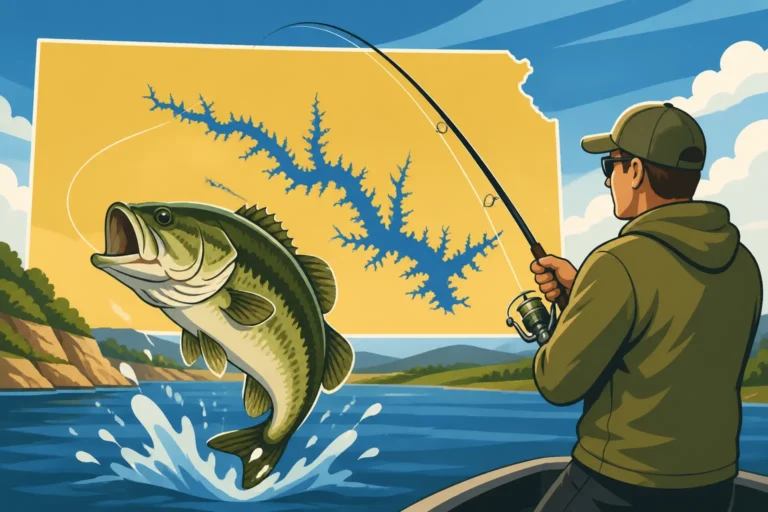
Many anglers in Kansas find themselves staring at a map, wondering which of our fantastic reservoirs holds the key to their next memorable catch. It’s easy to feel overwhelmed by the sheer size and variety of our waters, especially when you’re hoping to maximize your time on the water. This comprehensive guide is designed to cut through that confusion, giving you an insider's look at the best fishing spots on Clinton Lake, covering everything from prime species habitats to seasonal strategies and essential access points.
A Deep Dive into Clinton Lake's Angling Landscape
Clinton Lake, nestled just west of Lawrence, Kansas, is much more than just a pretty body of water; it’s a diverse and productive fishery that draws anglers from all over the state and beyond. Understanding its unique characteristics is the first step toward consistently successful fishing trips. From its sprawling main lake to its numerous coves and the winding river arms that feed it, Clinton offers a variety of habitats that cater to different species and fishing styles.
Understanding Clinton Lake's Size and Structure
Clinton Lake is a substantial body of water, covering approximately 7,000 surface acres at conservation pool, though it can fluctuate with rainfall. Its sheer size means there’s plenty of water to explore, but it also means you need a game plan. The lake was formed by damming the Wakarusa River, and its structure reflects that origin, featuring a deep main channel, numerous flooded timber areas, rocky points, and extensive coves. The western portions of the lake, particularly the Wakarusa River arm, are shallower and often feature more standing timber and emergent vegetation, making them prime habitat for bass and crappie. As you move eastward towards the dam, the lake becomes deeper, with more pronounced rock features, ideal for walleye and striped bass.
Navigating this varied terrain can be a challenge, especially if you're new to the lake. Many anglers spend years learning its nuances, but with a bit of local knowledge and some patience, you can quickly identify productive areas. The lake's average depth hovers around 25-30 feet, but there are areas that plunge much deeper, especially near the dam and in the old river channel. Understanding these depth changes is crucial for targeting fish that might be holding in thermoclines during summer or seeking warmer water in winter. For a broader perspective on our state's aquatic treasures, you might find our guide to the Best Fishing Lakes in Kansas helpful in comparing Clinton Lake to other top destinations.
Key Fish Species and Their Clinton Lake Strongholds
Clinton Lake boasts a diverse population of game fish, offering something for every angler. The lake is particularly renowned for its crappie and walleye fishing, but it also holds impressive populations of largemouth bass, smallmouth bass, channel catfish, blue catfish, flathead catfish, white bass, and the hard-fighting hybrid striped bass (wipers). Each species tends to prefer specific types of habitat and can be found in different areas of the lake depending on the season and prevailing conditions.
For example, crappie often relate to submerged timber, brush piles, and the calmer waters of coves, especially during their spring spawn. Walleye, on the other hand, are typically found near rocky points, ledges, humps, and the dam area, often preferring deeper, clearer water. The lake's varied structure provides ample opportunity to target multiple species in a single outing, making it an exciting destination for versatile anglers. Remember, staying informed about the general Kansas Fishing Regulations Explained is always a good idea before hitting the water, as limits and sizes can sometimes vary by water body.
Navigating the Seasons for Optimal Success
Just like any large reservoir, Clinton Lake's fishing patterns are heavily influenced by the changing seasons. What works in spring might be entirely ineffective in the dog days of summer. Understanding these seasonal shifts is fundamental to consistent success. Spring sees fish moving shallow for spawning, summer pushes them deeper or makes them more active at night, fall brings a feeding frenzy as temperatures cool, and winter presents unique challenges and opportunities, particularly for ice fishing.
Anglers often plan their trips around these seasonal behaviors. For instance, the pre-spawn and spawn periods in spring are legendary for crappie and walleye, while summer often means targeting catfish after dark or finding bass in shady cover. Being aware of the Kansas Fishing Seasons Guide can help you anticipate these movements and plan your visits accordingly, ensuring you're there when the fish are most active in their preferred habitats.
Prime Spots for Crappie and Walleye Action at Clinton Lake
Crappie and walleye are two of the most sought-after species at Clinton Lake, and for good reason—they offer both a thrilling fight and excellent table fare. But finding them requires a keen understanding of their preferred habitats and seasonal movements. Clinton Lake provides an abundance of structure that these fish utilize throughout the year.
Unlocking Crappie Hotspots: Coves, Timber, and Brush Piles
Clinton Lake is a crappie angler's dream, offering both white and black crappie. During the spring, as water temperatures rise into the 50s and 60s, crappie move into shallow coves to spawn. Look for areas with submerged brush, standing timber, or old creek channels that offer cover. The coves in the western arm of the lake, particularly those on the north side, like the area around the Clinton State Park Marina, and farther west towards the Wakarusa River, are classic springtime crappie magnets. These areas tend to warm up faster and offer abundant shallow cover.
Throughout the rest of the year, crappie will often be found suspended over deeper brush piles or congregating around standing timber in 15-25 feet of water. Using your fish finder to locate these submerged structures is key. Anglers often fish jigs or minnows around these areas. During summer, when the lake stratifies, crappie might hold at the thermocline. Many dedicated anglers have placed their own brush piles (with proper permission, of course) throughout the lake, creating productive, albeit sometimes secret, hotspots. For more in-depth advice on catching these panfish, check out our Kansas Crappie Fishing Guide.
Walleye Wonders: Rocky Points, Dam Areas, and Deep Humps
Walleye at Clinton Lake are notoriously finicky but incredibly rewarding when you crack the code. They prefer rocky structures, clear water, and often hug the bottom or suspend just above it. The primary walleye strongholds at Clinton are generally found from the middle of the lake eastward towards the dam. Rocky points, submerged humps, and the riprap along the dam face are all prime locations, especially during the spring spawn. The area directly below the dam can also be productive, particularly when water is being released.
Trolling crankbaits or drift-fishing with jigs and live bait (like shiners or nightcrawlers) are popular and effective methods. Early morning and late evening are often the best times, as walleye are light-sensitive. During the summer months, they'll retreat to deeper water, often holding on the edges of the old river channel or on deep humps, requiring anglers to use electronics to locate them. For those really serious about their 'eyes, our Kansas Walleye Fishing Guide offers even more specialized techniques and locations. If you're looking for up-to-the-minute details on where they're biting, checking a Clinton Lake Walleye Fishing Report can provide invaluable insights.
Chasing Bass and Catfish: Where to Find Them in Clinton's Waters
While crappie and walleye often steal the spotlight, Clinton Lake is also a phenomenal destination for bass and catfish anglers. The lake's diverse environment provides excellent habitat for both, offering opportunities for trophy catches and consistent action throughout the year. Beyond these popular species, the lake also supports a robust population of white bass and wipers that provide fast-paced, exciting fishing, especially when they're schooling.
Largemouth Bass Havens: Weeds, Docks, and Submerged Structure
For largemouth bass, Clinton Lake offers a mix of habitats. The western arm of the lake, with its shallower, murkier water and abundance of standing timber and emergent vegetation, is prime territory. Look for weed beds, lily pads, and submerged logs, particularly in the many coves. These areas provide excellent ambush points for bass, especially during the warmer months. The coves near Bloomington Park and those in the Wakarusa arm are excellent places to start.
As you move towards the main lake, docks and brush piles become key targets. Flipping and pitching jigs or soft plastics into heavy cover, or throwing spinnerbaits and crankbaits along weed lines, can be highly effective. During the colder months, bass will often school up on deep points or the edges of creek channels. Understanding the Kansas Bass Fishing Guide can help you refine your techniques for these powerful fighters.
Catfish Country: River Channels, Flats, and Nighttime Feasts
Catfish are abundant in Clinton Lake, with healthy populations of channel, blue, and flathead catfish. These fish are less particular about water clarity and can be found almost anywhere, but certain areas consistently produce better results. The old Wakarusa River channel, which winds its way through the lake, is a primary highway for catfish. Anglers often target the deeper bends and holes within this channel. The expansive flats and shallower coves, especially in the western half of the lake, also hold good numbers of channel cats, particularly at night.
For flatheads, look for areas with heavy cover, like log jams or deep, brushy creek channels, often near current, especially in the river arms. Blue catfish, which tend to grow to impressive sizes, often cruise the open water of the main lake, especially near the dam, but they also use the river channels. Stink bait, cut bait, shad, and live bait like perch or sunfish are all effective for various catfish species. Night fishing for catfish at Clinton Lake is a popular and often highly successful endeavor, particularly during the warm summer months. If you're targeting specific species, our Kansas Catfish Species Guide can help you differentiate between them and understand their habits.
Targeting White Bass and Wipers: Open Water and Runs
White bass and hybrid striped bass (wipers) offer some of the most exhilarating fishing experiences at Clinton Lake. These schooling fish are aggressive and can provide non-stop action when you find them. White bass are particularly active during their spring spawning runs up the Wakarusa River arm, where they congregate in large numbers. Throwing small jigs, spinnerbaits, or casting spoons into these runs can lead to incredible catches.
Throughout the rest of the year, both white bass and wipers are often found in the open water of the main lake, chasing schools of baitfish. Look for diving birds or surface disturbances, which often indicate a feeding frenzy. A good fish finder is invaluable for locating these suspended schools. Trolling crankbaits or casting slabs and topwater lures into these active schools can be incredibly productive. The main lake body, particularly around points and humps, and the area near the dam are excellent places to search for wipers. For a complete understanding of these schooling fish, explore our Kansas White Bass Guide.
Accessing Clinton Lake: Boat Ramps, Bank Fishing, and Amenities
Getting on the water or finding a comfortable spot on shore is just as important as knowing where the fish are. Clinton Lake is well-equipped to handle anglers with various preferences, from those launching large bass boats to families enjoying a relaxing day of bank fishing. Knowing your access options beforehand can save you valuable fishing time.
Essential Boat Launch Points for Anglers
Clinton Lake offers several well-maintained boat ramps, ensuring easy access for boaters. The main ramps are typically found within the state parks and public use areas around the lake.
- Clinton State Park Marina: Located on the north shore, this is one of the most popular and well-equipped ramps. It offers multiple lanes, ample parking, and often has amenities like bait and tackle shops, restrooms, and fuel. It's a great starting point for exploring the eastern and central parts of the lake.
- Bloomington Park Boat Ramp: Also on the north side, further west than the marina, Bloomington offers good access to the mid-lake region and some of the more timbered coves.
- Woodridge Park Boat Ramp: On the south side of the lake, Woodridge provides access to the southern coves and main lake.
- Rockhaven Park Boat Ramp: Located on the western end of the lake in the Wakarusa arm, this ramp is ideal for accessing the shallower, river-influenced waters, which are excellent for bass and crappie, especially in spring.
Always check ramp conditions, especially after heavy rains or during periods of low water, as some ramps may become less accessible. If you're planning on bringing your boat, you'll also want to make sure you're up-to-date on your Kansas Boat Registration for Anglers to avoid any unnecessary delays.
Top Bank Fishing Locations and Accessibility
Not everyone has a boat, and that's perfectly fine! Clinton Lake offers some fantastic opportunities for bank anglers, with several accessible spots that can yield excellent catches.
- Clinton State Park: The park has numerous shoreline access points, including designated fishing piers that are great for families and anglers with mobility challenges. The riprap areas along the causeways and points within the park are also productive for walleye, white bass, and catfish, especially in the evenings.
- Bloomington Park: Similar to the state park, Bloomington has good shoreline access, particularly around its picnic areas and campsites. The shallow coves here are excellent for crappie and bass in spring.
- Below the Dam: The outflow area below the dam on the Wakarusa River is a very popular spot for bank anglers, especially during white bass runs and for targeting channel catfish. Just be mindful of swift currents and respect any restricted areas.
- Community Fishing Lakes: While not directly on Clinton Lake, the nearby Lawrence community fishing lakes (such as Mary's Lake or the ponds within Clinton State Park) offer easy bank access, often stocked fish, and are perfect for a quick trip or for introducing kids to fishing.
When bank fishing, look for areas where deeper water is accessible from shore, or where there's submerged structure like rocks or brush. Using lighter tackle with bobbers, bottom rigs, or casting small lures can be very effective.
Planning Your Trip: Facilities and Services
Clinton Lake is a well-developed recreational area, offering a range of facilities and services to make your fishing trip comfortable and convenient.
- Camping: Clinton State Park offers a variety of camping options, from primitive sites to full hook-up RV spots. There are also primitive camping areas in some of the Corps of Engineers parks like Bloomington and Woodridge. Camping allows you to maximize your fishing time, especially for early morning or late-night excursions.
- Marinas and Bait Shops: The Clinton State Park Marina is a central hub, offering fuel, tackle, bait, snacks, and often up-to-date fishing reports. There are also various bait and tackle shops in nearby Lawrence that can provide local insights and essential supplies.
- Restrooms and Picnic Areas: Numerous restrooms and picnic shelters are scattered throughout the various parks and public access areas around the lake, making it easy to take breaks and enjoy meals outdoors.
- Fishing Guides: For those who want to maximize their chances or learn the lake quickly, hiring a local fishing guide can be invaluable. A good guide knows the current patterns, hotspots, and techniques. You can often find reputable guides specializing in Clinton Lake through services like FishingBooker, which connect anglers with experienced local professionals. Looking to explore more Kansas fishing options? FishingBooker can help you discover guides on other prime lakes too.
Mastering Clinton Lake's Seasonal Fishing Strategies
To truly excel at fishing Clinton Lake, you need to think like the fish and understand how their behavior changes with the seasons. Each quarter of the year presents unique challenges and opportunities, requiring different tactics, bait choices, and target locations.
Springtime Tactics for Spawning Success
Spring is arguably the most anticipated season for many Clinton Lake anglers, as it brings the promise of spawning fish moving shallow and becoming more aggressive. As water temperatures climb into the 50s and 60s, crappie, walleye, and bass all begin their annual reproductive migrations.
- Crappie: In early spring, look for crappie moving into shallow, protected coves, especially those with dark bottoms that absorb heat faster. Target submerged brush, fallen trees, and weed lines in 2-8 feet of water. Small jigs (1/16 to 1/8 oz) in chartreuse, white, or black, tipped with a minnow, fished under a bobber or slowly retrieved, are highly effective. The coves in the Wakarusa arm and those near Bloomington Park are excellent.
- Walleye: Walleye make their annual pilgrimage to rocky points, humps, and the dam riprap as water temperatures hit the low 40s to low 50s. Casting suspending jerkbaits, jigging with plastic or live bait, or slow-trolling crankbaits along these structures can be deadly. Focus on windy points where baitfish are pushed. Remember that Kansas Walleye Minimum Length Limit of 21 Inches applies here, so measure carefully.
- Bass: Both largemouth and smallmouth bass move shallow for their spawn when water temps reach the upper 50s to low 60s. Largemouth will be found in vegetated coves, around docks, and submerged timber. Smallmouth will often be on rocky banks, points, and transition areas. Spinnerbaits, swim jigs, shallow crankbaits, and soft plastics (like Texas-rigged worms or creature baits) are excellent choices.
Summer's Heat: Deep Water and Night Fishing
Summer at Clinton Lake often means hot temperatures and stratified water, pushing many fish into deeper, cooler zones or making them more active during low-light periods.
- Catfish: Summer is prime time for catfish, especially channel and blue cats. They'll be active throughout the lake, but especially in the river channels, on flats, and around submerged timber. Fishing cut bait (shad or carp), chicken livers, or stink bait on the bottom, particularly in the evenings and at night, is highly productive. Flatheads will hold tight to heavy cover in deeper river bends.
- Walleye & Crappie: These species will often move deeper, holding along the thermocline (if present) or on deep main lake points, humps, and the old river channel edges. Trolling deep-diving crankbaits or vertical jigging with spoons and heavy jigs can locate them. Night fishing for crappie under lights, attracting baitfish, is also very popular and effective.
- White Bass & Wipers: Look for schooling fish in the open water of the main lake, chasing baitfish. Watch for surfacing activity (fish breaking the water) or diving birds. A good fish finder is essential. Casting heavy spoons, slabs, or topwater lures into these schools can lead to incredible action. Fishing early morning or late evening often prolongs the active feeding window.
Fall Turnover and Winter's Chill: Adapting Your Approach
Fall brings a significant change to Clinton Lake as water temperatures cool and the lake often experiences "turnover," where the cooler surface water sinks and mixes with deeper water. This can temporarily disperse fish, but once the lake stabilizes, a new pattern emerges. Winter offers unique opportunities, including ice fishing if conditions allow.
- Fall Feeding Frenzy: As water temperatures drop in the fall, many species go on a feeding binge to prepare for winter. Walleye will move back shallower onto rocky points and humps. Crappie will often school up around deep brush piles or channel swings. Bass will follow baitfish into coves and along creek channels. Crankbaits, jigs, and slow-rolling spinnerbaits are effective.
- Winter Trout Fishing: While not native, Clinton Lake does receive winter trout stockings in designated areas, often creating fantastic opportunities for anglers. Check the specific stocking schedule and regulations, as a Kansas Trout Permit Guide is usually required in addition to a standard fishing license. Small jigs, powerbait, and spoons are popular for trout.
- Ice Fishing: If the ice gets thick enough (generally 4 inches for foot traffic, 6+ for ATVs), Clinton Lake can offer excellent ice fishing for crappie, bluegill, and even some walleye. Focus on coves and shallower flats in the western part of the lake. Small jigs, spoons, and live minnows or waxworms are the go-to baits. Always prioritize safety when venturing onto the ice; our Kansas Ice Fishing Guide has important tips.
| Fish Species | Best Seasons | Prime Clinton Lake Locations | Effective Baits/Lures |
|---|---|---|---|
| Crappie | Spring (spawn), Fall, Winter (ice fishing/deep) | Shallow coves (spring), standing timber, brush piles, old creek channels | Small jigs, minnows, tiny crankbaits |
| Walleye | Spring (spawn), Fall, Summer (deep) | Rocky points, dam riprap, submerged humps, old river channel edges | Crankbaits, jigs (live bait or plastic), shiners, nightcrawlers |
| Largemouth Bass | Spring, Summer, Fall | Vegetated coves (lily pads, weeds), docks, submerged timber, creek channels | Spinnerbaits, jigs, worms, crankbaits, topwaters |
| Catfish | Summer (especially night), Fall, Spring | Old river channels, expansive flats, log jams, deep bends in river arms | Cut bait, stink bait, live perch, chicken livers |
| White Bass | Spring (river runs), Summer, Fall | Wakarusa River arm (spring), open main lake chasing baitfish, dam outflow | Small jigs, spoons, spinnerbaits, topwaters |
| Wipers | Summer, Fall | Open main lake chasing baitfish, points, humps, dam area | Heavy spoons, slabs, crankbaits, large spinnerbaits |
Disclaimer
The information provided in this guide is for general informational purposes only and is subject to change. Fishing conditions, regulations, and fish populations can vary. Always consult the latest Kansas Department of Wildlife, Parks and Tourism (KDWP) regulations before fishing and prioritize your safety on the water.