Webster Reservoir Fishing Spots
It can feel a bit daunting, can't it? Pulling up to a massive body of water like Webster Reservoir, eager to wet a line, but having no earthly idea where the fish are hiding. You hear whispers of incredible walleye, monster catfish, and slab crappie, but actually finding them among all that water? That's the real challenge. This guide is designed to cut through that confusion, giving you the insider scoop on Webster Reservoir fishing spots so you can spend less time guessing and more time reeling in those Kansas trophies.
Unveiling Webster Reservoir's Angling Appeal
Webster Reservoir, nestled in Rooks County in north-central Kansas, is a true gem for anglers. It's not just a pretty face; this reservoir is teeming with a diverse array of fish, offering something for every type of angler. But like any large impoundment, understanding its unique characteristics is key to unlocking its full potential.
Geographical Overview and Fish Species
Webster Reservoir is formed by the Saline River and spans roughly 3,780 acres, making it a substantial body of water with plenty of nooks and crannies for fish to inhabit. The reservoir's structure is a mix of rocky points, submerged timber, gradual slopes, and deeper river channels, all of which contribute to its rich biodiversity. It's often praised for its consistent populations of walleye, channel catfish, flathead catfish, and crappie. You'll also find healthy numbers of white bass and an occasional wiper. The Kansas Department of Wildlife, Parks and Tourism (KDWPT) actively manages fish populations here, ensuring a robust and sustainable fishery. The sheer variety means you can target different species on the same trip, adding to the excitement.
The habitat diversity is what makes Webster so productive. From the rip-rapped areas near the dam that attract baitfish and subsequently walleye, to the brushy coves perfect for crappie, there's a distinct environment for each species. Knowing the general layout – where the old river channel runs, where standing timber might still be, and the location of major points – gives you a significant advantage before you even launch your boat. It’s like having a treasure map, and with a little reconnaissance, you can pinpoint where those X's truly lie.
Understanding Water Levels and Conditions
One of the most critical, yet often overlooked, factors when fishing any reservoir is the current water level and overall conditions. Webster is no exception. Droughts and periods of heavy rain can dramatically alter the reservoir's depth, structure, and fish behavior. A low water year might expose normally submerged humps and rock piles, making them easier to locate but also concentrating fish in deeper water. Conversely, high water can flood new vegetation, creating fresh cover and feeding grounds in areas usually too shallow.
Water clarity also plays a massive role. After heavy rains, the Saline River can bring in a lot of muddy water, especially into the upper reaches of the reservoir. Walleye and crappie, which often rely on sight, might move to clearer areas or adjust their feeding patterns. Catfish, on the other hand, often thrive in stained water, using their sense of smell to find food. Keeping an eye on recent rainfall, current lake levels, and even daily fishing reports can give you a significant edge. Websites and apps that track reservoir data are invaluable resources for staying current. This dynamic environment means successful anglers are those who can adapt their strategies to the prevailing conditions, rather than sticking rigidly to one plan.
Targeting Webster's Prized Walleye
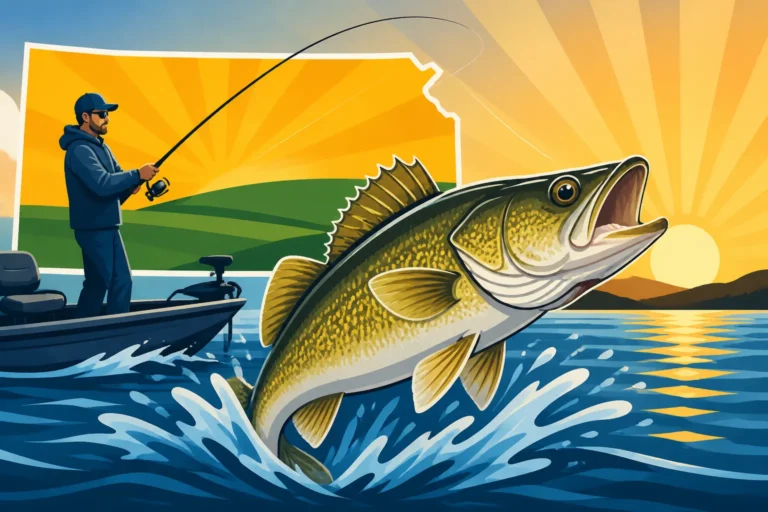
Webster Reservoir is widely renowned for its walleye fishery, drawing anglers from across the state. These elusive, toothy predators require a keen understanding of their preferred habitats and feeding behaviors. Catching a good stringer of walleye here is a badge of honor among Kansas anglers.
Rocky Points and Submerged Structure
Walleye are structure-oriented fish, meaning they'll often relate to distinct features on the lakebed. At Webster, rocky points, submerged humps, and the old river channel are absolute magnets for them. The rip-rap near the dam, particularly on the north side of the reservoir, is a classic spot during low-light conditions or when current is present. As the sun gets higher, walleye tend to retreat to deeper edges of these points, congregating on breaks where they can ambush baitfish. Look for areas where the depth changes abruptly from shallow to deep, often marked by a noticeable ledge or drop-off. These transitional zones provide both cover and easy access to different water depths.
During the pre-spawn and spawn periods, typically in March and April, walleye will move onto shallow, rocky shorelines and points to reproduce. After the spawn, they disperse, often holding in slightly deeper water around prominent main lake points like those found near Webster State Park. Using your fish finder to identify isolated rock piles or even brush piles in deeper water, especially those near the old river channel, can be incredibly productive. These "hidden gems" often hold schools of hungry walleye that aren't pressured by other anglers. Finding these subtle pieces of structure is often the difference between a few bites and a banner day.
Trolling and Jigging Strategies
When it comes to actually putting those walleye in the boat, both trolling and jigging are highly effective techniques at Webster. Trolling crankbaits is a fantastic way to cover large expanses of water and locate active fish, especially during the warmer months when walleye might be spread out. Popular crankbait colors often mimic shad or crayfish, common forage in the reservoir. Varying your trolling speed and depth, using planer boards to spread out your lines, can help you find the sweet spot. Many anglers find success trolling along the old river channel or over main lake points at depths ranging from 10 to 25 feet, depending on the time of year and water temperature. For more general advice on specific baits, check out our guide on Kansas Walleye Fishing Techniques.
Jigging, on the other hand, is perfect for targeting specific pieces of structure or schools of fish you've located on your electronics. Vertical jigging with spoons, soft plastics, or a jig-and-minnow combination can be deadly, particularly in colder water or when fish are holding tight to cover. Focus on those deep rock piles, submerged timber, or the steeper breaks of the river channel. A popular tactic is to use a heavier jig, say 1/2 to 3/4 ounce, to quickly get to the bottom and then work it with a series of lifts and drops. Don't be afraid to experiment with different jig colors and retrieve styles; sometimes a subtle change can trigger a strike. Early morning and late evening are prime times, but walleye can be caught throughout the day, especially on cloudy days or when they're congregated in deeper, shadier spots.
Finding Crappie and Panfish Havens
While walleye often steal the spotlight, Webster Reservoir also offers fantastic opportunities for crappie and other panfish. These feisty fighters provide consistent action, making them a favorite target for many anglers, especially families or those looking for a plentiful meal.
Brush Piles and Timbered Coves
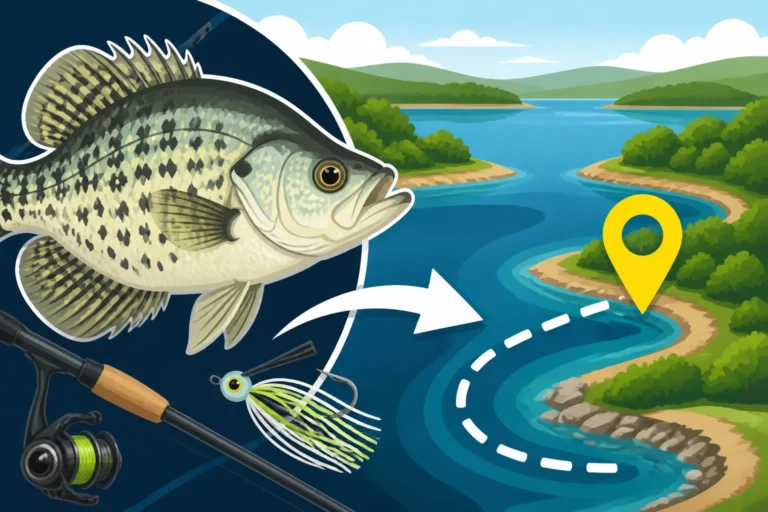
Crappie, whether white or black, absolutely adore cover. They'll congregate around submerged brush piles, standing timber, flooded trees, and weed beds, especially in the shallower, protected coves. When the water warms up in spring, typically around late April to May, crappie move into these shallow areas for their spawn. During this period, you can often find them in just a few feet of water, making them accessible to both boat and bank anglers. Focus on the backs of coves that have good protection from the wind and offer plenty of submerged structure. The areas around Webster State Park and the public access points often have good crappie structure, either naturally occurring or intentionally placed by KDWPT.
As the season progresses into summer, crappie will often retreat to deeper brush piles or the edges of the old river channel, particularly those that offer shade and cooler water. They might suspend over deeper water, relating to baitfish schools. Using your sonar to pinpoint these submerged havens is crucial. Look for irregular bottom contours or distinct "Christmas tree" shapes on your screen, indicating brush. These spots can hold large schools of crappie throughout the year, offering consistent action if you find them. Remember that crappie are often schooling fish, so where you catch one, there are likely many more!
Productive Bait and Presentations
When it comes to crappie, simplicity often reigns supreme. Small minnows, fished under a bobber or on a light jig head, are perennial favorites. The key is to present them naturally and near the cover. For artificials, tiny jigs – 1/16 to 1/8 ounce – tipped with small plastic bodies like tube jigs, curly tail grubs, or small paddletails are incredibly effective. Colors like chartreuse, white, and black/chartreuse are often go-to choices. For comprehensive strategies, our guide on Kansas Crappie Fishing Techniques provides excellent insights.
Vertical jigging around brush piles is a highly productive method. Drop your jig directly into the cover, working it slowly up and down with small twitches. Pay close attention to your line for the subtle "thump" of a crappie bite. During the spring spawn, a small jig or minnow fished under a slip bobber in shallow timber can lead to non-stop action. Don't overlook spider rigging or slow trolling with multiple rods and jigs; this allows you to cover more water and different depths simultaneously, increasing your chances of finding an active school. This technique is especially effective when crappie are suspended over open water or spread out along deeper structure.
Chasing Webster's Mighty Catfish
For many Kansas anglers, nothing beats the thrill of battling a big catfish, and Webster Reservoir is a fantastic place to hook into channel cats, flatheads, and even the occasional blue cat. These powerful fish are abundant and offer exciting action, especially during the warmer months.
River Channels and Deeper Holes
Catfish, particularly the larger flatheads and blue cats, are often found relating to the old Saline River channel that snakes through Webster Reservoir. This channel offers deeper water, current, and plenty of natural structure. Look for holes, bends, and scour marks within the channel, as well as where feeder creeks merge into it. These areas act as ambush points and resting areas for big cats. Flatheads, in particular, love to hide in log jams or undercut banks along the old riverbed, waiting for unsuspecting baitfish.
Channel catfish, while also found in the river channel, are more widely dispersed throughout the reservoir. They'll frequent mud flats, points, and even shallow coves, especially at night when they actively forage. During the heat of summer, however, they will often retreat to the cooler, deeper water of the main lake basin. Targeting the transitions between different depths, where mud meets rock, or where a flat drops into a channel, can be incredibly productive for all three species. These subtle changes in topography are key holding areas where catfish feel secure and can easily access food.
Effective Rigs and Stink Baits
When it comes to catfish, you'll want robust tackle and baits with a strong scent. A simple slip-sinker rig, with an egg sinker above a swivel, and an 18-24 inch leader ending in a stout circle hook, is a classic and highly effective setup. This rig allows the fish to pick up the bait without feeling the weight of the sinker, leading to more confident bites. For deeper water or areas with current, a three-way swivel rig can also be very useful, allowing you to present your bait just off the bottom. Our detailed guide on Kansas Catfish Fishing Techniques offers more rigging insights.
For bait, channel catfish are highly opportunistic feeders and will readily take prepared "stink baits" like Sonnys, punch baits, or dip baits. They also love cut bait (shad, carp), chicken livers, and worms. Flatheads are much pickier, preferring live bait such as bluegill, sunfish, or large shiners, presented near their lairs in log jams or deep holes. Blue catfish will also hit live bait and fresh cut bait. Night fishing for catfish is often incredibly productive at Webster, as they move into shallower water to feed under the cover of darkness. Don't be afraid to cast multiple lines with different baits and rigs to see what the fish are keying in on that particular day. Setting up a camp along the shoreline with several rods out, waiting for that unmistakable catfish thump, is a true Kansas tradition.
Accessible Shores and Boating Essentials
Webster Reservoir offers a good mix of fishing opportunities for both boaters and those who prefer to fish from the bank. Understanding where you can access the water, whether by foot or by launch, is fundamental to a successful trip.
Top Bank Fishing Locations
For anglers without a boat, Webster Reservoir still provides ample opportunities to get in on the action. The dam itself is a prime location for bank fishing, especially for walleye and white bass, particularly during windy conditions when baitfish are pushed against it. The rip-rap provides excellent habitat, and you can often find fish congregating there. The various causeways and public access points within Webster State Park, such as the areas around the north and south shores, offer excellent bank access. These spots often feature picnic areas, restrooms, and sometimes even accessible fishing piers, making them ideal for families or those looking for convenience.
During the spring crappie spawn, many of the shallower coves accessible by shore can be incredibly productive. Look for areas with fallen trees or brush close to the bank. These natural features create perfect cover for spawning crappie. Additionally, the areas where feeder creeks enter the reservoir can be hotspots for channel catfish, especially after a rain event that washes food into the lake. Always be mindful of your surroundings, respect private property, and ensure you have any necessary permits, such as a Kansas State Park Fishing Permit Rules if you're inside the park boundaries. A simple setup with a medium-action rod, some basic terminal tackle, and a bucket of bait can lead to a very rewarding day from the bank.
Boat Ramps and Navigation Tips
For those with a boat, Webster Reservoir is well-equipped with several public boat ramps, primarily located within Webster State Park. The main boat ramps offer concrete launches, ample parking, and easy access to the deeper parts of the reservoir. Always check local conditions before heading out, especially during periods of low water when some ramps might be less accessible or require four-wheel drive. For specific information on registering your vessel, refer to our Kansas Boat Registration Guide.
Navigating Webster is generally straightforward, but it pays to be aware of the old river channel, which can be followed using a good depth finder or GPS. Watch out for submerged hazards, particularly during low water periods. While many areas are deep and open, isolated rock piles or standing timber in certain coves can pose a threat if you're not paying attention. If you're new to the reservoir, consider hiring a local guide. Services found through platforms like FishingBooker can provide invaluable local knowledge, helping you navigate the waters safely and pinpoint the best fishing locations based on current conditions. These guides are often booked well in advance, so it's wise to plan ahead if you want to tap into their expertise. Always keep an eye on the weather; Kansas winds can kick up quickly, making conditions challenging for smaller boats.
Strategic Considerations for Success at Webster
Beyond knowing the specific spots, understanding the broader ecological and environmental factors that influence fish behavior at Webster Reservoir is what truly sets successful anglers apart. It's about thinking like a fish and anticipating their movements.
Seasonal Patterns and Fish Movement
Fish behavior at Webster Reservoir is heavily dictated by the changing seasons. Each season presents unique opportunities and challenges. Spring, for instance, sees fish moving shallow for the spawn – walleye on rocky points, crappie in timbered coves, and catfish in creek channels. This is often a period of high activity and good catches. As summer arrives, fish generally move deeper to escape the heat and bright sun, often suspending over the old river channel or retreating to cooler, oxygen-rich thermoclines. Early mornings, late evenings, and night fishing become particularly effective during this time, especially for species like catfish and white bass. You can dive deeper into these periods with our Kansas Fishing Seasons Guide.
Fall brings a "second spring" of sorts, as water temperatures cool and fish become highly active, feeding aggressively to build up fat reserves for winter. Walleye will move onto main lake points and flats, while crappie can be found schooling around deeper brush piles. Even winter offers opportunities for ice fishing, typically targeting crappie, walleye, and panfish in shallower coves once safe ice forms. Understanding these cyclical movements is crucial for planning your trips. A spot that was hot in April might be completely barren in August, simply because the fish have moved to their seasonal patterns.
Utilizing Technology and Local Insights
In today's angling world, technology is your friend. A good quality fish finder, as detailed in our Kansas Fish Finder Buying Guide, can make an enormous difference at Webster, helping you locate subtle structure, identify baitfish schools, and even spot individual fish. GPS units are also invaluable for marking productive spots and navigating safely. Beyond electronics, online resources like the KDWPT fishing reports, local bait shop websites, and even community forums can provide real-time information about current catches, water conditions, and effective baits. Don't underestimate the power of social media groups dedicated to Kansas fishing, where anglers often share their experiences.
Another fantastic way to gain local insights, especially if you're new to Webster, is to consult with local bait shops. Places like the Bait & Tackle Shop in Stockton or other local suppliers often have employees who fish the reservoir regularly and can offer up-to-date advice on what's biting and where. If you're looking for an even deeper dive, consider booking a trip with a local fishing guide. Many professional guides, often found on platforms like FishingBooker, specialize in Webster Reservoir and can put you on fish quickly while teaching you effective techniques. They possess intimate knowledge of the reservoir's ever-changing dynamics and can save you hours, if not days, of trial and error. Remember, even with the best technology, local knowledge and experience can give you an unparalleled edge.
Here's a quick overview of some key species and their preferred haunts at Webster Reservoir:
| Fish Species | Primary Habitat | Best Time to Target | Effective Baits/Lures |
|---|---|---|---|
| Walleye | Rocky points, submerged humps, river channel breaks | Spring (spawn), Fall, low-light | Crankbaits, jigs, minnows, nightcrawlers |
| Crappie | Brush piles, standing timber, timbered coves | Spring (spawn), Fall | Small jigs, minnows, tube baits |
| Channel Catfish | River channel, mud flats, creek mouths | Spring, Summer (night), Fall | Cut bait, stink bait, worms, chicken livers |
| Flathead Catfish | Log jams, deep holes, undercut banks in river channel | Summer (night) | Live bluegill, sunfish, large shiners |
| White Bass | Open water schools, main lake points, dam rip-rap | Spring (run), Summer (night) | Small crankbaits, spoons, rooster tails, jigs |
Disclaimer
The information provided in this guide is for general informational purposes only and is subject to change. Fishing conditions, regulations, and fish populations can vary based on season, weather, and management decisions by the Kansas Department of Wildlife, Parks and Tourism (KDWPT). Always consult the most current official KDWPT regulations before fishing, and adhere to all local, state, and federal laws. Fishing inherently carries risks; please prioritize safety and personal responsibility on the water.