How Big Is Milford Lake in Acres?
When you're dreaming of a Kansas fishing adventure, one name often comes up: Milford Lake. But trying to wrap your head around just how vast this water truly is can be a challenge, especially when you're planning your next angling escapade. This guide is here to demystify the sheer scale of Milford Lake, providing you with the exact acreage and what that immense size means for your fishing success and overall enjoyment on the water.
Unpacking the Sheer Scale of Milford Lake
There's nothing quite like the feeling of pulling up to a massive body of water, tackle box in hand, and knowing that endless possibilities await. Milford Lake, often lauded as the "Fishing Capital of Kansas," offers that feeling in spades. Its reputation isn't just for great fishing; it's also about its impressive, almost ocean-like, expanse that truly sets it apart from many other lakes in the Sunflower State.
The Acreage Revealed: How Big Is Milford Lake in Acres?
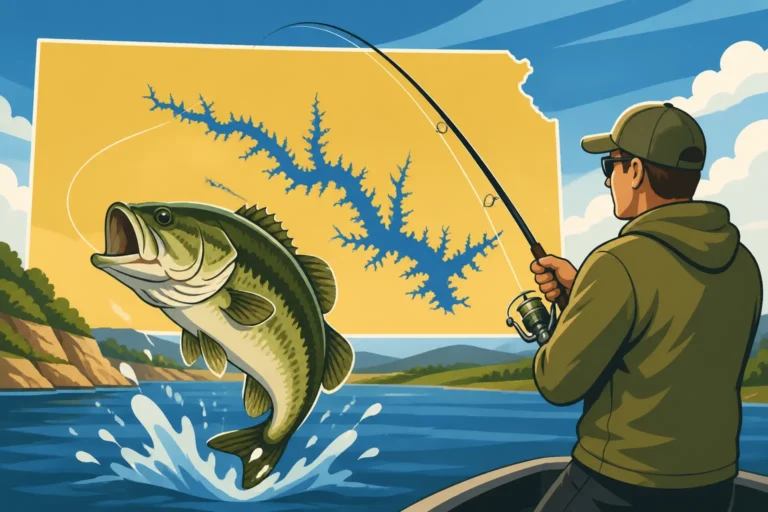
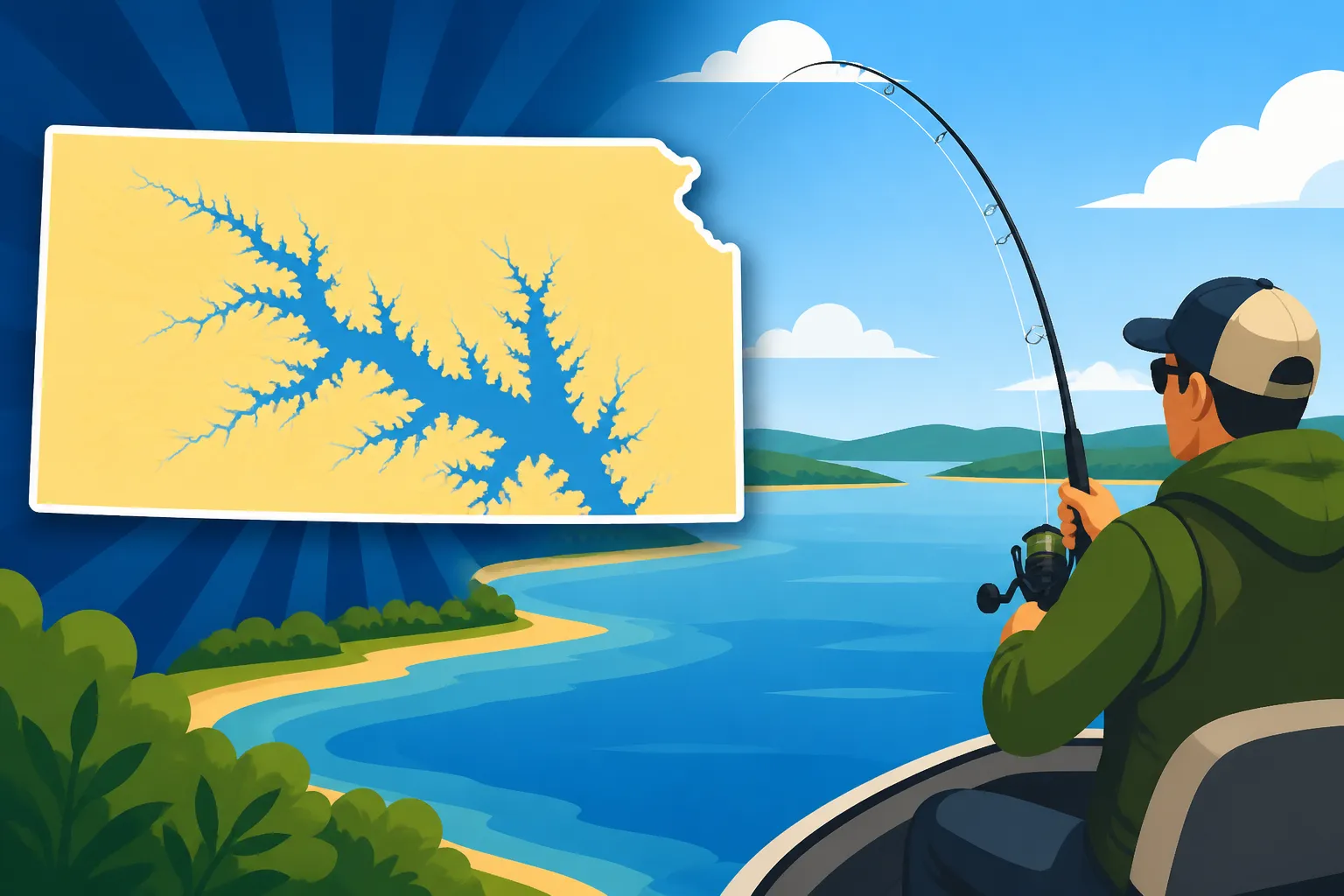
Let's cut right to the chase for those who are wondering exactly how large we're talking. Milford Lake stretches across 15,700 surface acres at its normal conservation pool elevation. Yes, you read that right – 15,700 acres! To put that into perspective, that’s roughly the equivalent of over 11,800 football fields, or about 24.5 square miles of water. This makes it, unequivocally, the Milford Lake Is the Largest Lake in Kansas by a significant margin. It’s an impoundment of the Republican River, sprawling across parts of Geary and Clay counties, creating a massive inland sea that dominates the landscape.
This isn't just a number; it's a testament to the grand scale of the fishing opportunities here. When you consider other popular Kansas reservoirs, Milford's size truly stands out. For instance, Cheney Reservoir, another beloved fishing destination, covers around 9,500 acres, while Wilson Lake is closer to 9,000 acres. This immense size gives Milford a unique character and presents both exciting opportunities and specific challenges for anglers. You're not just fishing a lake; you're exploring a small freshwater ocean, with vast stretches of open water, intricate shorelines, and numerous coves and arms waiting to be discovered.
What That Size Means for Anglers
For us anglers, the sheer acreage of Milford Lake translates directly into a fishing experience unlike almost any other in Kansas. It means less crowded waters, more diverse fishing environments, and the potential for true trophy catches that have ample room to grow and roam. But it also means you need to approach your fishing trip with a bit more planning and respect for the water's expansive nature.
First and foremost, its size ensures that even on the busiest weekends, you can usually find a secluded cove or an unpressured stretch of water to cast your line. Unlike smaller lakes where you might feel like you're fishing elbow-to-elbow with others, Milford offers solitude and space. This is a huge bonus, allowing you to focus on the fishing itself without constant distractions from other boats or bank anglers. Secondly, the vastness contributes to the incredible biodiversity of the lake. More space means more diverse habitats – from shallow, timber-filled coves to deep, open-water channels, and rocky points. This variety supports a healthy population of numerous fish species, making it a prime spot for multi-species anglers.
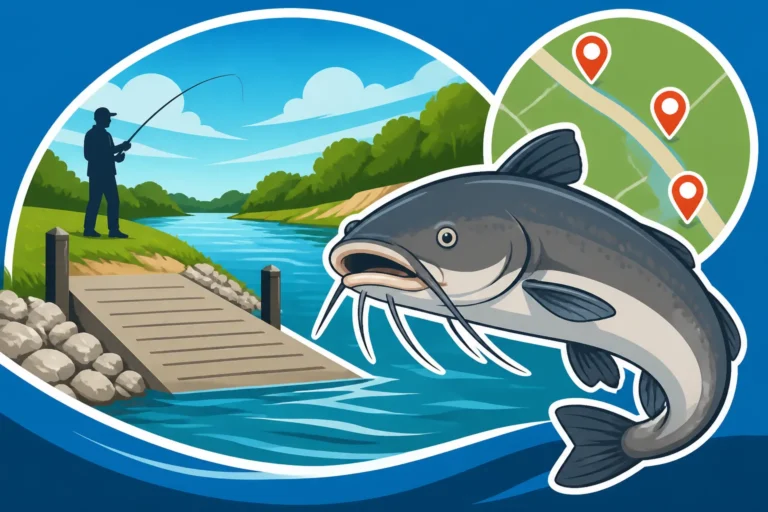
However, the size also presents challenges. Navigation can be tricky, especially for newcomers. The lake can get rough with strong winds, and traversing from one fishing spot to another can take significant time. You'll need reliable boat gear, a good fish finder, and a solid understanding of the lake's layout. For those without a boat, finding productive Best Shore Fishing Spots on Milford Lake might require a bit more legwork and local knowledge, but they are definitely out there, especially around Milford State Park.
Why Milford Lake's Size Matters for Fishing
Milford Lake isn't just big for the sake of being big; its immense size directly influences the quality and type of fishing experience you'll have. From supporting a diverse range of fish to dictating your approach to trip planning and gear selection, the acreage plays a pivotal role in every aspect of angling here. Understanding these implications can turn a good fishing trip into an unforgettable one.
Diverse Habitats and Fish Species
One of the most exciting aspects of Milford Lake's considerable size is the incredible diversity of habitats it offers. This isn't a monotonous bowl; it's a complex ecosystem with varying depths, structures, and water conditions. These diverse environments are crucial for supporting a wide array of fish species, each with its own preferred hangout. You’ll find everything from shallow, nutrient-rich bays to expansive, windswept main lake points, and deep, rocky ledges.
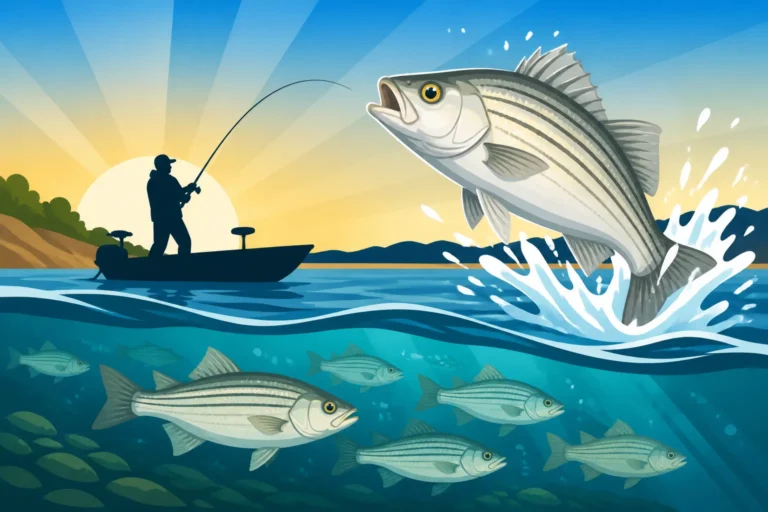
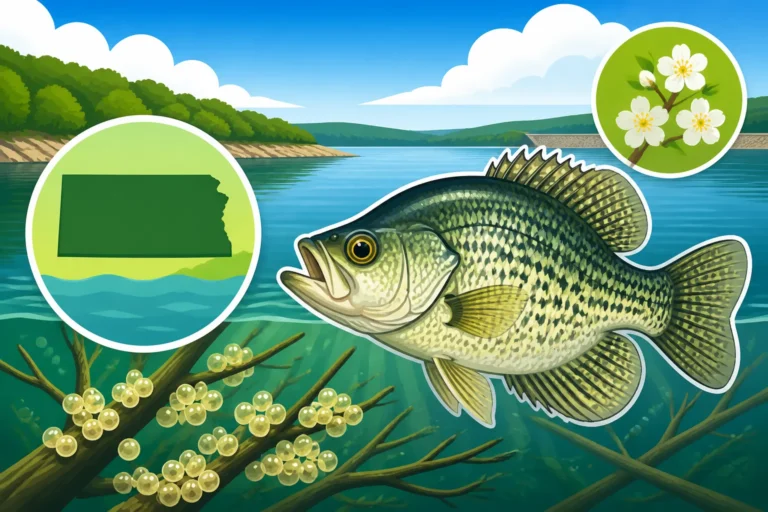
For instance, the shallow coves and river arms, particularly in the upper stretches of the lake, are perfect for spring crappie fishing when they move in to spawn. You can find them lurking around submerged timber and brush piles. Knowing the Milford Lake Crappie Spawn Timing in May can lead to some incredible action in these areas. On the other hand, the deeper, rockier structures of the main lake, especially near the dam, are prime real estate for walleye, particularly during their feeding binges. Anglers often target these areas for Milford Lake Walleye Fishing, utilizing trolling or jigging techniques. The sheer volume of water also means robust populations of other popular species like channel catfish, flathead catfish, white bass, striped bass, and even some largemouth and smallmouth bass, especially in the rocky creeks and timbered areas. This variety allows anglers to target different species throughout the year and adapt to changing conditions, truly making it one of the Best Fishing Lakes in Kansas.
Navigation and Trip Planning for Such a Large Body of Water
Navigating a lake of Milford’s magnitude requires more than just pointing your boat in a direction and hoping for the best. It demands careful planning, reliable equipment, and an awareness of the changing conditions. For many, this might mean investing in good maps or a modern GPS fish finder to mark waypoints and identify productive structures. The sprawling nature means that popular fishing spots can be miles apart, and covering water efficiently is key to maximizing your time.
When planning your trip, consider the wind forecast. Milford Lake can transform from calm waters to a choppy, white-capped beast in a matter of minutes if a strong wind picks up, especially on the main lake. Safety should always be your top priority. Ensure your boat is adequately sized and equipped for large water, and always have appropriate safety gear. Check out our guide on Kansas Life Jacket and Boating Safety Guide for essential information. For those without their own vessel, exploring options like chartering a guide through platforms like FishingBooker can be an excellent way to experience the lake's vastness safely and productively. A local guide knows the hidden gems, the current conditions, and how to navigate the massive expanse. Even for experienced anglers, a guide can unlock secrets to specific species.
Maximizing Your Milford Lake Fishing Experience
To truly make the most of Milford Lake's impressive 15,700 acres, it helps to approach your fishing trip with some strategic thinking. This isn't a pond where you can just walk around and find the fish. It's a vast system, and understanding its nuances, knowing where to focus your efforts, and having the right gear can significantly elevate your success and enjoyment.
Key Fishing Areas and Structure
Milford Lake is a complex tapestry of diverse fishing zones, each with its own appeal and challenges. Dividing the lake into general sections can help you get started, but remember that fish move, and conditions change.
- Upper River Arms (Republican River & Fancy Creek): These areas, particularly where the Republican River feeds into the lake, are characterized by more turbid water, extensive timber, and shallower flats. They are phenomenal for spring white bass runs, crappie, and channel catfish. The current from the river flow can concentrate fish, making them easier to locate. For early season action, these warmer, shallower waters often warm up faster, drawing fish in.
- Mid-Lake Coves and Points: As you move down-lake, the water generally gets clearer and deeper. You'll find a multitude of coves and points that offer fantastic structure. Many of these coves hold submerged brush piles, standing timber, and rock formations that are magnets for crappie, largemouth bass, and even walleye. The points extending into the main lake are often transition zones where predatory fish like walleye and hybrid striped bass patrol for baitfish. Looking for Best Time for Walleye at Milford Lake often means focusing on these areas.
- Lower Lake and Dam Area: Near the dam, the lake is at its deepest and often clearest. This area is a hotspot for deeper-water species, including walleye, striped bass, and the occasional monster blue catfish. The riprap along the dam itself can hold a surprising number of fish, offering great bank fishing opportunities, especially for those targeting walleye or catfish. Don't forget to explore the public access points like those found at Milford State Park Fishing Access, which provide excellent opportunities for both boat and bank anglers. These areas also often feature accessible fishing piers, making them great for families or anglers with mobility challenges.
A good strategy involves using your fish finder to locate submerged humps, creek channels, and old roadbeds. These subtle changes in depth and structure are often where fish congregate. If you're looking for guidance on specific spots, consider booking a trip through FishingBooker with a local guide who specializes in Milford Lake – they can show you the ropes and put you on fish quickly.
Essential Gear for Big Water
Fishing a lake the size of Milford means you might need to adjust your gear slightly compared to smaller ponds or rivers. Here’s a quick rundown of some essentials:
| Gear Category | Recommended for Milford Lake |
|---|---|
| Boat & Motor | A boat with a reliable motor is almost essential for covering Milford's vastness. Consider a V-hull or similar vessel capable of handling choppy water, especially if you plan to venture out onto the main lake. Don't forget to register your boat; our Kansas Boat Registration Guide can help with that. |
| Electronics | A quality fish finder with GPS capabilities is invaluable. It helps with navigation, marking productive spots, and identifying baitfish schools and fish-holding structure in deep water. |
| Rods & Reels | Walleye: Medium-heavy spinning or baitcasting setups for jigging, bottom bouncing, or trolling. Line weights of 10-15 lb test are common. Crappie: Light to medium-light action rods with sensitive tips for feeling subtle bites. 4-6 lb test monofilament or braid is ideal. Catfish: Heavy action rods, stout reels, and strong line (20-50 lb test) for battling larger cats. |
| Tackle | Walleye: Crankbaits, jigs with soft plastics, live bait rigs (worm harnesses, bottom bouncers). Crappie: Small jigs, minnows, tiny crankbaits. Catfish: Cut bait, prepared baits, live bait. Be sure to check Kansas Fishing Seasons and Limits to know what you can keep. |
| Safety Gear | Always carry PFDs for everyone on board, a whistle or horn, navigation lights, a fire extinguisher, and a first-aid kit. The size of Milford Lake means you can be a long way from shore. |
| Anchoring System | A robust anchoring system or a reliable trolling motor with spot-lock (GPS anchor) feature is crucial for holding your position in windy conditions or over specific structure. |
For serious boat anglers, a good Best Boat for Milford Lake Fishing will make all the difference, providing stability and speed to navigate the expansive waters. Even if you prefer to fish from the bank, a sturdy pair of waders and comfortable boots can help you access more secluded spots. Many of the Public Boat Ramps at Milford Lake offer excellent access points, but for those preferring to stay on land, exploring the nooks and crannies of the shoreline can still yield great results.
Remember, the best gear is always the gear you're comfortable with and know how to use. Don't feel pressured to buy the most expensive equipment right away. Start with the basics, get familiar with the lake, and gradually upgrade as your experience grows. And if you're ever in doubt, local bait and tackle shops near Milford Lake are excellent resources for up-to-date information on what's biting and what gear is working best.
Disclaimer
Please remember that fishing regulations, conditions, and fish populations can change. Always consult the latest Kansas Department of Wildlife, Parks and Tourism (KDWP) regulations before heading out. This guide is for informational purposes only and does not supersede official regulations.