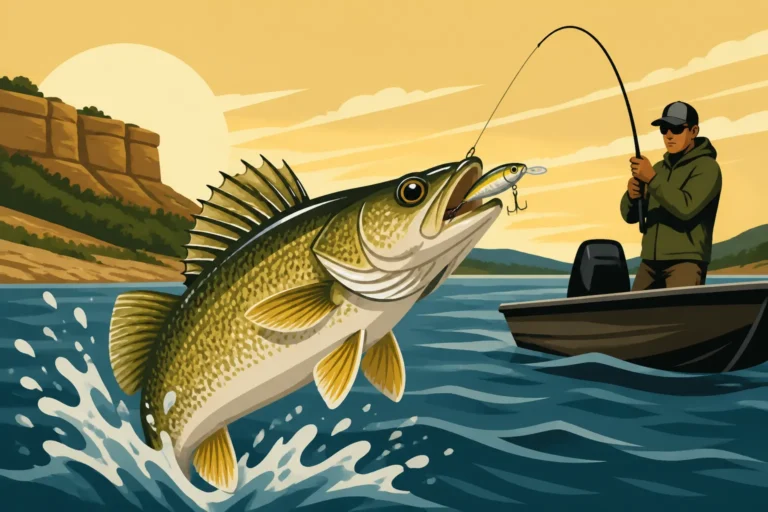
Best Time for Walleye at Milford Lake
Milford Lake is a true gem for Kansas anglers, known far and wide for its impressive walleye population. Yet, many of us hit the water feeling a bit lost, wondering if we've picked the perfect moment to tangle with those toothy critters. It’s frustrating to spend a day casting without a single bite, especially when you know big walleye are lurking. This guide is dedicated to unraveling the mystery of timing your walleye trips at Milford Lake, diving deep into the seasonal shifts, daily rhythms, and tactical adjustments that will significantly boost your chances of success.
Understanding Milford Lake's Walleye Dynamics
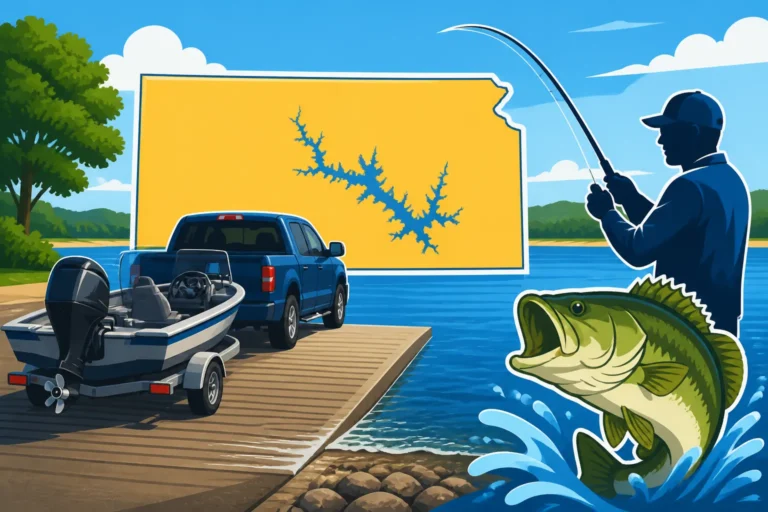
Milford Lake, often touted as the "Walleye Capital of Kansas," offers incredible opportunities for anglers, but consistently catching these elusive fish requires more than just luck. It demands a keen understanding of how the lake's unique characteristics influence walleye behavior throughout the year.
Milford Lake's Unique Ecosystem
As the largest lake in Kansas, Milford Lake provides a diverse habitat that walleye absolutely thrive in. Its vast expanse, covering over 15,000 acres, features everything from rocky points and submerged humps to expansive flats and the deep channels of the Republican River arm. This variety means walleye can be found in different areas depending on the season, water temperature, and forage availability. The lake's clear-to-stained water, particularly in the lower end near the dam, influences how walleye feed, often making low-light conditions or deeper presentations more effective. Knowing where the structure lies, which can be challenging on such a large body of water, is key to locating concentrations of fish. Many anglers find success by studying bathymetric maps and learning to read their electronics, focusing on areas like the old river channel or prominent rock piles that serve as ambush points.
Walleye Behavior Throughout the Year
Walleye are cold-water predators, and their activity levels are heavily dictated by water temperature and their biological drive to spawn and feed. In the colder months, they tend to be lethargic and hold tight to structure, requiring slower presentations. As spring approaches, their metabolism quickens, and they move shallower to prepare for spawning. Post-spawn, they transition into aggressive feeding patterns, often moving to deeper, cooler water during the scorching Kansas summer. Fall sees another surge in feeding activity as they fatten up for winter. Understanding this annual migration and feeding cycle is paramount. It's not just about one "best time," but rather knowing how to adapt your Kansas Walleye Fishing Techniques to what the walleye are doing right now. This yearly cycle is why some anglers swear by spring, while others consistently fill their livewells in the fall.
Prime Walleye Fishing Seasons at Milford Lake
While walleye can be caught year-round, certain seasons offer peak opportunities due to their predictable behaviors related to spawning and feeding.
Spring Spawning Frenzy
Without a doubt, spring is often considered the absolute best time for walleye fishing at Milford Lake. As ice melts and water temperatures climb into the 40s and 50s Fahrenheit, walleye begin their annual migration to rocky areas for spawning. This typically occurs from late March through April, sometimes extending into early May depending on the year's weather. The primary spawning grounds at Milford are the riprap areas along the dam and significant rocky points within the main lake basin. During this period, male walleye often move up first, followed by the larger females.
Anglers targeting these pre-spawn and spawning walleye often have incredible success using vertical jigging presentations with lead head jigs tipped with live minnows or soft plastics, fished slowly along the rocks. Trolling shallow-diving crankbaits parallel to the shoreline in these same areas can also be deadly, especially during low light. The fish are concentrated and aggressive, making them more accessible from both boat and bank. It’s a fast-paced time, but it can also be crowded. If you're looking for an exceptional trip during this period, booking with a seasoned guide through platforms like FishingBooker can give you an edge, as they often know the specific rock formations and timing that produce the biggest bites.
Summer Deep Water Tactics
Once the spawn is over and water temperatures really heat up, Milford Lake's walleye will disperse and typically move to deeper, cooler water. From June through August, you'll often find them holding on submerged humps, deep points, old creek channels, and along the thermocline. While they can be harder to locate due to their spread-out nature, summer still offers fantastic fishing for those willing to adapt.
Effective summer techniques include Trolling for Walleye on Kansas Reservoirs with deep-diving crankbaits (like those from Rapala or Berkley) or spinner rigs tipped with nightcrawlers. Covering large areas and systematically searching for schools of baitfish, which the walleye will be shadowing, is crucial. Jigging spoons or heavy jigs around deep structure, especially during the morning and evening hours, can also be productive. During the heat of the day, walleye can often be found suspended over deep water, sometimes a surprising distance from the bottom, so a good Best Fish Finder for Kansas Reservoirs is indispensable for identifying these suspended schools and the optimal depth. Night fishing can also be a secret weapon in summer, as walleye move shallower to feed under the cover of darkness.
Fall Feeding Blitz
As summer transitions into fall, and water temperatures begin to drop, Milford Lake's walleye enter a robust feeding period. This "fall feeding blitz," typically from September through November, is when they aggressively stock up on fat reserves for the upcoming winter. This season offers some of the most consistent walleye action of the year.
Walleye in the fall often relate to deep main-lake points, humps, and the edges of the river channel, much like in summer, but they tend to be more active and willing to chase baits. Trolling is still a highly effective method, with crankbaits in various sizes and colors, as well as spinner rigs. As the water cools further, don't overlook fishing shallower rocky points, especially during overcast days or later in the afternoon. Vertical jigging spoons or blade baits can also entice strikes from walleye holding tight to structure. This is also a fantastic time for How to Troll for Walleye on Rocky Points, using your electronics to stay on top of contours and submerged cover where walleye ambush baitfish. Fishing with a local guide found on FishingBooker during this prime period can be incredibly rewarding, as their expertise in tracking fall movements can save you a lot of guesswork.
Here's a quick overview of the prime walleye seasons at Milford Lake:
| Season | Typical Months | Key Locations | Primary Techniques | Best Baits/Lures | Notes |
|---|---|---|---|---|---|
| Spring | Late Mar – May | Dam riprap, rocky points, shallow flats | Vertical jigging, trolling | Live minnows, soft plastics, shallow crankbaits | Pre-spawn & spawn concentrations, aggressive fish. |
| Summer | June – August | Deep humps, channel edges, thermocline | Deep trolling, jigging spoons, night fishing | Deep crankbaits, spinner rigs with nightcrawlers, jigs | Walleye dispersed, often deeper, strong low-light bite. |
| Fall | Sep – Nov | Main lake points, channel edges, humps | Trolling, vertical jigging, casting | Crankbaits, spinner rigs, blade baits, jigs | Aggressive feeding, fish fattening up for winter. |
| Winter | Dec – Early Mar | Deep channels, major structure | Vertical jigging, deadsticking | Spoons, blade baits, live minnows | Slower bite, require patience and slow presentations. |
Daily Factors Influencing Walleye Bites
Beyond the seasonal trends, a myriad of daily factors can significantly impact how, when, and where walleye choose to bite at Milford Lake. Ignoring these can lead to frustrating days on the water, even during peak seasons.
Weather and Water Conditions
Walleye are notoriously sensitive to changes in weather and water conditions. Barometric pressure, for instance, plays a huge role. Often, falling or stable barometric pressure leading up to a storm can trigger an aggressive bite as fish feed heavily. Conversely, a sudden cold front with high pressure often puts walleye into a funk, making them less active and prone to holding tighter to cover. Wind can also be your friend or foe. A consistent breeze pushing across a point or flat can create a "walleye chop," stirring up baitfish and disorienting them, which makes walleye more active. However, too much wind can make boat control and presentation difficult.
Water clarity is another crucial factor. In cleaner water, walleye tend to be more light-sensitive and will often retreat to deeper water or become more active during low-light periods. In stained or turbid water, they might be more comfortable feeding throughout the day at shallower depths. Heavy rains can muddy up the lake, especially in the river arms, making it challenging. Sometimes, after heavy rain, the inflowing, slightly dirtier water can attract walleye due to increased forage, creating a temporary hotspot. Paying attention to forecasts and adapting your approach accordingly is part of the challenge and the fun of fishing Milford.
Time of Day and Light Levels
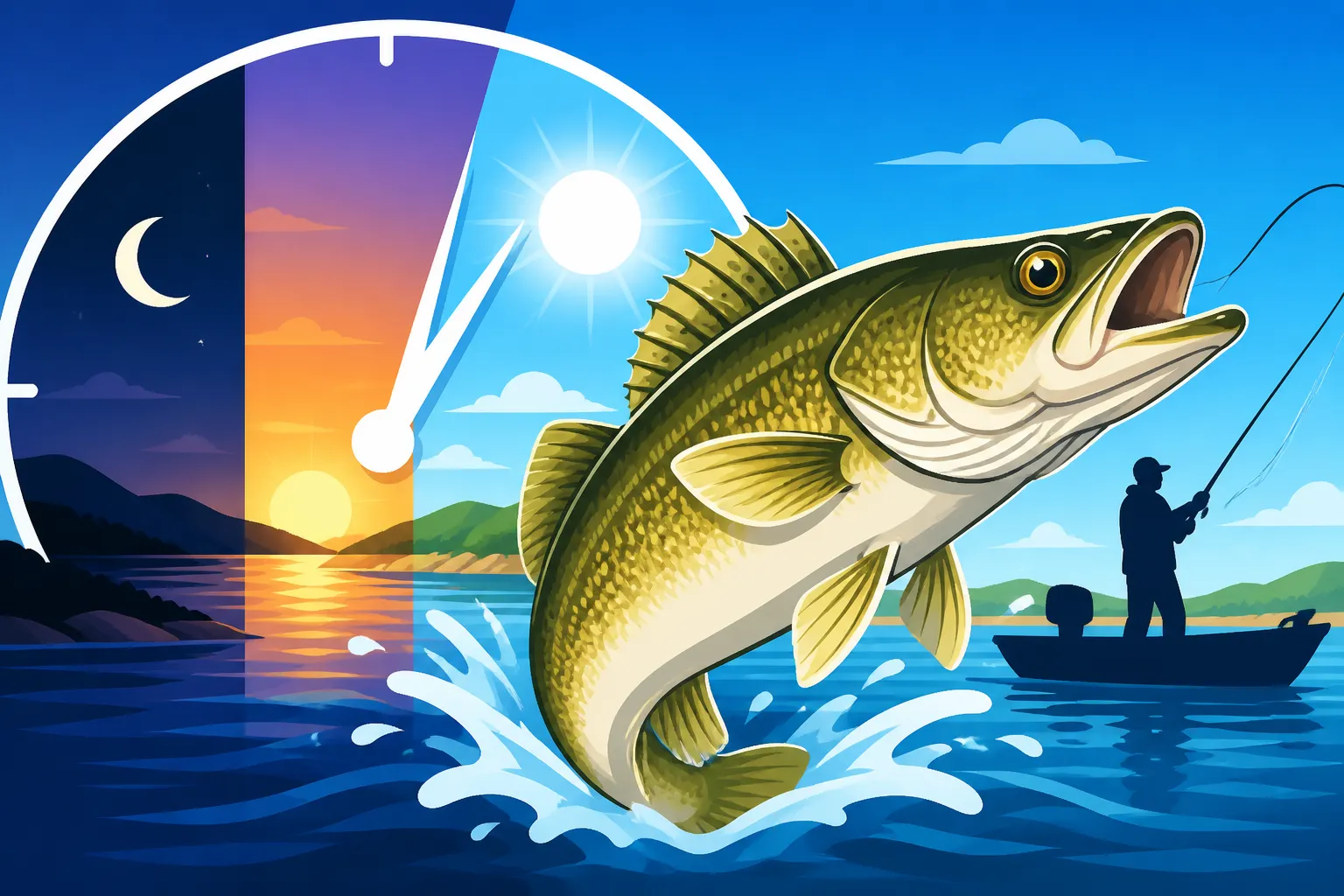
Walleye are primarily crepuscular, meaning they are most active during dawn and dusk. These low-light periods offer them a significant advantage over their prey, which might be less alert or visible. Therefore, if you're asking " Best Time of Day to Catch Walleye at Milford?", the answer almost always includes early morning and late evening. This is when they often move shallower to feed aggressively before retreating to deeper, darker water or thick cover as the sun climbs high.
However, this doesn't mean you can't catch walleye in the middle of the day. On overcast days, or when fishing very deep water or in heavily stained conditions, walleye can remain active throughout the day. Night fishing is also incredibly productive for walleye, especially during the summer months when they move into shallower areas to chase baitfish. A good headlamp and careful navigation are essential for night fishing, but the rewards can be substantial. Remember, these fish are light-sensitive, so using subtle presentations and choosing lures with natural colors can often make a big difference in bright conditions.
Practical Tips for Increasing Your Walleye Success
Knowing when the walleye are most active is only half the battle. To truly maximize your chances at Milford Lake, you need to employ effective tactics, use the right gear, and tap into local wisdom.
Best Baits and Lures for Milford Walleye
The diversity of conditions at Milford Lake means having a versatile tackle box is a must. For spring and fall, live bait like shiners or large minnows are often irresistible, presented on a jig head or a slip-bobber rig. Nightcrawlers, especially when trolled on a bottom bouncer with a spinner rig, are a perennial favorite and effective year-round. For artificials, crankbaits are king, particularly those that can reach various depths. Brands like Rapala, Berkley, and Bandit offer a wide array of colors and diving depths suitable for Milford's walleye. Best Lures for Kansas Walleye often include shad-imitating colors, chrome, firetiger, and natural perch patterns.
Jigs, from 1/8 to 3/8 ounce, tipped with soft plastics (like paddletail swimbaits or grub tails) or live bait, are excellent for vertical jigging over structure or for casting to rocky points. Blade baits and jigging spoons can also be highly effective for tempting deeper, less active walleye, especially in cooler water. Always carry a variety and don't be afraid to experiment until you find what the fish are keying on.
Effective Techniques for Different Depths
Milford Lake's walleye will move through the water column, from mere feet deep during the spawn to 30+ feet during summer. Therefore, mastering various fishing techniques is crucial.
- Shallow Water (Spring/Fall): Casting crankbaits, jigs, or even slip-bobber fishing with live bait near riprap, rocky points, and shallow flats. Think about covering water and fan-casting to locate fish.
- Mid-Depth (Transitional periods, overcast days): Trolling medium-diving crankbaits or pulling spinner rigs along contour lines or subtle changes in depth. This is a great way to search for active fish.
- Deep Water (Summer/Winter): How Deep to Fish for Walleye in Summer often means targeting depths from 15 to 30 feet, sometimes even deeper. Trolling deep-diving crankbaits or bottom bouncers, vertical jigging heavy jigs, spoons, or blade baits directly over deep structure are go-to methods. Pay close attention to your electronics to pinpoint fish and bait schools.
Regardless of depth, presentation speed is critical. Walleye often prefer a slower, more deliberate retrieve, especially when water temperatures are low.
Using Technology and Local Knowledge
In a lake as vast and complex as Milford, leveraging technology and local expertise can make a huge difference. A good quality fish finder is almost non-negotiable for serious walleye anglers. It helps you identify depth, bottom structure, baitfish schools, and even individual walleye. GPS and mapping features allow you to mark productive spots and navigate effectively, especially on a lake as big as Milford Lake Is the Largest Lake in Kansas.
Beyond gadgets, local knowledge is invaluable. Talk to other anglers at the boat ramp, visit local bait shops, and check online fishing forums for recent reports. These resources can provide real-time information on what's biting, where, and on what. If you're new to Milford Lake or short on time, consider hiring a professional fishing guide. Platforms like FishingBooker can help you find experienced local guides who spend hundreds of days on the water and possess an intimate understanding of Milford's ever-changing walleye patterns. They can teach you specific techniques, show you productive spots, and dramatically shorten your learning curve. Don't forget to review the Kansas Walleye Length Limits and Kansas Fishing Seasons Guide before heading out, as regulations can change.
Disclaimer
The information provided in this guide is for general informational purposes only. Fishing conditions, regulations, and fish behavior can change rapidly. Always consult the official Kansas Department of Wildlife, Parks and Tourism (KDWPT) regulations before fishing to ensure compliance with all current laws regarding licenses, limits, and seasons. User discretion is advised.