Cheney Reservoir Crappie and Catfish Spots
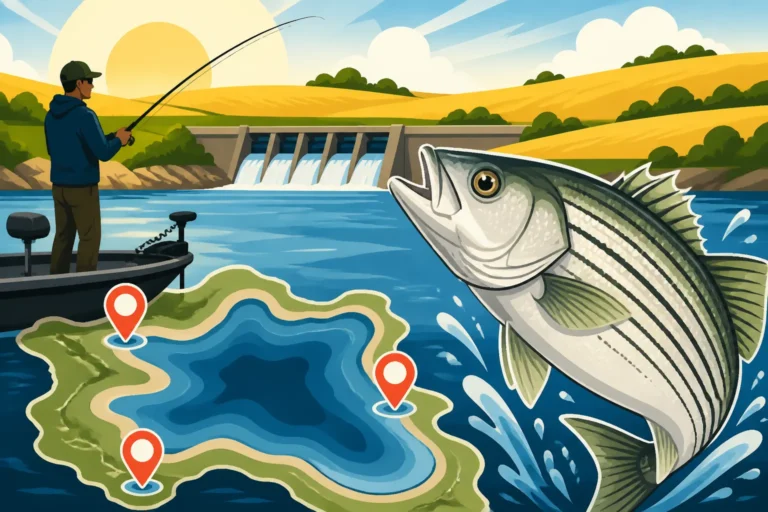
Cheney Reservoir, with its vast open waters and numerous coves, can feel overwhelming when you're trying to pinpoint where the crappie and catfish are hiding. It’s a common frustration for anglers to spend hours searching on such a massive lake, especially when you're targeting specific species that have different preferences. This guide is here to cut through that confusion, offering you precise insights into the best crappie and catfish hotspots on Cheney and the strategies to fish them effectively.
Understanding Cheney Reservoir's Layout for Crappie and Catfish
Cheney Reservoir, located southwest of Wichita, is one of Kansas's largest and most popular fishing destinations. It's a sprawling body of water, over 9,500 acres, known for its incredible sailing and fishing opportunities. Its diverse underwater topography, including old creek channels, flooded timber, rock piles, and points, creates a variety of habitats that appeal to both crappie and catfish. Navigating this vastness requires a little local knowledge, so let's break down what makes certain areas shine for your target species.
The Role of Structure and Depth
Crappie, being ambush predators, absolutely love structure. They congregate around submerged brush piles, standing timber, rock reefs, and deep-water ledges. These spots provide cover from predators and ideal ambush points for baitfish. On Cheney, many of these structures are remnants of the landscape before the reservoir was filled, like old fence lines and creek beds. Knowing where these hidden gems lie beneath the surface is key. Fish finders become your best friend here, helping you locate these unseen underwater features.
Catfish, on the other hand, are often found along the bottom, preferring deeper channels, humps, and areas with softer substrates where they can find an abundance of their prey. They're also drawn to areas with current, especially where tributaries flow into the main lake or near the dam, which concentrates food. The larger species, like blue catfish, are often found in the deepest parts of the reservoir's main channel, while channel catfish might be more widespread, often cruising along flats or shallower coves, particularly at night.
Main Lake vs. Tributary Arms
Cheney Reservoir is fed primarily by the North Fork of the Ninnescah River, creating distinct tributary arms that offer different fishing dynamics. The main lake body, with its expansive open water, tends to hold more migratory fish and can be excellent for chasing schools of white bass or wipers. However, for crappie and catfish, the tributary arms and their associated coves often provide more stable and structured environments.
The upper reaches of the North Fork Ninnescah River arm, for instance, can be fantastic during the spring and fall for both species as they move into shallower waters for spawning or feeding. These areas often have more natural timber and brush, which act as magnets for crappie. The main lake points and deeper humps, especially those close to the old river channels, are often prime targets for larger catfish throughout the year. Understanding this general pattern helps you narrow down your search on such a large body of water.
Prime Crappie Hotspots on Cheney Reservoir
Crappie fishing at Cheney can be incredibly rewarding once you crack the code. These panfish are abundant, delicious, and offer a fun challenge, especially when they school up. Remember that crappie populations are managed carefully, so always check the latest Kansas Crappie Length and Bag Limits before you head out.
Timbered Coves and Brush Piles
One of the most reliable strategies for finding crappie on Cheney is to target timbered coves and areas where brush piles have been placed. These fish are drawn to vertical cover like magnets. Look for coves along the northern and eastern shores, particularly those in the upper half of the lake, away from the wide-open main body. Specific areas like the coves in the Sailboat Cove area or pockets near Smokey Hill can be crappie havens.
When fishing these spots, focus on pitching small jigs or minnows directly into the submerged timber or around the edges of brush piles. The water depth around these structures can vary, but crappie will often suspend at different depths depending on the water temperature and time of year. In spring, they'll push shallower for spawning, often moving into just a few feet of water. As summer heats up, they'll retreat to deeper cover, sometimes 10-20 feet down. Using a sensitive rod will help you detect those subtle crappie bites, which can sometimes feel like just a little extra weight on your line.
Main Lake Points and Deep-Water Ledges
While coves are great, don't overlook main lake points that drop off into deeper water, especially those with some rock or rubble. These points act as highways for crappie moving between shallow and deep water, and they can hold schools of fish, particularly during transitional periods like spring and fall. The points around the main dam or along the long northern peninsula of the lake are often productive.
Deep-water ledges are another excellent option, often overlooked by anglers who stick to the visible shoreline. These ledges can be found by using your boat's fish finder. Crappie will often position themselves just off the break, waiting to ambush baitfish that swim by. Vertical jigging or slow-trolling small crankbaits parallel to these ledges can be highly effective. During the colder months, understanding Kansas Winter Trout Fishing Tips might give you an idea of how fish seek thermal refuge, a principle that applies to crappie retreating to deeper, more stable temperatures.
Top Catfish Haunts on Cheney Reservoir
Cheney Reservoir is renowned for its excellent catfish population, particularly channel catfish, with good numbers of blue catfish and flatheads also present for those who know where to look. They're a favorite among many anglers for their strong fight and delicious fillets. Make sure you're up to speed on the Kansas Catfish Daily Limits before you keep your catch.
River Channels and Creek Inflows
The old river channel of the North Fork Ninnescah, which meanders through the reservoir, is a prime location for all three species of catfish. These deeper channels provide stable habitats and routes for fish movement. Look for areas where the channel bends or where submerged timber has collected along the channel edges. These are natural congregation points for catfish. The further upstream you go into the main tributary arm, the more pronounced the channel becomes, offering excellent drift fishing opportunities.
Creek inflows, especially after a good rain, are also catfish magnets. The inflow brings in fresh oxygen, nutrients, and often stirs up worms and other food items. Look for these areas in the upper reaches of the reservoir, particularly the North Fork Ninnescah arm and where Slate Creek enters the lake on the southern side. Setting up downcurrent from these inflows with a good chunk of cut bait or a potent stink bait can yield fantastic results, particularly for channel cats.
The Dam and Rocky Shorelines
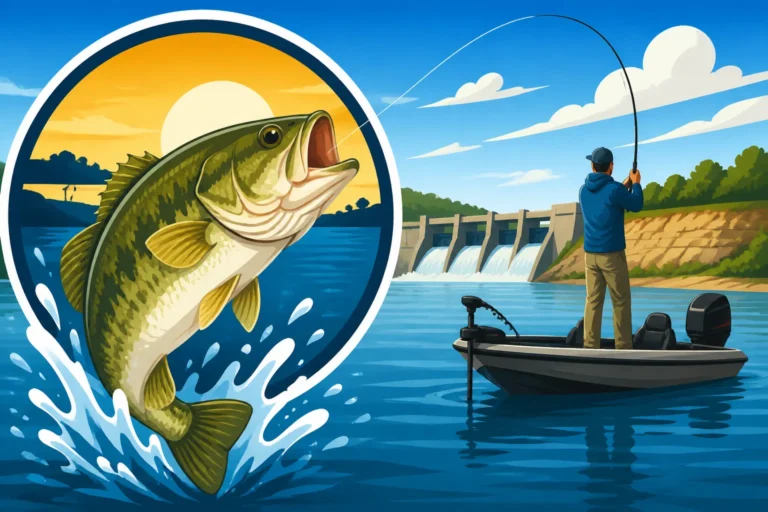
The area around the main dam and its associated rocky shorelines can be another consistent producer for catfish, especially larger blue catfish. The riprap along the dam face provides structure and holds baitfish, and the deeper water here often attracts bigger cats. Fishing the base of the dam or along the riprap with heavy-duty bottom rigs can be very effective, especially during low-light hours or at night.
Rocky shorelines and points, particularly those exposed to prevailing winds, are also worth exploring. The wave action can dislodge food items, making these areas attractive feeding grounds. For flathead catfish, in particular, look for large rock formations, isolated timber, or brush piles in deeper water along these rocky banks. They're often ambush predators, much like crappie, but on a much larger scale, and they prefer live bait. If you're new to fishing, reviewing Kansas Fishing Techniques for Beginners can help you get started with the basics of setting up for these bottom-dwelling giants.
Seasonal Strategies for Catching Crappie and Catfish
The fishing at Cheney Reservoir changes dramatically with the seasons, and understanding these patterns is crucial for consistent success. Both crappie and catfish respond to water temperature fluctuations and seasonal events like spawning.
Spring: The Spawning Frenzy
Spring is arguably one of the best times to target both crappie and catfish at Cheney. As water temperatures rise into the 50s and 60s Fahrenheit, crappie move into shallower coves and flats to spawn. This is when they are most accessible, often found in just a few feet of water around submerged brush, reeds, or timber. Small jigs, minnows under a bobber, or tiny crankbaits are deadly. Check out our detailed Kansas Spring Crappie Fishing Tips for more in-depth advice on this period.
Catfish also become very active in the spring. Channel catfish will move into shallower, muddy areas and creek mouths to feed aggressively before their spawn, which typically occurs later in late spring to early summer when water temperatures hit the mid-70s. Blue catfish and flatheads will also be active, often in deeper water adjacent to these spawning grounds, gorging themselves on baitfish. Drifting cut bait or live perch along the old river channels in the spring can be extremely productive.
Summer: Deeper Waters and Night Moves
As summer temperatures soar, both crappie and catfish tend to move to deeper, more stable waters. Crappie will suspend over deep brush piles or along channel edges, often 15-25 feet down. They can still be caught, but vertical jigging or slow-trolling techniques become more important. Look for them early in the morning, late in the evening, or even at night around lighted docks, if permitted.
Catfish, especially channel catfish, are fantastic targets for night fishing during the summer months. They cruise shallower flats and shoreline areas under the cover of darkness, making them accessible from the bank or boat. For specific advice on nocturnal angling, our Kansas Summer Catfish Fishing Tips article can be a real game-changer. During the day, larger blue catfish and flatheads will often be found in the deepest parts of the main lake channel or around the dam. Using fresh cut bait or a whole shad on a Carolina rig near these deep structures is often the ticket.
Fall: The Feeding Frenzy Returns
Fall sees a reverse of the spring migration. As water temperatures begin to cool, crappie and catfish again become very active, feeding heavily to build up reserves for winter. Crappie will move back to shallower points and brush piles, often following schools of baitfish. This can be a fantastic time for both numbers and size.
Catfish will similarly be on the prowl, often found in transitional areas between deep channels and shallower flats. They'll respond well to a variety of baits, and actively seeking out schools of baitfish with your fish finder can lead you directly to hungry cats. This is a great time to experiment with different baits; for instance, learning about the Best Bait for Kansas Catfish can give you an edge in these feeding sprees.
| Species | Preferred Habitat (General) | Prime Season (Activity) | Best Baits/Lures | Typical Depths (Summer) |
|---|---|---|---|---|
| Crappie | Submerged timber, brush piles, rock ledges | Spring, Fall | Minnows, Jigs, Small Crankbaits | 10-25 feet |
| Catfish | River channels, creek mouths, dam riprap | Spring, Summer (night) | Cut Bait, Stink Bait, Live Bait | 15-40 feet |
Essential Gear and Techniques for Success at Cheney
Having the right gear and knowing how to use it can significantly increase your chances of success at Cheney Reservoir. You don't need a boatload of expensive equipment, but some specialized tackle will certainly make a difference.
Crappie Gear and Techniques
For crappie, a light to ultralight spinning rod (5-7 feet long) paired with a small spinning reel spooled with 4-6 lb monofilament or fluorocarbon line is ideal. This setup allows for sensitive feel to detect subtle bites and provides enough backbone to land good-sized crappie.
- Jigging: Small lead-head jigs (1/16 to 1/8 oz) tipped with soft plastic bodies (grubs, tubes, swimbaits) or live minnows are classic crappie producers. Vary your retrieve speed and depth until you find what the fish prefer. Vertical jigging directly over brush piles is a go-to technique.
- Bobber Fishing: A slip bobber rig with a minnow or small jig can be highly effective, allowing you to present your bait at a precise depth near structure.
- Trolling: For covering more water, slow-trolling with multiple rods rigged with small crankbaits or jigs can locate scattered schools of crappie, especially over deeper flats or along channel edges. Our guide on Kansas Crappie Fishing Techniques offers even more strategies.
If you're looking to learn directly from a pro on Cheney, sometimes the best approach is to hire a guide. Many excellent guides who specialize in crappie fishing list their services on platforms like FishingBooker, offering invaluable insights into current patterns and hotspots.
Catfish Gear and Techniques
Catfishing calls for heavier tackle than crappie fishing. A medium-heavy to heavy action spinning or baitcasting rod (7-10 feet) with a reel spooled with 15-30 lb monofilament or braided line is a good starting point. You'll need this power to handle the strong runs of a large catfish and to lift them out of cover.
- Bottom Fishing: The most common and effective method. Use a Santee Cooper rig or a Carolina rig with a 1-3 oz egg sinker, a swivel, and an 8-12 inch leader tied to a stout circle hook (sizes 2/0 to 8/0, depending on target size).
- Bait Selection: For channel catfish, stink baits, prepared baits, cut shad, chicken livers, and nightcrawlers are excellent choices. Blue catfish often prefer fresh cut bait, particularly shad or carp. Flatheads are picky and overwhelmingly prefer live bait like sunfish or small perch. Our article on the Best Bait for Kansas Catfish has a comprehensive list.
- Drift Fishing: For covering river channels and large flats, drift fishing with cut bait or worms can be very effective, especially from a boat. Let your bait tumble naturally along the bottom.
- Jug Fishing/Trotlines: If allowed by Kansas Fishing Regulations Explained, jug fishing and trotlines can be highly productive methods for catfish, especially for those looking to harvest a good number of fish. Remember to adhere to all tagging and checking requirements. For a deeper dive into these methods, see our guide on Kansas Trotline and Jug Fishing Rules.
Remember, safety on the water is paramount. Always tell someone where you're going and when you expect to return, especially if you're venturing out alone. And consider using a service like FishingBooker to connect with a reputable guide who knows Cheney inside and out, especially if you're targeting those elusive trophy flatheads. They can provide the boat, gear, and expertise to make your trip a success.
Disclaimer
Fishing conditions and regulations in Kansas can change. Always check the latest updates from the Kansas Department of Wildlife and Parks (KDWP) before heading out. This guide is for informational purposes only and does not guarantee fishing success.