Closest Fishing Lake to Wichita
It’s a common frustration for anglers living in or around Wichita: you wake up with that undeniable urge to hit the water, but where’s the closest, best spot to cast a line without spending half your day driving? Navigating the options can be tricky, especially when you're looking for quality fishing, not just any puddle. This comprehensive guide is here to pinpoint the absolute closest major fishing lake to Wichita and provide all the details you need to make your next fishing trip a success.
Identifying the Closest Major Fishing Lake to Wichita
When you're itching to get out on the water, distance really matters. Nobody wants to spend hours in the car, burning expensive gas, only to find themselves tired before they even make their first cast. For many in Wichita, the quest for the "closest" fishing lake isn't just about miles on the odometer; it's about maximizing time on the water and minimizing the logistical headache.
Defining "Closest" for Anglers
"Closest" can mean different things to different people. For some, it's strictly about the shortest drive time, regardless of the size or quality of the fishery. For others, "closest" implies the nearest significant body of water that offers a diverse and robust fishing experience, even if it adds an extra 10-15 minutes to the drive. If you just want to get a line wet, there are smaller community ponds right within the city limits, but they often lack the species diversity, size, and wild feel of a larger reservoir. When most anglers in Wichita talk about their closest fishing lake, they're usually referring to a substantial reservoir that provides ample space, numerous species, and a true outdoor escape.
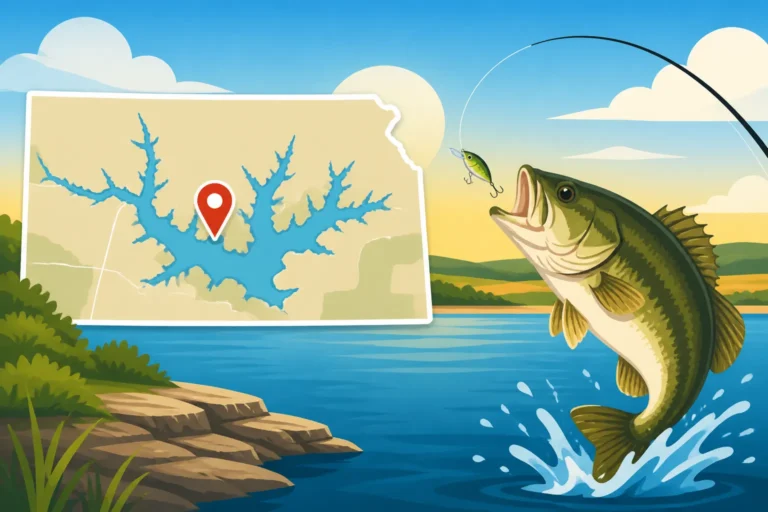
From a practical standpoint, considering overall travel time, public access, and fishing opportunities, one major lake consistently stands out as the go-to for Wichita-area anglers: Cheney Reservoir. It strikes an excellent balance, offering big-lake fishing experiences without the multi-hour drive often associated with Kansas's larger reservoirs like Milford Lake or Wilson Lake.
The Contenders: A Look at Nearby Options
While Cheney Reservoir is generally considered the closest major option, it’s worth briefly touching on other nearby bodies of water. Wichita is fortunate to have several smaller community fishing lakes and urban ponds managed by the Kansas Department of Wildlife, Parks and Tourism (KDWPT) that are literally minutes away. These include places like Watson Park, O.J. Watson Park, and the numerous small ponds within various city parks. These are fantastic for a quick trip, especially with kids, and are regularly stocked with species like channel catfish, trout (seasonally), and various panfish. However, they are typically smaller, can experience heavier fishing pressure, and don't offer the same expansive water or trophy potential as a large reservoir.
For those willing to drive a bit further, but still within a reasonable reach, there are other excellent options like El Dorado Lake to the northeast or Marion Reservoir to the north. However, when comparing pure driving distance and travel time from central Wichita, Cheney Reservoir consistently comes out on top as the most accessible large fishery, making it a prime spot for both spontaneous and planned fishing excursions. For serious anglers looking to explore various Kansas waters, consulting a comprehensive guide like Best Fishing Lakes in Kansas can offer a broader perspective.
Why Cheney Reservoir is a Top Pick for Wichita Anglers
Cheney Reservoir isn't just the closest; it's a fantastic fishery in its own right, making it a perennial favorite for locals. Its sheer size, diverse fish populations, and array of recreational amenities combine to create an ideal fishing destination that keeps anglers coming back time and again.
Geographical Proximity and Travel Convenience
Located approximately 25-30 miles west-southwest of Wichita, Cheney Reservoir offers an incredibly convenient commute for most residents. Depending on your exact starting point in Wichita, you can often be launching your boat or casting from the bank in about 30-45 minutes. This relatively short travel time is a huge advantage, especially for those who can only squeeze in a half-day trip or want to avoid the long drives associated with other premier Kansas fishing spots. The easy access means less time on the highway and more time doing what you love: fishing! It also makes it feasible for early morning starts without needing to wake up in the middle of the night.
Diverse Fishing Opportunities and Healthy Fish Populations
Cheney Reservoir is renowned for its diverse and robust fish populations. It's truly a multi-species lake, offering something for every type of angler. The lake is particularly famous for its walleye fishing, with healthy numbers and the potential for trophy-sized fish. Anglers frequently target them around the dam, rocky points, and submerged humps, especially during spring and fall. Beyond walleye, Cheney is also a prime location for wipers (hybrid striped bass), a hard-fighting species that provides thrilling action. The reservoir also boasts excellent populations of white bass, channel catfish, flathead catfish, and a good mix of crappie and other panfish. This variety means you can switch up your target species depending on the season, weather, or simply your personal preference, ensuring that every trip holds new possibilities. For more detailed information on species, check out a guide like Kansas Fish Species Guide.
Amenities and Recreational Activities Beyond Fishing
Cheney Reservoir State Park and the surrounding areas offer much more than just fishing. This makes it an ideal destination for family outings or for anglers who enjoy combining their fishing trips with other outdoor pursuits. The park provides extensive camping facilities, from primitive sites to those with full hookups, allowing for extended stays. There are also designated swimming beaches, picnic areas, hiking trails, and sailing opportunities. The lake's vast open water is a major draw for sailors, making it a vibrant and active spot during the warmer months. These additional amenities mean that even non-fishing companions can find plenty to do, turning a solo fishing trip into a full-fledged family adventure.
Navigating Cheney Reservoir: Access and Amenities
Once you’ve decided to head to Cheney, understanding how to access the lake and what amenities are available will make your trip smooth and enjoyable. From boat ramps to bait shops, planning ahead can save you time and hassle.
Public Access Points and Boat Ramps
Cheney Reservoir offers numerous public access points spread across its extensive shoreline, ensuring that anglers can find a spot regardless of whether they're fishing from a boat or the bank. The state park manages several well-maintained boat ramps, including those at Cheney State Park Marina, the West Shore Area, and the East Shore Area. These ramps are generally accessible for various boat sizes, from small fishing boats to larger cruisers. Finding a suitable launch can be explored further in guides like Best Boat Ramps on Kansas Reservoirs.
For bank anglers, there are miles of shoreline available, with many popular spots found near the dam, along rocky points, and within protected coves. The state park areas provide parking and easy access to these shoreline spots. While some areas are more rugged, others offer mowed access paths, making it easier for anglers of all mobility levels.
Camping, Lodging, and Supplies Nearby
For those looking to extend their fishing adventure, Cheney State Park provides a wide range of camping options. You can find everything from basic tent sites to RV sites with electric and water hookups. Many sites offer beautiful lake views and direct access to fishing areas. Reservations, especially during peak season, are highly recommended and can be made through the KDWPT website. If camping isn't your style, nearby towns like Cheney and Goddard offer limited lodging options, though Wichita itself, being so close, has a full complement of hotels and motels.
When it comes to supplies, you'll find bait and tackle shops conveniently located near the lake and within the surrounding communities. These local shops are invaluable for picking up last-minute essentials, getting a local fishing report, or finding specialized bait that’s working well on Cheney. Always check their operating hours before heading out, especially if you plan an early morning start. If you’re looking for a guided trip, platforms like FishingBooker can help connect you with local guides who specialize in Cheney Reservoir, offering a hassle-free way to experience the best of what the lake has to offer without needing all your own gear or extensive local knowledge.
Local Regulations and Permits
Fishing at Cheney Reservoir, like all public waters in Kansas, requires adherence to KDWPT regulations. This means you'll need a valid Kansas Fishing License Guide if you are between the ages of 16 and 74, or if you don't qualify for one of the specific Kansas Fishing License Exemptions. Additionally, if you plan to access the State Park areas, a Kansas State Park Vehicle Permit is often required, which can be purchased annually or as a daily pass. It’s crucial to familiarize yourself with the specific length and creel limits for each species you plan to target, as these can vary. For example, Kansas Walleye Length Limits and Kansas Crappie Length and Bag Limits are important to know. The KDWPT website or a physical copy of the Kansas Fishing Regulations Summary are your best resources for the most up-to-date rules. Ignoring these regulations can lead to fines and penalties, so it's always better to be informed.
Targeting Popular Fish Species at Cheney Reservoir
Cheney Reservoir truly shines with its diverse sportfish populations. Knowing what to target and how to approach these species can significantly increase your chances of success and make your trip to this popular lake even more rewarding.
Walleye Fishing Strategies
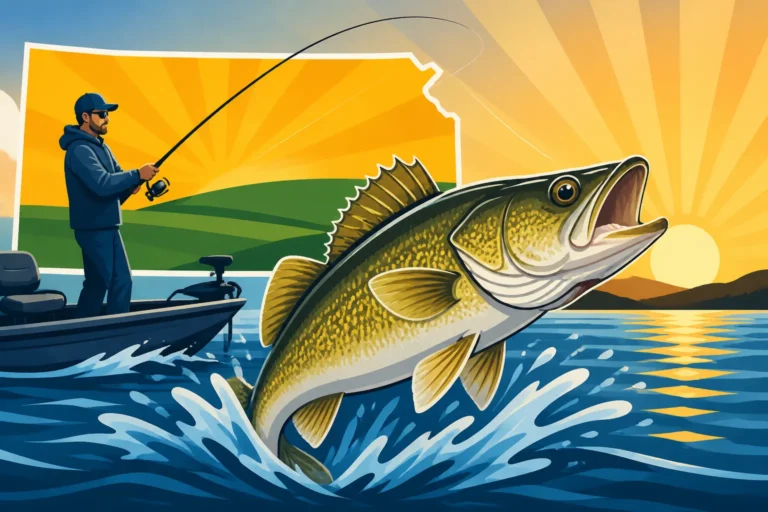
Cheney Reservoir is arguably one of the best walleye lakes in Kansas. Anglers flock here to chase these elusive, yet delicious, predators. The walleye population thrives due to consistent stocking and a fertile environment.
- Spring: As the water warms, walleye move into shallower, rocky areas to spawn. This is a prime time for casting crankbaits, jerkbaits, or slowly trolling stickbaits along rocky points and rip-rap areas, especially near the dam. Early mornings and evenings are often the most productive. Focus on depths of 5-15 feet.
- Summer: During the warmer months, walleye tend to move deeper to find cooler water. Trolling crawler harnesses or deep-diving crankbaits over submerged humps, creek channels, and main lake points becomes highly effective. Using a good fish finder to locate schools of baitfish, like shad, will be key, as walleye will often be nearby. Night fishing for walleye can also be very productive in the summer, especially under lights.
- Fall: As water temperatures drop, walleye become more active and aggressively feed in preparation for winter. They can often be found shallower again, similar to spring patterns. Trolling or casting lipless crankbaits and jigs tipped with live minnows near structure are excellent tactics.
You can learn more about specific techniques in a guide dedicated to Kansas Walleye Fishing Techniques. Many local guides on FishingBooker specialize in walleye, offering trips that provide expert insight into the lake's patterns.
Wiper and White Bass Tactics
Wipers (hybrid striped bass) and white bass are known for their hard-hitting strikes and tenacious fights, making them favorites for many Cheney anglers. These species are often found in open water, chasing schools of baitfish.
- Locating Schools: The key to catching wipers and white bass is finding their food source. Look for birds diving, surface boils, or use your fish finder to locate large schools of shad in the open water. Windblown points and main lake humps can also be productive.
- Best Lures: When they are schooling, almost any fast-moving lure can work. Chrome or white Kastmasters, Rat-L-Traps, slab spoons, and chartreuse or white curly-tail grubs are incredibly effective. Trolling large crankbaits can also draw strikes from bigger wipers.
- White Bass Runs: During the spring, white bass will make their spawning runs up tributary rivers feeding into Cheney, like the Ninnescah River. This can be an incredible time for shore anglers, offering fast-paced action with light tackle. Similar runs can occur in the fall, though often less pronounced. For more on this exhilarating phenomenon, check out Kansas White Bass Run Timing.
Catfish and Crappie Hotspots
Cheney Reservoir provides excellent opportunities for both catfish and crappie, offering different experiences for anglers.
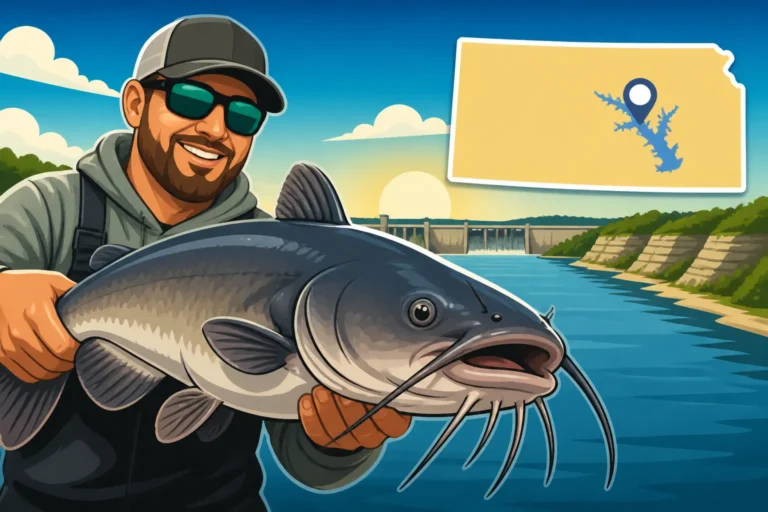
- Catfish: Channel catfish are abundant throughout Cheney. They can be caught year-round, often found in coves, creek channels, and around submerged brush. Stink bait, cut bait, worms, and prepared baits are all highly effective. For trophy flathead catfish, target deeper areas with live bait such as bluegill or shad, especially near fallen timber or rock piles. Night fishing is particularly good for flatheads. Understanding Kansas Catfish Fishing Techniques can give you a significant edge.
- Crappie: Both white and black crappie inhabit Cheney, though white crappie are more common. Crappie tend to congregate around submerged brush piles, standing timber, and bridge pilings.
- Spring: Look for crappie moving into shallower, warmer waters to spawn. Small jigs (1/16 to 1/8 oz) tipped with a minnow or soft plastic grub fished under a bobber near submerged cover are deadly.
- Later Seasons: As the water warms, crappie will move to deeper structures. Vertical jigging or slow trolling small crankbaits or minnows over brush piles and along drop-offs can be very productive. Guides specializing in Kansas Crappie Fishing Techniques often know the exact locations of submerged brush piles.
This diverse fishery means that whether you're after a challenging fight with a wiper, a delicious walleye dinner, or a cooler full of crappie and catfish, Cheney Reservoir offers a prime angling experience close to home for Wichita residents.
Summary of Cheney Reservoir Fishing Opportunities
To help you visualize the opportunities, here's a quick overview of Cheney Reservoir's main draws for anglers:
| Species | Best Seasons | Common Baits/Lures | Key Locations | Notable Features |
|---|---|---|---|---|
| Walleye | Spring (spawn), Fall (feeding frenzy), Summer (deep) | Crankbaits, Jerkbaits, Crawler Harnesses, Jigs | Rocky points, Dam, Submerged humps, Creek channels | Excellent for table fare; trophy potential |
| Wiper | Summer (schooling), Fall (active) | Kastmasters, Rat-L-Traps, Slab Spoons, Trolling Crankbaits | Open water, Windblown points, Dam outflow | Hard fighters; chase baitfish |
| White Bass | Spring (river runs), Summer (schooling) | Small jigs, Spoons, Inline spinners, Grubs | Tributary rivers, Open water, Surface boils | Fast action; great for beginners |
| Channel Catfish | Spring, Summer, Fall | Stink bait, Cut bait, Worms, Prepared baits | Coves, Creek channels, Shallow flats, Brush piles | Abundant, easy to catch; good eating |
| Flathead Catfish | Summer (night fishing) | Live bluegill/shad | Deep holes, Log jams, Rock piles, Submerged timber | Trophy potential; strong fighters |
| Crappie | Spring (spawn), Fall, Winter | Small jigs, Minnows, Small crankbaits | Brush piles, Standing timber, Bridge pilings, Coves | Great for numbers; popular panfish |
Disclaimer
The information provided in this guide is for general informational purposes only. Fishing regulations, license requirements, and fish populations can change. Always consult the official Kansas Department of Wildlife, Parks and Tourism (KDWPT) website or their current fishing regulations summary for the most up-to-date and accurate information before planning your fishing trip. Ensure you have all necessary licenses and permits.