Best Kansas Lake for Blue Catfish
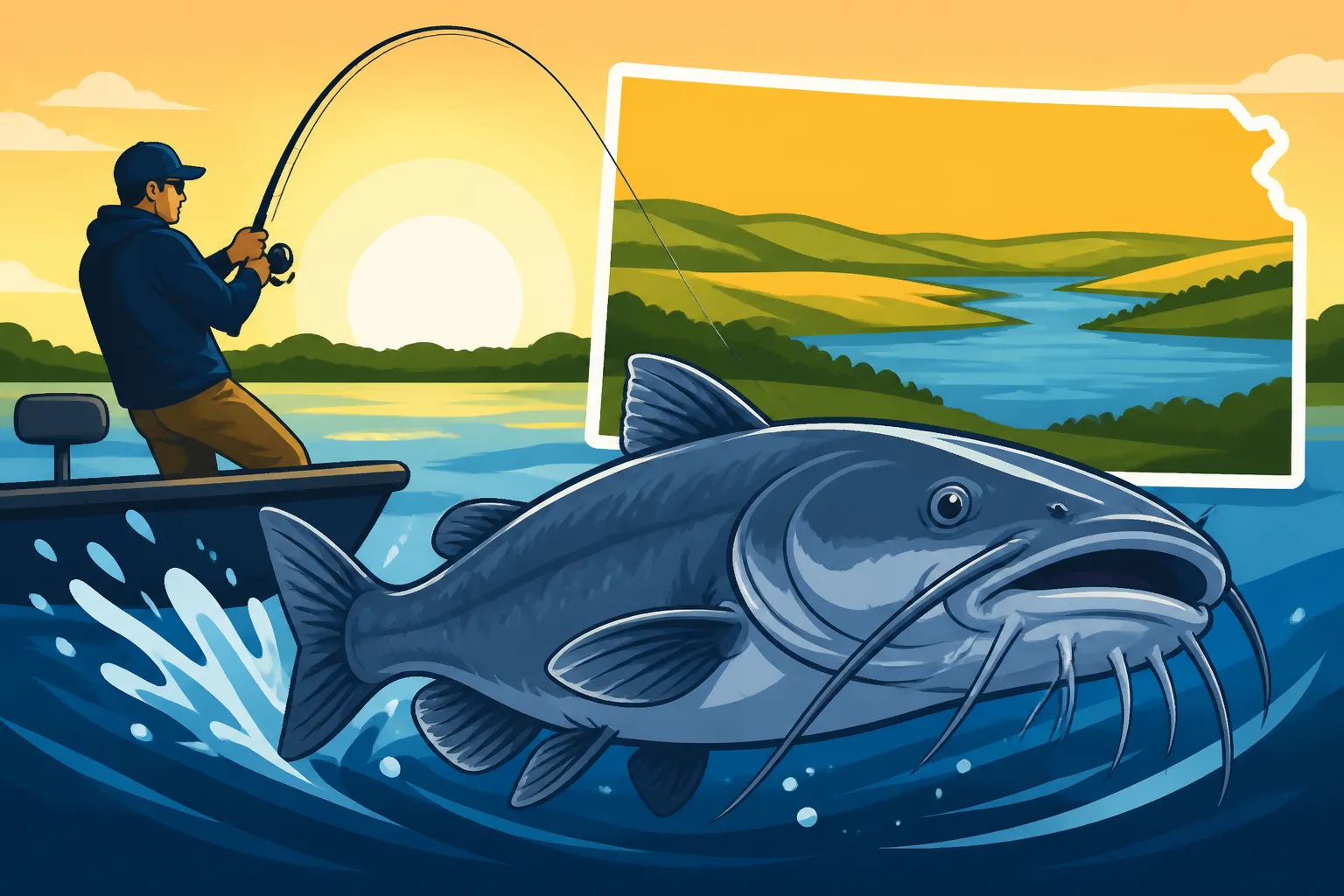
Finding that perfect fishing spot where you can consistently hook into a monster blue catfish in Kansas can feel like an endless quest. Many anglers spend countless hours scouring maps, reading forums, and trying different lakes, only to come up short on landing those truly impressive specimens. This guide is here to cut through the noise, providing you with a definitive look at the best Kansas lakes for blue catfish, detailing what makes them special, and how you can maximize your chances for a successful trip.
Understanding Kansas Blue Catfish
Blue catfish are a magnificent species, renowned for their incredible size and fighting prowess. For many Kansas anglers, landing a truly large blue cat is a bucket-list achievement, and for good reason – these fish can grow to astounding proportions, offering a thrilling challenge on the other end of the line.
Blue Catfish Characteristics and Habitat Preferences
Blue catfish, Ictalurus furcatus, are easily distinguishable from their channel and flathead cousins. They typically have a bluish-gray body, often lighter on the belly, and a deeply forked tail, hence their scientific name. Unlike flatheads, which have a flat, wide head, blue cats have a more rounded head, and their anal fin is long and straight along the bottom, distinguishing them from the shorter, rounded anal fin of a channel catfish. Their smooth skin, lacking scales, is another classic catfish trait.
These leviathans of the deep prefer large, flowing river systems and vast reservoirs with strong currents and deep channels. In Kansas, where many of our major lakes are dammed rivers, this makes our reservoirs prime habitat. They thrive in areas with abundant forage fish like shad, which form the cornerstone of their diet. You'll often find them congregating in the deeper sections of lakes, near old river channels, humps, ledges, and submerged timber, especially where current is present. They are less structure-oriented than flatheads, often suspending in open water over deep flats or along main lake channels, following schools of baitfish. Knowing these habitat preferences is key to understanding why certain lakes shine for them.
Why Blue Catfish Are a Top Target for Anglers
For anglers in Kansas, blue catfish represent the ultimate challenge in freshwater fishing. Their sheer size potential is what draws most people in; Kansas has a state record blue catfish that weighed over 100 pounds, caught right here in our waters! Imagine reeling in a fish that big – it's an experience that leaves you with aching arms and stories for a lifetime.
Beyond their size, blue catfish are powerful fighters. Once hooked, they pull hard, make long runs, and test your tackle and your stamina. They're not just a passive fish you leave a line out for; actively pursuing them can be a demanding and incredibly rewarding endeavor. Furthermore, blue catfish are excellent table fare, especially the smaller "eater" blues, typically those under 10 pounds. Their firm, white, flaky meat is prized by many, making them a dual-purpose fish for both sport and supper. The combination of potential for a trophy, an intense fight, and delicious fillets makes them a consistently popular target. For more on distinguishing between different species, check out our guide on the Kansas Catfish Species Guide.
The Top Kansas Lakes for Blue Catfish
When it comes to consistently producing big blue catfish, a few Kansas lakes stand head and shoulders above the rest. These aren't just good lakes for catfish in general; they are specifically known for their healthy populations and the potential for true trophy-sized blue cats.
Milford Lake: Kansas's Blue Catfish Powerhouse
Without a doubt, Milford Lake, near Junction City, holds the crown as the premier blue catfish destination in Kansas. As the largest lake in Kansas, spanning over 15,700 acres, it offers an expansive and diverse habitat that blue cats absolutely adore. The lake is essentially the impoundment of the Republican River, providing a vast river channel, numerous deep points, humps, and expansive flats where baitfish congregate. This abundance of forage, primarily gizzard shad, fuels the incredible growth of Milford's blue cat population.
Anglers consistently pull trophy blue cats from Milford, with fish in the 30-60 pound range being fairly common, and larger specimens caught every year. The lake's deep, clear waters in many areas, coupled with the constant flow from the river, create an ideal environment. Key areas to target include the main river channel that winds through the lake, especially near the dam, and prominent points or submerged structures where current is concentrated. The areas around Milford Lake State Park and other public access points provide great opportunities. For a more detailed look at this fantastic fishery, our Milford Lake Fishing Guide offers extensive information.
Tuttle Creek Lake: A River System's Bounty
Just north of Manhattan, Tuttle Creek Lake is another behemoth, formed by the damming of the Big Blue River and Fancy Creek. While often lauded for its incredible flathead and channel catfish populations, Tuttle Creek is also a dark horse for colossal blue catfish, especially in its lower, deeper sections. The lake's connection to a robust river system means a continuous influx of nutrients and a strong current that blue cats thrive in.
Tuttle Creek is known for its strong currents, especially below the dam and in the main river channel within the lake. These currents churn up the water, creating oxygen-rich environments and concentrating baitfish, which blue cats eagerly exploit. Anglers targeting blue cats here often focus on the deepest parts of the old river channel, steep breaks, and areas where structure creates eddies. The abundance of shad in Tuttle Creek is a major factor in the growth and health of its blue catfish. While perhaps not as widely publicized for blue cats as Milford, dedicated anglers who understand the nuances of this riverine lake can find truly massive blues here. We have specific insights on Tuttle Creek Lake Catfish Fishing that can help you plan your visit.
Cheney Reservoir: Southern Kansas's Big Blue Potential
Venturing south, Cheney Reservoir, located west of Wichita, offers another fantastic opportunity for blue catfish enthusiasts. While smaller than Milford or Tuttle Creek, Cheney is a significant lake known for its productive waters and diverse fishery. It's often celebrated for its walleye and wiper populations, but don't sleep on its blue cat potential. The lake's robust shad population provides an excellent food source, allowing blue catfish to grow to respectable sizes, often in the 20-40 pound class.
Cheney's blue catfish can be found patrolling the deeper basin areas, especially near the main dam, and along the old Ninnescah River channel that runs through the lakebed. During warmer months, they might move shallower to feed during low light, but their preference for deeper, open water remains consistent. The sheer volume of water and the healthy ecosystem here contribute to a strong, growing blue cat population. While perhaps not yielding the 100-pound giants seen in the state record, Cheney offers a more accessible and consistent blue cat fishery for many southern Kansas anglers. For general information on the lake, our Cheney Reservoir Fishing Guide is a great resource.
Here's a quick comparison of these top blue catfish spots:
| Lake Name | Primary Rivers/Inflows | Lake Size (Acres) | Key Blue Catfish Areas | Average Trophy Size (lbs) | Best Season(s) |
|---|---|---|---|---|---|
| Milford Lake | Republican River | 15,700+ | Main river channel, dam area, deep points | 30-60+ | Spring, Summer, Fall |
| Tuttle Creek Lake | Big Blue River, Fancy Creek | 12,500+ | Old river channels, deep breaks, below the dam | 20-50+ | Spring, Summer, Fall |
| Cheney Reservoir | Ninnescah River | 9,500+ | Deeper basin, old river channel, dam area | 20-40+ | Spring, Summer, Fall |
Essential Blue Catfish Fishing Techniques and Gear
Catching large blue catfish is rarely a matter of luck; it's often a blend of knowledge, patience, and the right approach. Understanding the specific techniques and arming yourself with appropriate gear will significantly increase your chances of success.
Best Baits and Rigs for Trophy Blues
Blue catfish are primarily scavengers and opportunistic predators, making fresh cut bait their absolute favorite. Unlike flatheads that prefer live bait, blue cats are drawn to the scent trail of fresh, bloody offerings. Your best bet for a trophy blue is often fresh-cut shad, either gizzard shad or threadfin shad, if available. Other excellent options include fresh drum, carp, or even prepared commercial stink baits designed for catfish, although natural baits usually outcompete them for the biggest fish. Avoid frozen or old bait; freshness is paramount.
When it comes to rigging, a classic Carolina Rig or a Santee Cooper Rig is highly effective. For the Carolina Rig, thread an egg sinker (1-4 ounces depending on current and depth) onto your main line, followed by a bead (to protect the knot), and then tie on a heavy-duty swivel. To the other end of the swivel, attach a leader line (24-48 inches of strong monofilament or fluorocarbon, 50-80 lb test) and finally a sharp, strong circle hook (8/0 to 10/0). Circle hooks are fantastic because they usually hook the fish in the corner of the mouth, minimizing harm if you plan to release them and making hook sets less critical – just let the fish take it and apply steady pressure. The Santee Cooper Rig adds a small float on the leader above the hook, lifting your bait slightly off the bottom, making it more visible and keeping it out of the muck. Our Best Bait for Kansas Catfish guide delves deeper into these options.
Locating Blue Catfish in Large Reservoirs
Locating blue catfish in vast bodies of water like Milford or Tuttle Creek can be daunting, but understanding their behavior simplifies the search. As mentioned, they are often found in or near the main lake's river channels, especially where there's current. Look for deep holes, channel swings, humps, and ledges that drop off into deeper water. During warmer months, they might move up onto shallower flats adjacent to these deep areas to feed during low light, but they generally retreat to the cool, stable depths as the sun rises.
Fish finders with good side-imaging and down-imaging capabilities are invaluable tools. They help you identify baitfish schools, which are a major indicator of where blue cats might be lurking. If you see large schools of shad, chances are there are predators nearby. Pay attention to temperature breaks and oxygen levels in the water column as well; blue cats prefer well-oxygenated water. Don't be afraid to drift fish large areas, covering a lot of water until you find where the fish are holding. This is particularly effective on large, open flats. If you’re fishing a new spot or just starting out, consider an experienced local guide through a service like FishingBooker, as they can quickly put you on the fish.
Recommended Gear for Blue Catfish Anglers
To tackle big blue catfish, you need gear that can handle the abuse. Heavy-duty conventional or spinning rods, typically 7-9 feet long with a medium-heavy to heavy power, are essential. You want a rod with enough backbone to turn a large fish but enough sensitivity to detect subtle bites. Pair this with a robust reel, either a baitcasting reel designed for heavy saltwater use or a large spinning reel, capable of holding 200+ yards of 20-40 pound monofilament or 50-80 pound braided line. Braided line offers superior sensitivity and strength, crucial for feeling those light bites in deep water and muscling big fish out of cover.
Your terminal tackle needs to be equally tough. Use strong swivels, heavy-duty snaps, and, as mentioned, large, sharp circle hooks. Don't skimp on quality here; a cheap hook or weak swivel can cost you the fish of a lifetime. A sturdy rod holder is also a must, as these fish can hit hard and try to pull your rod right out of your boat or off the bank. Lastly, a large, durable landing net or a heavy-duty gaff (if you plan to keep the fish and are experienced in its use) is essential for safely bringing big blues into the boat. For specific recommendations, check out our guide on the Best Rod and Reel Combo for Catfish.
Planning Your Blue Catfish Trip
A successful blue catfish trip often boils down to good planning, knowing when to go, and utilizing available resources. It's not just about showing up at the lake; it's about timing your visit and making smart choices.
When to Target Blue Catfish for Best Results
While blue catfish can be caught year-round in Kansas, certain seasons offer better opportunities for targeting trophy fish. Spring and fall are often considered prime times. In the spring, as water temperatures begin to rise (typically in the 50s and 60s Fahrenheit), blue cats become very active, moving shallower to feed heavily before the spawn. This is a fantastic time for both numbers and size. In the fall, as water temperatures cool down, they go on another feeding binge, packing on weight for the winter, making them aggressive and willing to bite.
Summer can also be productive, especially during periods of low light like dawn, dusk, or through the night. During the peak heat of summer, blue cats tend to move to the deepest, coolest, and most oxygenated parts of the lake during the day. This might mean fishing the main river channel at depths of 30-50 feet or more. Winter fishing, particularly ice fishing, is less common for blue cats due to their preference for open water and often deep habits, though they can be caught through the ice in specific scenarios. Our Kansas Fishing Seasons Guide provides a broader overview of seasonal opportunities. Remember to always consult the Kansas Fishing Regulations Explained for current limits and rules.
Hiring a Guide and Other Resources
For those who are new to blue catfish fishing, or new to a particular lake, hiring a professional fishing guide can be an invaluable investment. A good guide knows the lake intimately, understands the fish patterns, and can quickly put you on the best spots, saving you hours of trial and error. They also provide all the necessary specialized gear, making your trip hassle-free. Platforms like FishingBooker are excellent resources for finding experienced local guides who specialize in trophy catfish on Kansas lakes. They list reputable captains with detailed profiles, reviews, and booking options, helping you connect with someone who can dramatically increase your chances of success.
Beyond guides, don't underestimate the power of local bait and tackle shops. The folks working there are often avid anglers themselves and can provide up-to-the-minute fishing reports, bait recommendations, and pinpoint current hot spots. Online forums and social media groups dedicated to Kansas fishing can also be a wealth of information, though always filter advice with a critical eye. Checking the Kansas Department of Wildlife, Parks and Tourism (KDWPT) website for their fishing reports and stocking schedules is also a smart move. They often provide valuable insights into fish populations and lake conditions. Remember, you'll also need a valid Kansas Fishing License Guide before heading out.
Disclaimer
Please note that fishing conditions, regulations, and fish populations can change. Always check the latest Kansas Department of Wildlife, Parks and Tourism (KDWPT) regulations before heading out on any fishing trip. This guide is for informational purposes only, and safe fishing practices should always be observed.