Fishing the Marais des Cygnes River in Kansas
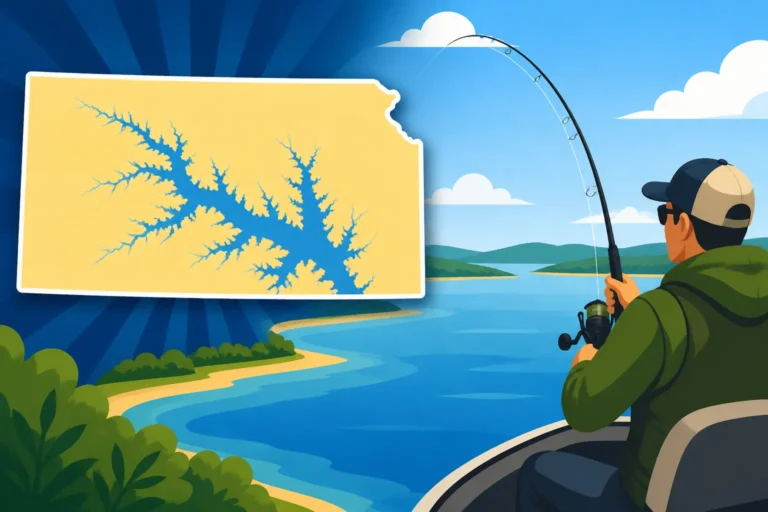
Finding truly productive river fishing spots in Kansas can sometimes feel like hunting for buried treasure, especially when you're tired of crowded lakes. It's frustrating when you just want a peaceful, rewarding day on the water, but don't know where to start. This guide aims to take that frustration away by diving deep into fishing the Marais des Cygnes River, revealing its unique characteristics, prime spots, and the best ways to connect with its impressive fish.
Understanding the Marais des Cygnes River's Unique Character
The Marais des Cygnes River, a name that beautifully translates to "Marsh of the Swans," is a truly unique waterway in eastern Kansas. Unlike the vast, open reservoirs that dominate much of the state's fishing scene, the Marais des Cygnes offers a more intimate, winding river experience. It flows eastward, eventually joining the Osage River in Missouri, and its character changes dramatically along its path, from narrower, clearer upper stretches to wider, slower, and often muddier lower sections. This river is a lifeline for a diverse array of fish species and offers a completely different challenge and reward compared to lake fishing.
River Characteristics and Flow
What truly sets the Marais des Cygnes apart is its dynamic flow and varied bottom structure. The river's flow is heavily influenced by rainfall, and it can fluctuate from a gentle current to a roaring torrent after heavy rains. This constant change means that fish patterns and hot spots can shift, requiring anglers to be adaptable. You’ll find everything from shallow riffles with rocky bottoms to deep, slow-moving pools with soft, silty substrates. Along its banks, you'll encounter a mix of timber, brush, and undercut banks, all providing excellent cover for various fish species. It’s a river that keeps you on your toes, but that's part of its charm.
The water clarity also varies greatly. In drier periods, especially in the upper reaches, you might find surprisingly clear water, perfect for sight fishing or subtle presentations. However, after a good rain, the river can become quite stained, turning a chocolate brown. Don't let this deter you! Many of the river's most sought-after species, particularly catfish, thrive in these muddier conditions. Understanding the river’s mood, often by checking local stream gauges online, is crucial for planning a successful trip.
Key Sections and Tributaries
The Marais des Cygnes River stretches across several counties, offering distinct fishing opportunities. The upper sections, nearer to its headwaters in Osage County and Lyon County, tend to be smaller and more wadeable, with faster currents and more rocky structure. As you move downstream into Franklin, Miami, and Linn counties, the river widens, deepens, and becomes more navigable by boat. This is where you'll find larger oxbow lakes and sloughs connected to the main channel, which can be fantastic fishing grounds, especially during periods of high water.
Important tributaries like Pottawatomie Creek, Sugar Creek, and Big Sugar Creek feed into the Marais des Cygnes, bringing in nutrients and often concentrating fish near their confluence points. These junctions are always worth exploring, as they create current breaks and diverse habitat. For instance, the area around Marais des Cygnes Wildlife Area in Linn County offers extensive public access and a complex network of channels, backwaters, and flooded timber that can hold an abundance of fish. If you’re ever considering expanding your river knowledge, a general guide like the Kansas River Fishing Guide can give you a broader perspective on how these principles apply to other Kansas waterways.
Navigating the Marais des Cygnes: Access and Key Areas
Accessing the Marais des Cygnes River can be a bit different from simply pulling up to a boat ramp on a large reservoir. Much of the river runs through private land, making public access points incredibly valuable. Knowing where you can legally and safely launch a boat or walk the bank is paramount for a stress-free fishing trip. It’s all about doing your homework before you go.
Public Land Access and Parks
Fortunately, several key public areas provide excellent access to the Marais des Cygnes. The Marais des Cygnes Wildlife Area near Pleasanton is perhaps the most prominent. This expansive area, managed by the Kansas Department of Wildlife, Parks and Tourism (KDWP), offers numerous boat ramps, designated bank fishing areas, and miles of river and associated wetlands to explore. It’s a fantastic place to start, providing a good mix of main river access and quieter backwater opportunities. You'll find well-maintained gravel ramps suitable for most small to medium-sized boats.
Further upstream, you might find smaller, less formal access points at county roads or bridges. Always be sure to respect private property signage and only access the river where public easements are clearly marked. State and federal regulations, which you can brush up on with the Kansas Fishing Regulations Explained guide, are strictly enforced, so knowing where you stand is vital. These smaller access points are often ideal for kayak or canoe anglers, or those looking to wade fish specific stretches. Remember, a valid Kansas Fishing License Guide is always required, even on rivers.
Navigating the River by Boat or Bank
Whether you choose a boat or prefer bank fishing will largely depend on the specific section of the Marais des Cygnes you're targeting and the current river conditions. For the wider, lower stretches, a Jon boat, small V-hull, or even a pontoon boat can be effective, especially if equipped with a shallow-running jet drive or an electric trolling motor for quieter navigation in shallower areas. Just be mindful of submerged timber and fluctuating water levels that can hide obstacles. Checking out the Kansas Boat Registration Guide is a good idea to ensure your vessel is compliant. If you’re navigating by boat, keeping an eye on river depth is critical, as sandbars and log jams can appear quickly, especially after floods.
Bank anglers will find success in many areas, particularly at public access points and below bridge crossings. Focus on areas with current breaks, such as eddies behind logs or rock formations, and deeper pockets near undercut banks. A long rod can be advantageous for casting to these spots without spooking fish. Kayak and canoe anglers, meanwhile, have a unique advantage on the Marais des Cygnes. Their shallow draft allows them to access remote stretches that larger boats can’t reach, opening up miles of untouched water. They can easily maneuver around obstacles and stealthily approach prime fishing habitat, making it a truly immersive experience.
What's Biting? Top Fish Species in the Marais des Cygnes
The Marais des Cygnes River is a fantastic multi-species fishery, but it truly shines as a destination for specific types of fish. While you might not find the same trophy walleye populations as some of Kansas’s major reservoirs, the river offers incredible opportunities for other hard-fighting and delicious species. Understanding what's most likely to bite and where to find them is key to a productive trip.
Catfish Central: Channel, Flathead, and Blue Cats
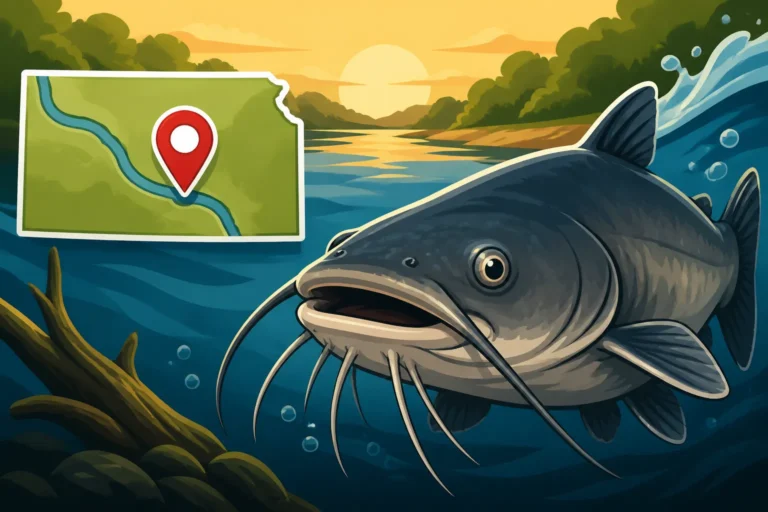
If there's one family of fish the Marais des Cygnes is famous for, it's catfish. The river boasts a thriving population of all three major Kansas species: channel catfish, flathead catfish, and blue catfish.
Channel catfish are abundant throughout the river. They are often found in moderate currents, around submerged logs, brush piles, and deeper holes. They're opportunistic feeders, making them relatively easy to catch on a variety of baits. You can learn more about these whiskered wonders in our Kansas Catfish Species Guide.
Flathead catfish are the river's true ambush predators. They prefer heavy cover, often lurking in log jams, undercut banks, and deep scour holes, waiting for live prey. Targeting flatheads requires patience and often larger live baits like sunfish or perch. These beasts can grow to impressive sizes here, so be prepared for a fight!
Blue catfish, while perhaps not as numerous as channels or flatheads in all stretches, are present, especially in the wider, deeper lower sections of the river. They often congregate in strong currents and deep channels. Blues are known for their massive size potential and can be caught on cut bait or shad. It’s not uncommon to find areas where the Kansas Channel Catfish Daily Limit can be met quickly, making for a fun day out. To maximize your chances, consider trying out techniques like trotlining or jug fishing, which are popular and effective methods for targeting these river giants.
Bass and Panfish Opportunities
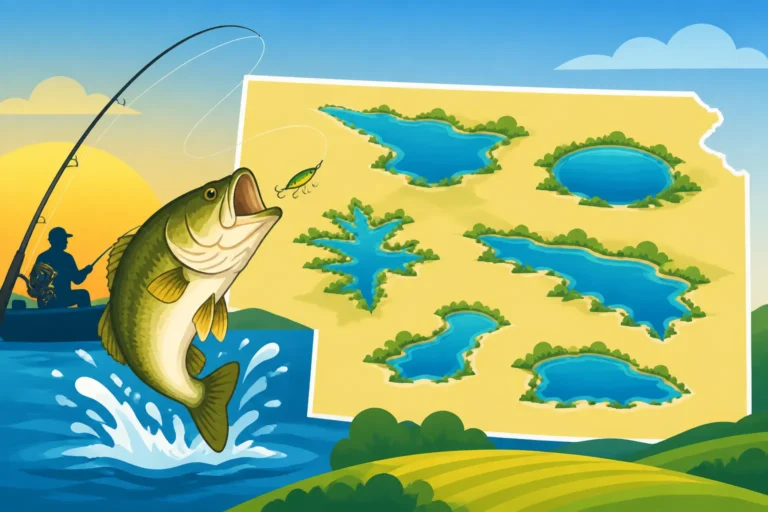
Beyond catfish, the Marais des Cygnes also provides good fishing for various other species. Largemouth bass are common in the slower, backwater areas, oxbow lakes, and sloughs connected to the main river, especially those with plenty of submerged vegetation and timber. Spinnerbaits, jigs, and soft plastics worked around cover can be highly effective. Smallmouth bass can occasionally be found in the clearer, rockier upper sections of the river, where they prefer faster currents and rocky habitat.
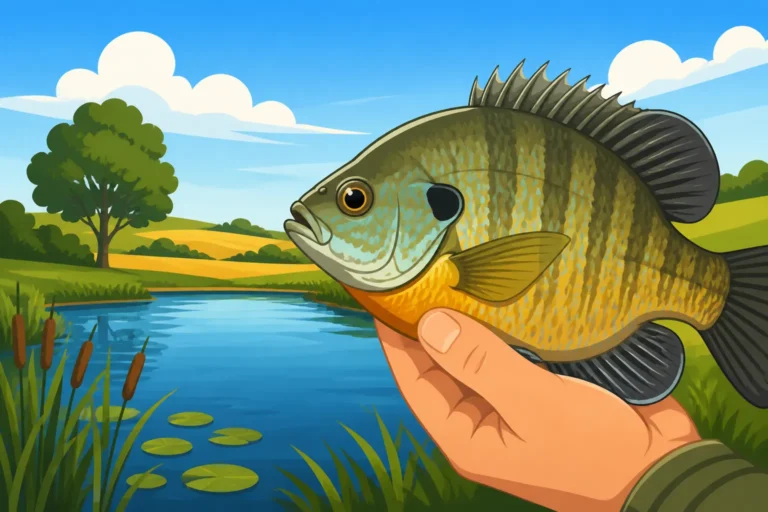
Panfish, including crappie, bluegill, and sunfish, are also plentiful in the Marais des Cygnes. Crappie will often relate to submerged timber and brush piles in slower moving water, particularly in the deeper pools and oxbows. Bluegill and other sunfish are ubiquitous, found in nearly any slow-moving water with some cover, making them excellent targets for family fishing trips or a relaxing afternoon with light tackle. For specific tips on these species, check out our Kansas Crappie Fishing Guide. While not as prominent as catfish, these species provide excellent sport and table fare, adding to the river's diverse appeal.
Proven Techniques and Best Seasons for River Success
Fishing the Marais des Cygnes River successfully means understanding how to adapt your techniques to the river's unique conditions and the seasonal movements of its fish. What works in spring might not be effective in summer, and a different approach is needed depending on water levels and clarity.
Seasonal Strategies for Success
Each season brings its own set of opportunities and challenges on the Marais des Cygnes:
- Spring (March-May): This is a prime time for many species. As water temperatures rise, fish become more active and move into shallower areas to spawn. Catfish will be moving out of their wintering holes, and crappie will be staging around submerged timber. The white bass can also put on a good run in some of the river's tributaries. However, spring can also bring heavy rains and fluctuating water levels, so always check conditions before you go. This is an excellent time to target channel cats with stink baits or cut bait in eddy pockets.
- Summer (June-August): As temperatures soar, catfish remain a strong target, especially during early mornings, evenings, and into the night. Flatheads become very active, and fishing live bait near log jams can be highly productive. Bass will often seek deeper, cooler water or dense shade provided by overhanging trees. Topwater lures can be exciting during low-light conditions. Pay attention to oxygen levels in stagnant backwaters during extreme heat. Check out our comprehensive Kansas Fishing Seasons Guide for more insights on what to expect throughout the year.
- Fall (September-November): Many anglers consider fall to be one of the best times to fish the Marais des Cygnes. Fish begin to feed aggressively in preparation for winter, and water temperatures become more comfortable. Catfish are still very active, and bass can be found chasing baitfish in shallower areas. The fall colors along the river banks add to the beauty of the experience. The water often clears up considerably after summer rains, making for more pleasant conditions.
- Winter (December-February): While generally slower, dedicated anglers can still find success, particularly with catfish in deeper holes. As water temperatures drop, fish become sluggish and seek out stable, deeper water. This is less common for river fishing but can still yield results on milder winter days. Ice fishing isn’t typically a primary activity on the flowing river itself, but some adjacent oxbows might freeze sufficiently.
To give you a quick overview, here's a helpful table summarizing prime fishing times for key species:
| Fish Species | Common Size Range (Kansas) | Best Season | Preferred Bait/Lure (River) |
|---|---|---|---|
| Channel Catfish | 1-10 lbs | Spring-Fall | Stink bait, cut bait, worms |
| Flathead Catfish | 5-50+ lbs | Summer-Fall | Live sunfish, large shad |
| Blue Catfish | 10-80+ lbs | Spring-Fall | Cut shad, large chunks of fish |
| Largemouth Bass | 1-5 lbs | Spring-Fall | Jigs, spinnerbaits, soft plastics, topwater |
| White Crappie | 0.5-2 lbs | Spring-Fall | Minnows, small jigs, tube baits |
| Bluegill/Sunfish | 0.25-1 lbs | Spring-Fall | Worms, small crickets, tiny jigs |
Recommended Gear and Bait
When it comes to gear, versatility is your friend on the Marais des Cygnes. For catfish, a medium-heavy to heavy action rod paired with a baitcasting or spinning reel spooled with 15-30 lb monofilament or braided line is ideal. You'll want sturdy hooks (circle hooks are excellent for catfish) and sinkers that can hold bottom in current. Our Best Bait for Kansas Catfish guide offers a deep dive into what these whiskered beauties crave. For flatheads, don't shy away from larger, live bait rigs.
For bass and panfish, a medium-light to medium action spinning rod with 6-10 lb line will serve you well. A tackle box stocked with a variety of jigs, spinnerbaits, crankbaits, and soft plastics for bass, along with small hooks, bobbers, and worms for panfish, will cover most situations. Remember to pack plenty of extra terminal tackle, as snags are a common occurrence in river systems due to submerged timber. Waders can be incredibly useful for reaching prime bank fishing spots or for wading shallower sections. If you're looking to upgrade your setup, our general Kansas Fishing Gear Guide has plenty of recommendations.
Regardless of your target, always come prepared for varying conditions. A good pair of polarized sunglasses will help you spot underwater structure and fish, and a hat and sunscreen are essential for protection from the Kansas sun. A sturdy pair of pliers for hook removal, a net large enough for your target species, and a cooler for your catch (if keeping) are also must-haves. For anglers looking for a more immersive trip, consider consulting a local guide. Services found on platforms like FishingBooker can offer invaluable insight into current conditions and species-specific tactics, especially if you're venturing to the Marais des Cygnes for the first time. They can help you navigate the tricky waters and locate those hidden hotspots that only local knowledge can reveal. Many anglers find that connecting with a local guide through platforms like FishingBooker significantly enhances their experience, turning a good day into a truly memorable one.
Disclaimer
The information provided in this guide is for general informational purposes only and is not intended as legal advice. Fishing regulations, license requirements, and local rules can change frequently. Always consult the official Kansas Department of Wildlife, Parks and Tourism (KDWP) regulations before engaging in any fishing activities. Ensure you have the proper licenses and permits and adhere to all boating and safety laws. FishingBooker is a third-party service; always exercise due diligence when booking any guided trips.