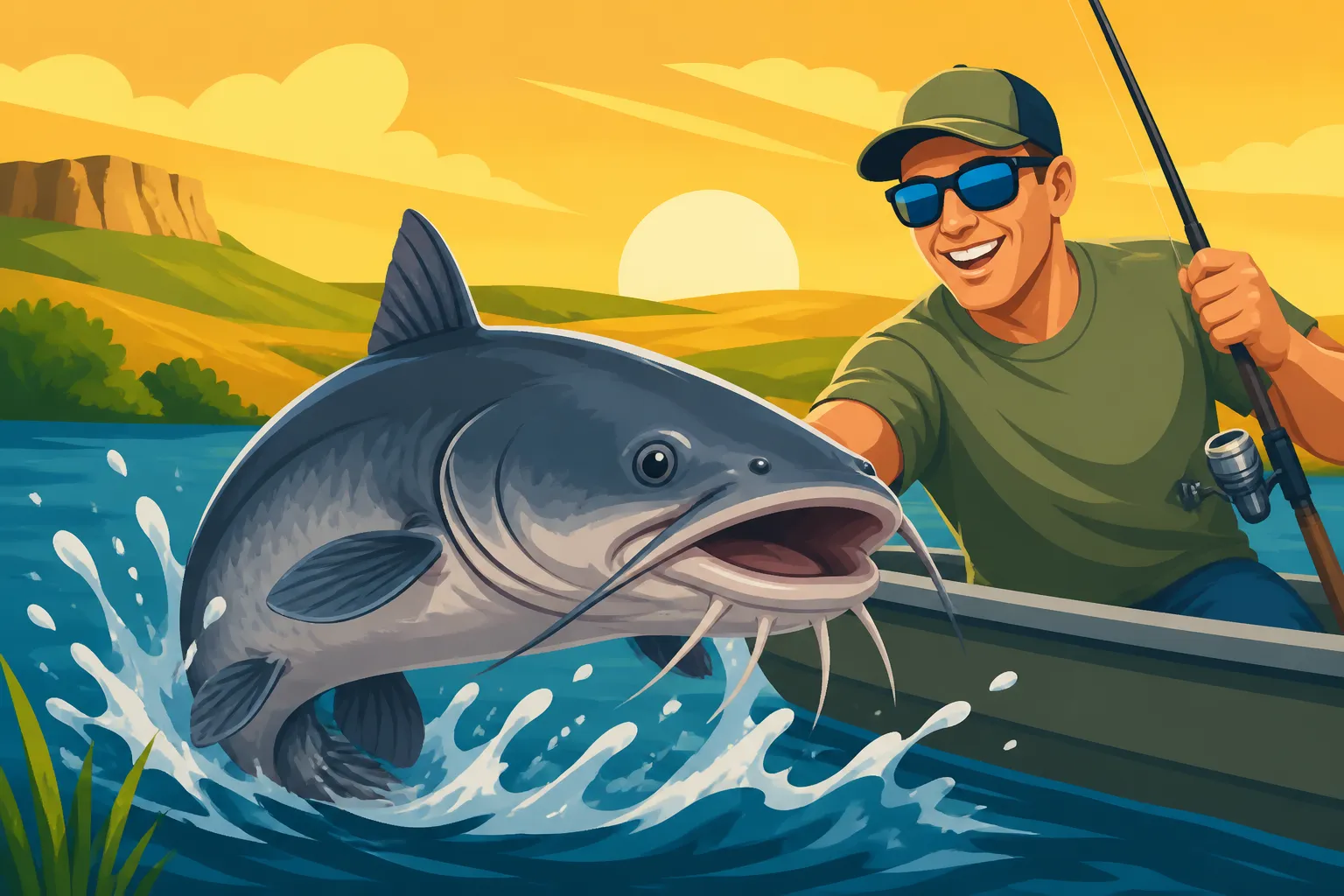
Kansas Summer Catfish Fishing Tips
Ah, summer! That time of year in Kansas when the sun beats down relentlessly, the humidity hangs thick in the air, and for many anglers, the thought of chasing certain species feels like an uphill battle. If you've ever felt like your favorite fishing spots dry up in the scorching heat, or that the fish simply disappear, you're not alone. But for those of us who love the tug of a big catfish, summer isn't a time to quit—it's a time to adapt! This guide is all about equipping you with the knowledge and tactics to consistently catch channel cats, blue cats, and flatheads when the temperatures soar, transforming those slow summer days into memorable fishing adventures.
Understanding Summer Catfish Behavior in Kansas
When the Kansas sun heats up our lakes and rivers, everything changes, and that includes the catfish. They're still there, and they're still hungry, but their habits shift dramatically from the cooler spring and fall months. Knowing why they move and what makes them bite is half the battle won.
How Heat Affects Catfish Metabolism and Location
Imagine trying to run a marathon in a sauna – that's a bit like what it feels like for fish in shallow, warm water. As surface temperatures climb, the dissolved oxygen levels in the water tend to drop, especially in stagnant areas. Catfish, being the resilient creatures they are, aren't as sensitive to low oxygen as some other species, but it still impacts them. Their metabolism speeds up, making them need more oxygen, but the available oxygen decreases. This pushes them out of those comfortable shallow flats and into deeper, cooler water. They seek out thermal refuges where the water temperature is more stable and oxygen levels are generally higher. This might be a deep river channel, the thermocline in a reservoir, or simply the shaded side of a massive log jam.
These shifts aren't just about comfort; they're about survival. A channel catfish, for example, will become much less active during the peak heat of the day, conserving energy. They'll still feed, but often in shorter, more intense bursts when conditions are slightly more favorable. Understanding these movements is key to successful summer catfishing. For a deeper dive into the specific characteristics of the different species you'll encounter, check out our Kansas Catfish Species Guide.
Nocturnal and Crepuscular Feeding Patterns
If you've ever found yourself struggling to get a bite in the middle of a blazing July afternoon, only to have the bite switch on like a light during twilight, you've experienced the magic of summer night fishing. Catfish are naturally opportunistic feeders, and as temperatures rise, they become much more active during the cooler parts of the day. This is why targeting them at night (nocturnal) or during dawn and dusk (crepuscular) becomes incredibly effective.
During these low-light periods, surface water temperatures begin to drop, often sparking a surge in baitfish activity. Catfish emerge from their deep-water sanctuaries to cruise shallower flats, river banks, and creek mouths, looking for an easy meal. The reduced light also gives them an advantage over some of their prey, which might rely more on sight. This isn't just about comfort for the fish; it's also about comfort for you. Avoiding the peak heat makes for a much more pleasant experience. If you're ready to embrace the dark, our Kansas Night Fishing Guide has even more in-depth strategies.
Identifying Prime Summer Catfish Hideouts
So, if catfish are going deep and getting active in low light, where exactly should you be looking? In Kansas reservoirs, focus on the main lake channels, especially where they swing close to a bluff bank or an old creek bed. Points that drop off sharply into deep water are also excellent, as are the submerged timber fields you might find in the backs of coves or along old riverbeds. These structures provide shade, cover, and often hold cooler water. On rivers like the Kansas River or the Arkansas River, think about current breaks: the calm water behind a log jam, deep holes below riffles or dams, and the outer bends of river channels where the current scours out deeper pockets.
Understanding your chosen waterway's topography is crucial. Using a good mapping app or a fish finder can reveal these hidden gems. Look for areas with a sudden depth change, dense cover, or places where current slows significantly. Even in smaller ponds, the deepest sections, especially those with some kind of structure like brush piles or old culverts, will be holding fish during the day.
Essential Gear for Summer Catfish Success
You wouldn't head into battle without the right armor, and fishing for summer catfish is no different. The right setup not only makes the fight easier but also increases your chances of landing that trophy cat. Forget the ultralight gear; we're talking about serious tackle for serious fish.
Rods, Reels, and Line for Big Summer Cats
When you hook into a powerful channel catfish, or even more so, a massive blue cat or flathead, you'll be glad you didn't skimp on your setup. For most Kansas catfishing, a medium-heavy to heavy action rod, typically 7 to 8 feet long, is ideal. This length provides good casting distance from the bank and enough leverage to control a fighting fish from a boat. Brands like Ugly Stik offer incredibly durable and affordable options that are perfect for this kind of abuse. Pair that with a baitcasting reel designed for heavy line, or a sturdy spinning reel in the 4000 to 6000 size range. Look for reels with a smooth drag system and a decent line capacity.
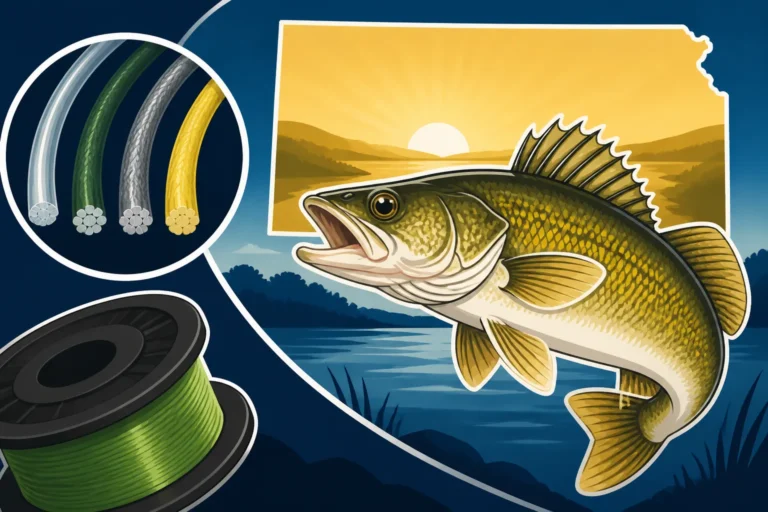
As for line, 15 to 30 lb test monofilament is a popular choice for its shock absorption and ease of handling, especially when using slip sinker rigs. However, many experienced catfishermen prefer braided line in the 30 to 60 lb test range for its incredible strength, small diameter, and lack of stretch, which provides superior sensitivity and hook-setting power. You can often find great deals on these setups, sometimes even combos, on platforms like Amazon, making it easier to get quality gear without breaking the bank. For more detailed recommendations, our guide on the Best Rod and Reel Combo for Catfish goes into specifics.
Hooks, Sinkers, and Rigs That Work
Your terminal tackle is the direct connection to the fish, so don't overlook it. For hooks, circle hooks are a game-changer for catfishing, especially if you plan on releasing fish. Sizes typically range from 5/0 to 9/0, depending on your bait and target species. They effectively hook fish in the corner of the mouth, reducing gut hooks and making releases much easier. J-hooks are also viable, particularly for flatheads, but require a more timely hookset. For specific guidance on sizing, our Best Hook Size for Channel Catfish article can help.
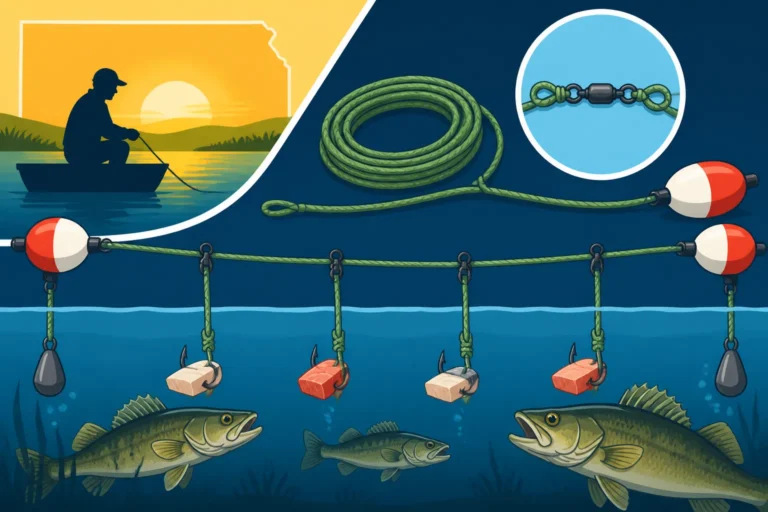
Sinker choice depends on the current and depth. In still water or light current, a simple egg sinker (1/2 oz to 2 oz) on a Carolina rig works perfectly. For stronger currents, flat 'no-roll' sinkers or heavier pyramid sinkers (3 oz to 8 oz+) will help keep your bait in place. The classic Carolina rig (or slip sinker rig) is a staple: a slip sinker, a bead (to protect the knot), a swivel, and a leader (12-24 inches) tied to your hook. For fishing live bait near cover, a three-way rig can be effective, keeping your bait suspended above snags.
Must-Have Accessories for Hot Weather Fishing
Beyond your rod and reel, a few essential accessories can make a huge difference in your comfort and success, especially when fishing in the Kansas summer heat or at night. A reliable headlamp is non-negotiable for night fishing, allowing you to tie knots, bait hooks, and navigate without fumbling in the dark. Bring plenty of insect repellent—Kansas mosquitoes and biting flies are no joke in the summer. A sturdy rod holder, whether a simple spike in the ground for bank fishing or a rail-mounted holder for a boat, is crucial for keeping your rods secure while you wait for a bite.
And let's talk about staying hydrated and comfortable. A good cooler packed with plenty of water and snacks is vital. Consider a comfortable fishing chair or a boat seat that you can settle into for long stretches. A good pair of pliers and a hook remover are also invaluable for safety and efficiency. Many of these practical items, from headlamps to quality coolers, are readily available on Amazon and can significantly enhance your time on the water.
Top Baits and Lures for Kansas Summer Catfish
Catfish are known for not being particularly picky, but during the summer, certain baits consistently outperform others. Their sense of smell is incredibly developed, making scent a huge factor in enticing them to bite, especially in deeper, darker waters.
Classic Cut Baits and Prepared Baits
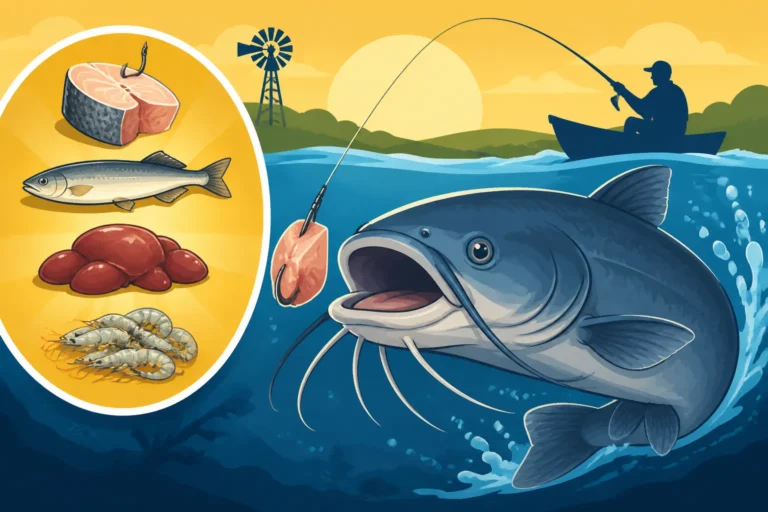
When it comes to putting a big summer cat on the bank, nothing beats cut bait for sheer effectiveness. Fresh cut shad, carp, or even panfish (where legal) are like ringing the dinner bell. The scent trail they release in the water travels far and wide, attracting hungry catfish. For channel cats, smaller chunks work well, while flatheads often prefer larger, fresher cuts or even whole live bait. Just make sure you're using legally caught baitfish.
Beyond fresh cut bait, a variety of prepared baits are incredibly popular and effective, especially for channel catfish. Stink baits, which come in a range of foul-smelling concoctions, are designed to appeal directly to a catfish's powerful olfactory senses. Punch baits, which are thicker and more adherent, are also excellent, staying on the hook better in current. Brands like Danny King's Catfish Bait or Sonny's Super Sticky Bait are household names in the catfishing community for good reason. They are readily available at most local bait shops and can be incredibly productive. Find more details on these and other options in our Best Bait for Kansas Catfish guide.
Live Baits That Entice Hungry Catfish
While cut bait is fantastic for its scent, live bait brings the added attraction of movement and vibration, which can be irresistible to predatory catfish, particularly flatheads. For flatheads, live bluegill, sunfish, or even bullheads are prime choices. Rig them through the back or lips, making sure they can swim naturally. For channel catfish, live nightcrawlers (especially a big wad of them), minnows, or small creek chubs can also be very effective, especially if fished under a bobber or lightly weighted near cover.
Crawfish, when available, are another excellent live bait option. Catfish absolutely love them, and they are a natural food source in many Kansas waterways. Ensure your live bait is healthy and active, as a struggling or dead bait won't draw as much attention. Always check local regulations regarding the size and species of baitfish you are allowed to use.
Unexpected Baits That Deliver Results
Sometimes, thinking outside the box can lead to some surprising success. While not always conventional, these baits can definitely put fish in the boat. Chicken livers are a classic for a reason; their strong scent and bloody consistency are highly attractive to channel catfish. The challenge is keeping them on the hook, but clever rigging (like using a small piece of pantyhose or thread to secure them) can help. Hot dogs, especially those soaked in garlic or Kool-Aid, are another inexpensive and surprisingly effective bait for channel cats in certain situations.
Some anglers even swear by chunks of strong-smelling cheese or bar soap. While these might sound strange, the potent odors can sometimes be just what it takes to tempt a curious catfish. The key with these "unconventional" baits is often to experiment. What works wonders on one lake might be ignored on another, so don't be afraid to try something different, especially if the traditional methods aren't producing.
Strategic Fishing Techniques for Summer Nights and Low Light
Summer catfishing isn't just about what bait you use; it's crucially about how and where you present it, especially when targeting fish that are moving under the cover of darkness or twilight.
Bank Fishing Strategies for Accessible Success
For many Kansas anglers, bank fishing is the most accessible way to target catfish, and it can be incredibly productive in the summer. When fishing from shore, focus on areas where deeper water is accessible. This includes river bends where the current has scoured out a deep hole, points that drop off quickly, or the riprap along dam faces. These spots often hold cooler water and provide cover. Cast your bait out into the deeper sections or along the edge of the current seam.
Setting up multiple rods with different baits and at varying depths can help you quickly determine what the catfish are biting on and where they're holding. Use sturdy rod holders and pay close attention to your rod tips, as bites can range from a subtle twitch to a rod-bending strike. Remember, patience is key. Catfish often move through an area in schools or on specific patrols, so waiting them out can pay off. Our Bank Fishing Techniques in Kansas guide offers even more insights for shore-bound anglers.
Boat Fishing for Deeper Waters and Structure
Having a boat opens up a whole new world of summer catfishing opportunities, allowing you to reach areas inaccessible from shore. With a boat, you can precisely target submerged river channels, deep holes, isolated log piles, and structure far from the bank. Using your fish finder to locate these deep-water havens and identify schools of baitfish nearby is an immense advantage. Once you find a promising spot, you have several options.
Anchoring upstream from a deep hole or a significant current break and fanning out baits into the target area is a common and effective tactic. Alternatively, drift fishing allows you to cover a larger area, presenting your bait to more fish. This is especially effective on large reservoirs like Milford Lake or Tuttle Creek Lake. Slow trolling with powerful electric trolling motors can also be very productive for covering ground while keeping baits in the strike zone. For those looking to master this approach, our Drift Fishing for Kansas Catfish article has some excellent tips. Just be mindful of local boating regulations, especially regarding speed limits and no-wake zones, which are common near boat ramps and crowded areas.
Setting Up for a Productive Night Session
Successful night fishing for catfish requires a bit of preparation to ensure safety and maximize your chances. First, scout your location during daylight hours. Identify potential hazards, clear pathways, and get a good understanding of the bottom structure. This will save you a lot of hassle once darkness falls. When you arrive, set up your gear, lights, and bug repellent before it gets completely dark.
Good lighting is crucial. A bright headlamp with a red-light option (to preserve night vision) is a must. Many anglers also use lanterns or LED light bars on their boats or near their bank fishing stations to illuminate their immediate area. Remember that excessive noise can spook fish, so try to keep things quiet. The ambiance of a summer night, the crickets chirping, and the occasional splash of a feeding fish, adds to the experience. Pack plenty of water, snacks, and perhaps a hot thermos of coffee or cocoa for those cool pre-dawn hours.
Where to Find Hot Summer Catfish Action in Kansas
Kansas is blessed with a fantastic array of fishing opportunities, and many of its waters are prime territory for summer catfish. Knowing which spots are historically productive can give you a significant head start.
Premier Lakes and Reservoirs Known for Catfish
Kansas's large reservoirs are powerhouse fisheries, holding impressive populations of all three major catfish species. Milford Lake, being the largest in the state, offers extensive deep-water structure and vast channels where blue and channel cats thrive. Areas near the dam and the submerged river channel are excellent targets. Tuttle Creek Lake, another massive reservoir, is renowned for its trophy blue catfish and abundant channel cats. Look for the main river channel and rocky shorelines that drop quickly into deeper water.
Clinton Lake and El Dorado Lake are also fantastic choices, particularly for channel catfish, with good numbers of blues and flatheads as well. On these lakes, focus your efforts on creek channels, submerged timber, and deep points, especially during those low-light hours. Remember that even in summer, fishing specific areas that are constantly replenished can yield great results. Our comprehensive guide to the Best Catfish Lakes in Kansas delves even deeper into these specific hotspots.
Productive Rivers and Smaller Waterways
Don't overlook the incredible river fishing opportunities in Kansas, especially for catfish. The Kansas River (Kaw) is a legendary blue cat and flathead fishery, offering a dynamic environment with plenty of current breaks, deep holes, and log jams. Focus on the slower side of current seams, behind large obstructions, and in the deepest bends of the river channel. Similarly, the Arkansas River in western Kansas also holds good numbers of channel cats and some flatheads, particularly in its deeper pools. For those specifically interested in river fishing, checking out Kansas River Catfish Spots is a must.
Beyond the major rivers, many smaller state fishing lakes and community fishing lakes managed by the Kansas Department of Wildlife, Parks and Tourism (KDWPT) are regularly stocked with channel catfish and can provide excellent summer action. Even private farm ponds, with permission, can be surprisingly productive, often holding big channel and flathead catfish in their deepest sections, especially around submerged trees or brush piles. These smaller waters can be less pressured than the big reservoirs, offering a more peaceful angling experience.
Navigating Specific Summer Challenges
While summer catfishing can be incredibly rewarding, it also comes with its unique set of challenges. High boat traffic, especially on weekends, can make finding quiet fishing grounds difficult. If you're fishing a popular reservoir, consider targeting less-frequented areas or fishing during weekdays or late nights to avoid the crowds. Intense summer heat means water temperatures can still fluctuate, even in deeper water. Keeping an eye on a fish finder with a temperature gauge can help you pinpoint the precise depth where fish are most comfortable.
Another common frustration is fishing pressured spots. If a spot is hammered daily, the fish might become wary. Don't be afraid to move around. If one area isn't producing after a reasonable amount of time, try a new tactic or a different location. The beauty of catfishing is that these fish are often plentiful, and with a bit of persistence and the right strategy, you're bound to find them. Always be mindful of local Kansas Channel Catfish Daily Limit regulations to ensure you're fishing responsibly.
| Bait Type | Target Catfish Species | Best Conditions/Location | Pros | Cons |
|---|---|---|---|---|
| Cut Shad/Carp | Channel, Blue, Flathead | Rivers, main lake channels, deep points, current breaks | Strong scent, very effective for all species | Can be messy, needs refrigeration, may require netting baitfish |
| Stink/Punch Bait | Channel Catfish | Still to moderate current, community lakes, ponds | Easy to use, great scent, stays on hook well | Less effective for flatheads, can be very smelly |
| Live Bluegill | Flathead Catfish (Trophy) | Deep holes, log jams, heavy cover in rivers/reservoirs | Movement attracts large flatheads, very natural | Requires a livewell, less effective for channel/blue cats |
| Chicken Livers | Channel Catfish | Ponds, slower river sections, calm reservoir coves | Inexpensive, strong scent, readily available | Hard to keep on hook, less durable in current |
| Nightcrawlers | Channel Catfish (Smaller) | Ponds, smaller rivers, shallow flats, family fishing | Easy to acquire, clean, effective for panfish too | Attracts smaller fish, often picked off quickly by non-target species |
Disclaimer
Fishing conditions and regulations in Kansas can change. Always consult the latest Kansas Department of Wildlife, Parks and Tourism (KDWPT) fishing regulations before heading out. This guide is for informational purposes only and should not replace official KDWPT guidelines.