Jug Fishing Techniques in Kansas
There's nothing quite like the thrill of waking up to a quiet Kansas morning, pushing off in your boat, and spotting that tell-tale bob or frantic dance of a jug on the water, signaling a battle is underway. For many anglers, jug fishing is an often-misunderstood but incredibly effective way to target those impressive Kansas catfish, offering a unique blend of passive fishing and exciting hands-on action. If you've ever felt intimidated by the idea or just aren't sure where to start, this comprehensive guide is for you. We’re going to dive deep into the world of jug fishing, breaking down everything from the rules and gear to the best techniques for filling your cooler with delicious catfish.
Understanding Jug Fishing in Kansas: More Than Just a Floating Bottle
Jug fishing might seem like a simple concept – a hook and bait attached to a floating device – but there's a surprising amount of strategy, regulation, and satisfaction involved. It’s a method that allows you to cover a lot of water and present multiple baits simultaneously, making it incredibly efficient, especially when targeting active catfish.
What Exactly is Jug Fishing?
At its core, jug fishing is a passive fishing technique where an angler deploys multiple individual fishing lines, each attached to its own floating device (the "jug"). These jugs drift freely or are sometimes anchored, carrying baited hooks to different areas of a lake or river. When a fish takes the bait, the jug reacts – it might start bobbing wildly, stand on end, or even disappear briefly beneath the surface, creating an adrenaline rush as you chase it down. Unlike rod and reel fishing where you’re constantly holding your gear, jug fishing lets you set your lines and then simply observe, often with friends or family, waiting for the action to begin. It's a fantastic way to enjoy the vastness of Kansas reservoirs and rivers, allowing the current and fish to do some of the work for you. Many seasoned anglers find a deep satisfaction in the craft of rigging their own jugs and anticipating the next strike.
Legality and Regulations in Kansas
Before you even think about tossing your first jug into the water, it is absolutely paramount to understand and adhere to the Kansas Department of Wildlife and Parks (KDWP) regulations. Ignoring these rules can lead to hefty fines and a ruined fishing trip. The state of Kansas has specific guidelines designed to ensure fair chase, prevent overharvesting, and maintain safety on the water. For instance, the number of jugs an individual can legally fish is restricted, typically to no more than eight. Each jug must be tagged with the angler's name and KDWP number. This isn't just a suggestion; it's a critical identification method that helps wardens ensure compliance and allows for the return of lost gear. Furthermore, there are often rules about how long jugs can be left unattended, usually requiring them to be checked at least once every 24 hours. Some bodies of water might even have specific restrictions or prohibitions on jug fishing, so always double-check the local rules for your chosen fishing spot. You can find all the nitty-gritty details in the official Kansas Fishing Regulations Explained from the KDWP. It's truly a must-read for any serious angler in the state.
Essential Gear for Successful Jugging
While the beauty of jug fishing lies in its simplicity, having the right gear can significantly increase your success rate and make the entire experience much more enjoyable. Think of it like cooking: you can make a meal with basic tools, but the right specialized equipment makes the process smoother and the outcome tastier.
Choosing the Right Jugs and Buoys
The "jug" itself is arguably the most recognizable piece of equipment. You've got options here, ranging from do-it-yourself (DIY) creations to commercially manufactured setups.
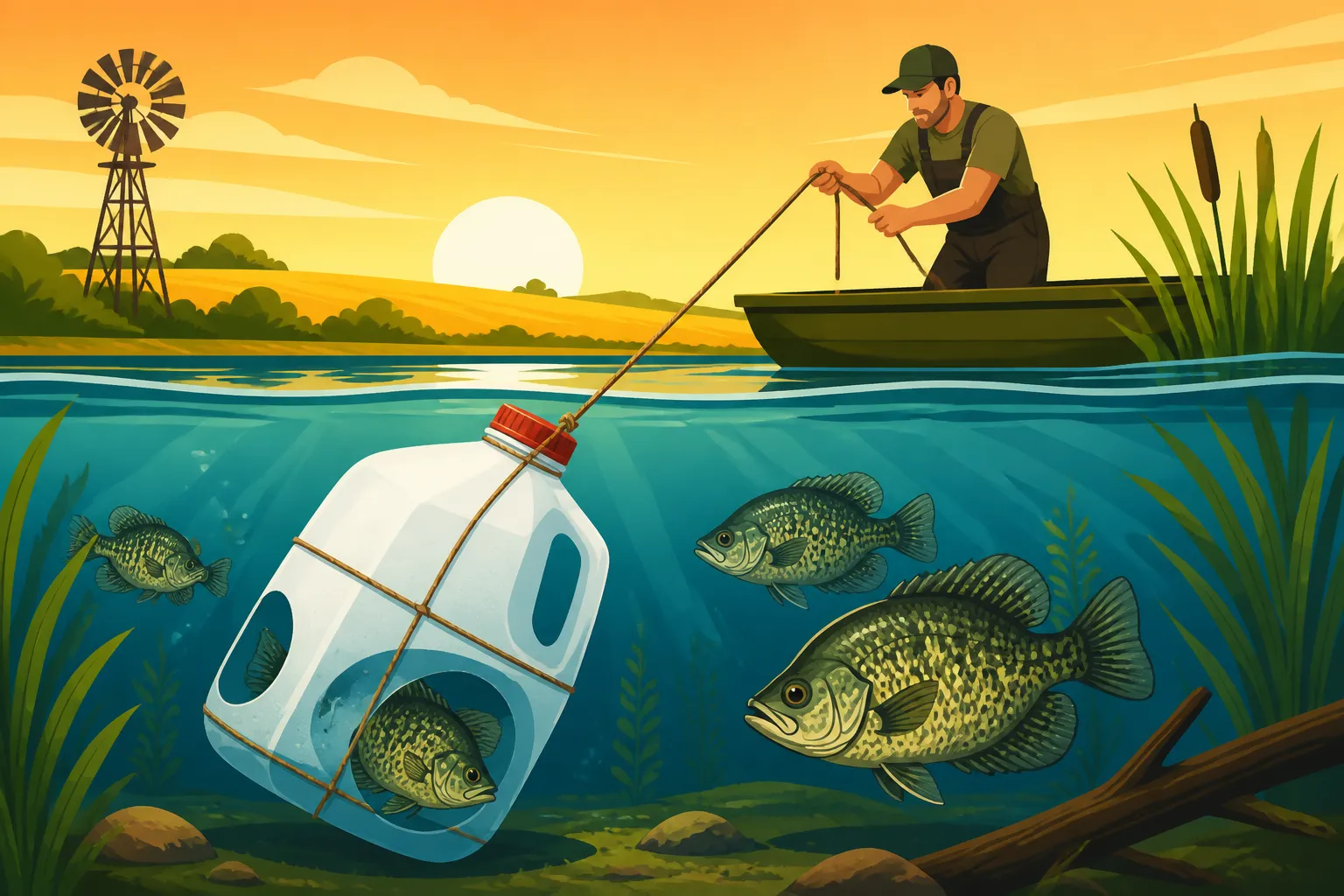
- DIY Jugs: Many traditional jug fishermen swear by recycled plastic milk jugs, antifreeze containers, or even pool noodles. These are cheap, readily available, and easy to customize. A half-gallon milk jug, painted a bright color like fluorescent orange or yellow, can be highly effective. Pool noodles, cut into segments and rigged with a line running through the center, are also popular due to their durability and excellent buoyancy. The key here is buoyancy and visibility. You need a jug that can easily support a thrashing catfish and remains highly visible from a distance, especially if you're covering a lot of water.
- Commercial Jugs: For those who prefer a more streamlined or professional look, there are purpose-built jug fishing kits available. These often feature durable PVC or foam construction, pre-rigged lines, and even reflective tape for night visibility. Brands like Catfish Pro or similar options found on Amazon offer robust designs that can withstand repeated use and big fish battles. While they might cost a bit more upfront, their longevity and specialized features can be worth the investment for frequent juggers. Regardless of whether you go DIY or commercial, consider painting your jugs a very bright, contrasting color. Not only does this make them easier to spot from a distance, but it also increases safety for other boaters.
Line, Hooks, and Weights
The business end of your jug setup needs to be robust enough to handle the powerful pulls of Kansas catfish. This isn't a place to skimp on quality.
- Line: For jug fishing, a heavy-duty monofilament or braided line is essential. Many anglers prefer monofilament in the 80 to 100-pound test range for its abrasion resistance and stretch, which can act as a shock absorber when a big fish hits. Braided line offers superior strength-to-diameter ratio and sensitivity, but its lack of stretch means you need to be careful with sudden jerks. Generally, 50 to 80-pound braided line is sufficient. Each jug typically needs about 10-20 feet of line, depending on the depth of the water you'll be fishing and whether you plan to drift or anchor. Consider spooling a good quality line like Berkley Big Game for mono or PowerPro for braid. You can often find bulk spools of these dependable lines on Amazon at competitive prices. For more specific guidance, check out our article on Best Line Weight for Kansas Catfish.
- Hooks: Circle hooks are the gold standard for jug fishing, particularly when targeting catfish. They significantly reduce gut-hooking, meaning fish are more often hooked in the corner of the mouth, increasing their chances of survival if you choose to release them. Sizes range from 5/0 to 10/0, depending on your target species and bait size. For smaller channel catfish, a 5/0 or 6/0 might suffice, but for trophy blue or flathead catfish, you’ll want to size up to an 8/0 or even 10/0. Make sure they are strong, sharp, and corrosion-resistant.
- Weights: The weight you choose depends on whether you want your bait to drift or stay put. For drifting, a lighter weight (1/2 to 1 ounce egg sinker) might be sufficient to keep the bait near the bottom without hindering the jug's movement. For anchoring your jug in a specific spot, you'll need heavier weights, often 2-4 ounces or more, like pyramid or no-roll sinkers, to prevent it from moving with the current. The goal is to keep your bait where the fish are.
Mastering Kansas Jug Fishing Techniques
Jug fishing isn't just about throwing out some jugs and hoping for the best. Strategic planning, understanding your target species, and adapting to conditions are key to consistent success. It’s an art form refined over many hours on the water.
Best Baits for Kansas Catfish
The right bait is absolutely crucial in jug fishing. Catfish are opportunistic feeders, but they do have preferences, and knowing what they're after can make all the difference. For a more exhaustive list, be sure to read our guide on the Best Bait for Kansas Catfish.
- Cut Bait: This is a perennial favorite for channel and blue catfish. Fresh cut bait from oily fish like shad (gizzard or threadfin), skipjack herring, or even carp works wonders. The scent trail it leaves in the water is irresistible to catfish. Cut the fish into chunks or strips, making sure each piece is large enough to cover your hook. For blue catfish, larger chunks are often more effective.
- Stink Baits/Prepared Baits: Commercial stink baits, dough baits, and punch baits are highly effective for channel catfish, especially in warmer water. Brands like Danny King's Punch Bait or Sonny's Super Sticky Baits are popular choices. These baits are designed to disperse a strong odor, attracting catfish from a distance. While less effective for flatheads, they can be deadly for channels.
- Live Bait: For flathead catfish, live bait is king. Sunfish, small carp, or bullheads are excellent choices. Flatheads are predatory and prefer to ambush live prey. Make sure your live bait is healthy and active on the hook. For large blue catfish, live perch or even small shad can also be incredibly effective. Remember to check Kansas regulations on legal live bait species and size limits.
Strategic Placement and Deployment
Where you put your jugs is just as important as what you put on your hooks. Understanding how catfish relate to their environment will guide your deployment strategy.
- Understanding Current and Structure: Catfish often congregate in areas with current breaks, underwater structure (like submerged timber, rock piles, or old roadbeds), and channel edges. In reservoirs like Milford Lake or Cheney Reservoir, look for main lake points, creek channels, and humps. In rivers like the Kansas River or Republican River, target eddies, slack water behind wing dams, and deep holes.
- Drifting vs. Anchoring:
- Drifting: This technique allows your jugs to cover a wide area, mimicking natural prey movement. It's excellent when you're unsure exactly where the fish are holding or when fish are scattered. Deploy your jugs upcurrent from a promising area (like a large flat or a channel swing) and let them drift naturally. You'll need to follow them closely in your boat. This is particularly effective during white bass runs when catfish often follow the same baitfish.
- Anchoring: If you've identified a specific hotspot – perhaps a deep hole, a brush pile, or a rock ledge – anchoring your jugs can be highly effective. Use heavier weights and ensure your anchor is secure. This strategy works well when fish are concentrated in smaller areas or during periods of less activity when they might be holding tight to structure.
- Depth: Catfish can be found at various depths depending on water temperature, time of day, and bait availability. During warmer months, they might be shallower at night or during twilight hours, moving to deeper, cooler water during the day. In spring and fall, they often hold along channel edges or humps at moderate depths. Vary the depths of your jug lines initially to pinpoint where the fish are most active. For instance, if you're targeting flatheads, they often prefer deeper structure.
Night Fishing for Juggers
Night fishing with jugs is an experience unlike any other and can be incredibly productive, especially during the hot Kansas summer months. Catfish are primarily nocturnal feeders, using their highly developed senses of smell and touch to navigate and hunt in the dark.
- The Advantage of Darkness: As the sun sets and water temperatures begin to drop, catfish become more active. They move out of their daytime resting spots and cruise shallower areas, main lake points, or river channels in search of food. The reduced boat traffic and cooler air also make for a more pleasant experience for the angler. The sheer mystery of a jug disappearing into the darkness, only to reappear with a big fish pulling on it, adds an extra layer of excitement.
- Safety Tips: When jug fishing at night, safety is paramount.
- Lights: All jugs must be visible after dark. This means attaching small, waterproof LED lights or reflective tape to each jug. Consider solar-powered fishing lights that automatically turn on at dusk. Your boat also needs proper navigation lights.
- GPS: A reliable GPS unit or mapping app on your phone is invaluable for marking your jug deployment area and safely navigating back in the dark.
- Buddy System: Always fish with at least one other person at night.
- Life Jackets: Ensure everyone on board wears a life jacket, especially when moving at night. For more boating safety tips, consult the Kansas Life Jacket and Boating Safety Guide.
- Preparation: Have all your gear organized and ready before darkness falls. Untangling lines or rigging hooks in the dark is a frustrating and potentially dangerous task.
You can also learn more about specific techniques for this time of day by reading our article on the Best Time to Catch Catfish at Night.
Targeting Specific Kansas Catfish Species with Jugs
Kansas is blessed with a fantastic catfish fishery, boasting three main species: Channel, Blue, and Flathead. Each has its own habits and preferred environments, and tailoring your jug fishing approach can lead to more success with your desired catch. Understanding the nuances of each species is part of the true craft of catfishing.
Channel Catfish Jugging
Channel catfish are by far the most widespread and abundant catfish species in Kansas. They are found in nearly every lake, pond, and river system, making them an excellent target for jug fishing, especially for beginners or those looking for consistent action.
- Habitat and Preferences: Channel cats are not picky. They thrive in various environments, from muddy river bottoms to clearer reservoir waters. They are often found patrolling shallower flats, creek channels, and around submerged brush or timber. In the spring, they’ll move into shallower areas to spawn, and in the summer, they’ll be more active at night.
- Bait of Choice: Channels are notorious for their strong sense of smell and readily respond to a wide array of baits. Stink baits, punch baits, cut bait (shad, carp, perch), chicken livers, and even hot dogs soaked in garlic are highly effective. A mix of several bait types across your jugs can help you determine what they're hitting on that particular day. For more on daily limits, check out the Kansas Channel Catfish Daily Limit.
- Technique: Both drifting and anchoring methods work well for channel cats. If fishing a large reservoir like Clinton Lake or El Dorado Lake, drifting jugs across main lake flats or over submerged creek channels can be very productive. In rivers, anchoring jugs in slower current near structure or eddies will concentrate your efforts. Generally, a 5/0 or 6/0 circle hook with a piece of cut bait or a glob of stink bait is a solid setup.
Blue Catfish Jugging
Blue catfish are the largest catfish species in Kansas, offering the potential for true trophy-sized catches. These powerful fish are a favorite among experienced jug fishermen, but they require heavier gear and specific strategies.
- Habitat and Preferences: Blue cats prefer large, deep river systems and expansive reservoirs. Major Kansas waters like Milford Lake and Tuttle Creek Lake are prime blue cat territory. They tend to stick to deeper water, especially around main river channels, humps, and submerged timber. They are often found in areas with good current or strong wind-blown points that push baitfish into concentrated areas.
- Bait of Choice: When it comes to blue catfish, fresh cut bait is king. Large chunks of gizzard shad, skipjack herring, carp, or even small drum are irresistible. They are less interested in commercial stink baits than channels are, preferring a natural, oily scent. Ensure your bait pieces are substantial enough to attract a large fish and stay on the hook.
- Technique: Given their size and preferred habitat, jugging for blue catfish usually involves stronger lines (80-100 lb mono or 60-80 lb braid) and larger hooks (8/0 to 10/0 circle hooks). Focus your efforts on the deeper sections of reservoirs and rivers. Anchoring jugs along the edges of old river channels or on main lake humps in reservoirs known for blue cats, like Milford Lake or Tuttle Creek Lake, can be very productive. Drifting over vast flats where baitfish congregate also works. For detailed information on this magnificent species, see our guide on Kansas Blue Catfish Facts and Limits.
Flathead Catfish Jugging
Flathead catfish are unique among the Kansas catfish species because they are almost exclusively predatory and prefer live bait. They are also known for their preference for heavy cover and their impressive strength.
- Habitat and Preferences: Flatheads are ambush predators that love structure. You’ll find them in log jams, brush piles, submerged timber, rock ledges, and deep holes in both rivers and reservoirs. They often choose a specific piece of cover and will hold there, waiting for prey to swim by.
- Bait of Choice: Live bait is virtually non-negotiable for consistent flathead jugging. Live sunfish (bluegill, green sunfish), small bullheads, or small carp are top choices. The bait needs to be lively and presented near structure. Use a hook size (6/0 to 9/0 circle hook) appropriate for your live bait, ensuring it can swim naturally.
- Technique: Because flatheads prefer specific cover, anchoring your jugs close to identified structure is usually the most effective method. This means you need a good understanding of the bottom contours and available cover. Using a depth finder is invaluable for locating these hotspots. Once you find a promising log jam or rock pile, deploy jugs around its perimeter, ensuring your live bait is swimming just above or within the structure. Be prepared for a powerful fight; flatheads will try to bury themselves back into cover once hooked. For more information on fishing for these elusive giants, check out the Kansas Flathead Catfish Daily Limit.
Maximizing Your Jug Fishing Success and Safety
Jug fishing is more than just setting lines; it’s about strategic execution, continuous monitoring, and always prioritizing safety. A well-prepared angler is a successful and safe angler.
Monitoring and Retrieval Strategies
You’ve set your jugs, and now the waiting game begins. But this isn’t a set-it-and-forget-it operation. Active monitoring is crucial.
- Regular Checks: KDWP regulations often require jugs to be checked every 24 hours. However, for best results and to ensure fish are not stressed, you should ideally check your jugs much more frequently, every few hours, or even more often if the action is hot. This minimizes the risk of a fish getting exhausted, allows you to re-bait as needed, and ensures you can pursue a fighting fish before it gets too tangled.
- The Chase: When a jug starts dancing, it’s time for action! Approach the jug slowly and quietly with your boat to avoid spooking the fish. Grab the jug and carefully pull in the line. Large catfish can put up a tremendous fight, especially boat-side. Keep your boat positioned to allow the fish to run without tangling in the motor or other lines.
- Landing Big Fish: For smaller channel cats, a sturdy net will suffice. For larger blue or flathead catfish, a large, deep landing net is essential, or even a gaff if allowed and you intend to keep the fish. Be extremely careful when bringing a large catfish into the boat; they have sharp fins and powerful tails that can cause injury. Always have pliers or a hook remover handy to safely unhook the fish.
Safety and Ethics on the Water
Responsible angling goes hand-in-hand with safety. Jug fishing, particularly when drifting across large bodies of water or fishing at night, comes with its own set of considerations.
- Boating Safety Essentials: Always have all required safety equipment on your boat: personal flotation devices (PFDs) for everyone, a fire extinguisher, a sound-producing device (horn or whistle), navigation lights (especially if fishing near dusk or dawn), and visual distress signals. Review the Kansas Life Jacket and Boating Safety Guide before every outing. Even if you're an experienced boater, a quick refresher never hurts.
- Weather Awareness: Kansas weather can change rapidly. Always check the forecast before heading out and be prepared for sudden storms, strong winds, or temperature drops. If the weather turns foul, pull your jugs and seek shelter.
- Respect Other Anglers and Boaters: Jugs can drift into other fishing areas or boating lanes. Be mindful of your placement and always yield to other vessels. Don’t deploy jugs in busy channels or in areas designated for other types of fishing. If you retrieve a jug that isn't yours, and it's properly tagged, make an effort to return it to the owner if possible, or contact KDWP.
- Leave No Trace: Always remove all your jugs, lines, and trash from the water. Lost jugs become navigational hazards and contribute to pollution. Be a good steward of Kansas’s beautiful waterways.
Common Mistakes and How to Avoid Them
Even seasoned anglers can sometimes make mistakes, and for those new to jug fishing, certain pitfalls are common. Being aware of these can save you a lot of frustration and lead to a more productive day on the water.
Overlooking Regulations
This is, hands down, the biggest and most impactful mistake you can make. It's not just about getting a ticket; it's about potentially harming the fishery and tarnishing the reputation of all anglers.
- The Consequences: Fishing with too many jugs, failing to tag your jugs correctly, or leaving them unattended for too long are all violations. Penalties can range from fines to confiscation of equipment, and even loss of fishing privileges. These are not minor infractions. KDWP wardens are out there, and they know the rules intimately.
- Double-Checking Current Rules: Regulations can change annually. Never rely on what you "heard" or what was true five years ago. Always consult the most current KDWP fishing regulations pamphlet or their website before each season. Pay close attention to rules specific to jug fishing, which are often listed under "nontoxic fishing tackle" or "set lines." Some lakes may have special rules that supersede general statewide regulations, so be sure to check those too for your specific destination. For instance, some community lakes might have different rules than large reservoirs.
Poor Gear Choices and Rigging
Using subpar gear or rigging your lines incorrectly is a recipe for lost fish and lost gear, leading to a frustrating experience rather than an enjoyable one.
- Weak Lines and Dull Hooks: Imagine hooking into a trophy blue cat on Milford Lake, only for your line to snap because it was too light or old, or for the hook to pull out because it was dull or improperly tied. It's heartbreaking! Always use fresh, appropriately weighted line. Replace old line that has been exposed to UV light or abrasion. Ensure your hooks are sharp and strong enough for the potential size of the fish you might encounter. A quick file sharpening before each trip can make a huge difference. Investing in quality hooks like Mustad or Gamakatsu circle hooks will pay off.
- Improper Knots: A knot is only as strong as its weakest link. Learn to tie reliable fishing knots, such as the Palomar knot or improved clinch knot, and practice them. Wet your knots before cinching them tight to prevent friction damage to the line.
- Incorrect Weights: If your weight is too light, your bait might not stay in the strike zone, especially in current. If it's too heavy for a drifting setup, it might snag on the bottom too often or prevent the jug from moving naturally. Match your weights to your fishing scenario – lighter for drifting, heavier for anchoring, and adjusted for current.
| Feature | Channel Catfish Jugging | Blue Catfish Jugging | Flathead Catfish Jugging |
|---|---|---|---|
| Typical Location | Rivers, lakes, ponds; shallower flats, creek channels, structure | Large rivers, deep reservoirs; main channels, humps, current breaks | Rivers, lakes; heavy cover, log jams, deep holes |
| Best Bait | Cut bait (shad, carp), stink baits, chicken liver, prepared baits | Large fresh cut bait (shad, herring, carp) | Live bait (sunfish, bullheads, small carp) |
| Hook Size (Circle) | 5/0 – 7/0 | 8/0 – 10/0 | 6/0 – 9/0 (appropriate for live bait size) |
| Line Test | 60-80 lb mono/braid | 80-100 lb mono / 60-80 lb braid | 80-100 lb mono / 60-80 lb braid |
| Deployment Method | Drifting or Anchoring | Drifting over channels, Anchoring on humps | Anchoring near heavy structure |
| Ideal Conditions | Warm water, night fishing, active feeding | Good current, wind-blown areas, cooler water | Night fishing, low light, near cover |
Disclaimer
The information provided in this guide is for general informational purposes only and is not intended to be legal advice. Fishing regulations in Kansas can change, and it is the sole responsibility of each angler to consult the most current Kansas Department of Wildlife and Parks (KDWP) regulations and local ordinances before engaging in any fishing activity. Always prioritize safety and responsible angling practices.