How to Catch Rainbow Trout
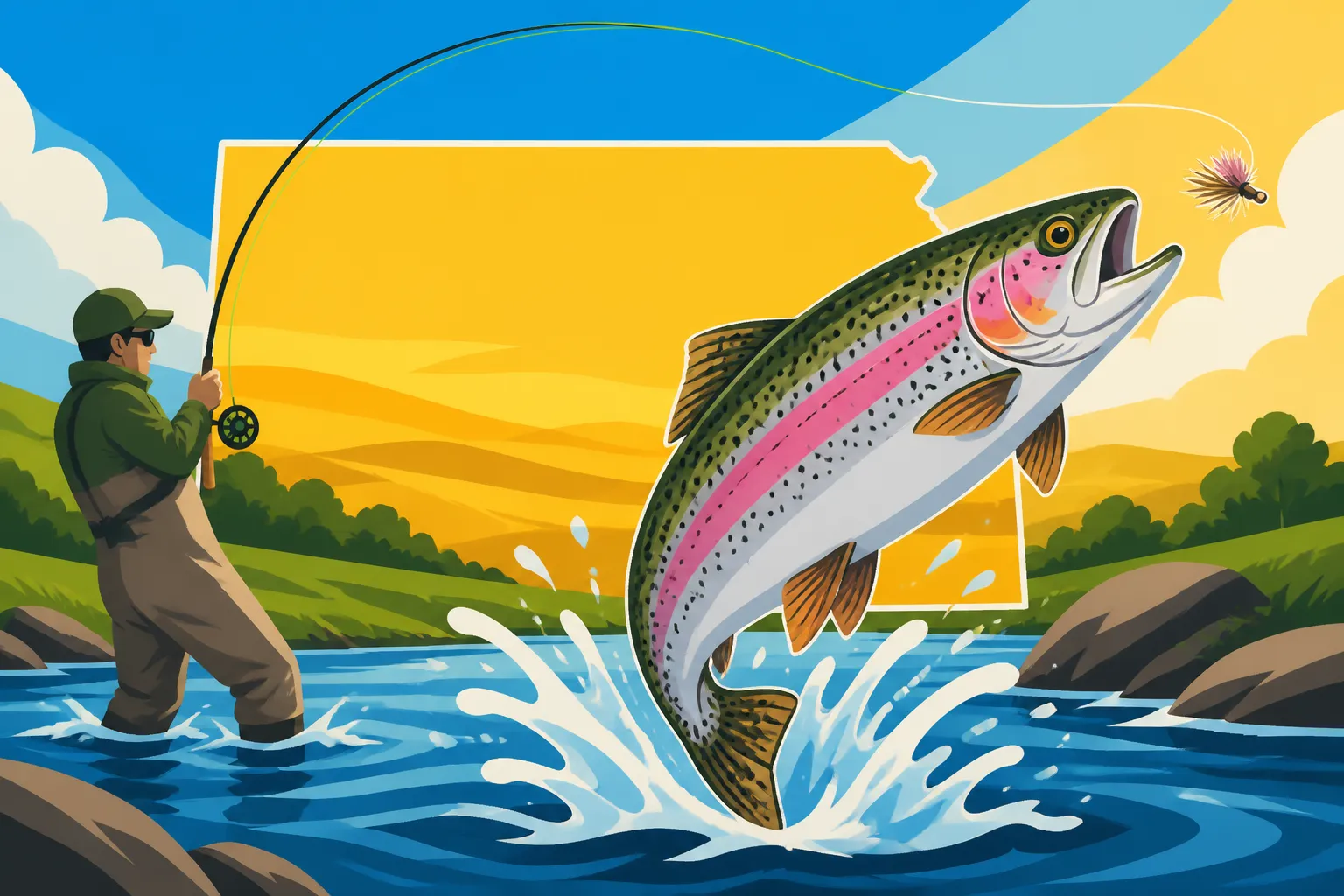
Many anglers in Kansas dream of catching beautiful rainbow trout, but it can feel like an impossible feat when you consider our state's warm water and lack of natural trout streams. The truth is, chasing these cold-water beauties in Kansas requires a specific approach and knowledge of the state's stocking programs. This guide will walk you through everything you need to know to successfully catch rainbow trout, making those chilly winter mornings on the water truly rewarding.
Understanding Kansas Rainbow Trout Opportunities
It’s a common misconception that Kansas, being a predominantly warm-water fishery state, doesn’t offer good trout fishing. While it's true that rainbow trout aren't native to our waters, the Kansas Department of Wildlife and Parks (KDWP) runs an impressive seasonal stocking program that brings these feisty fish right to our doorstep. This program allows anglers to experience a completely different type of fishing, especially when other species are hunkered down for the winter.
The KDWP Stocking Program Explained
The KDWP actively stocks rainbow trout in various community lakes, state fishing lakes, and select streams across Kansas, primarily during the colder months. This isn't just a haphazard dumping of fish; it's a carefully managed effort to provide a unique angling experience. These trout are raised in hatcheries and are generally of catchable size when introduced into our waters. They thrive in the cooler water temperatures that prevail from fall through early spring, making this the prime time to target them. Without this dedicated effort, many Kansans would have to travel significant distances to enjoy trout fishing, which is a real barrier for many families and hobbyists.
You'll find these stocking events typically kick off in late October or November and continue through March. It's smart to keep an eye on the KDWP website or local news sources for specific stocking schedules and locations. Knowing when and where the fish have been freshly stocked can give you a significant advantage, as these fish are often eager to bite shortly after release. For a detailed look at the season, check out our guide on Kansas Winter Trout Fishing Guide.
Identifying Prime Trout Fishing Locations
When the KDWP stocks trout, they're not just picking random ponds. They select water bodies that maintain adequate water quality and temperature throughout the winter months to support these cold-water species. Many of these are smaller community lakes, which makes them incredibly accessible for anglers of all ages and skill levels, even for those who prefer to fish from the bank. Places like Gage Park Pond in Topeka, Cedar Bluff State Park, and various other community lakes are popular choices. Even some larger reservoirs might see limited trout stockings in specific areas.
The beauty of these locations is their accessibility. You don't always need a boat or fancy gear to get to them. Often, a short walk from your vehicle puts you right on the bank of a stocked lake. This makes trout fishing a fantastic option for a quick after-work trip or a weekend family outing. However, it's crucial to remember that a special trout permit is often required in addition to your regular Kansas fishing license to fish in designated trout waters, regardless of your age. You can learn more about this specific requirement in our comprehensive Kansas Trout Permit Guide. The KDWP has a goal for the Number of Waterbodies Stocked With Kansas Trout each season, which is a testament to the program's reach.
Essential Gear for Kansas Trout Fishing
Successfully catching rainbow trout doesn't require a massive investment in specialized equipment, which is a relief for many of us just looking to enjoy a peaceful day on the water. However, having the right light tackle can make a huge difference in your success and overall enjoyment. Trout, especially stocked rainbows, can be quite finicky, so finesse is often the name of the game.
Rods, Reels, and Line Selection
For rainbow trout, you’ll want to lean towards lighter gear. A lightweight spinning rod, typically in the 5'6" to 6'6" range, with a fast or moderate-fast action, is ideal. This type of rod allows for delicate presentations of small baits and lures, and the sensitivity helps you detect subtle bites. Pair this with a small spinning reel, size 1000 to 2000, spooled with light line. Monofilament line in the 4 to 6-pound test range is usually perfect. It has a bit of stretch, which can be forgiving when a trout makes a sudden run, and it’s less visible in clear water conditions often found in winter. Fluorocarbon leader material, in 2 to 4-pound test, can also be a game-changer if the fish are particularly shy, as it’s virtually invisible underwater.
Think of it this way: you're not wrestling a giant catfish; you're coaxing a wary trout. Heavier line and tackle will make it harder to cast those tiny baits and lures, and trout are easily spooked by thick, visible lines. If you're looking for a good starting point, many brands offer affordable, balanced light tackle combos that you can often find on platforms like Amazon. These are excellent for beginners or anyone looking to add a dedicated trout setup without breaking the bank. For more general gear advice, our Kansas Fishing Gear Guide might offer some valuable insights. A setup similar to what you'd use for crappie, as discussed in Best Rod and Reel Combo for Crappie, can also work quite well for trout due to the similar light-tackle needs.
Must-Have Baits for Stocked Trout
When it comes to bait, stocked rainbow trout have a few clear favorites. PowerBait, specifically the floating varieties like PowerBait Trout Nuggets or PowerBait Dough, is arguably the most popular and effective. These baits come in a multitude of colors and scents, with chartreuse, orange, and rainbow being perennial favorites. The key with PowerBait is to mold it onto a small hook (size 10-14 treble or single) so it floats just off the bottom.
Beyond PowerBait, live or natural baits can be incredibly effective. Small worms, like red wigglers or pieces of nightcrawlers, are natural food sources for trout and often tempt even the most hesitant fish. Canned corn, while perhaps unconventional, is another surprisingly effective bait. Trout seem to be attracted to its bright color and scent, and it's easy to rig. Small artificial salmon eggs or even tiny marshmallows can also work in a pinch. The beauty of these options is their availability; you can pick them up at almost any bait shop or even some grocery stores. To dive deeper into bait options, check out Kansas Trout Fishing Bait and Lures.
Top Lure Choices for Aggressive Trout
While bait fishing often shines for stocked trout, lures can be incredibly effective, especially when trout are more active and aggressive. Small spinners are a classic choice. Brands like Panther Martin, Mepps, and Rooster Tail in sizes #0 to #2 are deadly. Their flashing blades and vibrating action mimic small baitfish or insects, which can trigger an aggressive strike. Cast them out and retrieve them steadily, varying your speed until you find what the fish prefer.
Tiny spoons, such as Kastmasters or Little Cleos, in sizes ranging from 1/16 to 1/8 ounce, are another excellent option. Their wobbling action on the retrieve can be irresistible. Consider colors like silver, gold, or those with bright accents. Micro jigs, often used for panfish, can also be fantastic for trout. Tipped with a small piece of worm, PowerBait, or even a tiny soft plastic grub, they can be slowly reeled or jigged near the bottom. When shopping for these, you'll find a vast selection online, including on Amazon, allowing you to compare options and find the best tackle for Kansas trout fishing.
Mastering Bait Fishing Techniques for Rainbow Trout
Bait fishing is often the most straightforward and effective method for catching stocked rainbow trout, especially if you're targeting them in ponds or slower-moving waters. The key is to understand how trout feed and present your bait in a way that looks natural and appetizing.
The PowerBait Floating Rig
This is probably the most popular and productive setup for stocked trout. The idea is to present your PowerBait just off the bottom, making it easily visible and accessible to foraging trout without it sinking into the mud or weeds.
Here’s how you set it up:
- Tie on a small hook: A size 10 to 14 treble hook or single salmon egg hook is perfect.
- Add a small swivel: About 10-12 inches above your hook, tie on a small barrel swivel. This helps prevent line twist, especially if you're using a spinning setup.
- Attach a sliding sinker: Above the swivel, thread on a small egg sinker or split shot. The weight should be just enough to cast your bait and keep it in place, usually 1/8 to 1/4 ounce. The sliding nature allows the trout to pick up the bait without feeling the weight of the sinker, making them less likely to drop it.
- Mold your PowerBait: Take a pea-sized amount of PowerBait and mold it completely around your hook, making sure the hook point is covered. Shape it into a small ball or teardrop. The goal is for it to float, lifting your hook and bait off the bottom.
Once cast, let the sinker settle to the bottom. The PowerBait will float up, creating a natural presentation. This setup is particularly effective in clear water where trout might be hesitant to root around on the bottom. It also keeps your bait visible, even if the bottom is mucky or covered in vegetation. Patience is key with this rig; let the bait sit for a while, as trout will often circle back for a closer look. If you're fishing in really cold water, like during peak winter, try using PowerBait specifically designed for colder temperatures, as fish metabolism slows down. Our guide on Best Bait for Winter Trout has more specific recommendations.
Effective Live Bait Presentations
While PowerBait is a go-to, live bait offers a natural appeal that can be hard to beat. Worms, especially smaller red wigglers, are a universal trout bait. You can rig a single worm on a small hook (size 10-14) with a tiny split shot a foot or so above it. Cast it out and let it slowly sink to the bottom, or suspend it under a bobber in shallower areas. The natural wiggling action of the worm is often irresistible to trout.
Canned corn is another secret weapon. While not "live," its bright color and sweet scent can attract trout. Rig 2-3 kernels directly onto a small hook, again with a small split shot to aid in casting. The slight buoyancy of corn can make it suspend enticingly in the water column.
A common scenario: you're fishing a local community lake on a chilly December morning. You've cast out your PowerBait rig, but after 20 minutes, no bites. Switching to a small red wiggler suspended under a slip bobber in a different area, perhaps closer to a drop-off or weed line, might just trigger a bite. The subtlety of live bait can be the trick when trout are being particularly finicky. Remember, trout are visual feeders, but scent also plays a huge role, especially in stained water.
Effective Lure Fishing Strategies for Rainbow Trout
Sometimes, trout want to chase. When they're in an aggressive mood, or if you're trying to cover more water quickly, lures are the way to go. The trick with lures is matching the size and action to what the trout are willing to strike, and often, less is more.
Spinners and Spoons: Flash and Wobble
Small inline spinners are a classic for a reason – they work! Brands like Mepps, Panther Martin, and Rooster Tail are renowned for their effectiveness. Sizes #0, #1, and #2 are generally best for stocked rainbows. The key to fishing spinners is a steady retrieve.
- Casting and Retrieving: Cast your spinner out and immediately begin a slow to medium retrieve. You want the blade to spin consistently, creating flash and vibration. Experiment with retrieve speed; sometimes a faster retrieve triggers a reaction strike, while other times a slower, more tantalizing retrieve is needed.
- Depth Control: If you're not getting bites near the surface, let the spinner sink for a few seconds before starting your retrieve to target deeper fish. The weight of the spinner will dictate its sinking rate.
- Color Choices: Silver and gold blades are universal. Blades with red, orange, or chartreuse accents can also be very effective, especially in stained water or on overcast days.
Spoons, like a small Kastmaster or Little Cleo (1/16 to 1/8 ounce), also offer a fantastic presentation. Their erratic wobbling action mimics a wounded baitfish, which is a strong trigger for predatory fish.
- Casting and Retrieval: Cast the spoon out and retrieve it with a steady, slow to medium pace. You can also try a "lift and drop" technique, where you lift your rod tip to make the spoon dart, then let it flutter back down on a semi-slack line. Many strikes occur on the fall.
- Color and Size: Again, silver and gold are great starting points. Small, flashy spoons are generally preferred.
Imagine you're at Lake Shawnee in Topeka, and it's a sunny winter afternoon. The PowerBait isn't working, but you see a few trout rise near the surface. Tying on a silver Mepps spinner and fan-casting across the area, varying your retrieve speed, might just land you a strike as a trout instinctively chases the flash. Our Best Lures for Kansas Walleye guide offers insights into lure selection for another popular Kansas game fish, and while walleye lures are typically larger, the principles of color and action can still be useful.
Jigging Techniques for Trout
Micro jigs are often overlooked for trout, but they can be incredibly effective, especially when fish are holding tight to structure or are less active. These are tiny jigs, usually 1/32 to 1/8 ounce, often tipped with a small soft plastic grub, a piece of PowerBait, or even a single kernel of corn.
- Vertical Jigging: If you're fishing from a boat or a pier over deeper water, vertical jigging can be deadly. Drop the jig straight down to the desired depth and gently lift and drop your rod tip, imparting a subtle up-and-down motion. This mimics small insects or dying baitfish.
- Slow Retrieve: From the bank, you can cast micro jigs out and retrieve them very slowly, with occasional pauses and twitches. The light weight of the jig allows for a natural, slow fall that can entice hesitant trout.
- Float and Jig: Sometimes, suspending a micro jig under a small bobber can work wonders. The bobber keeps the jig at a consistent depth, and small ripples on the water surface will impart a subtle jigging action.
A hypothetical: You’re fishing a local pond with a particularly murky bottom, and the trout are staying deep. You've tried PowerBait, but it keeps getting fouled. Rigging a white 1/32 oz Marabou jig tipped with a Berkley Gulp! Alive! Waxies on a light spinning rod allows you to slowly work the bottom, feeling for subtle takes. The scent and natural action of the jig might just be what they’re looking for. Many anglers find a good selection of these small jigs and plastics on Amazon.
Finding the Best Trout Fishing Spots and Times
Knowing where and when to fish for rainbow trout in Kansas is just as important as having the right gear and techniques. Since trout are stocked, their distribution and availability are largely determined by the KDWP’s efforts and the prevailing weather conditions.
KDWP Designated Trout Waters
The KDWP maintains a list of designated "Trout Waters" that receive regular stockings throughout the fall and winter months. These are your absolute best bets for finding rainbow trout. Many of these are smaller ponds within urban community parks, making them incredibly accessible. Examples include places like Vic's Lake in Wichita, Cedar Bluff State Park, and Mined Land Wildlife Areas, among others. Each year, the specific list can change slightly, so it's always a good idea to check the current KDWP fishing regulations or website for the most up-to-date information.
These community lakes are fantastic because they often have good bank access, paved paths, and sometimes even handicap-accessible fishing piers, making them welcoming for all anglers. However, because they are so accessible, they can also experience heavier fishing pressure, especially right after a stocking event. If you prefer a less crowded experience, consider visiting during weekdays or slightly off-peak hours. Always remember to check if a Kansas State Park Fishing Permit Rules apply in addition to your trout permit if you're fishing within state park boundaries.
Seasonal and Daily Considerations
The prime season for rainbow trout in Kansas runs from roughly late October through March. During this period, water temperatures are consistently cool enough for trout to thrive and be active. Once spring truly sets in and water temperatures rise above 65-70 degrees Fahrenheit, the trout become stressed and less active, often dying off as summer approaches. This is why the Kansas Winter Trout Season License Rules are so important; it’s a specific window designed for these fish.
- Time of Day: In the colder months, the warmest part of the day, typically late morning to mid-afternoon, often provides the best fishing. The sun warming the water even a few degrees can make a big difference in trout activity levels. However, trout can bite at any time, so don't rule out early mornings, especially if the weather is mild.
- Weather Conditions: Overcast days with light rain or snow can sometimes trigger excellent trout bites, as the low light conditions make them feel more secure. Avoid fishing immediately after a major cold front, as fish tend to become lethargic.
The KDWP typically publishes a trout stocking schedule, which is invaluable. Fishing a lake within a day or two of a fresh stocking can lead to some truly fast and furious action, as the fish are often disoriented and hungry.
Essential Trout Fishing Table: Baits, Lures, and Presentation
To help you quickly reference the best options, here's a table summarizing common baits and lures for Kansas rainbow trout, along with their recommended presentation techniques.
| Bait/Lure Type | Recommended Size/Weight | Key Colors/Scents | Best Presentation Technique | Notes |
|---|---|---|---|---|
| PowerBait Dough | Pea-sized ball | Chartreuse, Orange, Rainbow, Garlic | Mold onto hook, suspend off bottom with sliding sinker. | Very effective for stocked trout. Allows scent to disperse. |
| PowerBait Nuggets | Single nugget | Chartreuse, Orange, Green | Rig directly on hook, suspend off bottom with sliding sinker. | Convenient, pre-formed. |
| Red Wigglers/Worms | Small pieces or whole | Natural | On small hook, light split shot; still fish or under bobber. | Natural bait, often effective when trout are finicky. |
| Canned Corn | 2-3 kernels | Yellow | On small hook, light split shot; still fish or under bobber. | Surprisingly effective, sweet scent, bright color. |
| Inline Spinners | #0 – #2 (1/16 – 1/8 oz) | Silver, Gold, Copper, Chartreuse | Cast and slow to medium steady retrieve. | Mimics baitfish, good for active fish. Vary retrieve speed. |
| Small Spoons | 1/16 – 1/8 oz | Silver, Gold, Rainbow Trout | Cast and slow wobble retrieve; lift & drop action. | Erratic action, good for predatory trout. |
| Micro Jigs | 1/32 – 1/8 oz | White, Pink, Chartreuse, Black | Slowly retrieve, vertical jig, or under a bobber. | Effective for less active fish or when imitating small insects. Tipped with bait. |
Handling Your Catch and Regulations
Once you’ve successfully hooked a rainbow trout, how you handle it is important, whether you plan to keep it for the dinner table or release it to fight another day. Moreover, being aware of the specific regulations for trout fishing in Kansas is non-negotiable.
Responsible Fish Handling
Rainbow trout are delicate fish, especially when caught in warmer water (though in Kansas, you're usually targeting them in cold water). If you intend to release a trout:
- Minimize Handling: Try to keep the fish in the water as much as possible. If you must handle it, do so with wet hands to protect its slime coat, which is vital for disease resistance.
- Remove Hook Quickly: Use needle-nose pliers or a dehooking tool to remove the hook gently and quickly. If the fish is deeply hooked, it’s often best to cut the line as close to the hook as possible rather than tearing vital organs.
- Revive Carefully: Hold the fish gently in the water, facing into any current, until it can swim away on its own. Don't just toss it back; ensure it has regained its strength.
If you plan to keep your catch, which is perfectly fine within legal limits, it’s best to dispatch it quickly and humanely. A swift blow to the head or severing the gills are common methods. Then, place it immediately on ice to preserve its freshness. There's nothing quite like a freshly caught rainbow trout, pan-fried or baked, for a delicious meal.
Understanding Kansas Trout Regulations
Kansas has specific regulations that apply to trout fishing, primarily due to the seasonal stocking program. The most crucial regulation is the requirement for a trout permit. This permit is required for anyone fishing in designated trout waters during the trout season, regardless of whether you are a resident or non-resident, and regardless of your age, unless specifically exempted (e.g., during Free Fishing Days if applicable, but usually a trout permit is still needed). Even if you have a valid Kansas fishing license, you still need that trout permit. Failing to have one can result in a hefty fine, as detailed in our guide on Kansas Fishing Law Enforcement and Penalties.
Beyond the permit, you'll need to be aware of creel limits and sometimes length limits. For stocked rainbow trout in Kansas, the daily creel limit is typically 5 fish. There are generally no length limits for these stocked trout, but it’s always best to consult the most current Kansas Fishing Regulations Summary, available on the KDWP website or at license vendors. These regulations are in place to manage the fishery and ensure everyone has a fair chance to enjoy the resource. You can always find more general information about all fishing rules in our Kansas Fishing Regulations Explained article.
Disclaimer
Fishing conditions and regulations in Kansas can change. Always consult the latest Kansas Department of Wildlife and Parks (KDWP) regulations before heading out on the water. This guide is for informational purposes only and does not supersede official KDWP rules and guidelines.