Best Time to Fish Before a Storm in Kansas
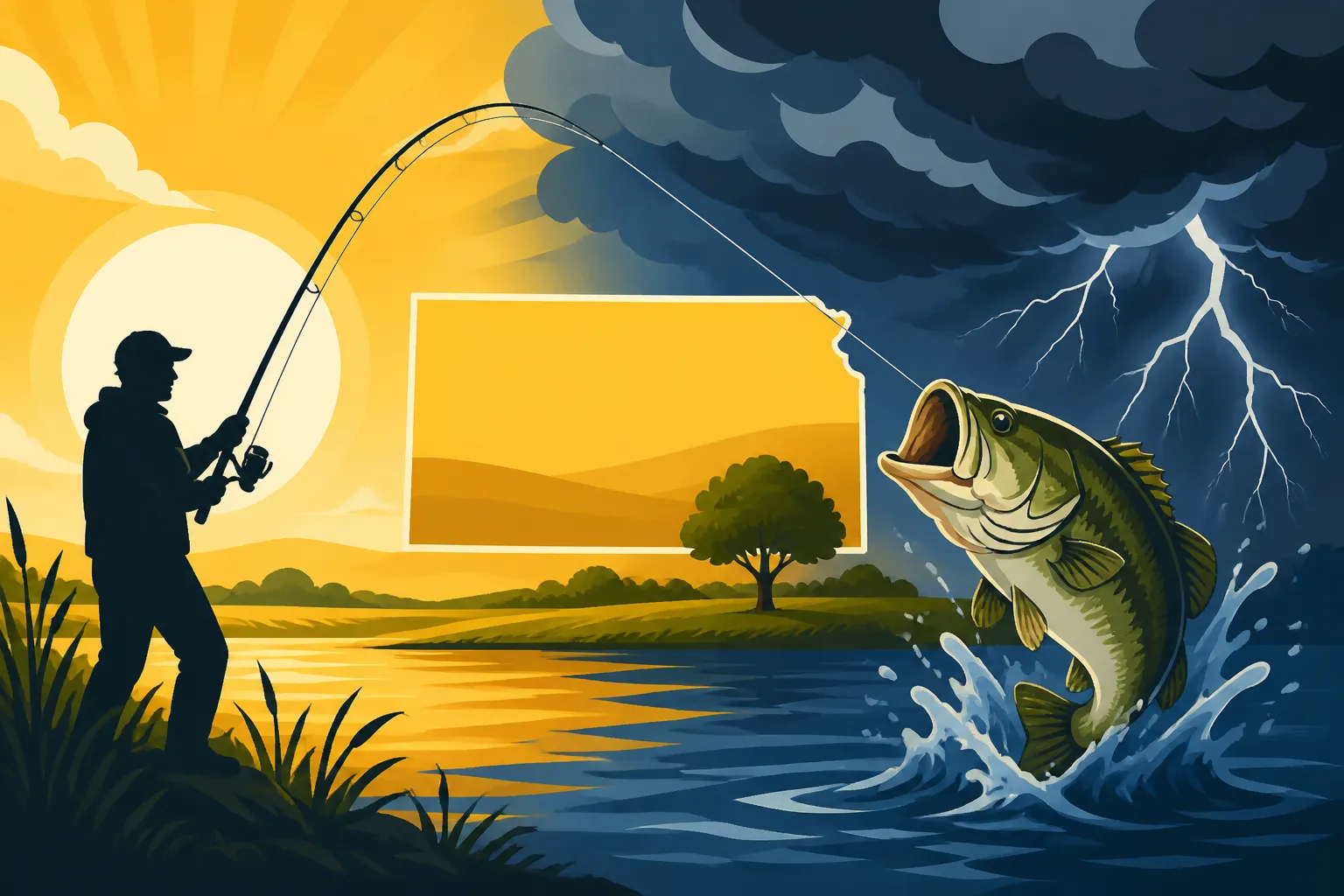
There's nothing quite like the feeling of watching those ominous storm clouds gather on the horizon, knowing that your perfect day of fishing might be cut short. But what if I told you that those pre-storm conditions often present a golden opportunity for some of the most active fishing? Many of us have experienced the frustration of packing up just as the bite gets hot, or conversely, staying out too long and getting caught in a downpour. This guide will walk you through understanding the subtle cues of an approaching storm in Kansas and how to capitalize on that often-elusive "hot bite" just before it hits, while always prioritizing safety.
The Science Behind the Pre-Storm Bite: Barometric Pressure Shifts
It might sound a bit like science class, but understanding barometric pressure is truly key to unlocking the pre-storm bite. Barometric pressure refers to the weight of the air pressing down on the Earth. Fish, like many creatures, are incredibly sensitive to changes in this pressure, and it profoundly affects their comfort and feeding patterns.
Understanding High vs. Low Pressure Systems
Think of high-pressure systems as clear skies, calm winds, and generally stable weather. Under these conditions, the pressure is high, and fish can often feel a bit sluggish. Their swim bladders, which help them maintain buoyancy, are compressed more, making them less comfortable and often leading them to deeper, more stable water. The fishing can be tough, requiring more finesse and patience.
Conversely, low-pressure systems are associated with unsettled weather – clouds, wind, and yes, storms. As a low-pressure system moves in, the atmospheric pressure drops. This is where the magic often happens for anglers. As the pressure falls, fish's swim bladders expand slightly, making them more active and comfortable. This increased comfort, coupled with the instinct to feed aggressively before the weather truly turns sour, often triggers a feeding frenzy. It's their biological clock telling them, "Eat now, because who knows when the next easy meal will come!" The changing pressure, often alongside a shift in wind and light, can make fish feel more secure to move into shallower feeding grounds. For a deeper dive into this phenomenon, check out our guide on whether Does Barometric Pressure Affect Kansas Fishing?.
The Critical Drop: When Fish Get Active
It's not just any low pressure; it's the falling pressure that's typically the most impactful. When the barometer starts to drop steadily, say over a few hours, that's your cue. Fish sense this change acutely. This period, just before the full force of the storm arrives, is when many species become incredibly active. They’re not just comfortable; they’re often aggressively seeking food. This is particularly true for predatory fish like walleye, bass, and even catfish.
This isn't to say fishing during a storm is good – it's almost never safe or productive. But that window just before the heavy rain and lightning hit? That's prime time. This rapid change signals to fish that a big disruption is coming, and they need to capitalize on the current conditions. They often move from deeper holding patterns to shallower feeding flats, rocky points, and submerged structures, making them more accessible to anglers fishing from shore or boat.
Reading Nature's Cues: Visual and Sensory Signs of an Approaching Storm
While a good barometer app on your phone can give you scientific data, learning to read the natural world around you is an invaluable skill for any Kansas angler. The sky, the wind, and even the behavior of other wildlife can provide critical clues about an impending storm.
Cloud Formations and Wind Shifts
One of the most obvious indicators is the clouds. Start paying attention to them. If you see towering cumulus clouds building, especially with darkening bases, these are thunderheads (cumulonimbus clouds) in the making. They signal significant atmospheric instability. Flat, grey, uniform clouds, known as stratus clouds, might just mean rain, but if they start to thicken and darken, or are accompanied by a sharp drop in temperature, a storm is likely. Another key indicator is the wind. Often, before a strong storm, you'll experience a noticeable shift in wind direction or an increase in wind speed. A sudden calm, sometimes called the "calm before the storm," can also be a tell-tale sign, often followed by a dramatic gust from a different direction.
I remember being out on Milford Lake once, enjoying a perfectly calm morning. Suddenly, a light breeze picked up from the north, completely contrary to the usual southwesterly winds. Within an hour, the skies were darkening rapidly, and we had just enough time to get back to the ramp before the squall hit. That sudden wind shift was our early warning system. Understanding how Does Wind Direction Affect Kansas Walleye Fishing? can give you even more insights into these subtle changes.
Other Environmental Indicators
Beyond clouds and wind, keep an eye on the bigger picture. A sudden drop in temperature, even a few degrees, can signal that a cold front is pushing in, often bringing storms with it. Listen to the sounds around you. A distant rumble of thunder, even if the sky still looks clear overhead, is a definite sign to start thinking about safety and wrapping up your fishing. The air might feel heavy and humid, almost oppressive, just before a thunderstorm. Some anglers even swear that certain insects become more active or disappear before a storm. Pay attention to birds; if they suddenly stop singing or fly to lower perches, it could be a sign of changing weather. If you're near a body of water like Cheney Reservoir, watch for changes in the water's surface – a sudden chop or ripple can also be an early indicator of wind picking up from an approaching system.
Table: Pre-Storm Indicators for Kansas Anglers
| Indicator | What to Look For | Significance | Action for Anglers |
|---|---|---|---|
| Barometric Pressure | Steady fall on a barometer | Fish become more active and comfortable. | Get ready for an aggressive bite; consider larger baits. |
| Clouds | Tall, dark cumulus or cumulonimbus; rapidly thickening stratus | Thunderstorms or heavy rain imminent. | Prepare to fish aggressively, but prioritize safety for exit. |
| Wind | Sudden shift in direction; increasing speed; sudden calm | Signals approaching front; can trigger fish activity. | Position for wind; use wind-swept areas, but stay safe. |
| Temperature | Noticeable drop in temperature | Cold front likely arriving, often with storms. | Fish can be active but may shut down post-front. |
| Humidity/Air | Heavy, muggy, oppressive feeling | High moisture content, common before thunderstorms. | Stay hydrated; watch for storm development. |
| Sounds | Distant thunder | Lightning is present; storm is within striking distance. | Begin preparing to leave the water immediately. |
Pre-Storm Fish Behavior: What to Expect from Different Species
Knowing that a storm is brewing is one thing, but knowing how the fish will react is the real secret sauce. Different species react differently to these changing conditions, and understanding their typical behavior can help you target them effectively during that hot pre-storm window.
Aggressive Feeding by Predators
Many of Kansas's prized predatory fish, like walleye, white bass, wipers, and even largemouth and smallmouth bass, often go into an aggressive feeding mode just before a storm. The falling barometric pressure and increased cloud cover provide a sense of security, encouraging them to move into shallower water to feed. The choppy water created by pre-storm winds also helps break up light penetration, making them bolder and less cautious about attacking bait.
For walleye, this might mean moving onto rocky points and flats in lakes like Wilson Lake or Milford Lake. Large spinnerbaits, crankbaits, or even big jerkbaits can be highly effective during this period. For white bass, a classic "white bass run" can sometimes be triggered or intensified by these conditions, especially near river mouths or dam outflows. Consider throwing silver spoons or small topwater lures. The key is to be ready with aggressive presentations and to work your lures quickly. You might even find some excellent topwater action for bass if the clouds are thick enough to cut down on direct sunlight.
Catfish and Panfish Opportunities
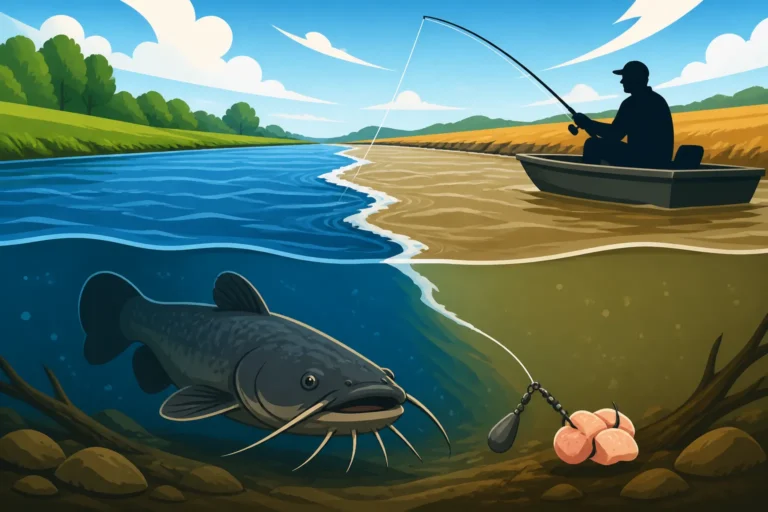
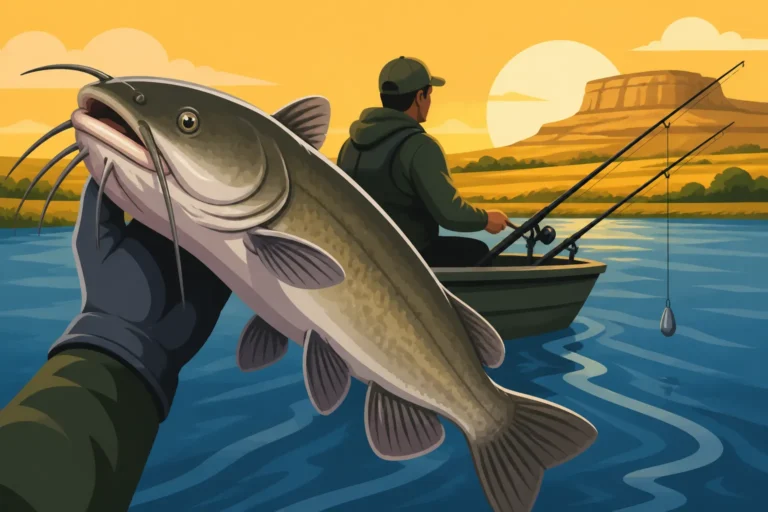
Catfish, too, are often very active before a storm. Channel catfish, in particular, seem to love those low-pressure conditions, often moving into shallower, muddier areas to forage. For many anglers, this is considered the Best Weather for Catfish Fishing in Kansas. They're less bothered by the darker conditions and appreciate the slightly murkier water that often accompanies wind and rain. This is a fantastic time to use stink baits, cut bait, or even chicken livers. You might find them cruising along creek channels or congregating near submerged timber. Knowing the Best Bait for Kansas Catfish can make a huge difference here.
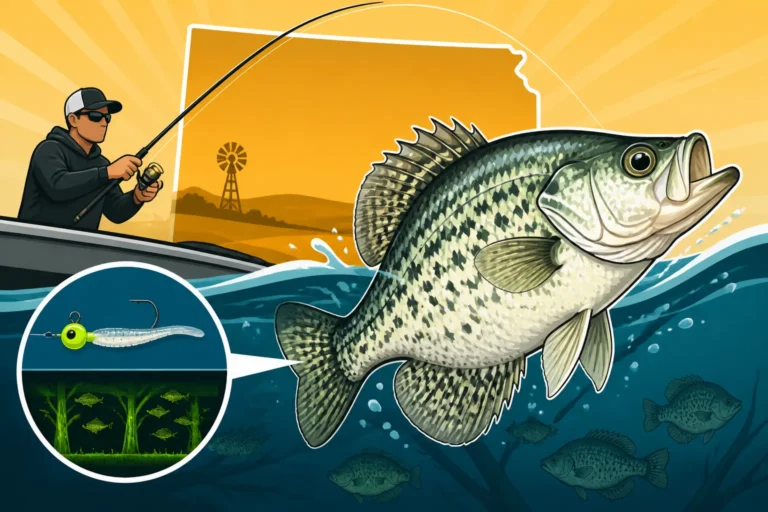
Panfish like crappie and bluegill can also get in on the action, though perhaps not with the same aggression as predators. Crappie might move tighter to structure like brush piles or submerged trees, feeling more secure under the dimming skies. They might feed more consistently on minnows or small jigs. Bluegill might also become more active, especially if the winds are blowing food items their way. They might be a bit more scattered, but if you find a concentration, you can often catch several quickly before the weather turns.
Tactics for Fishing Before a Storm in Kansas
Okay, so you've read the signs, and you know the fish are likely getting active. Now, how do you make the most of that narrow window before the storm truly hits? It's all about adjusting your approach.
Choosing the Right Lures and Baits
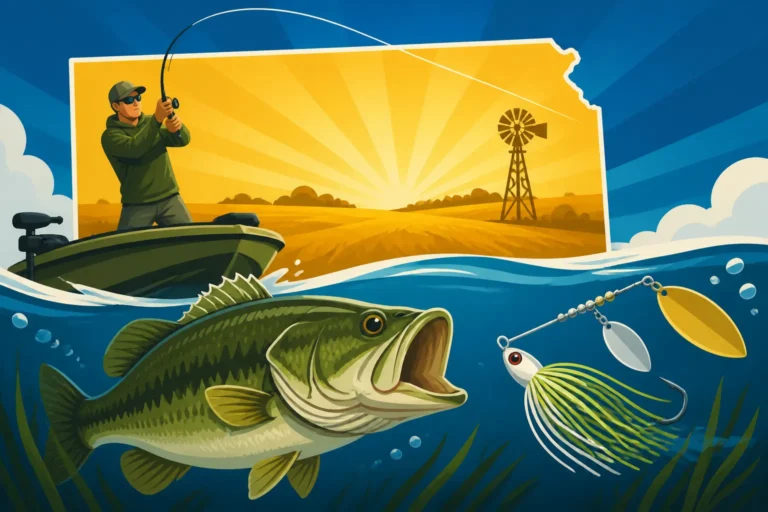
Given the fish's increased activity and often reduced wariness, you can usually get away with more aggressive presentations. For walleye, consider larger crankbaits in bright or metallic colors, or even a jigging spoon ripped through the water column. White bass will often hit anything shiny and fast-moving, so lipless crankbaits, Kastmaster spoons, or even small topwater poppers can be killer. Check out our guide on the Best Lures for a White Bass Run for more specific recommendations. For bass, spinnerbaits, chatterbaits, and even larger soft plastics presented aggressively can trigger reaction strikes.
For catfish, this is a prime time for strong-smelling baits. Prepared stink baits, fresh cut bait (like shad or carp), or large pieces of chicken liver rigged on a heavy bottom rig can be incredibly effective. Don't be shy about using larger hooks and heavier line, as these fish are often feeding with gusto. You can find a fantastic selection of all these baits and lures on platforms like Amazon, making it easy to stock up before your next trip.
Locating Pre-Storm Hotspots
Fish tend to move from their deeper holding patterns to shallower feeding areas before a storm. Focus on points, submerged humps, weed lines (if present), and creek channels that lead into open water. Wind-blown banks can also be highly productive, as the wind often concentrates baitfish and oxygenates the water. If you're on a larger reservoir like Tuttle Creek Lake, identify areas where the wind has been consistently pushing water for a while; these spots are often loaded with active fish.
Using a fish finder can be incredibly helpful during these conditions to quickly locate schools of baitfish or game fish moving into shallower water. A good unit can help you pinpoint those crucial depths and structures where fish are staging. Learn more about how to maximize your electronics in our guide on How to Use a Fish Finder on a Kansas Lake. If you're bank fishing, look for areas with quick access to deeper water, such as the edge of a drop-off or a channel bend in a river like the Kansas River. These transitional zones are where fish will often stage as they move up to feed.
Safety First and Preparedness
While the pre-storm bite can be incredible, your safety should always be your top priority. Watch the sky constantly, and if you hear thunder, even distant, it's time to head in. Lightning is no joke, especially on open water. It’s better to miss out on a few more bites than to put yourself in harm's way.
Always have a plan for getting off the water quickly. Know where the nearest boat ramp or safe shoreline is. Carry appropriate rain gear – a good quality set of waterproof jacket and pants is essential. You can find durable options on Amazon that will keep you dry through unexpected downpours. Consider bringing along a portable weather radio or keeping a weather app handy on your phone. Even though the fishing can be phenomenal, you need to be prepared for the moment the storm actually arrives. Having quality Best Rain Gear for Spring Fishing in Kansas can make your exit far more comfortable, even if it doesn't extend your fishing time. Remember, the goal is to enjoy the thrill of the bite, not to challenge Mother Nature.
After the Storm: What Happens Next?
So you've packed up safely, perhaps with a cooler full of fish from that amazing pre-storm bite, and the storm has passed. What now? The fishing can change dramatically once a low-pressure system has moved through and a high-pressure system settles back in. Often, after a major storm, especially one with a cold front, the fish can become much less active.
Post-Front Blues
When a cold front pushes through, it usually brings stable, high-pressure conditions in its wake. This can often result in what anglers call the "post-front blues." The fish, which were so active during the falling pressure, might now feel the increased pressure, become less comfortable, and retreat to deeper water or hold tight to cover. The water might be muddier, and the temperature might have dropped. You'll likely need to switch to more subtle, slower presentations to entice a bite. It's a completely different game than the pre-storm frenzy. For tips on navigating these tougher conditions, read our article on How to Fish After a Cold Front in Kansas.
Finding Opportunity in the Wake of the Storm
Even after a storm, opportunities can arise. If the storm brought a good amount of rain, it might have caused rivers to rise and become muddy. This can be fantastic for catfishing, as the increased flow and turbidity wash food items into the main channel. You might find great success on the Best Time to Fish a Kansas River After Rain. If your local lake is fed by smaller creeks, fresh inflows can also concentrate baitfish and predatory species around those mouths. So, while the immediate aftermath might be slow, keep an eye on water levels and clarity, as new opportunities might emerge as the system stabilizes.
Always remember that fishing in Kansas, like anywhere else, is about adapting to the conditions. The pre-storm window offers some of the most exciting action, but always approach it with respect for the weather and a solid safety plan. Tight lines, and stay safe out there!
Disclaimer
This article is for general informational purposes only and does not constitute professional advice. Laws, prices and regulations vary by location and change over time. Consult a qualified professional for guidance on your specific situation.