Best Spot Below Milford Dam for White Bass
If you've ever tried to chase white bass in Kansas, you know how frustrating it can be to hit a spot at the wrong time or with the wrong setup. Everyone talks about the "run," but pinpointing exactly where the fish stack up and what they're biting can feel like a closely guarded secret. Well, I'm here to tell you that the outflow area directly below Milford Dam on the Republican River isn't just a good spot—it's often the spot for consistent white bass action. This guide will walk you through everything you need to know to make your next trip a success, from understanding why the fish gather here to the best tactics to put them in the cooler.
Why the Milford Dam Outflow is a White Bass Magnet
The area immediately below Milford Dam isn't just another stretch of river; it's a dynamic, nutrient-rich bottleneck that acts as a natural aggregation point for white bass. Understanding why these fish congregate here is key to unlocking consistent success. It's all about flow, food, and instinct.
The Power of the Current and Oxygenation
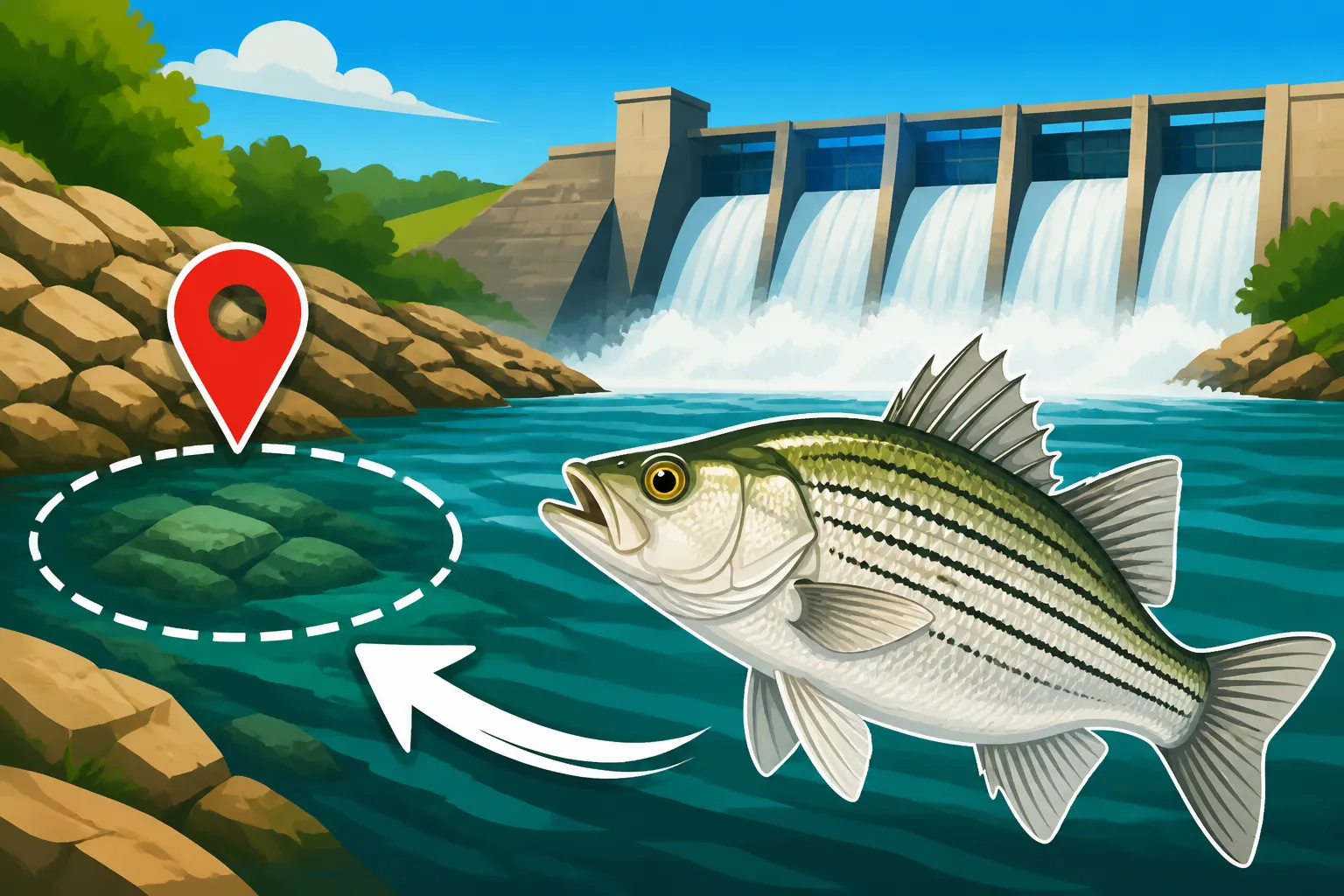
Think about what happens when water is released from a massive reservoir like Milford Lake. It creates a significant current in the Republican River downstream. This isn't just any current; it's often highly oxygenated water tumbling over the spillway or through the gates. White bass, being active and schooling predators, thrive in these conditions. Higher oxygen levels invigorate them, making them more aggressive and prone to feeding frenzies. The turbulent water also disorients baitfish, making them easier targets for the hungry white bass that patrol these waters. It's a natural conveyor belt of sustenance.
This constant movement also means that debris, smaller organisms, and disoriented baitfish are continually flushed into the river below. The white bass don't have to work as hard to find their next meal; the current often brings it right to them. This efficient feeding ground draws large schools, creating prime conditions for anglers. You'll often find them just on the edge of the fastest current, waiting to ambush anything that washes by.
Concentrated Baitfish and Structure
Below any large dam, you'll naturally find areas where baitfish like shad, minnows, and smaller panfish get concentrated. They seek refuge from the main current in eddies, slack water pockets, and around any available structure. This "structure" can be anything from riprap along the bank, submerged rock piles, bridge pilings, or even simply the natural contours of the riverbed. These areas become perfect ambush points for white bass. They'll lurk on the current seams, darting out to strike at passing baitfish, then retreating to conserve energy.
Anglers who understand this dynamic know to target these current breaks and visible structures. Observing the water for signs of schooling baitfish—like dimples on the surface or sudden splashes—is a dead giveaway that the buffet is open for the white bass. Often, the dam itself provides massive underwater structure, creating deep scour holes and varied bottom contours that attract fish. It's a natural ecosystem designed for predator and prey interaction, and you, the angler, are just dropping in for the show.
Timing Your Visit for Peak White Bass Action
Knowing the best spot is only half the battle; knowing when to go can make all the difference between a few bites and a memorable day of non-stop action. White bass are highly seasonal and react strongly to specific environmental cues, especially around Milford Dam.
The Iconic White Bass Run
If there's one thing every Kansas angler dreams of, it's hitting the white bass run just right. The Kansas White Bass Run Timing is typically a spring phenomenon, often kicking off in late March or April and continuing into May, when white bass migrate upstream from Milford Lake into the Republican River to spawn. The dam outflow becomes a major bottleneck for these migrating fish, creating incredible concentrations. As water temperatures rise, their urge to spawn increases, and they stack up below the dam, waiting for the right conditions to move further upstream. This is when the fishing can be truly phenomenal, with anglers sometimes catching fish almost every cast.
However, the "run" isn't a static event; it ebbs and flows with water levels, temperature, and dam releases. A strong, steady current from the dam often signals a good run, but too much discharge can blow out the river, making fishing difficult. Conversely, too little flow can mean the fish aren't moving up as aggressively. Keeping an eye on local reports and the Kansas Department of Wildlife, Parks and Tourism (KDWPT) website for river conditions can give you a critical edge during this peak season. Don't forget to check the Kansas Fishing Seasons Guide for broader insights into fishing trends.
Best Times of Day and Seasonal Nuances
While the spring run is legendary, white bass can be caught below Milford Dam throughout much of the year, just with different strategies. During the summer months, early morning and late evening often provide the best action, as the fish become more active in cooler water temperatures and lower light conditions. They'll still hold in those current seams, but might move a bit deeper to escape the midday sun. Night fishing can also be surprisingly effective in summer, especially with lights that attract baitfish.
In fall, as water temperatures begin to drop, white bass will again become very active, feeding heavily in preparation for winter. This can offer another fantastic period of fishing, though perhaps not with the sheer numbers seen during the spring spawn. Even in winter, if the dam is releasing water and the river isn't iced over, you can sometimes find active white bass, though they'll be more sluggish and less aggressive. Consider checking the Best Time of Day to Fish in Kansas for general guidance that applies here, but always prioritize the dam's release schedule.
Mastering the Techniques for Dam Fishing
Fishing below a dam isn't like fishing a quiet pond. The currents, the concentration of fish, and the specific forage require specialized techniques to consistently catch white bass. It's about presentation and matching the hatch, so to speak.
Lure Selection and Presentation
White bass are aggressive and react well to fast-moving lures that mimic baitfish. Your tackle box should be well-stocked for this kind of action. Small, silver or white spoons are absolute classics; Kastmasters, Little Cleos, or Rattle Traps are excellent choices. Quarter to half-ounce options are usually perfect. Simply casting them out and retrieving them with a steady retrieve, or a jigging motion, can be incredibly effective. Inline spinners, like a Rooster Tail or Mepps Aglia, also shine, especially those with white or chartreuse dressings. These create flash and vibration that white bass find irresistible. You can find a wide selection of these effective lures on Amazon.
Another killer option is a small jig, particularly a white or chartreuse lead head jig with a plastic grub body. These can be fished in a variety of ways: cast out and reeled steadily, bounced along the bottom, or vertically jigged directly below the boat or from the bank. Often, a jigging spoon or a heavier jig works best to get down quickly in the strong current. Experiment with retrieve speeds and jigging actions until you find what the fish are responding to that day. Sometimes, they want a fast, erratic retrieve; other times, a slower, more methodical presentation is key. Check out Best Lures for Kansas White Bass for more specific recommendations.
Bait and Rigging Strategies
While lures are often king for white bass, live bait can be incredibly effective, especially when the fish are less aggressive or during slower periods. Small minnows are a top choice. They can be fished under a bobber in slack water or on a simple Carolina rig or bottom rig to get them down into the current. Using a small split shot or two above a single hook can keep your minnow naturally drifting in the current, right into the path of a hungry white bass. Nightcrawlers or pieces of cut bait can also entice a bite, though minnows are generally preferred for white bass. Remember to match your hook size to your bait; a small, sharp hook is crucial for getting good hooksets on their often-tough mouths.
For rigging, a simple jig head is hard to beat for versatility. For fishing minnows or small soft plastics, try an 1/8 to 1/4 ounce jig head, perhaps tipped with a small piece of worm or even a Berkley Gulp! minnow imitation. When the current is ripping, you might need to go heavier. A good quality fishing vest from Amazon can help keep your small baits and terminal tackle organized and easily accessible. Just make sure whatever rig you choose can get down to where the fish are holding without constantly snagging on the bottom.
Here's a quick comparison of popular techniques and lures for white bass below Milford Dam:
| Technique | Lure/Bait Type | Best Conditions | Notes |
|---|---|---|---|
| Casting & Retrieving | Spoons, Inline Spinners, Crankbaits | Active fish, good current | Mimics fleeing baitfish, covers water quickly. |
| Jigging | Lead-head Jigs with Grub Tails, Jigging Spoons | Fish holding deeper or in slower current | Versatile, allows for vertical presentation in strong flow. |
| Bottom Bouncing | Carolina Rig with Minnow/Plastic | Less aggressive fish, targeting bottom | Presents bait naturally near the riverbed, reduces snags. |
| Suspended Fishing | Bobber & Minnow/Jig | Slack water, eddies | Effective for fish holding at specific depths, visual bite detection. |
Essential Gear and Safety for Fishing Below the Dam
Fishing below a dam comes with its own set of challenges and safety considerations. The powerful currents and often uneven terrain demand that anglers come prepared with the right gear and a healthy respect for the river.
Rod and Reel Combinations
For white bass, you'll want a rod and reel setup that's versatile enough to handle both casting smaller lures and fighting strong, feisty fish in current. A medium-light to medium action spinning rod, typically 6 to 7 feet in length, is ideal. This length provides good casting distance and enough backbone to manage a hooked fish without being overly cumbersome. Pair it with a reliable spinning reel in the 2000-3000 size range, spooled with 6 to 10-pound monofilament or fluorocarbon line. Braided line in the 10 to 15-pound range with a fluorocarbon leader can also be an excellent choice, offering superior sensitivity and strength, which is a huge advantage when fishing swift currents.
Having a good setup that you're comfortable with makes a huge difference. Check out options like the Best Rod and Reel Combo for Catfish if you're thinking of targeting other species, but for white bass specifically, prioritize sensitivity and a smooth drag system. You'll be making a lot of casts, so comfort and balance in your rod and reel will reduce fatigue.
Wading, Footwear, and Safety Gear
If you plan to wade the river below Milford Dam, extreme caution is paramount. The current can be deceptively strong, and the bottom can be uneven, rocky, and slippery. Always wear a good pair of studded wading boots or boots with excellent grip. Waders are essential for staying dry in colder water, but they can also pose a safety risk if you fall. A wading belt should always be worn snugly around your waist to help prevent your waders from filling with water in case of a tumble. Never wade alone, and always let someone know where you're going and when you expect to return.
Beyond appropriate footwear and waders, a personal flotation device (PFD) or life jacket is highly recommended, especially if you're wading in deeper or faster sections. Even if you're just fishing from the bank, having one available is a good idea. A sturdy wading staff can provide extra stability and help you probe the bottom for hazards. Portable tackle boxes and gear bags are essential for keeping your lures, tools, and personal items secure. You can check out the various options for portable tackle boxes on Amazon to find one that suits your needs. For broader information, consider reviewing the Kansas Life Jacket and Boating Safety Guide.
Respecting Regulations and the Environment
Fishing below Milford Dam is a privilege, and it's our responsibility as anglers to ensure we're following the rules and protecting this valuable resource. Ignoring regulations not only harms the fishery but can also lead to hefty penalties.
Understanding Local Regulations
Before you even make your first cast, you need to be familiar with the Kansas Fishing Regulations Explained, specifically those pertaining to Milford Lake and the Republican River. This includes understanding statewide bag and length limits for white bass, which can sometimes have special regulations for specific bodies of water. Always have your current Kansas Fishing License Guide readily available, whether it's a physical copy or a digital version on your phone. Dam outflow areas can sometimes have unique rules regarding fishing methods, restricted access zones, or specific creel limits, so always consult the latest KDWPT fishing regulations summary.
Additionally, pay attention to any signage posted around the dam area. These signs often highlight specific safety warnings, restricted areas, or updated regulations. Failing to adhere to these can result in fines for Fishing Without a License Penalties in Kansas or other violations. Remember, these rules are in place to ensure the sustainability of the fishery and the safety of all recreationists.
Practicing Catch and Release and Leave No Trace Principles
While white bass can be delicious table fare, practicing selective harvest and catch and release is crucial for maintaining a healthy population. If you're keeping fish, only take what you need and what is legally allowed. Handle fish gently, especially those you plan to release. Minimize their time out of water, use de-hooking tools, and revive them properly before letting them go. This ensures that future generations of anglers can also enjoy the thrill of catching these hard-fighting fish.
Beyond the fish, it's vital to practice "Leave No Trace" principles. Pack out everything you pack in, including discarded fishing line, bait containers, and any other trash. Respect private property boundaries and tread lightly on the natural environment. The beauty of the Republican River below Milford Dam is a shared resource, and keeping it clean and pristine benefits everyone.
Disclaimer
This article is for general informational purposes only and does not constitute professional advice. Laws, prices and regulations vary by location and change over time. Consult a qualified professional for guidance on your specific situation.