Best Time of Year to Catch Wipers
It's incredibly frustrating when you head out to your favorite Kansas lake, hoping to tangle with some hard-fighting wipers, only to come up empty-handed. You know they're in there, but finding them consistently feels like cracking a secret code. This guide is dedicated to helping you decipher that code, revealing the absolute best times of year to target wipers in Kansas and equipping you with the knowledge to make every trip count.
Unpacking the Wiper's World: Understanding This Unique Hybrid
Before we dive into the "when," let's chat a bit about what exactly we're chasing. Wipers are truly special fish in Kansas waters, offering an incredible challenge and an even better fight. Understanding their biology and habits is the first step to consistently putting them in your net.
What Exactly is a Wiper?
Alright, let's clear this up right away for any newer anglers. A wiper isn't a naturally occurring species in Kansas; it's a hybrid fish, a cross between a striped bass and a white bass. Think of it as getting the best traits from both parents: the aggressive schooling nature of the white bass, combined with the power and size potential of the striped bass. The result? A hard-hitting, fast-growing, and incredibly fun sport fish that's a true beast on the end of your line.
They are typically stocked by the Kansas Department of Wildlife and Parks into many of our larger reservoirs to provide a fantastic open-water fishery. What makes them so appealing is their voracious appetite and their tendency to school up, which means when you find one, you've often found a whole lot more! They’re built for speed and power, with a streamlined body and a powerful tail that can really put your gear to the test. If you've ever hooked into a true Kansas wiper, you know exactly what I mean – it's an adrenaline rush like no other. For more on identifying these impressive fish, check out our guide on Kansas Hybrid Striped Bass Identification.
Wiper Habitat and Foraging Habits in Kansas Reservoirs
Wipers are generally pelagic fish, meaning they prefer the open water of our large reservoirs, unlike bass that might hug shorelines or submerged timber. Their world revolves around baitfish, primarily gizzard shad and threadfin shad. These fish are constantly on the move, chasing down schools of bait. Because of this, locating the bait is usually key to locating the wipers.
You'll often find them suspended in the water column, sometimes in deeper areas during the heat of summer, or closer to the surface during aggressive feeding sprees. They're also drawn to areas with current, such as near dam outflows or where river channels feed into a reservoir, as current often congregates bait. Submerged humps, points, and ledges in the main lake basin can also be prime ambush spots. They are active hunters, often creating "boils" on the surface as they drive schools of shad upwards, making for some truly exciting sight-fishing opportunities.
The Seasonal Blueprint: When Wipers Are Most Active
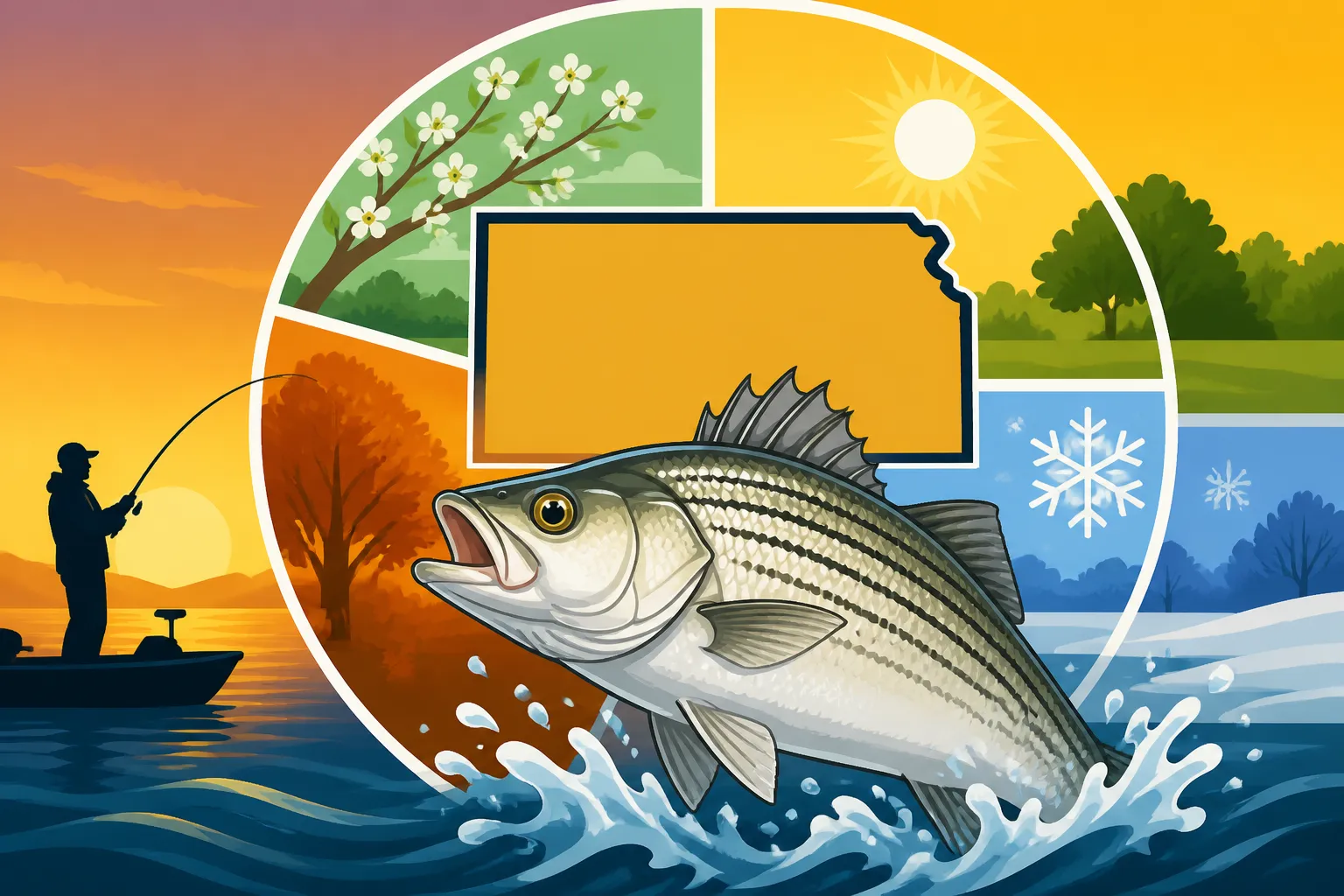
Now for the main event! Wipers are catchable year-round in Kansas, but their behavior and location shift dramatically with the seasons. Knowing these patterns will dramatically increase your chances of success.
Spring: The Pre-Spawn Blitz
As winter's chill finally breaks and the waters begin to warm, typically from March into May, wipers kick into high gear. This is arguably one of the best times of year to target them, especially if you're looking for aggressive bites. As water temperatures climb into the 50s and low 60s, wipers, like many fish, become incredibly active, feeding heavily to prepare for their own "spawning" rituals (though as hybrids, they can't actually reproduce, they still exhibit pre-spawn behaviors).
During this period, you'll often find them congregating in the upper reaches of tributary arms, shallower flats, and wind-blown points. They'll push schools of shad into these areas, creating chaotic feeding frenzies. Early spring, especially on sunny, warming days, can bring them surprisingly shallow. Look for birds diving, which often indicates wipers pushing baitfish to the surface. Trolling crankbaits or casting lipless crankbaits and swimbaits into these areas can be incredibly effective. For a broader look at the season, explore our Kansas Spring Fishing Guide.
Summer: Deep Water and Nighttime Strategies
Summer in Kansas means hot weather and often hot fishing, but you need to adjust your approach for wipers. From June through August, as surface temperatures soar, wipers will generally move to deeper, cooler, more oxygenated water. This doesn't mean they're not biting; it just means you need to go where they are.
During the daytime, focus on the thermocline – that layer of water where the temperature changes rapidly – or near main lake points, submerged humps, and old river channels where they can find relief from the heat. Trolling deep-diving crankbaits or vertical jigging spoons and heavy soft plastics can be productive. However, summer is also prime time for nighttime wiper fishing! As the sun sets, wipers will often move shallower, chasing bait in the cooler evening hours. Look for them cruising lighted boat docks or busting bait on calm surfaces. Large topwater lures or stickbaits retrieved across the surface can draw explosive strikes. Don't forget to check out our Kansas Night Fishing Guide for more details on nocturnal angling.
Fall: The Feeding Frenzy Before Winter
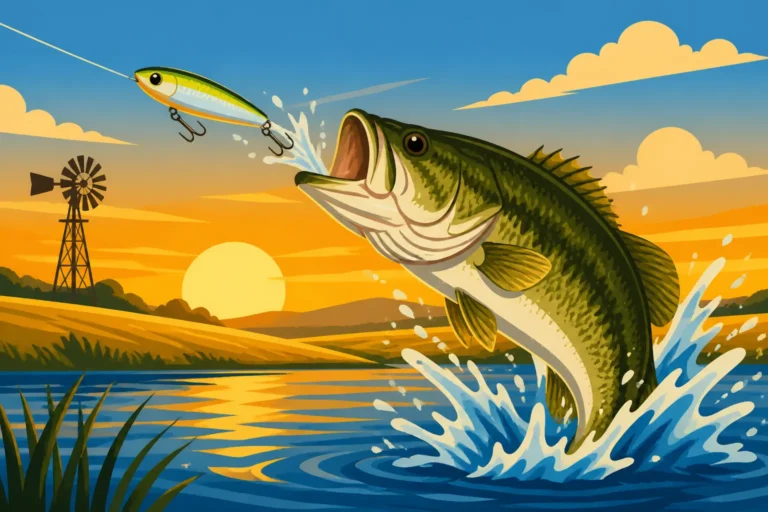
For many experienced wiper anglers, fall, from September to November, is the prime season. As water temperatures begin to cool again, wipers enter an intense feeding period, trying to pack on as much weight as possible before winter truly sets in. This is often when you'll find the most consistent and aggressive topwater action, as wipers will frequently push massive schools of shad to the surface.
You'll want to focus on broad, open flats, main lake points, and areas where you see large concentrations of baitfish on your electronics. Keep a keen eye on the horizon for "boils" – those tell-tale splashes where wipers are exploding on shad. When you see them, cast spoons, topwater plugs, or fast-retrieved swimbaits into the fray. The action can be fast and furious, with multiple hookups not uncommon. This period is fantastic for both numbers and size. For a general overview of the year's patterns, read our Kansas Fishing Seasons Guide.
| Season | Best Timeframe | Key Locations | Wiper Behavior | Recommended Techniques |
|---|---|---|---|---|
| Spring | March – May | Tributary arms, wind-blown points, shallow flats | Aggressively feeding, pre-spawn movements | Trolling crankbaits, casting lipless crankbaits, swimbaits |
| Summer | June – August | Deep thermocline, main lake points, river channels (day); Shallower at night | Deeper during day, surface feeding at dawn/dusk/night | Deep trolling, vertical jigging, night fishing with topwater |
| Fall | September – November | Open flats, main lake points, schooling baitfish | Intense feeding frenzy, actively busting bait on surface | Casting spoons, topwater, fast-retrieved swimbaits |
| Winter | December – February | Deep main lake channels, near dams, ice fishing spots | Less active, slower metabolism, less frequent feeding | Vertical jigging, slow trolling with deep baits |
Winter: Challenging, Yet Rewarding
Winter wiper fishing, from December through February, presents the toughest challenge, but it can still be rewarding for persistent anglers. With cold water temperatures, the wipers' metabolism slows down considerably, and they become less active. They'll typically retreat to the deepest parts of the reservoir, often congregating in main lake channels, near the dam, or around deep-water humps and ledges.
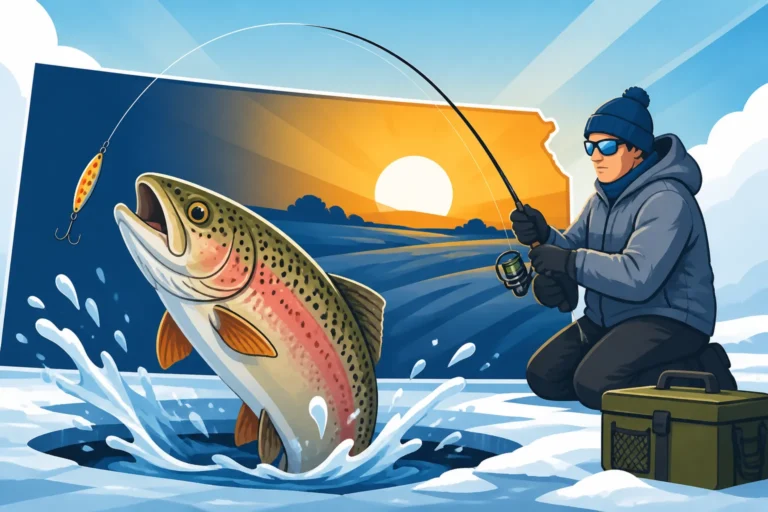
You'll need to slow down your presentations and be patient. Vertical jigging with heavy spoons or soft plastics directly over marked fish can sometimes entice a strike. Live bait, like small shad, presented slowly on a downrigged line, can also be effective. If ice fishing is an option on your favorite wiper lake, they can sometimes be caught through the ice in deeper basins, though this is less common than other species. It certainly takes more dedication, but landing a big winter wiper is a testament to skill and perseverance! For specific cold-weather strategies, refer to our Kansas Ice Fishing Guide.
Key Factors Influencing Wiper Success
Knowing the seasons is crucial, but true wiper success often comes down to understanding the dynamic factors that affect their daily movements and feeding habits.
Water Temperature and Oxygen Levels
Wipers are highly sensitive to water conditions. They thrive in well-oxygenated water, and their activity levels are directly tied to temperature. In spring and fall, as the water is in their comfort zone (think 50s to low 70s Fahrenheit), they're incredibly active. In summer, the scorching heat pushes them deeper to find that optimal temperature and, crucially, sufficient oxygen. During prolonged hot spells, the thermocline (that distinct temperature layer) becomes a critical area. Anything below it might be too cold or lack oxygen, while above it might be too warm.
Conversely, a sudden cold front can shut them down instantly, making them lethargic and less willing to chase. Keeping an eye on water temperature gauges on your boat, or even just checking online reports, can give you a massive advantage.
Baitfish Presence and Movements
I've said it before, and I'll say it again: wipers follow the bait. Primarily, they are chasing gizzard and threadfin shad. If you can locate large schools of these baitfish, especially if they're grouped tightly or showing signs of being pushed, you're almost certainly in the vicinity of wipers.
Your fish finder becomes your best friend here. Look for dense clouds of baitfish, often resembling a Christmas tree on your screen. Wipers will frequently be lurking just below or to the sides of these schools, waiting for the opportune moment to strike. Keep moving until you mark bait. Sometimes, just a slight shift in wind direction or current can push bait to a different area, and the wipers will follow. To truly make the most of your electronics, read our guide on How to Use a Fish Finder on a Kansas Lake.
Wind, Current, and Structure
These three elements play a significant role in where wipers decide to feed and hold.
- Wind: Wind can be a wiper angler's best friend. A consistent breeze pushing across a point or flat will often concentrate baitfish on the wind-blown side, attracting wipers looking for an easy meal. Don't shy away from choppy water; it often signifies active feeding areas.
- Current: Wipers love current. Near dam spillways, tailraces, or where a river feeds into a reservoir, the current provides both oxygen and concentrates bait. These areas are natural ambush points for wipers. Fishing around these current seams can be incredibly productive, especially during periods of water release.
- Structure: While wipers are open-water fish, they do relate to underwater structure. Submerged roadbeds, old creek channels, humps, ledges, and deep points offer excellent ambush opportunities. Wipers will often hold on the deeper side of these structures, waiting to dart up and hit passing baitfish. Understanding these underwater features is crucial for consistent success. Our How to Read Kansas Reservoir Structure article can help you interpret what you see on your fish finder.
Gear Up and Techniques for Maximizing Your Wiper Haul
Having the right equipment and knowing how to use it is paramount to successfully landing these hard-fighting fish. Wipers hit hard and fight dirty, so your gear needs to be up to the task.
Essential Rods, Reels, and Line
For wipers, you generally want gear that can handle a serious fight.
- Rods: A medium-heavy to heavy action spinning or baitcasting rod, typically 6'6" to 7'6" in length, is ideal. You need enough backbone to cast heavy lures and to muscle a powerful fish away from snags, but enough tip sensitivity to detect subtle bites. For those big, aggressive summer and fall fish, don't be afraid to go with a heavy power rod. If you're looking for new gear, you can find a wide range of options on sites like Amazon.
- Reels: Choose a spinning reel in the 3000-4000 series or a baitcasting reel with a robust drag system. Wipers will make powerful runs, so a smooth, reliable drag is non-negotiable. Again, good quality reels are readily available, and a quick search on Amazon will show you many popular models.
- Line: Braided line, typically 20-30 lb test, is an excellent choice for its sensitivity and strength. It allows for longer casts and helps you feel even the slightest tap. I always recommend adding a 15-20 lb fluorocarbon leader (2-4 feet long) to your braid. Fluorocarbon is nearly invisible underwater and offers good abrasion resistance, which is important when fighting wipers around potential underwater snags. For a deeper dive into choosing your tackle, check out Best Rods and Reels for Kansas Fishing.
Top Lures and Baits for Wipers
Wipers are opportunistic predators, but some baits and lures consistently outperform others.
- Crankbaits: Deep-diving crankbaits are fantastic for trolling in summer when wipers are holding deep. Lipless crankbaits, especially those that mimic shad, are excellent for casting into active schools or fishing shallow flats in spring and fall.
- Jigs and Spoons: Heavy jigging spoons, like Kastmasters or slab spoons, are deadly when vertically jigged over marked fish or cast into surface boils. Soft plastic swimbaits rigged on heavy jig heads are also incredibly effective, mimicking fleeing baitfish.
- Topwater Lures: During those glorious fall and summer evening feeding frenzies, topwater lures like poppers, walking baits, or prop baits can trigger explosive strikes. Seeing a wiper blow up on a topwater is truly unforgettable.
- Live Bait: Fresh gizzard shad or threadfin shad, if legal and available, are arguably the most effective bait for wipers, especially when they're finicky or holding deep. They can be drifted, trolled, or fished under a bobber.
- Other options: Don't forget the effectiveness of a trusty white or silver inline spinner when you're targeting those active fish in a feeding frenzy. Many of these effective lures are easy to find and can be ordered online through retailers like Amazon. For specific lure recommendations that cross over to wipers, take a look at Best Lures for Hybrid Striped Bass.
Effective Techniques Across the Seasons
Matching your technique to the season and the wipers' behavior is critical.
- Trolling: This is a classic method for covering large areas, especially in spring and summer. Use multiple rods with different lures and depths until you find what the fish prefer. Deep Water Trolling for Kansas Stripers provides excellent insights that apply directly to wiper fishing.
- Casting into Boils: This is the most exciting method! When you see wipers busting the surface, motor over quietly (or use your trolling motor) and cast spoons, topwater, or swimbaits directly into the chaos. Reel fast to imitate fleeing bait.
- Vertical Jigging: When wipers are holding deep and tight to structure, vertical jigging heavy spoons or soft plastics can be deadly. Drop your lure directly to their depth and work it with sharp jerks and pauses.
- Drift Fishing: Using live bait, drift fishing allows you to cover large areas while presenting a natural offering. This is particularly effective when you know wipers are in a general area but not actively schooling on the surface.
- Adapting is Key: The most successful wiper anglers are those who can adapt. Pay attention to what the fish are telling you through your electronics and the bites you're getting. Don't be afraid to switch lures, depths, or techniques until you find the pattern. Learning How to Catch Wipers in Kansas Reservoirs will give you a comprehensive understanding of various successful approaches.
Remember, consistent success with wipers in Kansas comes from a combination of knowing their seasonal patterns, understanding environmental factors, and being prepared with the right gear and techniques. Go out there, stay observant, and enjoy the incredible fight these hybrid powerhouses offer!
Disclaimer
This article is for general informational purposes only and does not constitute professional advice. Laws, prices and regulations vary by location and change over time. Consult a qualified professional for guidance on your specific situation.