How to Catch Bluegill on a Fly Rod
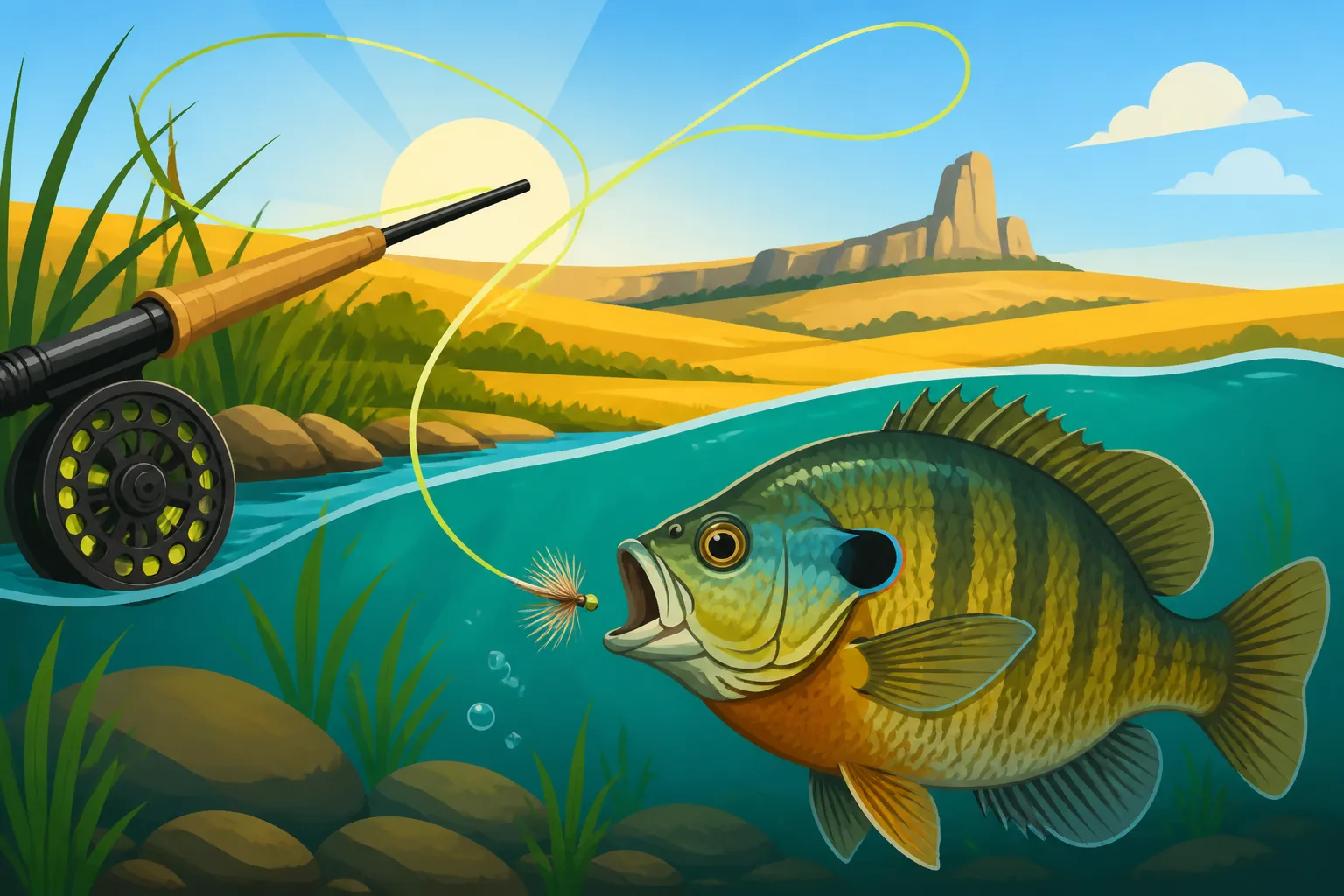
For many Kansas anglers, there's a unique joy that comes from chasing panfish, but when you trade your spinning rod for a fly rod, the experience transcends mere catching. It becomes an art form, a dance between angler and fish that offers a delightful challenge and immense satisfaction, especially when targeting those feisty bluegill in our local ponds and lakes. If you've ever felt that itch to try something different, to feel the subtle tug of a hand-tied fly, this guide is for you. We're going to dive deep into how you can effectively and enjoyably catch bluegill using a fly rod right here in the heart of Kansas.
Why Fly Fishing for Bluegill is Such a Rewarding Experience
I know what some of you might be thinking: "Fly fishing? Isn't that for trout in mountain streams?" And while it's true that fly fishing has a strong association with trout, let me tell you, chasing bluegill on a fly rod in Kansas is a truly underrated pleasure. There's a certain elegance and intimacy to it that a conventional rod and reel just can't quite replicate. It’s less about brute force and more about finesse, presentation, and reading the water, which can be incredibly rewarding.
The Accessible Entry Point to Fly Fishing
One of the beautiful things about bluegill is their sheer abundance and their willingness to bite. This makes them the perfect target for someone new to fly fishing, or even an experienced fly angler looking for a relaxing day on the water without the pressure of elusive trophy fish. You don't need highly specialized gear or advanced casting techniques to get started, which often deters newcomers from the sport. A simple setup and some basic knowledge can have you catching fish in no time. Think of it as your gateway drug to the wider world of fly fishing!
Many seasoned fly anglers, myself included, often return to bluegill when they want to simply enjoy the pure act of fishing. They’re plentiful, aggressive, and can be found in almost every pond, lake, and slow-moving river in Kansas. This accessibility means you don't have to travel far to find excellent fly fishing opportunities, making it a perfect after-work or weekend activity.
The Thrill of the Fight on Light Tackle
Don't let their small size fool you; bluegill can put up a surprisingly spirited fight on a lightweight fly rod. That delicate bend in the rod, the whir of a small reel, and the vibrant flash of blue and orange as they dart and pull against the line make for an exhilarating experience. It's not about landing a monster; it's about appreciating the battle with every single fish. This engagement is what keeps so many of us coming back for more.
The visual aspect is also a huge part of the fun. Watching a bluegill rise slowly to slurp your tiny dry fly off the surface, or seeing your indicator dip violently as they grab a subsurface nymph, is absolutely thrilling. It’s a completely different level of interaction compared to simply reeling in a fish you felt bite. For a comprehensive overview of these delightful panfish, check out our Kansas Panfish Guide.
Gearing Up for Kansas Bluegill on the Fly
Alright, so you’re convinced! Now, what do you need to get started? The good news is, you don't need to break the bank. A simple, affordable setup will serve you well for bluegill. The key is to choose gear that matches the size of the fish you're targeting, making the fight enjoyable and giving the fish a fair chance.
Choosing Your Rod, Reel, and Line
For bluegill, you want light tackle. A 3-weight or 4-weight fly rod is absolutely perfect. This lighter rod allows you to feel every head shake and pull, maximizing the fun. A 5-weight can work too, especially if you anticipate larger panfish or want a bit more versatility for other species. As for length, an 8'6" to 9' rod is standard and offers good line control. The reel doesn't need to be fancy; for bluegill, it primarily serves to hold your line. A basic, single-action click-and-pawl reel is often more than enough. You can find a fantastic selection of these on Amazon, often bundled into convenient starter kits.
When it comes to fly line, a weight-forward floating line (WF3F or WF4F, matching your rod weight) is ideal. This type of line helps with casting lighter flies and ensures they stay on the surface or just below it. Backing line is also essential; it's thin, strong line that attaches to your reel arbor and then to your fly line, giving you extra capacity for longer runs (though bluegill rarely take you that far!). A leader and tippet complete the setup. Your leader will typically be 7.5 to 9 feet long, tapered from thick to thin, and you'll add a section of finer tippet material (4x, 5x, or 6x fluorocarbon or monofilament) to the end where you tie your fly. This delicate connection helps present your fly naturally to wary fish.
Must-Have Bluegill Flies for Kansas Waters
This is where the creativity comes in! Bluegill aren't particularly picky, but having a selection of proven patterns will definitely increase your success. Think small, buggy, and often flashy. The beauty is that many of these flies are relatively easy to tie yourself if you're feeling adventurous.
- Poppers: These are topwater flies that create a commotion when stripped across the surface. Think small foam or cork poppers in chartreuse, black, or yellow. They imitate injured insects or small baitfish and are incredibly exciting to fish because you see the strike!
- Dry Flies: When bluegill are looking up for insects floating on the surface, dry flies like small ant patterns, grasshopper imitations (especially in late summer), or even a classic Adams or Royal Wulff in sizes #12-16 can be deadly.
- Nymphs & Wet Flies: These flies imitate subsurface insects. Patterns like the Prince Nymph, Hare's Ear, or Pheasant Tail in sizes #12-18 are fantastic. Small Woolly Buggers (black or olive) are also incredibly versatile and can imitate anything from a minnow to a leech.
- Panfish Bugs: Specific patterns like the "Rubber Legged Dragon" or "Chartreuse Green Weenie" are designed specifically for panfish and can be incredibly effective.
Don't feel overwhelmed by the variety. Start with a few different types, and you'll quickly learn what the bluegill in your local spots prefer. Sometimes, it’s all about experimentation! If you’re curious about general gear, our Kansas Fishing Gear Guide has more universal tips.
Finding Bluegill in Kansas Waters: Seasons and Locations
Knowing what gear to use is one thing, but knowing where and when to find bluegill is equally important. Kansas is blessed with an abundance of excellent bluegill fisheries, from sprawling reservoirs to quiet farm ponds. Understanding their habits through the seasons will drastically improve your catch rates.
Prime Bluegill Habitats in Kansas
Bluegill, like many panfish, love structure. This means areas with submerged vegetation, fallen trees, brush piles, docks, rock piles, and points that drop off into deeper water. These spots offer them protection from predators, ambush points for feeding, and shaded areas to escape the midday sun. In larger lakes and reservoirs, focus your efforts on coves, bays, and calmer sections away from heavy boat traffic.
- Farm Ponds: These are often bluegill goldmines! They provide consistent structure, ample food, and less pressure. Always remember to get permission before fishing private property. Check out Kansas Farm Pond Fishing Tips for more specific advice.
- Community Lakes & Ponds: Many towns and cities in Kansas have community fishing lakes that are regularly stocked and managed. These are fantastic, easily accessible options for bluegill on the fly. Places like the Kansas City Urban Fishing Program ponds or local park lakes are great starting points. You can learn more about these in Kansas Community Lake Rules.
- State Fishing Lakes & Reservoirs: Larger bodies of water like Milford Lake, Clinton Lake, or any of the numerous Kansas State Fishing Lakes will hold bluegill, especially in their shallower, protected coves and along shorelines with submerged cover. For a broader look at prime locations, our Best Fishing Lakes in Kansas article is a great resource.
Seasonal Strategies for Consistent Catches
Bluegill behavior changes with the seasons, and adapting your approach is key.
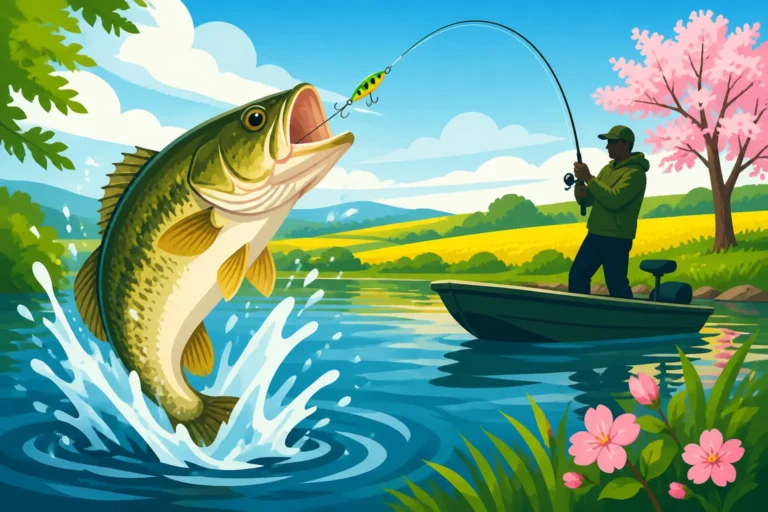
Spring (Pre-Spawn & Spawn): This is arguably the best time to target bluegill on a fly rod. As water temperatures rise into the 60s Fahrenheit, bluegill become highly active and move into shallower water to spawn. They'll create "beds" – circular depressions on the bottom – often in large colonies. These fish are aggressive and protective, making them easy targets. Look for these beds in 1-5 feet of water, often near reeds, submerged brush, or gravelly bottoms. Small nymphs, wet flies, and even tiny poppers worked slowly over the beds are incredibly effective.
Summer: As the water warms, bluegill might move slightly deeper during the heat of the day, seeking cooler water and shade under docks, lily pads, or submerged timber. Early morning and late evening will be your best bets for topwater action with poppers and dry flies. During midday, switch to nymphs or small streamers fished deeper. Target shady banks, brush piles, or weed lines. Kansas Summer Fishing Guide offers more general advice.
Fall: As temperatures cool, bluegill remain active, feeding heavily to prepare for winter. They might spread out a bit more but will still gravitate towards cover. This can be a fantastic time for smaller streamers and nymphs. They'll be less aggressive than in spring but still very willing to bite. Look for them holding slightly deeper near structure.
Winter: While most anglers pack away their fly rods, winter can still offer opportunities, especially on warmer days or in areas with consistent water temperatures. Bluegill will be sluggish and hold in deeper holes or near warm water discharges. Smaller nymphs and midge patterns fished very slowly and deep can entice bites. However, this is generally more challenging than other seasons. For cold water tactics, you might find our How to Catch Fish in Cold Water in Kansas article helpful.
Mastering the Cast and Presentation for Bluegill
Catching bluegill on a fly rod isn't just about having the right gear and finding the fish; it's about how you present your fly. A well-placed cast and a natural drift can make all the difference, turning a slow day into a productive one. Don't worry, you don't need to be an expert caster to get started. Bluegill are often found close to shore, making short, accurate casts more important than long distances.
Basic Casting Techniques for Beginners
The most fundamental cast in fly fishing is the overhead cast. It's a simple back-and-forth motion that uses the weight of the fly line to load the rod and propel the fly forward. Practice in an open area, focusing on smooth, controlled movements rather than brute force. Think of it as painting a straight line in the air with your rod tip. A good starting point for any beginner is to learn the basics, and our Kansas Fishing Techniques for Beginners might offer some broader context.
- The Pickup: Start with a short amount of line (about 15-20 feet) on the water. Lift the rod tip smoothly to "pick up" the line from the water.
- The Back Cast: As the line lifts, bring the rod back to about the 1 o'clock position (think of a clock face). Stop abruptly, allowing the line to unroll behind you. Don't let it touch the ground!
- The Forward Cast: Once the line has fully unrolled behind you, move the rod forward smoothly, accelerating to about the 10 o'clock position. Stop abruptly again, allowing the line to unroll in front of you.
- Line Control: As the line unrolls, gently lower your rod tip to the water, following the line. This helps absorb shock and allows the fly to land softly.
Practice, practice, practice! It's the only way to build muscle memory. Start with short casts, focusing on accuracy and a smooth loop. Once you can consistently cast 20-30 feet, you're more than ready for bluegill.
Presentation is Key: Dry Flies, Poppers, and Subsurface Tactics
How your fly lands and moves in the water is often more critical than the cast itself. Bluegill are curious, but a natural presentation will always draw more strikes.
Topwater Flies (Poppers & Dry Flies):
- Gentle Landing: Try to land your dry flies and small poppers softly, mimicking a natural insect landing on the water. A harsh splash can spook wary fish.
- The "Plop and Pause": For poppers, cast near structure (a lily pad, a log, a dock) and let it sit for a few seconds. Bluegill will often notice the splash and swim over to investigate. Then, give it a tiny twitch or "plop" with your rod tip, followed by another pause. Vary your retrieves until you find what works. Sometimes a slow, subtle retrieve is best; other times, a more aggressive "pop-pop-pause" is the ticket.
- Natural Drift for Dry Flies: For dry flies, aim for a "drag-free" drift. This means your fly moves at the same speed as the current (even if it's just a slight breeze-driven current on a pond) without being pulled unnaturally by your fly line. Mend your line if needed by flipping an upstream loop of line with your rod to allow the fly to drift freely for longer.
Subsurface Flies (Nymphs & Wet Flies):
- Indicator Fishing: This is perhaps the most common way to fish nymphs. You attach a small strike indicator (a buoyant bobber-like device) to your leader, a foot or two above your fly. The indicator helps suspend your fly at a desired depth and signals even the most subtle bites. Cast your nymph upstream of where you expect fish to be, and let it drift naturally with the current. Any pause, twitch, or disappearance of the indicator means a fish has probably taken your fly – set the hook!
- Stripping Streamers: Small Woolly Buggers and other streamer patterns are often fished by casting them out and retrieving them in short, jerky "strips" using your non-dominant hand. This imitates a swimming minnow or leech. Vary your strip speed and pause duration to find what bluegill prefer on a given day.
- Weighting Your Flies: If bluegill are holding deeper, you might need to add a small split shot weight to your leader a few inches above your nymph to get it down to their strike zone.
Top Fly Patterns for Driving Kansas Bluegill Wild
Okay, let's talk specifics. While bluegill aren't typically "finicky" like some trout or bass, having the right arsenal of flies can make a world of difference. Here are some of my personal favorites that consistently produce in Kansas waters, along with tips on when and how to use them. Remember, presentation often trumps pattern, but a good pattern certainly helps!
Surface Sensation: Poppers and Dry Flies
There's nothing quite like watching a bluegill smack a topwater fly. It’s pure excitement! My tackle box always has a good selection of these.
- Chartreuse or Black Poppers (Size #8-12): These are my go-to for summer evenings or anytime bluegill are aggressive. They create a disturbance that bluegill simply can't resist. Cast them near cover – lily pads, submerged logs, docks – and let them sit for a moment. Then give a subtle "pop" or two, followed by another pause. Don't be afraid to leave them stationary for a full 10-15 seconds. The longer they sit, the more curious bluegill might become.
- Foam Spiders or Beetles (Size #10-14): These imitate terrestrial insects that accidentally fall into the water. They float well, are durable, and bluegill love them. Often, a gentle current or slight breeze moving the fly is enough to trigger a strike. Work them along shaded banks or over weed beds.
- Ants and Crickets (Size #12-16): Especially effective during late summer and early fall when these insects are prevalent. Small black or red ant patterns, or a realistic foam cricket, can be deadly when bluegill are looking for protein-rich meals on the surface. Cast these tight to the bank or near overhanging vegetation where natural insects might drop.
| Fly Type | Common Patterns | Ideal Time to Use | Retrieve Method |
|---|---|---|---|
| Poppers | Chartreuse Popper, Black Gurgler, Froggy | Summer evenings, aggressive fish, near cover | Pop-pause, slow strip |
| Dry Flies | Foam Spider, Ant, Griffith's Gnat | Calm water, visible rises, warm weather | Drag-free drift, slight twitch if needed |
| Nymphs/Wet Flies | Prince Nymph, Hare's Ear, Pheasant Tail | Year-round, deeper water, sight fishing | Indicator drift, slow strip |
| Streamers | Woolly Bugger (Olive/Black), Crystal Bugger | Cooler water, aggressive fish, baitfish mimicry | Strip-pause, jigging |
Subsurface Success: Nymphs and Streamers
When bluegill aren't looking up, they're typically feeding on insects and small prey beneath the surface. This is where nymphs and small streamers shine.
- Prince Nymph (Size #12-16): A classic for a reason. Its peacock herl body and white biot wings are irresistible to many fish, including bluegill. Fish it under an indicator or slowly retrieve it near the bottom. This fly is a workhorse, performing well through various seasons.
- Hare's Ear Nymph (Size #12-16): Another incredibly versatile pattern. Its buggy, natural appearance imitates a wide range of aquatic insects. I often fish this one without an indicator, just letting it sink and giving it tiny twitches as I retrieve it. It's particularly good in clearer waters where bluegill can be a bit more discerning.
- Woolly Bugger (Olive or Black, Size #8-12): While often considered a bass or trout fly, a small Woolly Bugger is a fantastic bluegill fly. It can imitate a leech, a small minnow, or a large aquatic insect. Cast it out, let it sink, and retrieve it with short, erratic strips. This fly is especially effective when bluegill are targeting baitfish or during cooler periods when they might be more lethargic. You can pick up a selection of these and other flies on Amazon to get your collection started.
- "Panfish Candy" (Various Colors, Size #10-14): There are many specific panfish patterns out there, often with chenille bodies and rubber legs, designed to mimic small creatures like aquatic worms or larvae. These are usually tied to be a bit flashy and colorful, which bluegill absolutely adore. Chartreuse, pink, and orange variations are often hot tickets. Fish these slowly under an indicator or with a subtle twitch.
Remember, the bluegill fishing season in Kansas is essentially year-round, so having a mix of topwater and subsurface flies will prepare you for any situation! Check out Kansas Fishing Seasons Guide to align your tactics with the broader calendar. Experimentation is the name of the game, and you'll soon discover your own confidence patterns for catching those feisty Kansas bluegill on a fly rod.
Disclaimer
This article is for general informational purposes only and does not constitute professional advice. Laws, prices and regulations vary by location and change over time. Consult a qualified professional for guidance on your specific situation.