How to Catch Fish in Late Fall in Kansas
That crisp autumn air gives way to something a little more biting as late fall creeps into Kansas, and if you’re anything like me, you’ve probably felt that familiar struggle. One minute you’re pulling in fish left and right, and the next, it feels like the fish have packed their bags and moved to another state! Fishing in late fall in Kansas can be incredibly rewarding, but it definitely demands a shift in strategy. This guide is all about helping you understand what changes, what species are still biting, and the techniques you’ll need to put fish in the boat or on the bank, even when the thermometer starts to plummet.
Understanding Late Fall Conditions in Kansas
Late fall in Kansas isn't just a prettier version of early autumn; it's a completely different ballgame when it comes to fishing. The vibrant colors of October give way to bare trees and a stark landscape, and beneath the surface, the aquatic world undergoes some profound shifts. Ignoring these changes is often the quickest way to come home empty-handed. We've all been there, casting the same old lures in the same old spots, wondering why nothing's hitting, and the truth is, the fish have simply moved on or changed their habits.
The Shifting Water Temperatures
This is perhaps the most critical factor in late fall. As air temperatures drop, especially overnight, the surface water cools rapidly. Eventually, this leads to what's known as "turnover" in larger lakes and reservoirs. During turnover, the cooler, oxygen-rich surface water sinks, and the warmer, less oxygenated bottom water rises. This process can scatter fish and make them temporarily sluggish. After turnover, when the water column becomes more uniform in temperature, fish often settle into predictable patterns, but they'll be deeper than you found them in warmer months. Understanding this temperature change is key to locating fish. For example, knowing Kansas Fishing Seasons Guide can give you a heads-up on general temperature trends.
Once the initial shock of turnover subsides, the overall water temperature continues its downward trend. Cold water slows down a fish's metabolism significantly. They don't need to eat as often, and when they do, they're not going to chase a fast-moving bait across a cove. Instead, they're conserving energy, holding tight to structure, and waiting for an easy meal. This means our presentation needs to slow down considerably to match their energy levels. Think of it like trying to get out of bed on a cold winter morning – you're not exactly sprinting to the kitchen, are you?
Reduced Baitfish Activity
Just like game fish, baitfish are also reacting to the cooling water. Many species of baitfish become less active, schooling tighter and moving to deeper, more stable water where temperatures are less volatile. They're often found congregating around main lake points, ledges, and deep creek channels. This concentration of baitfish, while less active, is precisely what predatory fish like walleye, crappie, and catfish are looking for. Instead of chasing scattered prey, they'll position themselves strategically near these baitfish schools, ambushing them when the opportunity arises.
The forage base also changes. Many aquatic insects and smaller organisms that are abundant in spring and summer start to disappear or become dormant. This further limits food options for baitfish, which in turn affects the diet of larger game fish. When you're trying to figure out what to throw at them, remembering that the natural food chain has dwindled down to a few key players can really guide your lure and bait choices. You might find that smaller, more subtle presentations mimicking sluggish baitfish are far more effective than aggressive, flashy offerings.
Changing Fish Behavior
The combination of colder water and reduced baitfish activity dramatically alters how and where fish behave. Instead of roaming shallow flats or actively chasing across open water, they become much more structure-oriented. This means they'll be hugging breaklines, timber, rock piles, and humps in deeper water. Their movements become less about covering ground and more about conserving energy while waiting for food to come to them. This is true for many species, from bass to crappie.
You'll notice that the feeding windows can be much shorter and more defined. While in summer you might catch fish all day, late fall often sees concentrated activity during the warmest parts of the day (often mid-afternoon) or during brief periods of low-light conditions. These windows are when fish are most likely to move out from their deep cover to feed. It requires a lot more patience and precision from us as anglers. Understanding these behavioral shifts is paramount, as just going out and casting randomly will yield little to no results. It's about knowing where they've moved and how they're likely to react to your presentation.
Top Species to Target and Where to Find Them
Even though the conditions are tougher, Kansas still offers fantastic late fall fishing opportunities if you know what to look for. Certain species become much more predictable, congregating in areas where they can find stable temperatures and concentrated food sources. It's not about giving up, it's about shifting your focus from the summer usuals to those hardy fish ready for colder water.
Walleye and Saugeye Strategies
Walleye and saugeye are prime targets in late fall. These fish thrive in cooler water and often become very aggressive as they bulk up for winter. You'll generally find them deeper than in summer, often relating to main lake points, submerged humps, and the edges of creek channels in larger reservoirs like Cheney or Milford. Kansas Walleye Fishing Techniques often emphasize slower presentations, which is even more true in late fall. They'll be looking for baitfish that are starting to huddle up, so finding those bait balls on your electronics is a huge advantage.
When you're out on the water, pay close attention to depth contours. Walleye will often hold on the deeper side of a breakline during the coldest parts of the day, then move up to the shallower shelf during those brief feeding windows, especially if there's rock or gravel structure. Trolling can still be effective, but you'll need to slow down your boat speed significantly and use baits that get down to where the fish are holding. Jigs tipped with live minnows or soft plastics, fished vertically, are also incredibly potent. Remember, these fish aren't going to chase far, so presenting your bait right in their strike zone is crucial.
Crappie: Deep Water Dwellers
Ah, crappie! These panfish are a favorite year-round, and late fall can offer some incredible slab action if you can find them. In contrast to their shallow spring habits, crappie will retreat to deeper water, often suspending over channel bends, submerged timber, or around brush piles in depths of 15 to 30 feet, sometimes even deeper. Kansas Crappie Fishing Techniques in colder weather typically involve a more nuanced approach. They'll school up tightly, so once you find one, you're likely to find a whole bunch!
Using your electronics to locate these brush piles and suspended schools is almost a necessity. Vertical jigging small jigs (1/16 to 1/8 ounce) tipped with a small plastic body or a live minnow is incredibly effective. The key is to get your bait directly into the school and present it with very subtle movements. Sometimes just holding the bait perfectly still a few feet above the fish is all it takes to trigger a strike. Don't be afraid to experiment with different depths within a school – sometimes the biggest crappie are holding just above or below the main group.
Catfish: Still Biting, Just Deeper
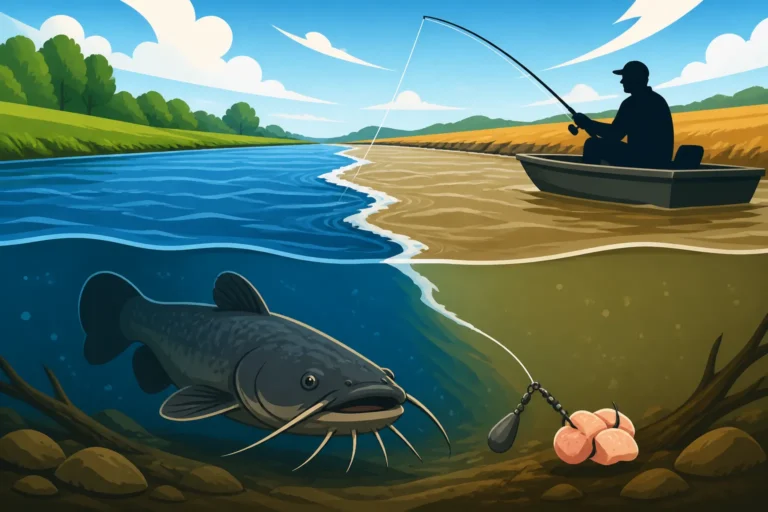
Don't let the cold weather fool you; catfish are still active in late fall! While they might not be as aggressively feeding as in the summer, channel cats, blue cats, and even flatheads will still bite. They move to deeper holes, channel bends, and current breaks in rivers and reservoirs. The larger blue and flathead catfish especially will seek out deep structure like underwater humps, old riverbeds, and large timber concentrations. Kansas Catfish Fishing Techniques for this time of year revolve around patience and presenting enticing baits.
For channel catfish, cut bait, shad, or prepared baits fished on the bottom in deeper sections of lakes or slow-moving river channels can be very productive. Blue catfish often prefer fresh cut bait, like shad or gizzard shad, offered on stout tackle near deep scour holes or submerged river channels. Flatheads, the ambush predators, will be tucked away in logs or rock crevices in deep water, waiting for a meal. Live bait, like a sturdy sunfish or a large chub, fished right into their cover, is usually the ticket for these giants. Remember that their metabolism is slower, so bites might be light and infrequent, but the fish you catch can be substantial.
| Species | Typical Late Fall Location | Recommended Baits/Lures | Presentation Strategy |
|---|---|---|---|
| Walleye | Deep main lake points, humps, channel edges | Jigs (1/4 – 1/2 oz), blade baits, deep crankbaits | Slow troll, vertical jig, bounce off bottom |
| Saugeye | Similar to Walleye, often shallower humps | Small jigs, plastic worms, spinnerbaits | Slow retrieve, lift-drop |
| Crappie | Suspended over deep brush piles, timber, channels | Small jigs (1/16 – 1/8 oz), live minnows | Vertical jigging, slow retrieve, dead sticking |
| Channel Catfish | Deep holes, river bends, main lake basins | Cut bait (shad, liver), prepared stink baits | Bottom fishing, stationary |
| Blue Catfish | Deep main lake channels, scour holes | Fresh cut shad, skipjack herring | Bottom fishing, heavy tackle |
| Flathead Catfish | Heavy submerged timber, deep rock crevices | Large live sunfish, chubs | Live bait on bottom, target specific cover |
Essential Techniques for Late Fall Success
The shift in fish behavior and habitat means you can't just keep doing what worked in August. Late fall fishing demands a more methodical, patient, and precise approach. It's about coaxing a bite, not triggering a reaction strike from an aggressive, fast-moving fish. Think less about power fishing and more about finesse and persistence.
Slow and Low Presentation
This is probably the golden rule for late fall fishing. As we discussed, cold water slows down fish metabolism. They aren't going to expend much energy chasing a fast-moving lure. Your baits need to be presented slowly, often near or on the bottom, where the fish are holding. This allows the fish to approach the bait leisurely and make a decision to strike without needing to exert much effort. It also keeps your bait in the strike zone longer.
For jigs, this means a subtle lift-and-drop, allowing the bait to sit on the bottom for several seconds before the next movement. For crankbaits, if you're trolling, reduce your speed to a crawl. If casting, use a slow, steady retrieve with occasional pauses. Even with live bait, which can be enticing on its own, a slower drift or a stationary presentation can be far more effective than trying to cover a lot of water quickly. Consider fishing with lighter line and more sensitive rods to detect those often subtle, "mushy" bites that occur when fish are sluggish. This patient approach might test your limits, but it significantly increases your chances of success.
Vertical Jigging and Dropping
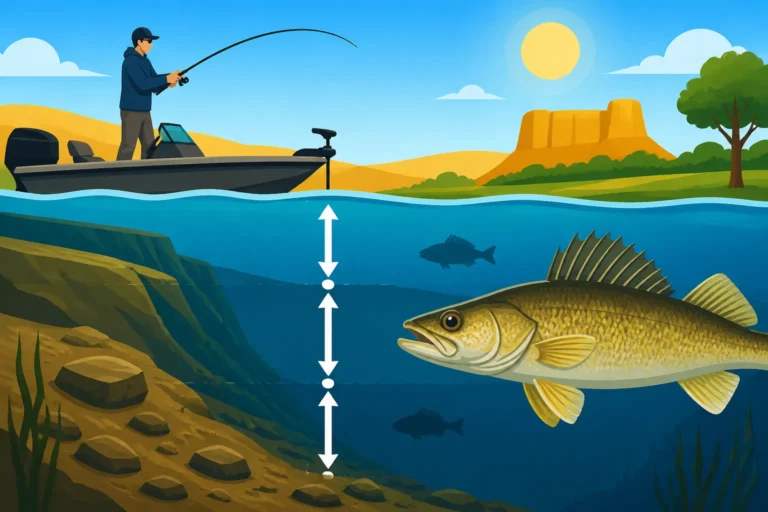
When fish are tightly schooled and holding to deep structure, vertical jigging or dropping becomes incredibly effective. This technique allows you to precisely position your bait directly in front of the fish you're seeing on your fish finder. Whether it's a school of crappie suspended over a brush pile or walleye hunkered down on a deep humps, getting your lure right into their face is key. This is a primary technique for Kansas Ice Fishing Guide, but it works wonderfully from a boat or bank in late fall.
Using sonar to mark fish and then dropping a jig or a weighted lure to that exact depth is a game-changer. For crappie, a tiny jig tipped with a minnow or a small plastic tube is perfect. For walleye, a heavier jig tipped with a minnow, or a blade bait, can be deadly. The movement should be minimal – a slight twitch of the rod tip, a short lift, and then a slow fall. Sometimes, the fish will hit the bait as it's falling. Paying close attention to your line and feel for any tap or sudden slack is essential. On a calm day, even a slight breeze can make boat control tricky, so a good trolling motor with GPS Spot-Lock feature can be a huge asset to stay on top of the fish.
Live Bait Advantages
While artificial lures can certainly catch fish, live bait often has an undeniable advantage in late fall. The natural scent, taste, and subtle movements of live bait are incredibly appealing to cold-water fish that are looking for an easy meal and might be hesitant to strike artificials. Plus, it stays in the strike zone naturally without requiring constant angler input.
For walleye and saugeye, live minnows are absolute gold. Rigged on a jig head or under a slip bobber over deep structure, they can be irresistible. Consider trying different minnow sizes to see what the fish prefer on any given day. If you're wondering what kind to get, check out Best Live Bait for Kansas Walleye. Crappie are notorious for loving live minnows as well, often fished on a small hook under a bobber or vertically jigged. For catfish, especially the larger blues and flatheads, fresh cut bait or large live bait (like a bluegill or shad) is often the most productive. The scent trail from cut bait in cold water can still draw fish in from a distance, even if they're moving slowly. You can find excellent live bait tanks and aerators on Amazon to keep your bait lively throughout the day.
Gear and Preparation for Cold Weather Angling
You can have the best techniques in the world, but if you're shivering uncontrollably or your gear isn't up to the task, your late fall fishing trip will be cut short. Preparation is key, not just for catching fish, but for staying safe and comfortable in the chilly Kansas air. The right clothing and equipment make all the difference between an enjoyable, productive day and a miserable, short one.
Insulated Clothing and Safety Gear
Staying warm is non-negotiable. Layering is your best friend in late fall. Start with a moisture-wicking base layer, add an insulating middle layer (fleece or down), and top it off with a waterproof and windproof outer shell. Don't forget insulated gloves, a warm hat, and waterproof boots – cold feet and hands are a quick trip ender. I've learned this the hard way more times than I care to admit! Think about keeping extra layers in a dry bag, just in case.
Beyond warmth, safety is paramount. Cold water immersion is extremely dangerous. Always wear a life jacket, even if you're an experienced boater. Hypothermia can set in quickly if you fall in, and a life jacket will keep you afloat and increase your chances of rescue. A fully charged cell phone, a first-aid kit, and a whistle are also critical. If you're on a boat, ensure all your Kansas Boating Safety Equipment Requirements are met, including a marine radio if you're on larger bodies of water, as unexpected changes in weather can happen fast. Having a thermos of hot coffee or soup also does wonders for morale and core temperature!
Selecting the Right Rods, Reels, and Line
Your gear choices might need a slight adjustment for late fall. Because bites can be subtle, sensitive rods are a huge advantage. A medium-light to medium action spinning rod with a fast tip is often ideal for detecting those light taps from walleye or crappie. For walleye, a 6'6" to 7' medium-light rod paired with a 2500 series reel can be a great all-around setup, perfect for jigging or casting smaller baits. Check out a guide like Best Rod and Reel Combo for Walleye for more specific recommendations. For crappie, a 5' to 6' ultra-light or light action rod with a small spinning reel (1000 series) is perfect for feeling those delicate bites. Finding a suitable combo on Amazon can be a breeze.
Line choice is also important. Fluorocarbon line is excellent for its low stretch and sensitivity, which helps transmit those light bites, and it's nearly invisible underwater. Alternatively, a braided main line with a fluorocarbon leader offers the best of both worlds – sensitivity and strength from the braid, and stealth from the leader. Generally, stepping down a pound or two in line strength from what you might use in summer can also help with lure presentation and bite detection in cold, clear water. This setup can be particularly useful when fishing for crappie, especially if you're trying to replicate the details in How Deep to Fish for Crappie in Winter.
Essential Tackle Box Additions
Your tackle box needs to reflect the change in strategy. While those flashy topwaters might be sitting out the season, you'll want to stock up on baits designed for deeper, slower presentations. Jigs, in various weights (1/16 oz to 1/2 oz), are critical, along with a variety of soft plastic trailers like grubs, tubes, and paddle tails in natural colors (greens, browns, clear with flecks). Small blade baits can also be incredibly effective for walleye.
Don't forget the live bait essentials: bobbers, split shot, and an assortment of small, sharp hooks (Aberdeen or Kahle hooks are great for minnows). Keep a good supply of sinkers for bottom fishing for catfish, and always have a sturdy landing net, especially if you're targeting larger species. A compact tackle organizer with multiple compartments, like those often found on Amazon, can keep your late fall essentials neatly separated. Having the right tools, like a good pair of pliers and line cutters, is also crucial for quickly re-rigging in the cold. You might even find it useful to refer to a broader guide like Kansas Fishing Gear Guide to ensure you haven't missed anything for the colder months.
Disclaimer
This article is for general informational purposes only and does not constitute professional advice. Laws, prices and regulations vary by location and change over time. Consult a qualified professional for guidance on your specific situation.