Best Technique for Numbers of Crappie
There’s nothing quite as frustrating as heading out for a day of crappie fishing in Kansas, knowing those tasty panfish are out there, but struggling to consistently put them in the boat or on the bank. You might catch one here, another there, but really filling a cooler with those beautiful specks seems like a distant dream. This guide is all about changing that narrative. We're diving deep into the tactics and strategies that will help you catch not just some crappie, but numbers of crappie, making your next outing a truly successful one.
Understanding Crappie Behavior for High Catch Rates
To consistently catch a lot of crappie, you first need to understand what makes them tick. These fish are creatures of habit, heavily influenced by water temperature, forage, and available cover. Once you get a handle on their typical movements and preferred hangouts, you’re already halfway to a successful day.
Crappie Seasonal Movements and Spawning
Crappie movements are highly predictable throughout the year, especially around the spawn. In early spring, as water temperatures nudge into the upper 40s and low 50s, crappie start migrating from their deep winter haunts to shallower waters. They're looking for areas that warm up quickly, often northern banks or protected coves, where they can feed aggressively before spawning. This pre-spawn period is often one of the best times to catch numbers, as the fish are actively feeding. As the water creeps into the mid-50s to low 60s, the spawn truly kicks off. Males move into extremely shallow water, sometimes just a foot or two deep, to prepare nests around brush, roots, or other structure. Females move in and out, laying eggs, and then retreating to slightly deeper water to recover.
After the spawn, as water temperatures continue to climb into the 70s, crappie transition to their summer patterns. They'll often move back to deeper brush piles, submerged timber, or channel edges, seeking cooler water and stable environments. Then, in the fall, as temperatures drop again, they’ll start a reverse migration, feeding heavily to bulk up for winter, often becoming very active once more before settling into deep water for the coldest months. Understanding these transitions is key to knowing where to start looking. For specific advice on early season success, check out our guide on Kansas Spring Crappie Fishing Tips.
Identifying Crappie Holding Structures
Crappie are masters of cover. They love to relate to structure, whether it's natural or man-made. If you're not fishing near some kind of cover, you're likely missing out on a lot of fish. Think of brush piles as crappie condominiums – they offer protection from predators, ambush points for baitfish, and a comfortable place to hang out. These can be naturally fallen trees, submerged stumps, or intentionally placed fish attractors.
Beyond brush, crappie will also stack up on submerged timber, especially old creek channels that cut through reservoirs. Boat docks, particularly those with deep water access or submerged lights (at night), are also prime locations. Don’t overlook bridge pilings, rock piles, or even standing timber in flooded areas. In smaller ponds, the edges of lily pads, cattails, or even a single submerged log can hold a school. Learning How to Find Crappie in the Fall can also give you insights into their structural preferences as seasons change.
The Core Technique: "Spider Rigging" for Numbers
When your goal is to catch a lot of crappie, not just a few, one technique stands out: spider rigging. This method allows you to cover a wide area and present multiple baits at various depths simultaneously, dramatically increasing your chances of finding and catching active fish.
What is Spider Rigging and Why it Works for Crappie
Spider rigging involves using multiple rods, typically anywhere from four to eight, fanned out around the boat like spider legs. Each rod is set up with a different bait or jig presentation, often at varying depths. You then slowly troll or drift, covering a wide swath of water. This technique is incredibly effective for crappie because they often school up, but those schools might be spread out, or they might prefer a very specific depth or bait presentation on any given day. By presenting many options, you quickly identify the "hot" combination. Imagine searching for a needle in a haystack with multiple magnets at once – that’s the power of spider rigging for crappie. It's a fantastic way to maximize your time on the water and pinpoint where the fish are holding and what they're willing to bite.
Essential Gear for a Successful Spider Rig
Getting set up for spider rigging doesn't have to break the bank, but having the right gear certainly helps. You'll want long, sensitive rods, typically 10 to 16 feet in length. These longer rods allow you to spread your lines out and keep them from tangling. Light to medium-light action rods are perfect, as crappie have soft mouths. Pair these with small spinning reels spooled with light monofilament or fluorocarbon line, usually 4 to 8 lb test. Many anglers find great deals on these longer rods and affordable reels on platforms like Amazon, which makes outfitting multiple setups more manageable.
For baits, a mix is best. Live minnows, hooked lightly through the lip or dorsal fin, are almost always a crappie magnet. You can rig them under a bobber or on a simple drop-shot rig. Small jigs, from 1/32 to 1/16 ounce, are also essential. Pair them with soft plastic bodies like tube jigs, curly tail grubs, or small minnow imitators. Having a variety of colors – chartreuse, white, black/chartreuse, pink – is crucial, as crappie can be picky. Don't forget a good selection of Best Bait for Kansas Crappie to ensure you have what they're biting on that day. A sturdy rod holder system that can accommodate multiple rods securely is also a must-have for hands-free trolling.
Executing the Spider Rig: Setting up the Boat, Controlling Drift/Troll, Monitoring Electronics
Once you have your gear, the execution is key. When setting up your boat, you want to be able to control your speed and direction precisely. Many spider riggers use a bow-mounted trolling motor, often with GPS spot-lock features, to maintain a slow, consistent speed (typically 0.5 to 1.5 mph). This allows you to slowly cruise over brush piles, ledges, or flats where crappie are likely to be.
Fan out your rods, with the longest rods furthest out to the sides and shorter rods closer to the boat. Experiment with depths – you might have some baits just a few feet down, others midway, and some near the bottom. Your fish finder is your best friend here. Watch for schools of baitfish, crappie arches, and submerged structure. When you mark fish or structure, adjust your bait depths accordingly. If you catch a fish, immediately note the depth and the bait used, and try to replicate that setup on other rods. This responsive adjustment is critical for turning a few bites into a crappie-catching frenzy. Understanding how to use your electronics to your advantage is crucial when practicing Jigging Techniques for Kansas Crappie in a spider rig setup.
Alternative and Complementary Techniques for High Volume
While spider rigging is fantastic, it's not the only way to catch crappie in numbers. Sometimes conditions call for different approaches, or you might prefer a more active style of fishing. These techniques can also complement your spider rigging efforts, especially when crappie are tightly schooled or very active.
Vertical Jigging in Structure
When crappie are tightly bunched up, perhaps in a dense brush pile or on a submerged Christmas tree, vertical jigging can be incredibly effective. This technique involves positioning your boat directly over the fish, which you've ideally located with your fish finder. Then, you simply drop a jig straight down into the school. The beauty of vertical jigging is its precision. You can keep your bait right in the strike zone, subtly twitching or bouncing it to entice bites. This is particularly effective in places like Clinton Lake or Hillsdale Lake, where crappie often relate to distinct, vertical structures.
Using a sensitive rod, like those designed for ice fishing or panfish, helps you detect those subtle crappie bites that feel more like a "mushy" resistance than a sharp tug. Small jigs, again, in the 1/32 to 1/16 ounce range, are standard. Tip them with a small minnow or a soft plastic. Pay close attention to your electronics; seeing the fish respond to your bait on screen is a game-changer. For a deeper dive, check out tips on How to Jig for Crappie in Rocky Cover, as vertical jigging often goes hand-in-hand with finding fish around those types of bottom features.
Casting and Retrieving Small Jigs
For more active crappie, especially those shallower or relating to less dense cover, casting and retrieving small jigs can be a blast and highly productive. This technique is great for covering water quickly along weed lines, around docks, or over submerged flats. You're looking for that reaction strike from crappie that are willing to chase a moving bait.
Light tackle is essential here – a 5 to 7-foot ultra-light or light action spinning rod with a small reel. Cast your jig (1/16 to 1/8 ounce) out, let it sink to your desired depth, and then retrieve it with a slow, steady retrieve, or add subtle twitches and pauses. Experiment with retrieve speeds and jigging motions until you find what the fish prefer. Often, a slow, almost painfully slow, retrieve with an occasional twitch is the ticket. This approach can be particularly effective during the pre-spawn when crappie are on the move and aggressively feeding in shallower areas of reservoirs like Milford Lake.
The Importance of Scouting and Electronics
No matter which technique you employ, the absolute cornerstone of catching numbers of crappie is effective scouting and smart use of your electronics. You simply can't catch them if you can't find them. Spend time idling over potential crappie hotspots, watching your fish finder closely. Look for "clouds" of baitfish, distinct arches indicating larger fish, and changes in bottom contour. Many modern fish finders, even budget-friendly ones found on Amazon, offer incredible detail that can pinpoint individual crappie in a brush pile.
Don’t be afraid to move if you're not finding fish. Sometimes, the crappie are only biting in one specific spot or depth, and you need to keep searching until you hit that sweet spot. Use your electronics not just to find fish, but to understand how they are relating to the structure – are they on top, to the side, or suspended above it? This information will tell you how to best present your bait. Knowing Best Depth for Crappie Fishing in Spring is a direct result of effective scouting and using your fish finder.
Crappie Fishing Strategies for Different Kansas Waters
Kansas boasts a diverse array of fishing opportunities, from vast reservoirs to intimate community lakes and private ponds. Each type of water body presents unique challenges and requires tailored crappie-catching strategies if you want to consistently catch high numbers.
Reservoir Strategies
Kansas reservoirs, like Milford Lake, Cheney Reservoir, and Wilson Lake, are expansive bodies of water that can feel overwhelming at first. Crappie in these large lakes often relate to significant features that might be difficult to find without good electronics. Focus your efforts on creek channel bends, submerged timber, offshore humps, and large brush piles. These structures often hold migratory crappie that move between deep and shallow water depending on the season and time of day.
During the pre-spawn and spawn, target large, protected coves with abundant natural or artificial cover, especially those on the northern side that warm up faster. In summer, crappie often suspend over deeper water near channel edges or stack up on large, deep brush piles. Trolling with spider rigs along these contours is often the most effective way to cover water and locate active schools in reservoirs. For a detailed guide on a specific hot spot, check out Milford Lake Crappie Fishing.
Community Lake and Pond Tactics
Community lakes and private ponds in Kansas, while smaller, can be absolute crappie goldmines, especially if they are well-managed. These waters often have clearer water and less expansive structure, making crappie more accessible. Here, the fish might relate to docks, beaver lodges, fallen trees along the bank, or even simply deeper holes within the pond.
Bank fishing can be incredibly productive on community lakes. Try casting small jigs or fishing minnows under a bobber near any visible cover. For boat anglers, focusing on specific features with vertical jigging or even just a single bobber and minnow setup can lead to huge numbers. These smaller bodies of water are also fantastic for introducing beginners to crappie fishing. Remember to always check the specific rules for community fishing lakes, as they can sometimes have unique regulations, which you can learn more about in Kansas Community Fishing Lake Rules.
Adapting to Weather and Water Conditions
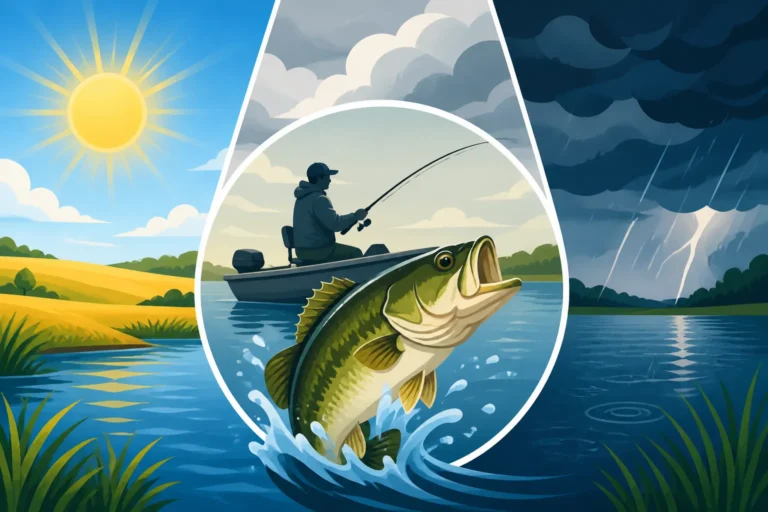
Crappie, like most fish, are incredibly sensitive to environmental changes. Paying attention to weather and water conditions is paramount for consistent success. A sudden cold front, for instance, can shut down a hot bite, making crappie lethargic and sending them deeper or tighter into cover. In such cases, slowing down your presentation and fishing deeper, subtler cover is often the answer.
Clear water conditions might make crappie more wary, requiring lighter lines and more natural bait presentations. Conversely, muddy or stained water can make them more aggressive, especially when paired with a noisy or vibrantly colored jig. Wind can also play a huge role; a light chop can break up the surface, making crappie feel safer and more willing to bite, while heavy winds make boat control (and spider rigging) a nightmare. Always be willing to adapt your depth, retrieve, and bait choices based on what the fish are telling you. Sometimes the most successful anglers are those who can quickly diagnose changing conditions and adjust their approach accordingly.
Choosing Your Crappie Numbers Technique
Here’s a quick overview to help you decide which technique might be best for your next Kansas crappie adventure, especially when you're aiming for high catch rates.
| Technique | Best Scenario | Pros | Cons | Essential Gear |
|---|---|---|---|---|
| Spider Rigging | Large reservoirs, covering wide areas, locating scattered fish. | Covers vast water, presents multiple baits, maximizes chances. | Requires boat, multiple rods, slower pace, can be complex to manage. | Long rods, small reels, trolling motor, rod holders, variety of jigs/minnows. |
| Vertical Jigging | Tightly schooled fish in distinct cover (brush piles, timber), specific depths. | Precise presentation, effective on reluctant fish, good for small boats. | Requires accurate boat positioning, can be slow if fish are spread out. | Sensitive rod, small reel, jigs/minnows, fish finder. |
| Casting Jigs | Active crappie, shallower water, visible cover (docks, lily pads). | Active and engaging, covers moderate water, good for bank anglers. | Less effective on deep, lethargic fish; can be too fast for picky crappie. | Ultra-light rod, small reel, small jigs/soft plastics. |
Remember, the goal is numbers! Don't be afraid to try different techniques throughout the day, or even combine elements, to unlock the crappie code on your favorite Kansas waters. And always make sure you're up to date on Kansas Crappie Length and Bag Limits before you head out, so you know exactly what you can keep! Happy fishing, fellow angler!
Disclaimer
This article is for general informational purposes only and does not constitute professional advice. Laws, prices and regulations vary by location and change over time. Consult a qualified professional for guidance on your specific situation.