Best Coolers for Kansas Fishing Trips
There’s nothing worse than heading out for a fantastic day of Kansas fishing, only to open your cooler hours later and find your ice has melted, your drinks are lukewarm, or worse, your hard-earned catch isn’t staying as fresh as it should. It’s a frustrating reality many anglers face, especially during those scorching summer days on the reservoir. This guide is here to help you navigate the world of fishing coolers, ensuring your provisions stay cold and your fish stay fresh, no matter what the Kansas weather throws your way.
Why a Good Cooler is Essential for Kansas Fishing Trips
When you spend hours on the water, battling the elements and chasing that trophy catch, your cooler isn't just a convenience; it's a vital piece of gear. It’s the difference between a refreshing cold drink and a disappointing sip of warm water, or between bringing home perfectly preserved fillets and questioning their freshness. Especially in Kansas, where temperatures can swing dramatically, and summer days can be brutally hot, a reliable cooler is truly non-negotiable for a successful and enjoyable fishing adventure.
Keeping Your Catch Fresh and Safe
Imagine reeling in a beautiful channel catfish or a hefty walleye after a long day at Milford Lake. You want to make sure that fish makes it home in prime condition, right? A high-quality cooler with excellent ice retention is paramount. It prevents spoilage by keeping the fish at a consistently low temperature, which is crucial for maintaining its taste and texture. Without proper cooling, bacteria can multiply quickly, compromising the quality and safety of your catch. This is especially true when you're spending extended periods on the water, perhaps trying out different spots on one of the Best Fishing Lakes in Kansas. You need to be confident your cooler is doing its job.
The goal isn't just to keep fish "cold," but to immerse them in an icy slush or solid ice. This rapid chilling brings the fish's core temperature down quickly, halting enzymatic degradation and bacterial growth. For many species like crappie or walleye, getting them on ice immediately after catching can significantly improve their table quality. It's a simple step that makes a huge difference, turning a good fishing day into a great culinary experience later.
Maintaining Refreshments in Kansas Heat
Kansas summers are no joke. Whether you're casting lines on Cheney Reservoir or bank fishing along the Kansas River, the sun can beat down mercilessly. Staying hydrated is critical for safety and enjoyment, and there’s nothing quite as satisfying as reaching for a genuinely cold bottle of water or a chilled soda when the mercury is climbing. A subpar cooler will betray you by midday, leaving you with tepid drinks that offer little relief from the heat. This can quickly turn a fun outing into an uncomfortable struggle, especially if you’re out on a full-day excursion during the Kansas Summer Fishing Guide season.
A high-performance cooler ensures that your ice lasts, keeping your beverages and snacks perfectly chilled from sunrise to sunset. This means you can focus on fishing without constantly worrying about your drinks turning warm. It also allows you to pack a wider variety of refreshments, knowing they’ll stay appetizing throughout your trip. This small luxury makes a big impact on your overall comfort and energy levels, especially when you're spending long hours perfecting your Kansas Catfish Fishing Techniques.
Protecting Your Bait and Gear
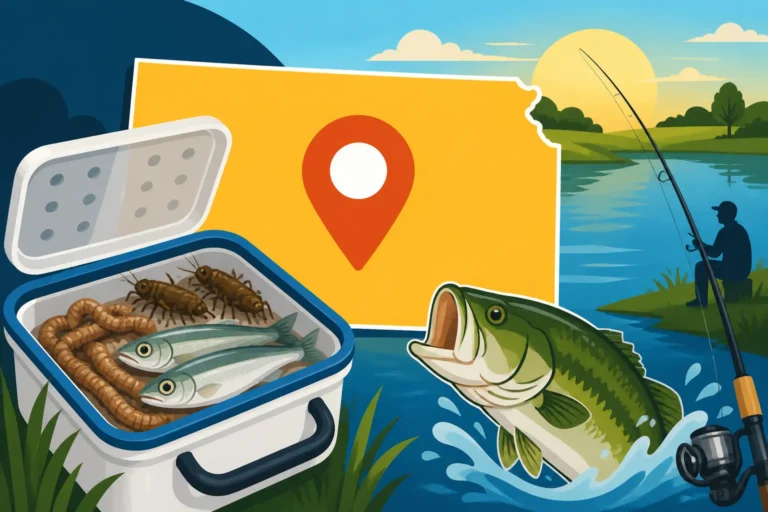
Beyond your catch and your beverages, many anglers also rely on coolers to preserve live bait or specialized tackle. Live minnows, shad, or worms need to be kept at optimal temperatures to remain lively and effective. A cooler, especially one with a dedicated bait well insert or simply used with less ice and more water, can be the perfect solution. Imagine having a bucket of dead minnows because your makeshift container got too hot – that’s a real bummer when you’re targeting species that prefer live offerings.
Furthermore, sensitive gear like electronic devices, extra camera batteries, or even delicate lures can benefit from being stored in a well-insulated, protected environment away from direct sun and extreme heat. A cooler, particularly a rugged hard-sided one, offers not just insulation but also a level of protection from bumps, splashes, and curious hands, acting as a secure compartment for valuable items. For serious anglers, keeping everything in top shape is part of the game, and a good cooler is a versatile tool for achieving that.
Understanding Cooler Types: Hard-Sided vs. Soft-Sided for Anglers
When you start looking at coolers, you’ll quickly notice two main categories: hard-sided and soft-sided. Both have their place on a Kansas fishing trip, but understanding their distinct advantages and disadvantages is key to choosing the right one for your specific needs. There are also specialty options like marine-grade coolers that offer enhanced performance for dedicated boaters.
The Robustness of Hard-Sided Coolers
Hard-sided coolers are the workhorses of the fishing world. These are typically what most people envision when they think of a fishing cooler – rigid, often bulky, and built to withstand a beating. Modern high-performance hard-sided coolers, especially those made with rotomolded construction, are renowned for their exceptional ice retention. This means they can keep ice frozen for days, not just hours, making them ideal for multi-day trips or for storing large quantities of fish, bait, or drinks during long, hot Kansas Summer Fishing Guide excursions.
The rotomolding process creates a single, seamless piece of plastic that is incredibly durable and impact-resistant. This means it can handle being tossed around in the back of a pickup, dropped on rocky banks, or used as an impromptu seat or casting platform on the boat. Many feature heavy-duty latches, thick insulation in the walls and lid, and a tight-sealing gasket to prevent cold air from escaping. Brands like Yeti, RTIC, and Orca are popular for these reasons, often found at outdoor retailers like Bass Pro Shops or through online stores like Amazon, though there are many other reputable names. Their sheer capacity also makes them excellent for holding larger species like blue catfish or multiple walleye, adhering to Kansas Daily Creel Limits by Species where applicable.
However, their robustness comes with a trade-off: weight and bulk. Even empty, these coolers can be heavy, and when fully loaded with ice, fish, and drinks, they can be a real two-person job to move. They also take up significant space, which is something to consider if you're fishing from a smaller vessel or a kayak, where every inch counts.
The Convenience of Soft-Sided Coolers
Soft-sided coolers offer a more lightweight and portable alternative. While they generally don't match the multi-day ice retention of their hard-sided counterparts, they are perfect for shorter trips, lighter loads, or situations where portability is paramount. Think quick afternoon trips to a local community lake, or as a secondary cooler solely for drinks while the big hard-sided one holds the fish. They are typically made from durable, waterproof fabric, often with foam insulation.
The primary advantages of soft-sided coolers are their ease of transport and flexibility. They often come with shoulder straps, making them easy to carry down to the bank or across a dock. When empty, some models can even be compressed or folded slightly, saving space in your vehicle or storage. Many also feature external pockets for storing smaller items like snacks, sunblock, or a small tackle box. For kayak anglers or those who hike into secluded fishing spots, a soft-sided cooler can be a game-changer, providing refreshment without weighing them down. You might consider one of these if you're exploring Kansas Kayak Fishing Gear Guide.
However, their insulation isn't as thick, so plan on shorter ice retention – usually a day or less, depending on ambient temperatures and how often you open it. They are also generally less robust and more susceptible to punctures or tears from sharp objects, like fish fins or hooks, although many quality models are designed with rugged exteriors.
When to Choose a Marine-Grade Cooler
For serious boat anglers, a marine-grade cooler is often the best choice. While many high-performance rotomolded coolers are inherently robust and can be used on boats, a true "marine-grade" cooler often incorporates specific features tailored to the harsh marine environment. These can include UV-resistant exteriors to prevent fading and degradation from prolonged sun exposure, non-skid feet to keep the cooler from sliding around on a wet deck, and stainless steel hardware that resists corrosion from saltwater or constant moisture.
Some marine coolers also feature integrated measuring rulers on the lid for quick fish sizing, or specialized compartments for bait and tackle. Their robust construction often allows them to double as casting platforms or seating, adding versatility to a boat's limited space. If you're out on a large reservoir like Milford or Wilson Lake in a fishing boat, these specialized features provide added convenience and longevity. When considering Best Boats for Kansas Reservoirs, remember that a good marine cooler is just as important as the vessel itself for maintaining your catch.
Choosing a marine cooler ensures that your investment can withstand the constant exposure to water, sun, and the general wear and tear that comes with boating. It's a choice for durability and performance in the demanding world of aquatic adventures.
Key Features to Look For in a Kansas Fishing Cooler
Not all coolers are created equal, and when you’re investing in one for your Kansas fishing trips, you want to make sure it has the right features to meet the demands of the environment. From keeping ice frozen for days to withstanding rough handling, certain characteristics stand out as crucial for anglers.
Unrivaled Ice Retention Capabilities
This is often the single most important factor for any serious fishing cooler. Good ice retention means your ice lasts longer, keeping your fish colder, your bait livelier, and your drinks chillier. Look for coolers that boast thick insulation, typically through pressure-injected polyurethane foam in the walls and lid. The thicker the insulation, generally, the better the ice retention.
Beyond just the thickness of the walls, the seal of the lid is critical. A freezer-grade gasket around the lid creates an airtight seal that locks in the cold and prevents warm air from seeping in. Coupled with sturdy T-handle latches or similar heavy-duty closures, this system ensures that your cooler performs optimally. Manufacturers will often provide "ice retention ratings" – sometimes stating how many days the ice will last. While these are usually under ideal conditions, they serve as a good comparative metric. In the scorching Kansas sun, this superior insulation is what makes the difference between a successful cooler and a frustrating puddle.
Durability and Construction that Lasts
A fishing cooler leads a hard life. It gets dragged, dropped, sat on, kicked, and constantly exposed to water, sun, and fish guts. Therefore, durability is key. Rotomolded construction, as mentioned earlier, is the gold standard for hard-sided coolers due to its seamless, robust design. This type of construction makes the cooler virtually indestructible against impacts.
Beyond the body, pay attention to the hardware. Heavy-duty, non-corroding hinges (often integrated or made from stainless steel) are crucial. The latches should be robust and easy to operate, even with cold or wet hands. Drain plugs should be large for quick draining and securely attached or tethered so they don't get lost. Non-slip rubber feet are also a fantastic feature, preventing your cooler from sliding around on a boat deck or in the bed of your truck, which is a common frustration for anglers navigating choppy waters or bumpy roads. A cooler with these features isn't just a container; it's a piece of gear that's built to last through countless Kansas Fishing Seasons Guide.
Practical Design Elements for Anglers
While ice retention and durability are fundamental, specific design elements can significantly enhance a cooler’s utility for fishing.
- Integrated Tie-Down Slots: These are invaluable for securing your cooler in a boat, truck bed, or even a kayak. Knowing your cooler won't go flying when you hit a wake or an unexpected bump is peace of mind.
- Fish Rulers on the Lid: Many marine-grade and even some general-purpose coolers come with a molded-in or stick-on ruler on the lid. This is incredibly handy for quickly checking if your catch meets Kansas Walleye Length Limits or other species-specific regulations without needing to pull out a separate measuring device.
- Comfortable Handles: Whether they are rope handles with comfortable grips or molded-in handles, ease of carrying is important. Remember, a full cooler can be exceptionally heavy, so good handles reduce strain.
- Dry Storage Basket: A removable dry basket that sits above the ice is fantastic for keeping sandwiches, cameras, or delicate tackle dry and out of the meltwater. Many anglers find this feature indispensable for separating food from fish.
- Ease of Cleaning: A smooth interior finish and a large drain plug make cleaning much easier after a long day of bloody fish and mud. Look for coolers that don't have too many nooks and crannies where grime can accumulate.
When you're browsing for options, perhaps checking out the extensive selection at Bass Pro Shops or comparing models on Amazon, keep these practical features in mind. They transform a simple ice chest into a true fishing companion.
Sizing Your Cooler for Different Kansas Fishing Scenarios
One of the biggest mistakes anglers make is using a cooler that’s either too small or unnecessarily large for their specific trip. The right size cooler ensures you have enough capacity without dealing with excessive bulk or weight. Think about the type of fishing you do, how long you plan to be out, and what you’re primarily cooling.
Day Trips and Small Hauls
For those quick morning or afternoon trips to a local pond, a community lake, or a short stint on one of Kansas’s smaller rivers, you often don't need a behemoth cooler. A 20-quart to 35-quart hard-sided cooler or a well-insulated soft-sided cooler is usually perfect. These sizes are manageable for one person to carry and can comfortably hold a decent lunch, plenty of drinks, and enough ice to last the day. If you’re targeting panfish like bluegill or a few crappie, this size is also ample for keeping your catch chilled.
For example, if you're hitting up a local spot for a couple of hours trying to catch some Kansas Crappie, a small 25-quart cooler will easily hold a limit of crappie and a six-pack of sodas. It’s also ideal for specialized purposes, like being a dedicated bait cooler to keep your minnows lively, or a separate drinks cooler to prevent the "fishy" smell from permeating your snacks. The goal here is efficiency and portability without sacrificing too much ice retention.
Weekend Adventures and Bigger Catches
If your Kansas fishing plans involve overnight stays, full-day excursions on larger reservoirs, or targeting bigger species with more generous limits, you'll want to step up in size. Coolers in the 45-quart to 75-quart range are fantastic for weekend trips. These provide enough space for multiple bags of ice, a substantial amount of food and drinks for several people, and a healthy haul of fish.
Imagine a full day chasing walleye on Wilson Lake or targeting trophy catfish on Tuttle Creek Lake. A 65-quart cooler can easily accommodate a full day’s worth of refreshments for a boat full of anglers, plus enough room to layer several large fish like walleye or channel catfish on ice. For multi-day camping and fishing trips, this larger capacity means you don’t have to worry about constantly replenishing ice. You can pack everything you need for the entire duration, maintaining optimal freshness for all your provisions and your hard-earned catch. This is where the long ice retention of a high-end rotomolded cooler truly shines.
Specialty Coolers for Bait and Drinks
Sometimes, it’s not just about one big cooler, but rather a system of coolers working together. Many experienced anglers opt for a dedicated "drinks and food" cooler and a separate "fish and bait" cooler. This prevents cross-contamination, keeps food tasting fresh, and isolates the fishy smells.
For bait, a small, insulated bucket or a purpose-built bait cooler (often aerated) is ideal. For drinks, a smaller soft-sided cooler or a compact hard-sided cooler can be incredibly convenient, especially if you want to keep it easily accessible while the main fish cooler is stowed away. For instance, if you have a large 100-quart cooler for your prize blue cats, but you only want to grab a cold drink, you won't want to open that massive cooler every time and compromise its ice. A smaller 20-quart cooler just for drinks and snacks makes a lot of sense in these scenarios. This approach allows for maximum efficiency and organization, making your time on the water more enjoyable and less cluttered.
Maximizing Your Cooler's Performance on the Water
Even the most expensive, high-performance cooler won’t live up to its potential if it's not used correctly. There are several simple, yet effective, strategies you can employ to drastically improve your cooler's ice retention and overall efficiency, especially when dealing with the variable conditions found on Kansas Fishing Trips.
Pre-Chilling for Peak Efficiency
This is arguably the most overlooked step in cooler preparation. Before you even think about loading your cooler with ice, fish, or drinks, you need to cool down the cooler itself. The interior of a cooler, especially one stored in a hot garage or truck, can be surprisingly warm. If you dump fresh ice into a warm cooler, a significant portion of that ice will be wasted simply bringing the cooler’s internal temperature down.
A day or at least several hours before your trip, place a sacrificial bag of ice (or even frozen water bottles) into your empty cooler and close the lid. Let it sit overnight, or for as long as possible. The cooler's internal temperature will drop, getting its walls and insulation cold. When you’re ready to pack for your trip, dump out the melted water and residual ice, and then load it with your fresh ice and contents. This pre-chilling step can extend your ice retention by a surprising margin, ensuring your cooler performs at its peak from the moment you leave the driveway.
The Art of Smart Packing
How you pack your cooler has a huge impact on how long your ice lasts. It’s not just about cramming everything in; there’s a technique to it.
- Use Block Ice or Frozen Water Bottles: While crushed or cubed ice cools faster initially, block ice or large frozen water bottles (which can double as drinking water later) melt much slower. A combination of both is often ideal: use cubed ice to fill gaps and surround items for quick cooling, then add larger blocks for sustained cold.
- Layer Smartly: Place a layer of ice at the bottom, then your coldest items (like frozen bait or pre-chilled drinks), then more ice, then items that don't need to be quite as cold. If storing fish, create layers of ice and fish, ensuring each fish is fully surrounded by ice.
- Minimize Air Space: Air is the enemy of ice retention. Fill any empty spaces in your cooler with more ice, towels, or crumpled newspaper. The less air there is to warm up, the longer your ice will last. This is especially true for those longer Kansas Fishing Seasons and Limits where you might be out for multiple days.
- Pre-Chill Contents: Just like pre-chilling your cooler, pre-chilling your drinks and food before they go into the cooler saves your ice from having to do that work. Place them in your home refrigerator overnight.
- Use a Dry Bag or Basket: As mentioned earlier, a dry basket helps keep items elevated out of meltwater, which is great for things you don't want soggy.
Cleaning and Maintenance for Longevity
A well-maintained cooler will serve you faithfully for years. Neglecting it, however, can lead to unpleasant odors, mold growth, and a shortened lifespan.
- Prompt Cleaning: As soon as you get home from your Kansas Fishing Trip, empty your cooler. Remove all contents, remaining ice, and melted water.
- Thorough Wash: Wash the interior with warm, soapy water. For stubborn odors, a mixture of baking soda and water or a diluted bleach solution (1 part bleach to 10 parts water) can work wonders. Pay close attention to corners, gaskets, and drain plugs. For any lingering fish smells, a natural deodorizer like activated charcoal left in the closed cooler can also help.
- Rinse and Dry Completely: Rinse thoroughly with fresh water. This is a critical step. Any soap residue can affect taste or attract dirt. Then, let the cooler air dry completely, with the lid propped open, to prevent mold and mildew growth.
- Inspect and Store: Check latches, hinges, and the drain plug for any damage. Address small issues before they become big problems. Store your cooler in a cool, dry place with the lid slightly ajar to allow for air circulation. Never store it with the lid tightly sealed, as this can trap moisture and foster odors or mold.
By following these simple steps, your fishing cooler will be ready for action whenever you are, ensuring that every Kansas fishing trip is as fresh and enjoyable as possible.
| Cooler Type | Pros | Cons | Ideal Use Case |
|---|---|---|---|
| Hard-Sided | Superior ice retention (multiple days) | Heavy, bulky | Multi-day trips, large fish, primary food/drink storage |
| Rotomolded | Extremely durable, impact-resistant | Most expensive | Serious anglers, rough conditions, long trips |
| Molded/Injection | Good value, decent durability | Less durable than rotomolded, shorter ice retention | General use, shorter trips, budget-conscious |
| Soft-Sided | Lightweight, portable, easy to carry | Shorter ice retention (hours to 1 day) | Day trips, light loads, supplemental cooler |
| Insulated Bag | Flexible, easy to store when empty | Least durable, minimal protection | Picnic-style, easy access to snacks/drinks |
| Backpack Cooler | Hands-free carrying, good for hiking | Limited capacity, can be uncomfortable when heavy | Bank fishing, kayak fishing, remote spots |
Disclaimer
This article is for general informational purposes only and does not constitute professional advice. Laws, prices and regulations vary by location and change over time. Consult a qualified professional for guidance on your specific situation.